What is the King of Healing Herbs? Discover the Ultimate Natural Remedy!

In the vast world of natural remedies, one herb stands out as a beacon of healing: turmeric. Known for its vibrant golden hue and rich cultural history, turmeric has been celebrated for centuries across various traditions for its remarkable health benefits. Often referred to as the King of Healing Herbs, this potent spice is packed with curcumin, a compound renowned for its anti-inflammatory and antioxidant properties. In this article, we will delve into the myriad benefits of turmeric, explore its uses in traditional medicine, and reveal why it deserves a prominent place in your wellness routine. Join us on this enlightening journey!
What is the King of Healing Herbs?
The title of the king of healing herbs is often attributed to turmeric due to its remarkable health benefits, primarily derived from its active compound, curcumin. This vibrant yellow spice has been used in traditional medicine for centuries, particularly in Ayurveda and Traditional Chinese Medicine. Turmeric is renowned for its anti-inflammatory, antioxidant, and antimicrobial properties, which are instrumental in promoting overall health and wellness. Studies suggest that its therapeutic effects may aid in managing chronic conditions such as arthritis, cardiovascular diseases, and even cognitive decline. The versatility of turmeric in culinary applications also helps increase its accessibility for those seeking to harness its healing potential.
Health Benefits of Turmeric
Turmeric offers a plethora of health benefits, largely attributed to its anti-inflammatory and antioxidant properties. Regular consumption can support joint health by reducing inflammation and pain associated with conditions like arthritis. Additionally, turmeric is known to enhance digestive health, boost the immune system, and may lower the risk of chronic diseases such as diabetes and heart disease. Its potential neuroprotective effects also contribute to improved brain function and a reduction in the risk of cognitive decline.
How to Use Turmeric in Your Diet
Incorporating turmeric into your diet is relatively simple, as it can be added to a variety of dishes. It is commonly used in curries, soups, and stews as a spice, while also being available in supplement form. One effective method is to combine turmeric with black pepper, which significantly enhances the absorption of curcumin in the body. Additionally, turmeric can be brewed as a tea, or mixed into smoothies for a health boost.
Scientific Research on Turmeric
Numerous studies have investigated the effects of turmeric on human health, highlighting its potential in treating various ailments. Research published in scientific journals indicates that curcumin can modulate inflammatory pathways and may improve conditions like metabolic syndrome. More clinical trials are necessary to fully understand its efficacy and optimal dosages, but preliminary findings are promising, suggesting that turmeric could play a role in preventive health.
Potential Side Effects of Turmeric
Though turmeric is generally considered safe for most individuals, excessive consumption may lead to side effects. Some people may experience gastrointestinal issues, such as nausea or diarrhea when taking high doses. Additionally, turmeric may interact with certain medications, including anticoagulants and antidiabetic drugs, so it is advisable to consult with a healthcare professional before adding large quantities to your regimen.
Growing Turmeric at Home
Growing turmeric at home is an easy and rewarding process for gardening enthusiasts. This plant thrives in warm, humid climates and can be grown in pots or garden beds. To start, a piece of turmeric rhizome can be planted in rich, well-draining soil. With proper care, including adequate moisture and indirect sunlight, turmeric can be harvested in approximately 8-10 months. An advantage of growing your own turmeric is the ability to use fresh roots in cooking and medicinal applications.
| Benefit | Description |
|---|---|
| Anti-inflammatory | Helps reduce inflammation in the body, aiding conditions like arthritis. |
| Antioxidant | Neutralizes free radicals, protecting cells from damage. |
| Digestive health | Improves digestion and may alleviate symptoms of bloating and gas. |
| Brain health | Potentially lowers the risk of neurodegenerative diseases. |
| Heart health | Contributes to cardiovascular health by improving endothelial function. |
What is the most healing herb?
:max_bytes(150000):strip_icc()/VWH_Illustration_10-Healing-Herbs-With-Medicinal-Benefits_Illustrator_Mira-Norian_Title_Final-47ce13013375448c9e8e7e8c21fb50f7.jpg)
The concept of the most healing herb can vary based on cultural practices and individual health needs. However, one herb often recognized for its extensive healing properties is Turmeric. Known scientifically as Curcuma longa, turmeric contains the active compound curcumin, which has been linked to numerous health benefits.
Turmeric's Anti-Inflammatory Properties
Turmeric is highly regarded for its anti-inflammatory effects, making it beneficial for individuals dealing with chronic inflammation. The bioactive compound curcumin inhibits various molecules that play a crucial role in inflammation.
- Effective in reducing symptoms of arthritis.
- Helps alleviate pain associated with inflammatory bowel disease.
- Supports overall health by reducing inflammation in the body.
Antioxidant Benefits of Turmeric
Another significant advantage of turmeric is its antioxidant properties. Curcumin acts as a powerful antioxidant, neutralizing free radicals that can cause cellular damage.
- Protects cells from oxidative stress.
- May prevent age-related diseases.
- Enhances overall bodily function by reducing oxidative stress.
Turmeric and Digestive Health
Turmeric is also known for its positive effects on digestive health. It aids in the digestion process and can help alleviate gastrointestinal issues.
- Stimulates bile production, enhancing fat digestion.
- Helps reduce bloating and gas.
- Has been linked to improvements in irritable bowel syndrome (IBS).
Turmeric for Skin Health
The healing properties of turmeric extend to skin health, where it has been used in various skincare formulations due to its antibacterial and anti-inflammatory properties.
See also:
- Can help in treating acne and reducing scars.
- Acts as a natural remedy for psoriasis and eczema.
- Promotes an even skin tone by reducing hyperpigmentation.
Historical and Cultural Significance of Turmeric
Turmeric has been a staple in traditional medicine systems like Ayurveda and Traditional Chinese Medicine (TCM) for centuries. Its use signifies not only healing but also cultural practices.
- Utilized in rituals and traditional healing practices.
- Recognized for its anti-aging properties in various cultures.
- Incorporated into diets for its health-boosting qualities.
What herb did Jesus use for healing?
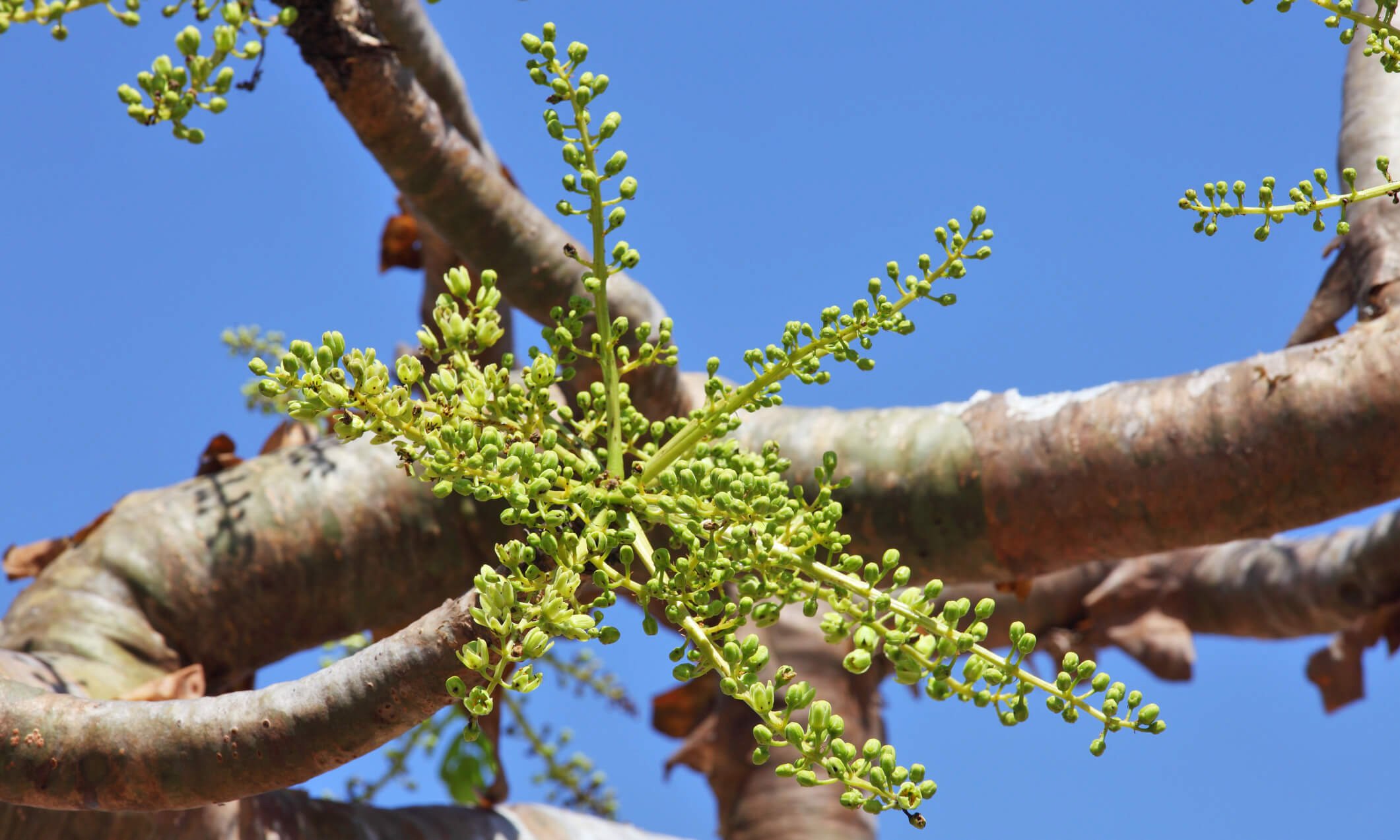
The herb often associated with healing in the context of Jesus is hyssop. This plant is frequently mentioned in the Bible and was known for its use in purification rituals and medicinal purposes.
Hyssop is typically described as a small, aromatic herb that was believed to have cleansing properties, making it significant in spiritual and physical healing narratives. Its presence in scriptural accounts highlights its importance in the ancient practices of healing and ritual cleansing, particularly in Judaism.
The Role of Hyssop in Biblical Texts
Hyssop is mentioned multiple times in the Bible, particularly in contexts related to purification and sacrifice. Its role can be summarized as follows:
- Psalms 51:7 - It is famously associated with personal purification, where the psalmist asks to be cleansed with hyssop.
- Exodus 12:22 - Hyssop was used by the Israelites during the Passover to apply blood to their doorposts, signifying a form of divine protection.
- Leviticus 14:4-6 - The use of hyssop is mentioned in the purification rituals for those healed from leprosy.
Medicinal Properties of Hyssop
Historically, hyssop has been recognized for its various medicinal properties. Its benefits include:
- Antimicrobial - Hyssop has been found to have properties that fight off bacteria and fungi.
- Anti-inflammatory - The herb is known to reduce inflammation, making it useful for various ailments.
- Respiratory Benefits - Hyssop is often used to alleviate symptoms of respiratory issues, such as coughs and colds.
Hyssop and Spiritual Healing
In addition to its physical benefits, hyssop is often associated with spiritual healing and purification. Its significance is evident in:
- Sacred Rituals - Used in ceremonies to symbolize cleansing and sanctification.
- Prayer and Meditation - Its aroma is believed to enhance spiritual focus and meditation.
- Symbol of Faith - Hyssop represents faith and the desire for spiritual renewal.
Cultural Interpretations of Hyssop
Different cultures have viewed hyssop through various lenses, recognizing its importance in both health and spirituality:
- Traditional Remedies - Utilized in folk medicine for treatment of minor ailments.
- Symbolic Use in Art - Artists often depict hyssop as a symbol of purification.
- Literary References - Frequent mentions in religious texts, contributing to its enduring legacy.
Modern Applications of Hyssop
Today, hyssop is still valued both in herbal medicine and culinary uses, which include:
- Herbal Supplements - Available in various forms for health benefits.
- Cooking and Flavoring - Used as a culinary herb in various dishes.
- Aromatherapy - Incorporated in essential oil blends for its therapeutic scent.
What is the mother of all herbs?
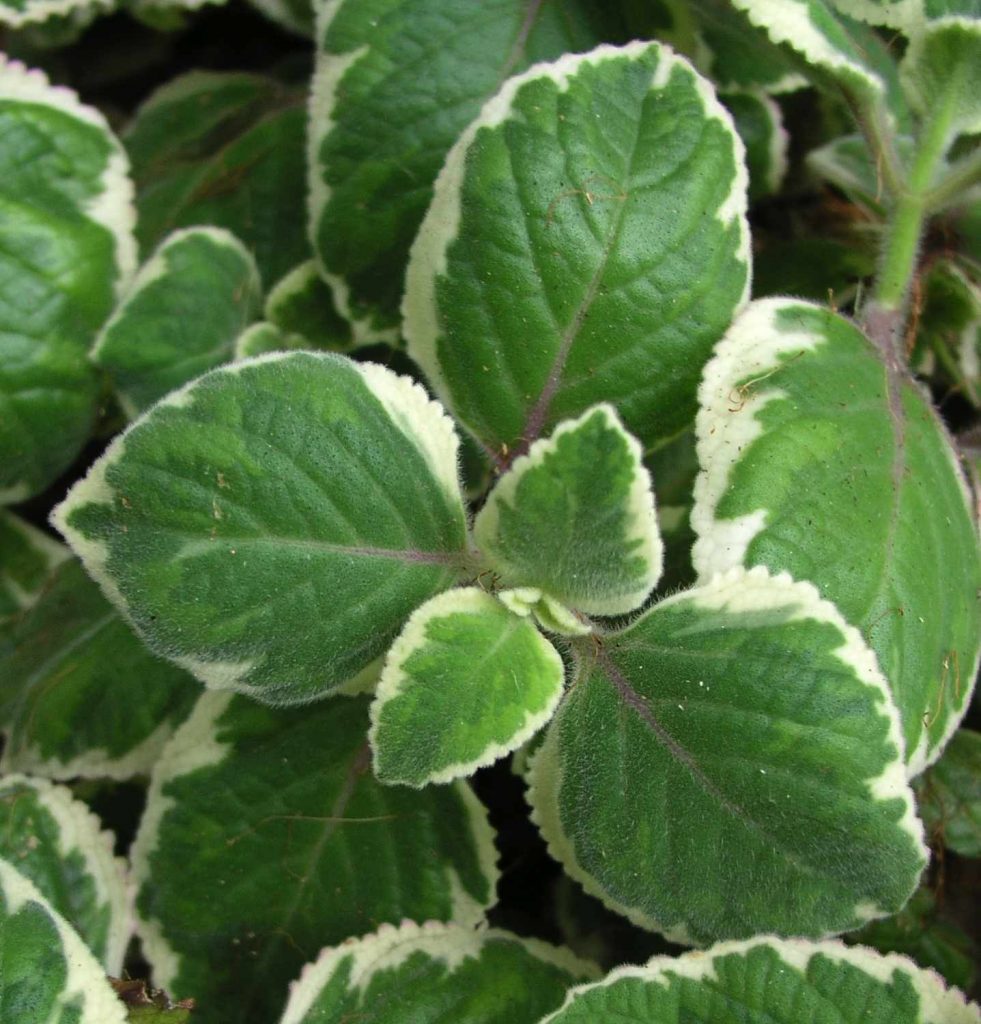
The term mother of all herbs is often attributed to Tulsi (Ocimum sanctum), also known as holy basil. This revered plant holds a significant place in Ayurvedic medicine and is celebrated for its numerous health benefits. Tulsi is not just a culinary herb; it is also deeply ingrained in spiritual and cultural traditions in India.
Health Benefits of Tulsi
Tulsi is known for its diverse medicinal properties, making it a cornerstone in natural healing practices. Its health benefits include:
- Anti-inflammatory properties that help reduce inflammation in the body.
- Antioxidant effects, which protect cells from damage caused by free radicals.
- Support for immune system function, enhancing the body's ability to fight off illness.
Tulsi in Ayurveda
In Ayurvedic medicine, Tulsi is considered a sacred plant and is often referred to as The Incomparable One. It is used for various health issues and is believed to promote overall well-being. Its applications in Ayurveda include:
See also:
- Treating respiratory conditions, such as asthma and bronchitis.
- Helping alleviate stress and anxiety through its adaptogenic properties.
- Enhancing digestion and acting as a natural remedy for gastrointestinal disorders.
Culinary Uses of Tulsi
Beyond its medicinal uses, Tulsi is also cherished in the kitchen. Its unique flavor adds a distinct taste to various dishes. Culinary uses include:
- Adding fresh Tulsi leaves to curries for a fragrant touch.
- Making herbal teas that promote relaxation and wellness.
- Incorporating it into sauces and dressings for a fresh herby flavor.
Growing and Caring for Tulsi
Tulsi is a relatively easy herb to grow, whether indoors or outdoors. Essential tips for successful cultivation include:
- Choosing a location with full sun exposure to promote healthy growth.
- Ensuring well-draining soil and maintaining regular watering without over-soaking.
- Pruning regularly, which encourages bushy growth and more leaf production.
The Spiritual Significance of Tulsi
Tulsi holds a profound spiritual significance in Hinduism, often associated with the goddess Lakshmi. Its importance is reflected in practices such as:
- Planting Tulsi in homes as a mark of devotion and spiritual protection.
- Using its leaves in rituals and ceremonies to honor deities.
- Holding a special place in the daily lives of many Hindus, symbolizing purity and sacredness.
Which herb is called the queen of herbs?
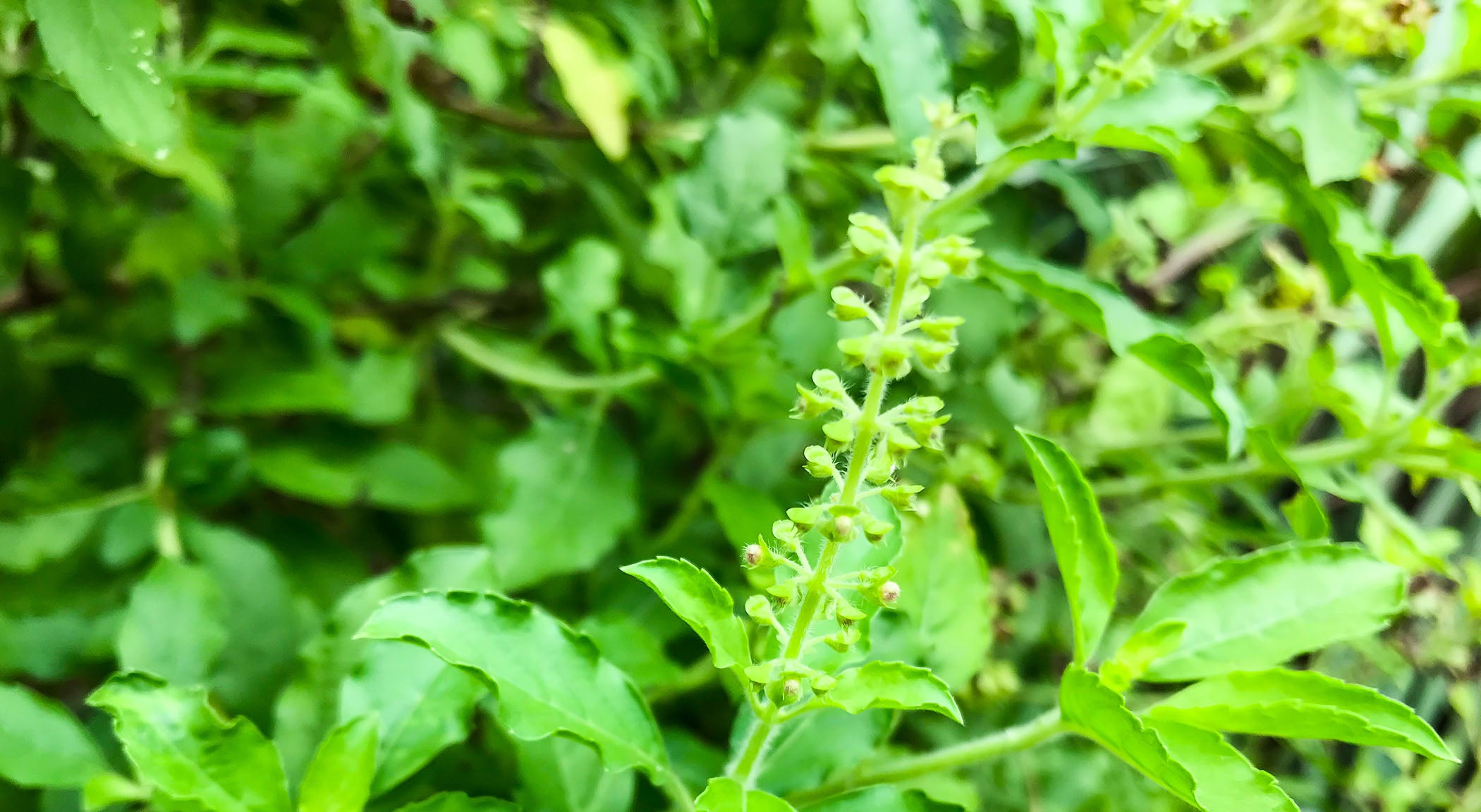
The herb commonly referred to as the queen of herbs is Tulsi, also known as Holy Basil (Ocimum sanctum). This revered plant is native to the Indian subcontinent and has been a cornerstone of Ayurvedic medicine for centuries. It is celebrated not only for its culinary uses but also for its plethora of health benefits, making it a significant element in traditional medicine systems. Tulsi is often associated with spirituality and devotion in Hindu culture and is commonly found in households as a sacred plant.
Health Benefits of Tulsi
Tulsi is renowned for its numerous health benefits, which include:
- Antioxidant properties: Tulsi is rich in antioxidants that combat oxidative stress and protect the body against cellular damage.
- Anti-inflammatory effects: The herb contains compounds that reduce inflammation in the body, which can help alleviate chronic diseases.
- Stress relief: Tulsi is considered an adaptogen, helping the body adapt to stress and promoting mental well-being.
Culinary Uses of Tulsi
In addition to its medicinal properties, Tulsi is also used in various culinary applications:
- Flavor enhancer: Its distinct aroma and taste enhance the flavor of dishes, especially in Indian cuisine.
- Tea infusion: Tulsi tea is a popular beverage, known for its soothing qualities and health benefits.
- Herbal mixtures: It is often included in spice blends, providing both flavor and health benefits to various recipes.
Cultural Significance of Tulsi
Tulsi holds profound cultural importance, particularly in India:
- Religious rituals: The plant is worshipped daily by many Hindus and is often placed in temples and homes.
- Symbol of purity: Tulsi is regarded as a sacred plant and is associated with cleanliness and purity in many cultures.
- Literature and art: Tulsi is frequently mentioned in ancient texts and is depicted in various forms of art, symbolizing spirituality.
Growing and Caring for Tulsi
Cultivating Tulsi is relatively easy, and it thrives in various conditions:
- Sunlight requirements: Tulsi prefers full sunlight but can tolerate partial shade.
- Soil preference: It thrives in well-drained, nutrient-rich soil with a neutral pH.
- Watering: Regular watering is essential, especially in dry conditions, but overwatering should be avoided to prevent root rot.
Scientific Research on Tulsi
Recent studies have focused on exploring the various benefits and components of Tulsi:
- Phytochemical studies: Researchers have identified numerous bioactive compounds in Tulsi, contributing to its health benefits.
- Clinical trials: Some clinical trials highlight its effectiveness in managing conditions like diabetes and stress-related disorders.
- Potential pharmaceuticals: Studies are underway to explore its potential in developing new medications based on its medicinal properties.
Questions from Our Readers
What herb is commonly referred to as the king of healing herbs?
The herb often referred to as the king of healing herbs is Tulsi, also known as Holy Basil. It has been celebrated for centuries in traditional medicine due to its numerous therapeutic properties and ability to enhance overall health.
What are the primary benefits of using the king of healing herbs?
The primary benefits of Tulsi include its antioxidant properties, ability to reduce stress, and support for the immune system. It is also known to assist in respiratory health, making it a versatile herb for various health concerns.
How can Tulsi be consumed for its medicinal benefits?
Tulsi can be consumed in various forms, including tea, tinctures, and as a powder. Drinking Tulsi tea daily is a popular way to harness its benefits, making it easy to incorporate into a regular health routine.
See also:
Are there any side effects associated with the king of healing herbs?
While Tulsi is generally safe for most people, some may experience mild side effects such as stomach upset or allergic reactions. It is always wise to consult with a healthcare professional before adding any new herb to your regimen, especially for those with existing health conditions or pregnant women.

If you want to read more articles like What is the King of Healing Herbs? Discover the Ultimate Natural Remedy!, we recommend you check out our Herbs category.
Leave a Reply
Related Articles