What are the best herbs to grow for beginners? A Complete Guide for New Gardeners

Starting a garden can be an exciting yet daunting task for beginners. Growing your own herbs not only enhances your culinary creations but also provides a rewarding hobby. With numerous options available, it can be challenging to know which herbs are the best to start with. This complete guide will explore the easiest and most forgiving herbs for novice gardeners, ensuring a successful and enjoyable gardening experience. From basil to mint, we will outline essential growing tips, care requirements, and potential pitfalls to help you cultivate a thriving herb garden right at home. Get ready to dig in and enjoy the benefits of fresh herbs!
Best Herbs for Beginner Growers
Starting a herb garden can be a rewarding experience for beginners, as it provides an opportunity to cultivate flavorful and aromatic plants right at home. Some of the best herbs to grow include basil, parsley, cilantro, chives, and mint. These herbs are not only easy to grow but also versatile in cooking, making them perfect for novice gardeners. They thrive in a range of conditions and do not require extensive horticultural knowledge, making them ideal choices for those just starting out in gardening.
Basil
Basil is one of the most popular herbs for beginners due to its ease of cultivation and the delightful flavor it adds to various dishes. It prefers warm weather and needs full sun, making it ideal for outdoor gardens or sunny window sills. Regular watering and pruning can encourage bushier growth, and it can be harvested continuously to keep the plant productive.
Parsley
Parsley is another excellent choice for new gardeners, as it is a hardy herb that can tolerate a range of planting conditions. It can be grown either indoors or outdoors and prefers partial sunlight. Parsley requires consistent moisture but should not be overwatered to prevent root rot. This herb is commonly used as a garnish and can enhance the flavor of many dishes.
Cilantro
Cilantro, also known as coriander, is quick to grow and offers a unique flavor profile that is essential in many cuisines. It prefers well-drained soil and should be planted in a spot with full sun to partial shade. Beginners will enjoy its fast growth, but it is important to note that cilantro tends to bolt in hot weather, so timely harvesting is essential to enjoy its fresh leaves.
Chives
Chives are an incredibly low-maintenance herb that thrives in various conditions. They can grow in pots or directly in the garden and are perfect for those with limited space. Chives enjoy full sun and require minimal care; just a little watering is all they need. Their onion-like flavor is perfect for seasoning dishes, and they can be harvested repeatedly throughout the growing season.
Mint
Mint is an aromatic herb that is easy to grow and can flourish in both gardens and containers. However, it is important to contain mint plants, as they can spread rapidly if not confined. Mint prefers partial shade and consistent moisture, making it suitable for a variety of environments. Its refreshing flavor makes it a popular choice for teas, desserts, and garnishes.
| Herb | Growing Conditions | Flavor Profile |
|---|---|---|
| Basil | Full sun, well-drained soil | Sweet and aromatic |
| Parsley | Partial sunlight, moist soil | Fresh and slightly peppery |
| Cilantro | Full sun to partial shade, well-drained soil | Citrusy and fresh |
| Chives | Full sun, well-drained soil | Onion-like |
| Mint | Partial shade, moist soil | Refreshing and cool |
Which is the easiest herb to grow?

The easiest herb to grow is basil. This aromatic herb is not only popular in various cuisines but also thrives effortlessly in a wide range of conditions. Basil prefers warm weather and can be grown both indoors and outdoors. It requires minimal maintenance, making it an ideal choice for novice gardeners. With the right amount of sunlight, water, and nutrients, basil can yield a bountiful harvest.
1. Reasons to Grow Basil
Growing basil comes with various benefits that make it appealing for home gardeners. It enhances meals with its unique flavor, and its beauty can add aesthetics to your garden. Here are several reasons to grow basil:
- Flavor enhancement: Basil is a key ingredient in many dishes, providing fresh and vibrant flavors.
- Easy to care for: This herb requires minimal attention, making it perfect for beginners.
- Health benefits: Basil is rich in antioxidants and possesses anti-inflammatory properties.
2. Optimal Growing Conditions
Understanding the right conditions for basil growth is crucial for success. This herb thrives under warm and sunny conditions. Here’s what you should consider:
- Sunlight: Basil needs at least 6-8 hours of direct sunlight daily.
- Soil type: Well-draining, nutrient-rich soil is ideal for basil.
- Temperature: Basil flourishes best in temperatures between 70°F to 90°F (21°C to 32°C).
3. Watering and Maintenance
Basil's maintenance requires a balanced approach to watering. Too much or too little can hinder its growth. Here are some guidelines:
- Watering frequency: Water your basil when the top inch of the soil feels dry.
- Avoid root rot: Ensure good drainage by using pots with holes and not allowing the plant to sit in water.
- Fertilization: Use a balanced fertilizer every 4-6 weeks to promote healthy growth.
4. Common Pests and Diseases
While basil is relatively resilient, there are common pests and diseases to watch out for. Being aware of these can help you keep your plants healthy:
See also:
- Aphids: These small insects can sap the plant's vitality; remove them with water sprays.
- Powdery mildew: This fungal disease can affect basil; ensure good air circulation and avoid overhead watering.
- Whiteflies: Like aphids, these can be managed through insecticidal soap or neem oil.
5. Harvesting and Usage
Knowing when and how to harvest basil can maximize its flavor and longevity. Proper harvesting techniques will encourage the plant to grow even more. Consider these tips:
- Timing: Harvest leaves once the plant is at least 6 inches tall, usually 4-6 weeks after planting.
- Technique: Gently pinch or cut leaves from the top, allowing light to reach lower leaves.
- Storage: Store fresh basil in the refrigerator wrapped in a damp paper towel, or freeze it in ice cube trays for later use.
What month should you start planting herbs?

To determine when to start planting herbs, it's important to consider the specific climate of your region as well as the type of herbs you wish to grow. Generally, the optimal time to start planting herbs is during the spring months, typically from March to May. This period is when the soil temperature is warming up, and the danger of frost diminishes, promoting better growth for herbs.
Understanding Climate Zones
Different regions have varying climate conditions that affect the planting times for herbs. Check your USDA Plant Hardiness Zone to find the best planting times for your specific area.
- The Warmer Zones (Zones 9-10) can start planting as early as February.
- Temperate Zones (Zones 5-8) generally begin in late March or April.
- Cooler Zones (Zones 3-4) often wait until late spring, around May.
Types of Herbs to Plant
Different herbs have distinct requirements and optimal planting times. Knowing what kinds of herbs you want will help determine when to start.
- Annual herbs, such as basil and cilantro, are best planted after the last frost date.
- Perennial herbs, like thyme and oregano, can be planted in early spring.
- Hardy herbs, such as chives and parsley, can tolerate some frost and can be planted earlier in spring.
Starting Herbs Indoors vs. Outdoors
Choosing whether to start your herbs indoors or outdoors can influence the timing of your planting.
- Starting Indoors: You can begin seeds 6-8 weeks before the last expected frost date, typically in late winter.
- Transplanting Outdoors: Once your seedlings are strong and there’s no threat of frost, transplant them outdoors.
- Starting herbs indoors allows for better control over growth conditions and can lead to an earlier harvest.
Seasonal Considerations
Seasonal changes greatly affect planting schedules, impacting the health and growth of herbs.
- In early spring, soil begins to warm up, promoting germination.
- During late spring, temperatures rise, benefiting warm-weather herbs but careful monitoring for late frost is necessary.
- Summer planting may work for fast-growing varieties, but ensure adequate water and nutrients are provided.
Crop Rotation and Herb Companionship
Understanding how to rotate herbs and companion planting can enhance growth and yield.
- Rotate your herbs each year to prevent soil depletion and disease.
- Consider companionship planting; some herbs benefit from growing together, improving flavors and pest resistance.
- Research good and bad companions to maximize growth, using those relationships for optimal planting times.
What is the most useful herb to grow?
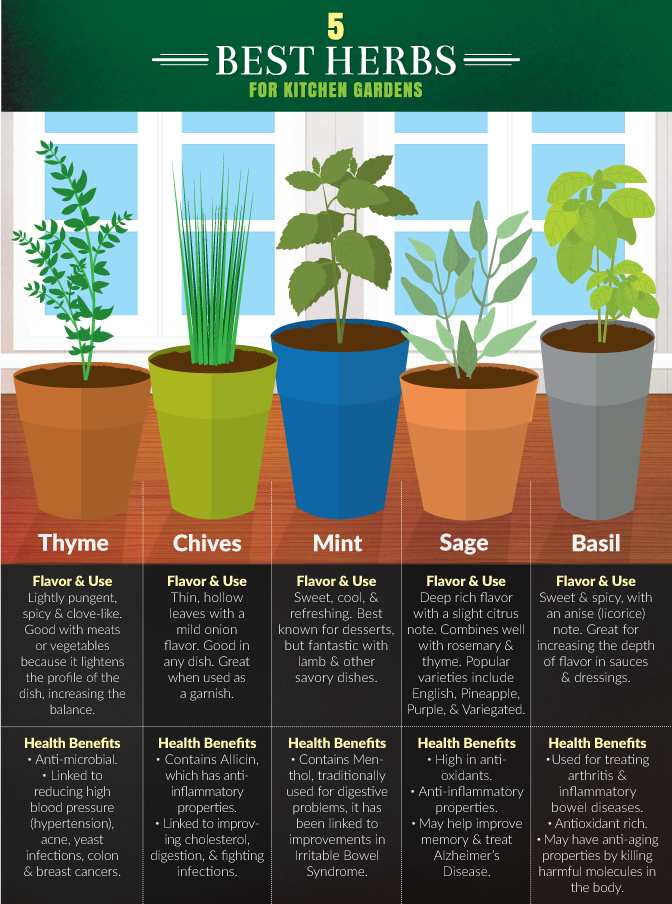
The most useful herb to grow is basil. This versatile herb is not only a popular ingredient in a variety of dishes, particularly in Italian cuisine, but it also offers numerous health benefits. Its fragrant leaves can enhance the flavor of salads, sauces, and marinades, making it a kitchen staple. Furthermore, growing basil is relatively easy, it can flourish in various climates, and it thrives in containers, making it accessible for both experienced and novice gardeners.
Health Benefits of Basil
Basil is not just a culinary delight; it is packed with nutrients and antioxidants. It has anti-inflammatory properties and can help boost the immune system. Additionally, basil contains essential oils that have been known to exhibit antibacterial and antiviral activity. The primary health benefits include:
- Anti-inflammatory properties that help reduce inflammation in the body.
- Rich in antioxidants that fight oxidative stress.
- Supports digestive health and can alleviate bloating.
Growing Conditions for Basil
Basil prefers warm weather and thrives in full sunlight. It requires well-draining soil and regular watering to maintain moisture without waterlogging. To successfully grow basil, gardeners should consider the following:
- Sunlight: At least 6-8 hours of direct sunlight each day.
- Watering: Keep the soil consistently moist but not waterlogged.
- Soil: Use well-draining potting soil rich in organic matter.
Culinary Uses of Basil
Basil is a favorite in the culinary world due to its aromatic flavor profile. It can be used in a variety of dishes, which makes it highly versatile. Here are some common culinary uses for basil:
See also:
- Caprese salads: A classic combination with tomatoes, mozzarella, and balsamic.
- Pasta sauces: Enhances the flavors of tomato-based sauces.
- Pesto: A key ingredient in traditional pesto, often mixed with pine nuts and parmesan.
Companion Planting with Basil
Basil is an excellent companion plant that can enhance the growth of other garden plants. Its presence can attract beneficial insects and deter pests. Here are some plants that benefit from being near basil:
- Tomatoes: Basil enhances their flavor and repels certain pests.
- Peppers: Grows well with peppers, improving their yield.
- Oregano: Benefits from a shared growing environment that supports healthy growth.
Preserving Basil for Year-Round Use
To enjoy basil beyond its growing season, several preservation methods can be employed. These methods maintain the herb's flavor and aroma. The most popular preservation techniques include:
- Freezing: Chopping and freezing basil in ice cube trays with water or olive oil.
- Drying: Air drying or using a dehydrator to remove moisture from the leaves.
- Making pesto: Creating and freezing pesto allows for easy use in various dishes.
What herbs cannot be planted next to each other?
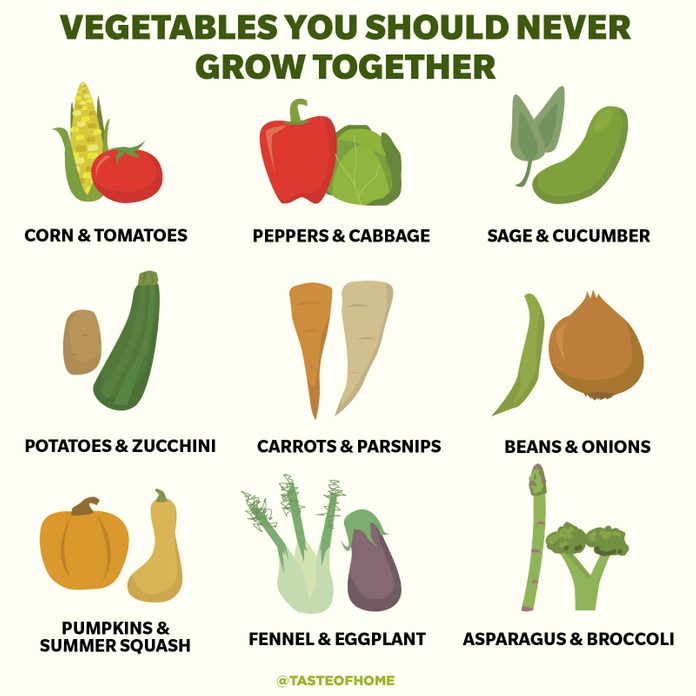
When planting herbs, it's essential to consider companion planting principles that dictate the compatibility of certain herbs. Some herbs can inhibit growth, attract pests, or diminish flavors when placed next to each other. Here are some key combinations to avoid:
1. Basil and Rue
Basil is a beloved herb known for its aromatic leaves, while rue is often used as a bittering agent and in traditional medicine. However, it is important to keep these plants separate. Rue can inhibit the growth of basil, leading to poor yield and flavor.
- Basil may develop stunted growth.
- Rue can release compounds that negatively affect basil.
- Planting them together can lead to reduced culinary use of both herbs.
2. Dill and Carrots
Dill is often planted for its flavorful leaves and seeds, but it can have a negative impact on nearby carrot plants. Dill produces oils that can interfere with the growth of carrot foliage and roots.
- Dill can alter the soil nutrients in ways that are unfavorable for carrots.
- Planting them together may lead to a decrease in carrot quality.
- Dill may attract pests that harm carrot plants.
3. Sage and Cucumbers
Though sage is a versatile herb with various culinary applications, it does not get along with cucumbers. Sage tends to be detrimental to the growth of cucumbers due to its strong fragrance and the allelopathic effects it can have on cucurbit family members.
- Sage may lead to the wilting and yellowing of cucumber plants.
- Cucumbers may produce fewer fruits when planted near sage.
- Sage’s growth can overshadow cucumber seedlings, hindering their development.
4. Mint and Other Herbs
Mint is a highly invasive herb that can quickly take over garden space. When planted near other herbs, it can suffocate their growth by dominating the soil and resources. This makes mint one of the most problematic herbs to place alongside other plants.
- Mint can crowd out other herbs, leading to diminished yields.
- Its aggressive growth can hinder sunlight and water access for neighboring plants.
- Mixing mint with other herbs often results in diminished flavor profiles.
5. Fennel and Most Other Herbs
Fennel is known for its unique taste and bulb structure, but this herb does not make a good neighbor for most other herbs. Fennel can secrete substances that negatively affect the growth of many species, particularly in the Apiaceae family.
- Fennel can inhibit the growth of nearby herbs such as basil and coriander.
- It may lead to irregular growth patterns in neighboring plants.
- Fennel's dominance can lead to the overall decline of neighboring herb populations.
Questions from Our Readers
What herbs are easiest to grow for beginners?
Many beginners find that basil, parsley, and cilantro are the easiest herbs to grow. These herbs are not only resilient but also thrive in various conditions, making them perfect for novice gardeners.
Do I need special equipment to grow herbs?
No special equipment is necessary to grow herbs, but having basic pots, potting soil, and good sunlight can significantly enhance your success. Even using recycled containers can work, as long as they have proper drainage.
Can I grow herbs indoors?
Absolutely! Many herbs, such as mint and chives, grow well indoors as long as they receive adequate sunlight or grow lights. Indoor herb gardening is a great way to ensure fresh ingredients year-round.
How often should I water my herbs?
The watering frequency depends on the specific herb and its growing conditions, but a general rule is to water when the top inch of soil feels dry. Overwatering can lead to root rot, so ensure that pots have drainage holes to prevent excess water accumulation.
See also:

If you want to read more articles like What are the best herbs to grow for beginners? A Complete Guide for New Gardeners, we recommend you check out our Herbs category.
Leave a Reply
Related Articles