Does Rosemary Keep Bugs Away? Discover the Facts and Benefits

Rosemary, a fragrant herb commonly found in gardens and kitchens, has long been believed to repel various pests. But how much truth lies behind this age-old assumption? In this article, we delve into the facts surrounding rosemary's insect-repelling properties. We will explore the science behind its essential oils and compounds, uncover the benefits of incorporating rosemary into your pest control strategy, and discuss its role in maintaining a healthy garden environment. Join us as we uncover whether rosemary truly keeps bugs away and how you can harness its potential for your own benefit.
Does Rosemary Keep Bugs Away?
Rosemary is not only a fragrant herb used in culinary dishes but also possesses properties that can help deter bugs. Its essential oils, particularly camphor, eucalyptol, and 1,8-cineole, have been observed to repel various insects, including mosquitoes and certain types of flies. These compounds disrupt the sensory receptors of bugs, making the environment around rosemary less appealing for them. Additionally, using rosemary in gardens not only enhances the aesthetic value but can also contribute to an organic method of pest management, reducing the need for chemical pesticides.
What Insects Does Rosemary Repel?
Rosemary is known to repel a variety of insects, including mosquitoes, flies, and even some types of beetles. The presence of camphor in rosemary oil plays a significant role in repelling these pests. Studies suggest that the aroma emitted by rosemary can confuse and deter insects, making it an effective natural pest repellent in gardens or outdoor spaces.
How to Use Rosemary as a Bug Repellent?
To utilize rosemary effectively as a bug repellent, you can either plant it in your garden or make a homemade spray. For the spray, steep fresh rosemary leaves in boiling water to create a strong infusion. Once cooled, strain the liquid into a spray bottle and apply it to areas prone to insect infestations. This method not only helps in repelling bugs but also adds a pleasant fragrance to your surroundings.
Benefits of Using Natural Remedies Like Rosemary
Using natural remedies such as rosemary offers several benefits, including reduced exposure to toxins found in commercial insecticides. Natural repellents are generally safer for pets and children, which is crucial for households with families. Furthermore, incorporating rosemary in your gardening practices promotes biodiversity, attracting beneficial insects while keeping pests at bay.
Are There Any Side Effects of Rosemary on Bugs?
While rosemary is generally effective at repelling insects, it should be noted that it does not kill them. Instead, its strong scent can deter bugs from frequenting an area, but it may not remove existing infestations completely. In some cases, bugs may become accustomed to the aroma over time; therefore, it is essential to combine its use with other pest control strategies for better results.
Can Rosemary’s Effectiveness Vary by Type?
The effectiveness of rosemary in repelling bugs can vary depending on the species of both the herb and the insects. Certain pests may be more attracted to different types of plants, making it crucial to select the right variety of rosemary. Moreover, environmental factors such as humidity and temperature can influence how well rosemary's repellent properties work, suggesting that trial and error may be necessary in some cases.
| Insect Type | Effectiveness of Rosemary |
|---|---|
| Mosquitoes | High |
| Flies | Moderate |
| Beetles | Variable |
| Ants | Low |
Which bugs does rosemary repel?
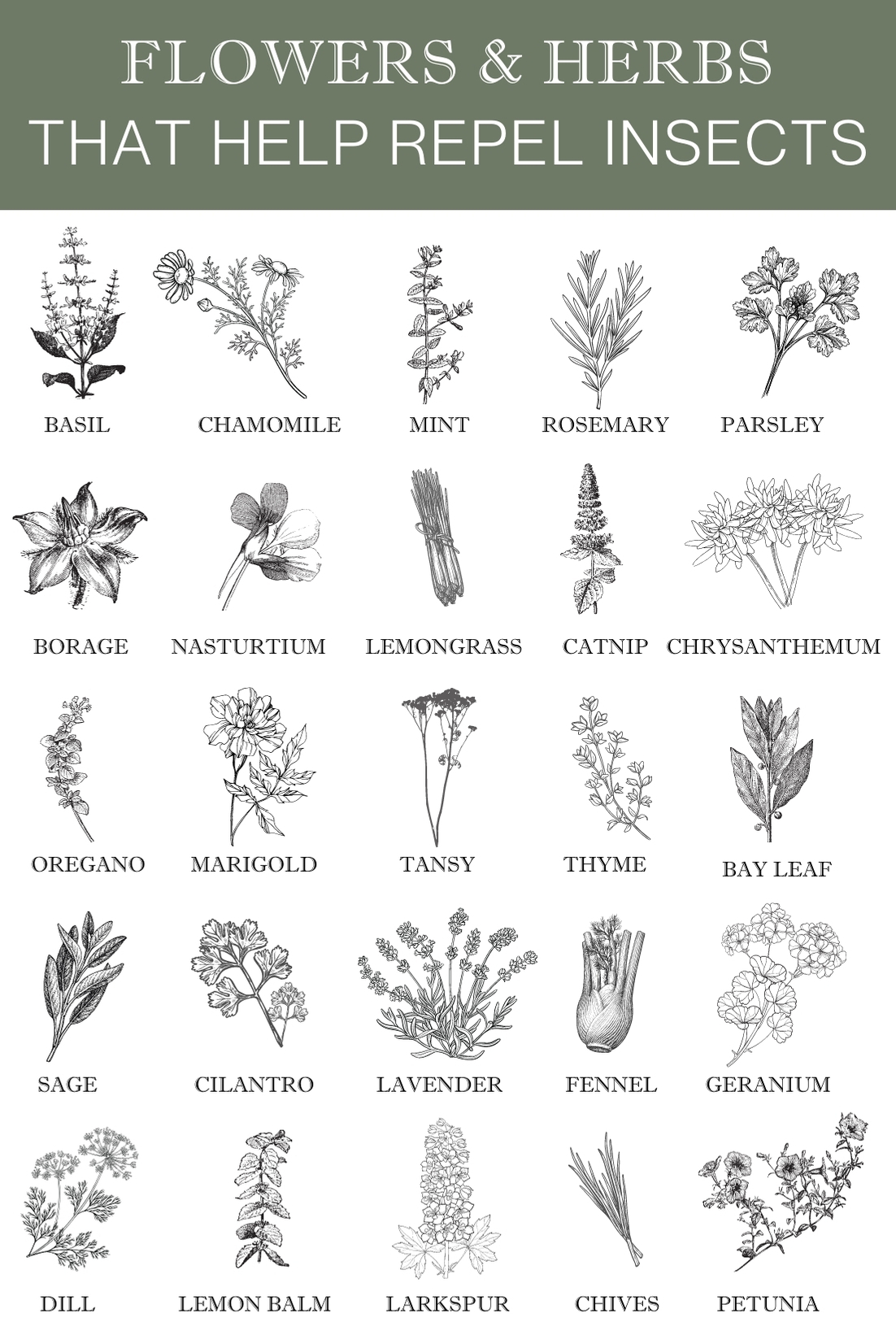
Rosemary is not only a popular culinary herb but also serves as a natural insect repellent. Several studies and anecdotal evidence suggest that rosemary can deter various pests due to its strong scent and chemical compounds. Here are some of the bugs that rosemary is known to repel:
1. Mosquitoes: Rosemary's strong aroma is unappealing to mosquitoes, making it an effective natural repellent.
2. Flies: Both houseflies and fruit flies may be deterred by the scent of rosemary, which disrupts their sensory perception.
3. Moths: The oil extracted from rosemary can repel moths, making it useful in protecting stored clothing and fabrics.
4. Aphids: These small pests often attack garden plants, but rosemary can help keep them at bay, promoting healthier gardens.
5. Spider Mites: Rosemary can also repel spider mites, which are known to damage a variety of plants.
Benefits of Using Rosemary as a Natural Insect Repellent
Using rosemary for pest control has several advantages that make it a preferred choice by many gardeners and homeowners.
See also:
- Non-toxic: Unlike chemical insecticides, rosemary does not pose a threat to humans or pets.
- Environmentally friendly: Rosemary can be cultivated easily, thus reducing reliance on synthetic chemicals that may harm the ecosystem.
- Dual-purpose: Rosemary can be used in cooking while also serving as a repellent, making it a multifunctional herb.
How to Use Rosemary for Pest Control
There are various methods for utilizing rosemary to repel insects effectively.
- Planting: Grow rosemary plants in your garden or in pots to naturally deter pests while enhancing the landscape.
- Essential oil sprays: Create homemade insect repellent sprays by diluting rosemary essential oil with water and a carrier oil.
- Dried rosemary sachets: Place dried rosemary in small sachets and hang them in closets or drawers to deter moths and other insects.
Comparative Effectiveness of Rosemary
Rice's effectiveness as an insect repellent compared to other herbs highlights its unique benefits.
- Stronger scent: Rosemary has a more potent aroma compared to other common herbs like mint or basil, making it more effective for repelling bugs.
- Long-lasting: The effects of rosemary as a repellent tend to last longer than those of some other natural options.
- Broad-spectrum: While some herbs repel specific insects, rosemary is known to deter a wider variety of pests.
Precautions When Using Rosemary
While rosemary is largely safe, there are some considerations to keep in mind when using it as a repellent.
- Allergies: Some individuals may have allergic reactions to rosemary; it’s crucial to conduct a patch test when using products that contain rosemary oil.
- Concentration: Always dilute essential oils appropriately to avoid skin irritation or adverse reactions.
- Environmental conditions: Effectiveness may vary based on environmental factors such as temperature and humidity.
Combining Rosemary with Other Natural Repellents
Rosemary can be used effectively in combination with other natural insect repellents to enhance its efficacy.
- Lavender: Combining rosemary with lavender oil can provide a stronger repellent effect against mosquitoes and flies.
- Peppermint: The scent of peppermint, when mixed with rosemary, can create a potent barrier against various pests.
- Eucalyptus: Together with eucalyptus oil, rosemary can help repel a wider array of insects, particularly mosquitoes.
What does rosemary attract and repel?

Rosemary (Rosmarinus officinalis) is not only a popular culinary herb, but it also has various effects on insects and plants in the garden. Understanding what rosemary attracts and repels can help gardeners make better choices for their garden ecosystems.
Attracting Beneficial Insects
Rosemary has the ability to attract several beneficial insects, which can aid in pest control and promote plant health.
- Pollinators: Rosemary attracts bees and other pollinators, which are essential for the pollination of many plants.
- Predatory insects: This herb can attract predatory insects such as ladybugs and lacewings, which feed on aphids and other harmful pests.
- Hoverflies: These insects are also attracted to rosemary and help control pest populations while pollinating flowers.
Repelling Common Pests
One of the primary benefits of growing rosemary is its ability to repel various common pests that can harm other plants.
- Spider mites: Rosemary's strong aroma is unappealing to spider mites, making it an excellent companion plant.
- Whiteflies: The presence of rosemary in the garden can deter whiteflies, which often infest other plants.
- Beetles: Some beetle species, such as the Japanese beetle, tend to avoid rosemary, making it a useful plant for natural pest management.
Companion Planting Benefits
Rosemary is often used in companion planting due to its unique abilities to create a favorable environment for certain plants.
- Improved growth: It has been observed that rosemary can enhance the growth of nearby plants, particularly those that thrive in dry conditions.
- Disease prevention: The aromatic oils from rosemary can deter disease-causing organisms in the soil, benefiting neighboring plants.
- Flavor enhancement: Some gardeners claim that plants grown next to rosemary, such as carrots and cabbage, exhibit improved flavors.
Effects on Other Herbs
Rosemary can have both positive and negative effects on other herbs and plants when grown nearby.
- Thyme: It pairs well with thyme, enhancing each other's flavors and growth when planted together.
- Basil: However, rosemary can inhibit the growth of basil due to competition for nutrients.
- Mint: Rosemary may also have a detrimental effect on mint plant growth, so careful placement is advised.
Natural Pest Management
Using rosemary in your garden contributes to natural pest management strategies, promoting healthier practices.
See also:
- Integrated pest management (IPM): Rosemary plays a crucial role in IPM by attracting good insects and repelling bad ones.
- Non-toxic solution: Its use as a natural repellent reduces the need for chemical pesticides, making it safer for the environment.
- Ecosystem balance: By encouraging a diverse range of organisms, rosemary contributes to a balanced ecosystem in the garden.
What does a rosemary plant keep away?

A rosemary plant (Rosmarinus officinalis) is known not only for its culinary uses but also for its potential benefits in keeping certain pests and animals away. The aromatic oils found in rosemary are thought to deter various insects and animals due to their strong scent and taste.
Natural Pest Repellent
One of the primary reasons for growing rosemary is its ability to serve as a natural pest repellent. The strong aromatic properties of rosemary can help keep various insect pests at bay.
- Mosquitoes: The scent of rosemary can interfere with the mosquitoes' ability to find hosts.
- Moths: Moths are deterred by rosemary when used in sachets or as a spray.
- Beetles: Certain beetles may avoid areas where rosemary is grown, resulting in less damage to plants.
Deterrent to Larger Animals
Rosemary can also act as a deterrent to larger animals such as rabbits and deer, which often munch on garden plants.
- Rabbits: The strong flavor and aroma of rosemary make it unappealing to rabbits.
- Deer: Deer tend to avoid rosemary, preferring sweeter and more palatable plants.
- Squirrels: The presence of rosemary may also reduce visits from squirrels looking for food.
Companion Plant Benefits
Growing rosemary as a companion plant can benefit other plants in the garden by deterring pests and attracting beneficial insects.
- Basil: Rosemary can help protect basil plants from pests such as aphids.
- Beans: It can deter harmful insects that may affect bean plants.
- Cabbage: Rosemary can protect cabbage from pests like cabbage moths.
Essential Oils as Natural Repellents
The essential oils extracted from rosemary have been studied for their repellent properties against various insects and pests.
- Cinnamaldehyde: This compound in rosemary oil is effective against many insect pests.
- Camphor: Found in rosemary oil, camphor acts as a potent insect repellent.
- Thujone: This compound may help repel pests such as termites and cockroaches.
DIY Repellent Solutions
Creating DIY repellent solutions using rosemary can be an effective way to manage pests in your home or garden.
- Rosemary Spray: Steep rosemary leaves in water to create a natural insect repellent spray.
- Herbal Sachets: Dried rosemary can be placed in sachets to deter moths and other insects.
- Infused Oils: Infusing oils with rosemary can create effective natural repellents for skin.
Questions from Our Readers
Does rosemary repel pests?
Rosemary is known to have properties that can help repel pests. Its strong scent can deter common insects such as mosquitoes and flies, making it a popular choice for natural pest control in gardens and homes.
How can rosemary be used to keep bugs away?
There are several ways to use rosemary for pest control, including planting it in gardens, using essential oil sprays, or even making a homemade repellent by steeping the leaves in water. These methods can effectively reduce bug presence around your living spaces.
Is rosemary effective against all types of bugs?
While rosemary can effectively repel many pests, it may not work on all types of bugs. Its efficacy tends to be stronger against flying insects and some crawling insects, but results can vary depending on the specific bug species.
Can rosemary be harmful to beneficial insects?
Rosemary is generally safe for beneficial insects, such as bees and butterflies, when used appropriately. Its repellent properties primarily target unwanted pests without significantly affecting beneficial populations, making it a useful companion plant in gardens.
See also:

If you want to read more articles like Does Rosemary Keep Bugs Away? Discover the Facts and Benefits, we recommend you check out our Herbs category.
Leave a Reply
Related Articles