What Not to Grow Next to Lavender? Avoid These Plants for a Thriving Garden!
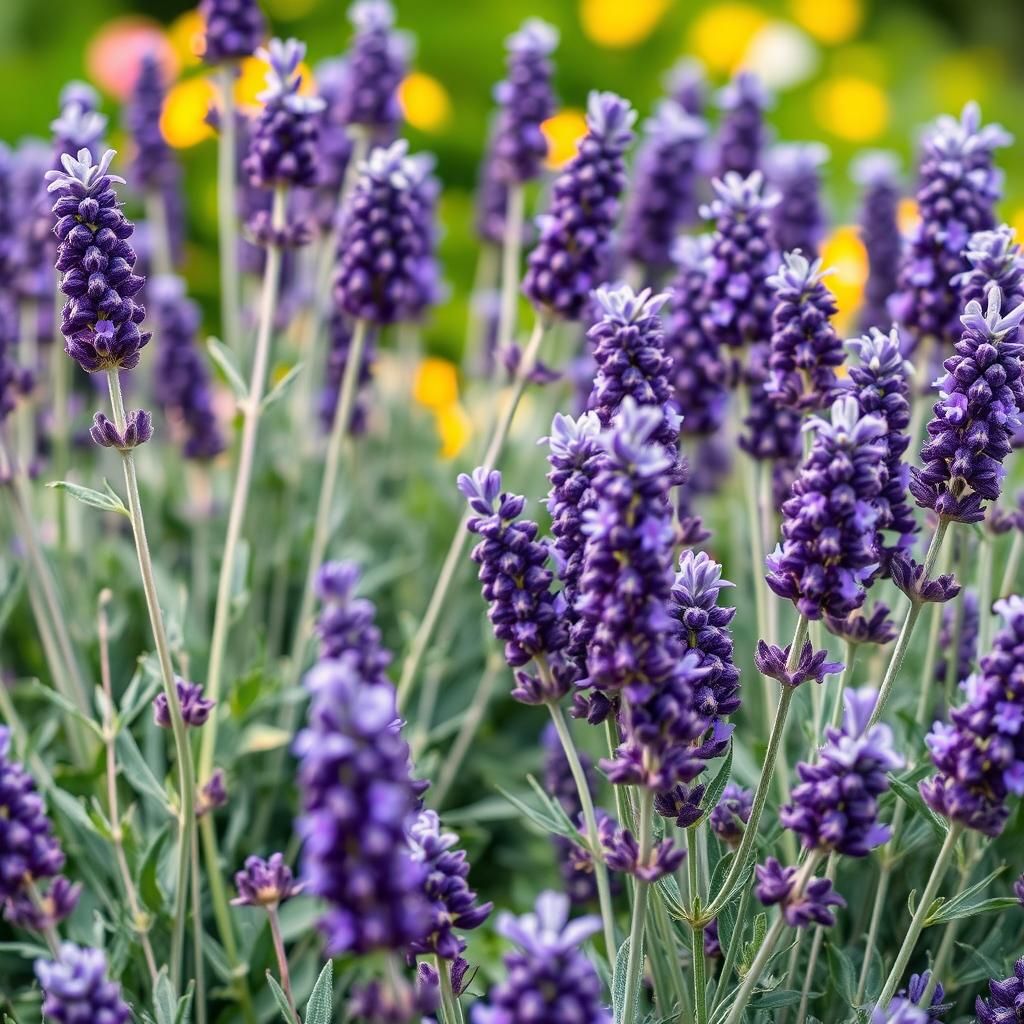
Lavender is a beloved herb known for its fragrant blooms and numerous benefits in gardens. However, not all plants thrive in its company. To ensure a flourishing garden, it’s essential to understand which plants can hinder lavender's growth or compete for resources. Certain species may struggle due to differing water, soil, or light requirements, leading to poor overall plant health. In this article, we will explore the plants that should be avoided when cultivating lavender, ensuring your garden remains vibrant and healthy. By making informed choices, you can create an ideal environment for lavender to flourish alongside its compatible companions.
What Not to Grow Next to Lavender?
When planning your garden, it's essential to consider the companionship of plants, especially when it comes to lavender. Lavender prefers well-draining soil and requires full sun, which makes it incompatible with certain plants. Species such as mint, basil, and rosemary can compete for nutrients and moisture, leading to poor growth for lavender. Additionally, plants that thrive in high humidity or shade, like fennel and sweet woodruff, can hinder lavender's flourishing. Consequently, choosing the right companions helps maintain a healthy and thriving garden ecosystem.
Mint
Mint is known for its aggressive growth habits, which can quickly overtake the space intended for lavender. It prefers a moist environment, while lavender thrives in dry conditions. Planting mint near lavender can lead to nutrient competition and stunted growth for both plants. Furthermore, the strong aroma of mint can overshadow the fragrant qualities of lavender.
Fennel
Fennel poses a threat to lavender due to its allelopathic properties, which means it can release substances that inhibit the growth of other plants in the vicinity. Lavender, needing sunlight and well-draining soil, can suffer when planted near fennel, as it can suppress lavender’s development and overall health. Moreover, fennel also prefers a high-moisture environment, conflicting with lavender’s requirements.
Sweet Woodruff
Sweet woodruff is another plant that thrives in shaded, moist environments, which contrasts sharply with lavender’s preference for sunny, dry areas. If planted nearby, sweet woodruff can create a damp microclimate that can lead to root rot or other diseases in lavender. The smaller, delicate nature of sweet woodruff also tends to outcompete lavender for essential nutrients.
See also:
Basil
While basil is a popular culinary herb, it tends to be more tolerant of moisture compared to lavender. This difference can cause competition for both water and nutrients, potentially stunting lavender’s growth. Basil also thrives in slightly shaded areas, which can lead to reduced sunlight exposure for lavender, further hampering its development.
Goldenrod
Goldenrod is a perennial that can spread rapidly and often thrives in moist soils, making it unsuitable to plant near lavender. The aggressive growth of goldenrod can overshadow lavender, leading to a lack of sunlight that lavender needs to thrive. Furthermore, goldenrod can attract pests that might also affect lavender, creating additional challenges for gardeners.
| Plant | Growth Habit | Soil Preference | Light Requirements |
|---|---|---|---|
| Mint | Aggressive | Moist | Full Sun |
| Fennel | Aggressive | Moist | Full Sun |
| Sweet Woodruff | Moderate | Moist | Partial Shade |
| Basil | Moderate | Moist | Partial Shade |
| Goldenrod | Aggressive | Moist | Full Sun |
Understanding Lavender's Growth Requirements
Lavender thrives in well-drained soil, prefers full sun, and requires a specific level of humidity. Therefore, plants that do not share these preferences can significantly hinder its growth and overall health. For example, plants that need consistent moisture or grow in shaded areas can compete with lavender for nutrients and water, resulting in stunted growth or even plant decline. By understanding lavender's unique needs, gardeners can avoid pairing it with plants that would otherwise disrupt its thriving condition in the garden.
Avoid Overly Moisture-Loving Plants
Plants such as fuchsia or hostas can absorb too much moisture, which is detrimental to lavender. These plants prefer wet soils and can lead to a damp environment that lavender simply doesn't thrive in. By planting these moisture-loving species nearby, you risk creating a root environment that encourages root rot and other fungal diseases that can negatively affect lavender's health and flowering.
Plants That Promote Shade
Certain plants, like trees or tall shrubs, can create a shaded environment that lavender does not favor. Since lavender needs full sunlight to develop properly and produce blooms, introducing shade-casting plants can inhibit its growth and flowering potential. Lack of proper light will lead to weak stems and sparse flowering, ultimately diminishing the charm that lavender brings to the garden.
See also:
Heavy Feeders and Nutrient Hogs
Companion planting with heavy feeders like tomatoes or cabbage can disrupt lavender’s nutrient uptake. These vegetables require a significant amount of nutrients from the soil, which may deplete the essential minerals needed for lavender's growth. As a result, lavender may not receive sufficient nutrients, leading to poorer health and reduced aromatic oils, which are crucial for its fragrance and flavor.
Pests Attractors
Certain plants such as cucumbers or squash can attract pests like aphids and whiteflies that may harm surrounding plants, including lavender. These pests can weaken lavender by feeding on its foliage, which leads to stress and a reduced ability to fight off diseases. Avoiding these plants is essential for maintaining a healthy garden ecosystem and ensuring that lavender remains vibrant and productive.
Plants with High Nitrogen Needs
Plants such as corn and asparagus, which have high nitrogen requirements, can create nutritional imbalances in the soil. Lavender, on the other hand, thrives in soil that is lower in nitrogen. The competition for nutrients may lead to lavender struggling for resources, making it less resistant to drought and disease. Therefore, it’s crucial to select companion plants that complement lavender’s specific needs rather than oppose them.
Questions from Our Readers
What plants should not be grown next to lavender?
It's best to avoid growing moisture-loving plants near lavender, such as basil, mint, and rosemary. These plants thrive in high humidity, which is contrary to lavender's preference for well-drained, dry conditions.
Why is it bad to plant certain species next to lavender?
Certain plants can compete for nutrients and moisture, which can hinder the growth of lavender. Overly damp conditions caused by incompatible plants can also lead to root rot and other diseases in lavender.
See also:
Can I grow vegetables near lavender?
While some vegetables can coexist with lavender, it's advisable to keep away plants like beans and peas, as they require more moisture. Lavender's drought resistance can stress these crops, limiting their productivity.
What are the benefits of growing lavender away from other plants?
Growing lavender away from other plants helps to maximize its growth potential by providing the dry conditions it thrives in. It also minimizes the risk of disease and pest infestations that can be exacerbated by moisture-loving companions.

If you want to read more articles like What Not to Grow Next to Lavender? Avoid These Plants for a Thriving Garden!, we recommend you check out our Garden category.
Leave a Reply
Related Articles