Do Herbs Like Coffee Grounds? Uncover the Benefits of Using Coffee in Your Garden

Are coffee grounds merely a waste product, or do they hold potential benefits for your garden? As gardeners seek sustainable and eco-friendly ways to enhance soil health, the use of coffee grounds has gained attention. This article will explore whether herbs truly enjoy the addition of coffee grounds, examining the nutrients and properties that may support herb growth. From enriching soil structure to repelling pests, coffee grounds could offer a unique boost to your gardening efforts. Join us as we uncover the advantages of incorporating this everyday substance into your herb garden and how it can transform your gardening experience.
Do Herbs Like Coffee Grounds?
Coffee grounds can be a beneficial addition to your herb garden. Many herbs appreciate the slightly acidic pH of coffee grounds, which can help improve soil structure and drainage. Additionally, the organic matter found in coffee grounds can enhance soil fertility, providing essential nutrients such as nitrogen, phosphorus, and potassium. However, it is essential to use coffee grounds in moderation, as excessive amounts can lead to potential issues like soil compaction or nutrient imbalance. Overall, incorporating coffee grounds into your herb gardening routine can support healthier growth and vibrant flavors.
Benefits of Coffee Grounds for Herbs
Coffee grounds serve as an excellent organic amendment that can enhance soil health for herb plants. They supply vital nutrients, especially nitrogen, which is crucial for leafy growth. Furthermore, these grounds can attract beneficial microbes that improve soil life, making it more conducive for herbs to thrive. Moreover, coffee grounds can help retain moisture in the soil, reducing the need for excessive watering and allowing herb plants to establish strong roots.
Which Herbs Prefer Coffee Grounds?
Certain herbs thrive better with the addition of coffee grounds due to their specific soil nutrient requirements and pH preferences. For example, basil, sage, and rosemary tend to perform well when coffee grounds are mixed into the soil. These herbs benefit from the acidity, which can enhance their flavor profiles and growth rates. Others like mint may also enjoy the organic boost but should be used cautiously to prevent overwhelming the plant with too much acidity.
How to Apply Coffee Grounds to Herbs
To effectively use coffee grounds in your herb garden, it’s important to apply them correctly. It is best to mix the grounds with other organic materials or compost, ensuring they are evenly distributed throughout the garden bed. A general guideline is to use no more than 25% coffee grounds in your soil mix to avoid potential issues. Regularly monitor your herbs' growth and soil condition to determine if adjustments are needed for optimal health.
Potential Risks of Using Coffee Grounds
While coffee grounds can be beneficial, there are potential risks involved. Applying too many coffee grounds can lead to compaction, which restricts root growth and water penetration. Additionally, overuse can create an imbalance in soil nutrients, particularly an excess of nitrogen, which might hinder flower production in certain herbs. It's crucial to balance the application of coffee grounds with other organic matter to maintain healthy soil dynamics.
Composting Coffee Grounds for Herbs
If you want to maximize the benefits of coffee grounds for your herbs, composting is an excellent option. Composting allows the coffee grounds to break down and integrate with other organic materials, creating a nutrient-rich humus that provides a balanced source of nutrition for your herbs. Mixing coffee grounds with carbon-rich materials like dried leaves or straw will help alleviate any potential acidity issues and eliminate the risk of compaction.
| Herb | Preferred Conditions | Benefits from Coffee Grounds |
|---|---|---|
| Basil | Slightly acidic soil | Enhances leaf growth |
| Sage | Well-drained soil | Improves flavor profile |
| Rosemary | Dry conditions | Promotes strong root system |
| Mint | Moist, fertile soil | Boosts growth when used cautiously |
| Parsley | Nutrient-rich soil | Supports overall health |
Which herbs don't like coffee grounds?
Coffee grounds can be a useful addition to the garden, but not all herbs benefit from them. Some herbs react negatively to the acidity and nutrient content of coffee grounds, which can inhibit their growth or alter their flavor. Here are some herbs that typically do not thrive well when coffee grounds are added to their soil.
1. Mint
Mint is a vigorous and easily adaptable herb that prefers rich, well-drained soil. However, adding coffee grounds can alter the pH balance and increase acidity, which can lead to stunted growth.
See also:
- Acidity Concerns: Mint thrives in slightly alkaline conditions.
- Growth Patterns: Excessive acidity may stunt root development.
- Flavor Changes: The taste of mint can be altered when grown in acidic soil.
2. Thyme
Thyme is another herb that favors well-drained, slightly alkaline soil. The introduction of coffee grounds can disrupt its natural growth conditions, leading to poor flavor and health.
- Sensitivity to pH: Thyme prefers a neutral to slightly alkaline pH.
- Root Health: Overly acidic soil can affect thyme's root systems.
- Decrease in Aroma: Thyme's aromatic properties may diminish under unsuitable pH levels.
3. Sage
Sage is known for its hardiness and adaptability but doesn’t do well in overly acidic environments. Coffee grounds can create a soil structure that sage does not prefer.
- Poor Soil Structure: Sage needs well-aerated soil without excessive moisture retention.
- Acidic Imbalance: Sage prefers lower acidity and might struggle with coffee grounds.
- Flavor Impact: Excess acidity can lead to a less potent flavor profile.
4. Rosemary
Rosemary thrives in dry, sandy soils and does not appreciate the damp, acidic environment that coffee grounds can create.
- Water Retention: Coffee grounds can hold moisture, which rosemary dislikes.
- Excessive Nutrients: High nitrogen levels from coffee grounds can cause unwanted growth.
- Flavor Reduction: The characteristic resinous flavor of rosemary can be diminished.
5. Basil
While basil is not as affected as some other herbs, it can still suffer from the acidity brought by coffee grounds. Basil prefers well-drained soil, and too much coffee can disrupt its growth.
- Soil Preferences: Basil prefers slightly acidic to neutral soil.
- Growth Rate: Coffee grounds may slow down growth if used in excess.
- Flavor Quality: The aromatic qualities of basil can be compromised in highly acidic conditions.
Which plants cannot use coffee grounds?

Coffee grounds are often considered a beneficial addition to compost and a natural fertilizer for various plants. However, certain plants do not benefit from coffee grounds and may even be harmed by their use. Here are some plants that should be avoided when adding coffee grounds to their soil.
1. Acid-Loving Plants
Acid-loving plants thrive in an acidic environment, and coffee grounds can alter the pH levels of soil. Some examples include:
- Blueberries: Preferring acidic soil, coffee grounds may not provide the ideal balance for their growth.
- Azaleas: These flowering shrubs thrive in highly acidic conditions but can experience nutrient imbalances if coffee grounds are added excessively.
- Rhododendrons: Similar to azaleas, they prefer a low pH, making coffee grounds potentially detrimental if used improperly.
2. Plants Sensitive to Nitrogen
Some species are sensitive to increased nitrogen levels, which can result from coffee grounds. High nitrogen content in soil could lead to issues like overgrowth or stunted development. Examples include:
- Carrots: High nitrogen levels can cause them to grow forked or misshapen.
- Turnips: Similar to carrots, excessive nitrogen leads to poor root formation.
- Radishes: Increased nitrogen may also result in a lack of root flavor and texture.
3. Certain Herbs
Some herbs do not react well to the acidity and nitrogen provided by coffee grounds. These include:
- Mint: Coffee grounds can inhibit its growth and alter flavors.
- Thyme: Preferring alkaline soil, thyme may struggle in coffee ground-treated environments.
- Sage: High nitrogen levels can negatively impact its growth and essential oil production.
4. Bulbous Plants
Certain bulbous plants may not tolerate the high acidity of coffee grounds. They can experience poor growth and blooming if coffee is added:
See also:
- Daffodils: These may suffer from bulb rot if the soil becomes too acidic.
- Tulips: Can thrive in neutral to slightly alkaline soils; coffee grounds may disrupt their growth.
- Onions: Coffee grounds can lead to fungal issues and stunted growth.
5. Houseplants with Specific pH Needs
Some houseplants require precise pH levels to thrive, and coffee grounds can disrupt these conditions. For instance:
- Spider Plant: Preferring slightly acidic to neutral soil, coffee can throw its balance off.
- Pothos: Sensitive to pH changes, coffee grounds could impede its vitality.
- Peace Lily: While adaptable, they prefer a balanced approach to soil additives, making overuse of coffee grounds unsafe.
What plants benefit the most from coffee grounds?
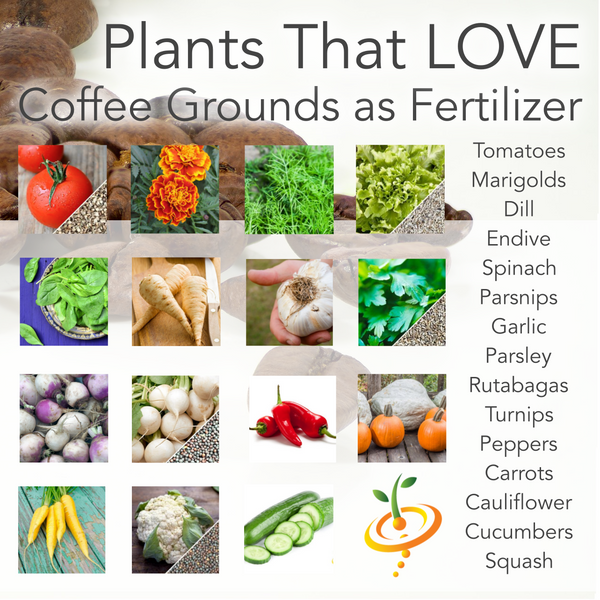
Coffee grounds are a fantastic resource for gardening, offering numerous benefits to various plants. Rich in nutrients such as nitrogen, phosphorus, and potassium, coffee grounds can improve soil structure, enhance moisture retention, and even repel pests. Here are some plants that particularly benefit from the addition of coffee grounds to their soil.
1. Vegetables
Vegetables that thrive in slightly acidic conditions, like tomatoes and carrots, often benefit from the use of coffee grounds. Coffee grounds can help enrich the soil with nutrients that promote healthy growth.
- Tomatoes: These plants enjoy a slightly acidic pH, making coffee grounds an excellent addition.
- Carrots: The extra nutrients can help increase root growth for a better yield.
- Radishes: The stimulation from coffee grounds can lead to faster germination rates.
2. Acid-Loving Plants
Plants that thrive in acidic soil, such as blueberries or azaleas, can thrive with the addition of coffee grounds. The grounds provide organic matter and help lower the soil pH.
- Blueberries: These plants require acidic soil and appreciate the nutrients in coffee grounds.
- Azaleas: Coffee grounds support the necessary soil conditions for these beautiful flowering shrubs.
- Rhododendrons: They share similar soil requirements and benefit from the nutrient boost.
3. Ornamental Plants
Certain ornamental plants also greatly benefit from the addition of coffee grounds, which can improve their overall health and appearance.
- Roses: Coffee grounds can help enhance the blooms and strengthen the overall plant.
- Hollyhocks: The organic matter in the grounds supports vibrant flower production.
- Daylilies: Nutrient-rich soil can lead to enhanced growth and prolific blooming.
4. Herbs
Herbs are another category of plants that benefit significantly from coffee grounds, as they enjoy well-drained, nutrient-rich soil.
- Basil: Coffee grounds can boost nutrient availability and improve flavor.
- Mint: This herb grows well in enriched soil, and coffee grounds can help retain moisture.
- Cilantro: Adding grounds to the soil supports healthy growth and a robust flavor profile.
5. Composting
While not a specific plant, incorporating coffee grounds into compost can greatly benefit your entire garden by producing high-quality organic matter rich in nutrients.
- Enhancing Nutrient Content: Coffee grounds add nitrogen, which is crucial for composting.
- Improving Soil Structure: Well-mixed coffee grounds can help aerate compost, leading to better decomposition.
- Attracting Earthworms: Earthworms are attracted to coffee grounds, enhancing soil health and fertility.
Questions from Our Readers
Do herbs benefit from coffee grounds?
Yes, herbs can benefit from coffee grounds as a natural fertilizer. The grounds are rich in nitrogen, which is essential for plant growth, and they can help improve soil drainage and aeration. Additionally, the acidity of coffee grounds can enhance the growth of certain herbs that prefer acidic conditions.
How should coffee grounds be applied to herbs?
To apply coffee grounds to herbs, it is best to mix them into the soil or use them as a top dressing. Typically, using a small amount (about 1-2 tablespoons per plant) is recommended to avoid overwhelming the plants. This helps ensure that the nutrients are evenly distributed and can be readily absorbed by the herb's roots.
See also:
Can all herbs tolerate coffee grounds?
While many herbs can tolerate coffee grounds, not all will thrive with their use. Herbs like basil, mint, and oregano generally benefit, but herbs that prefer alkaline soil, such as rosemary and sage, may not respond well to coffee grounds. It’s important to assess the specific needs of each herb before incorporating coffee grounds into their care routine.
Are there any downsides to using coffee grounds on herbs?
There can be some downsides to using coffee grounds on herbs, particularly if used in excess. Over-application can lead to a build-up of acidity in the soil, which could harm plants that prefer neutral conditions. Additionally, coffee grounds may attract certain pests or lead to mold growth if they become too moist, so it’s crucial to use them judiciously.

If you want to read more articles like Do Herbs Like Coffee Grounds? Uncover the Benefits of Using Coffee in Your Garden, we recommend you check out our Herbs category.
Leave a Reply
Related Articles