What Herbs Should Be Avoided? Essential Guide to Safe Herb Use

Herbs have been used for centuries in culinary and medicinal practices, offering a wealth of benefits. However, not all herbs are safe for consumption or use, and some can even pose significant health risks. Understanding which herbs to avoid is crucial for anyone looking to incorporate them into their diet or wellness routine. This essential guide will outline the herbs that should be avoided due to their potential toxicity, adverse interactions, and contraindications. By educating ourselves about safe herb use, we can enjoy the benefits of nature’s bounty while safeguarding our health.
What Herbs Should Be Avoided?
When considering herbal remedies, it is essential to identify certain herbs that should be avoided due to their potential side effects or interactions with medications. Some herbs can cause adverse reactions, especially in individuals with underlying health conditions or those who are taking prescription medications. For instance, herbs like St. John's Wort may interfere with antidepressants, while comfrey can lead to liver damage when taken in large amounts. Understanding which herbs to avoid can help ensure a safer herbal experience.
St. John's Wort
St. John's Wort is a popular herb used for treating mild depression; however, it can interact negatively with various medications, including antidepressants and birth control pills. Its ability to induce liver enzymes can lead to decreased effectiveness of these drugs and may cause unwanted side effects. Patients should consult healthcare providers before using this herb.
Comfrey
Comfrey is commonly used in topical treatments for wounds and inflammation, but its oral consumption is highly discouraged due to the presence of compounds called pyrrolizidine alkaloids. These compounds can be toxic to the liver and may lead to serious health issues, including liver failure. Therefore, it is critical to avoid using comfrey internally.
Foxglove
Known for its beautiful flowers, foxglove contains compounds like digoxin, which are used in heart medications. However, foxglove itself is highly toxic, and even small amounts can cause severe side effects or fatalities. Using this herb without medical supervision can lead to serious cardiovascular problems.
Wormwood
Wormwood is often recognized for its role in absinthe, but it contains a chemical called thujone, which can be neurotoxic in large doses. Consuming wormwood can lead to seizures, hallucinations, or other discomforting symptoms. Thus, it should be strictly avoided unless prescribed by a qualified health professional.
Butterbur
While butterbur may help with migraines and allergies, it can contain harmful alkaloids that can damage the liver, especially in its unprocessed form. Therefore, it is crucial to select products that are specifically labeled as PA-free to ensure safety. Individuals with liver issues or those taking liver-damaging medications should avoid this herb entirely.
| Herb Name | Risks | Recommended Alternative |
|---|---|---|
| St. John's Wort | Interactions with medications | Valerian root |
| Comfrey | Liver toxicity | Calendula |
| Foxglove | Highly toxic | Hawthorn |
| Wormwood | Neurotoxic | Fennel |
| Butterbur | Liver damage | Ginger |
What herbs are unsafe?

Certain herbs can pose risks to health due to their toxic properties, interactions with medications, or potential adverse effects. Some herbs that are considered unsafe include:
1. Kava Kava: Often used for its sedative effects, kava kava can cause liver damage and has been linked to several cases of severe liver injury. It's important for individuals with liver conditions or those taking medications that affect the liver to avoid this herb.
2. Comfrey: This herb is used in topical formulations for its healing properties; however, it contains pyrrolizidine alkaloids, which can be hepatotoxic and carcinogenic when ingested. Comfrey should not be consumed in any form.
3. Ephedra (Ma Huang): Known for its stimulating effects, ephedra can lead to serious cardiovascular problems, including high blood pressure, heart attack, and stroke. Its use in dietary supplements has been banned in several countries.
4. Wormwood: Commonly known for its use in absinthe, wormwood contains thujone, which can be toxic in large amounts, leading to seizures and hallucinations. It is not recommended for medicinal use.
5. Borage: Although traditionally used for its anti-inflammatory properties, borage leaves and seeds contain pyrrolizidine alkaloids that pose a risk of liver damage. It should be avoided, especially in high doses.
Dangers of Kava Kava
Kava kava is a herb derived from the root of the kava plant, and it’s primarily consumed for its calming effects. However, its potential hepatotoxicity makes it a concern.
- Kava can be harmful, particularly when consumed in large quantities or for prolonged periods.
- Individuals with liver disorders or those taking other medications should avoid kava due to the risk of compounded liver damage.
- Healthcare providers may recommend alternative methods for managing anxiety or stress that do not pose a risk to liver health.
Risks Associated with Comfrey
Comfrey has been used historically for treating wounds and bruises, yet its internal consumption is dangerous.
See also:
- Its active compounds, known as pyrrolizidine alkaloids, can cause serious liver damage and may even lead to cancer.
- Comfrey is particularly harmful to children and should never be administered to them.
- Safe, non-toxic alternatives are available for healing and should be prioritized over comfrey.
Consequences of Using Ephedra
Ephedra has gained notoriety, particularly in weight loss supplements, for its stimulant effects but poses significant health risks.
- Because it raises blood pressure and heart rate, it can lead to severe cardiovascular complications.
- Due to these risks, it has been banned in many regions, underscoring the dangers of herbal stimulants.
- Individuals seeking weight loss alternatives should consult with healthcare professionals to find safer options.
Wormwood: A Hallucinogenic Herb
Wormwood, frequently associated with absinthe, poses risks due to its active component, thujone.
- Thujone can be poisonous in large doses, leading to symptoms like seizures, confusion, and hallucinations.
- The use of wormwood is strongly discouraged, especially for pregnant women or those with epilepsy.
- While some may seek out the herb for its purported benefits, safer herbal alternatives are recommended.
Potential Dangers of Borage
Borage is often used for its anti-inflammatory effects; however, its safety profile is questionable.
- This herb contains toxic pyrrolizidine alkaloids, making it unsuitable for any therapeutic use.
- Long-term consumption of borage may lead to serious liver damage, emphasizing the need for caution.
- Choosing safer herbal options can provide benefits without the associated risks of borage.
What herbs are hard on your kidneys?
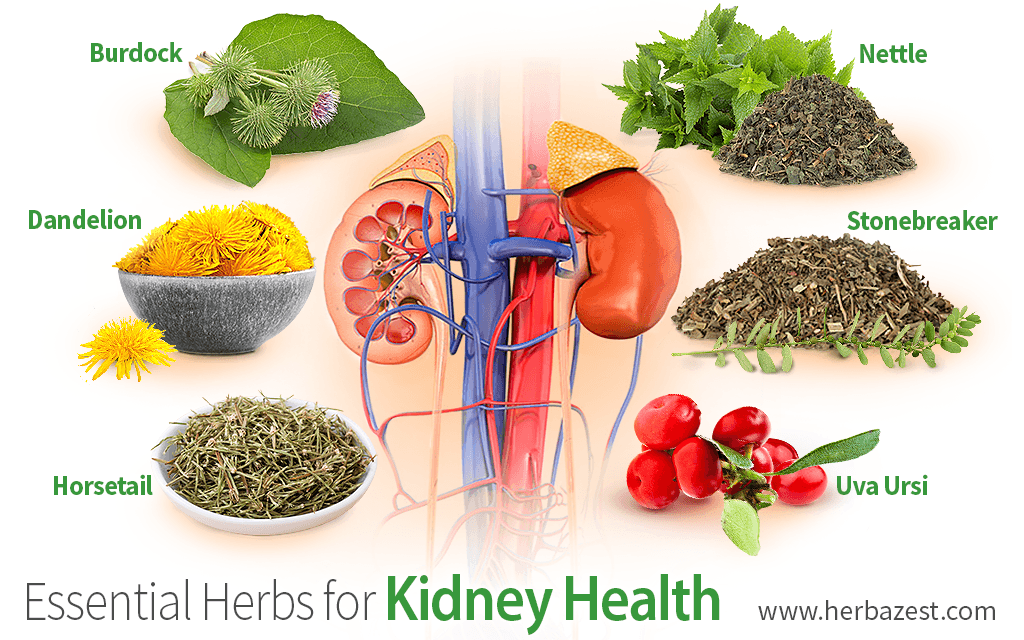
Certain herbs can be detrimental to kidney health, particularly if consumed in large quantities or over extended periods. Here are some of the herbs known to have adverse effects on the kidneys:
1. Horsetail (Equisetum arvense): This herb contains thiaminase, which can lead to thiamine deficiency. It may also lead to potassium loss and potentially kidney damage if taken excessively.
2. Cinnamon (Cinnamomum verum): While in moderation, cinnamon can be beneficial, high amounts of coumarin found in cassia cinnamon can be harmful, especially to kidney health. It may increase the risk of developing kidney issues in susceptible individuals.
3. Germander (Teucrium chamaedrys): This herb has been associated with renal toxicity. Its consumption can lead to serious complications, including acute kidney injury due to its potential to produce harmful substances during metabolism.
4. Juniper Berries (Juniperus communis): Despite being used traditionally for various ailments, excessive intake can stimulate kidney function excessively, which can be problematic for those with existing kidney conditions. This can lead to dehydration or increases in blood pressure.
5. Dandelion (Taraxacum officinale): While often praised for its diuretic properties, overconsumption may lead to electrolyte imbalances or strain on the kidneys, particularly in individuals who already have kidney disease.
Horsetail and Kidney Health
Horsetail is an herb that has been linked with diuretic properties, which can potentially lead to dehydration and strain on the kidneys. Its use, especially in concentrated forms, should be approached with caution to avoid toxic effects.
- Contains thiaminase, affecting vitamin B intake.
- May cause potassium loss, leading to muscle weakness and arrhythmias.
- Excessive amounts pose a risk of kidney damage.
Cinnamon Risks for Renal Health
Cinnamon, particularly the cassia variety, contains high levels of coumarin which can pose risks to kidney health if overconsumed. Coumarin is known for its potential to cause liver and kidney damage.
- High doses can lead to kidney damage.
- May interact negatively with certain medications.
- Important to consume only in moderation and preferably choose Ceylon cinnamon.
Germander's Toxicity
Germander is recognized for its liver and kidney toxicity, presenting a high risk if consumed without proper guidance. Its use has diminished due to the availability of safer alternatives for herbal remedies.
- Highly toxic and can cause acute kidney injury.
- May lead to hepatotoxic effects.
- Should be avoided especially by those with pre-existing conditions.
Effects of Juniper Berries
While Juniper berries are often used for their supposed health benefits, they can cause excessive diuresis. For people with compromised kidney function, this can be dangerous, leading to potential dehydration and electrolyte imbalances.
- Can exacerbate certain kidney conditions.
- May increase blood pressure due to high diuretic effect.
- Moderation is key in consumption to prevent adverse effects.
Dandelion Herb's Diuretic Properties
Dandelion is commonly used for its detoxifying effects but can be harmful in excessive amounts. Its strong diuretic properties can lead to dehydration and disturbed electrolyte balance, posing risks to kidney health.
- Can cause electrolyte imbalances if overconsumed.
- Diuretic effect may strain kidneys, especially in individuals with existing issues.
- Best used in moderation and with medical guidance in case of kidney disease.
What herbs are toxic to the liver?
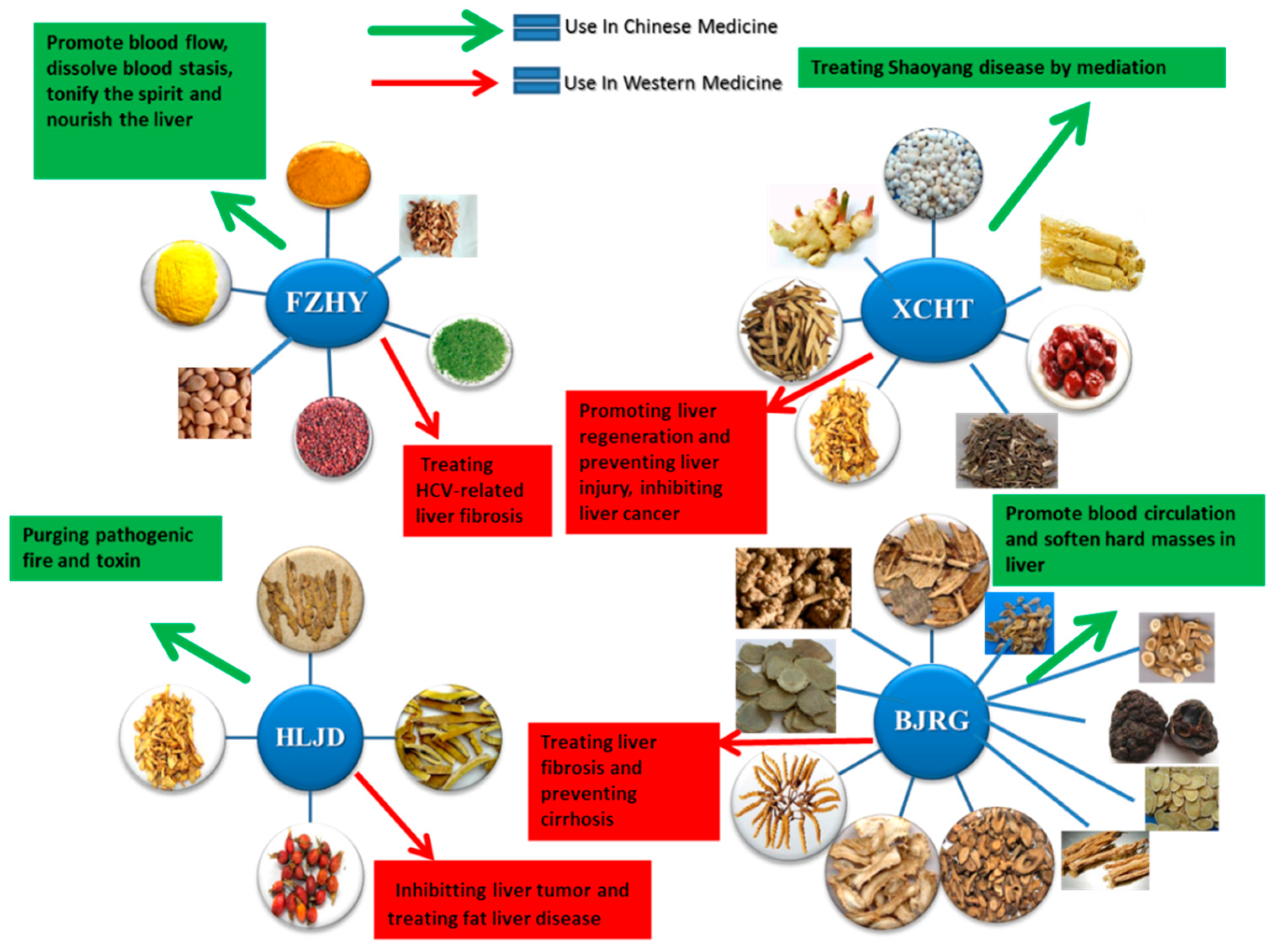

Certain herbs are known to be toxic to the liver, primarily due to their specific compounds that can induce liver damage. Understanding these herbs can help prevent potential health risks associated with their use.
1. Kava
Kava, a traditional beverage in the South Pacific, is made from the root of the kava plant. Although it is used for its calming effects, it has been linked to severe liver problems, including hepatitis and liver failure. The main concern is that kava can be toxic in high doses or when used for prolonged periods.
- Usage Duration: Prolonged use of kava increases the risk of liver toxicity.
- Dosage: High doses are particularly harmful and should be avoided.
- Symptoms of Liver Damage: Signs may include jaundice, fatigue, and dark urine.
2. Comfrey
Comfrey is often used for its anti-inflammatory properties, but it contains pyrrolizidine alkaloids, which can cause serious liver damage. The consumption of comfrey can lead to veno-occlusive disease, a condition where small blood vessels in the liver become blocked.
- Pyrrolizidine Alkaloids: These compounds are the primary reason for its hepatotoxicity.
- Health Risks: Potentially results in liver cirrhosis or even worse conditions.
- Forms of Comfrey: Both oral and topical forms can pose risks, especially true for the oral consumption.
3. Chaparral
Chaparral, a shrub native to the southwestern United States, has been used traditionally for its medicinal properties. However, it has been associated with liver toxicity and the development of liver disease. The active compounds in chaparral can cause liver damage even after short-term use.
- Active Compounds: Nakassurol and other compounds can be harmful.
- Reported Illnesses: Case reports have documented instances of toxic hepatitis.
- Usage Advice: Should be avoided, especially by individuals with pre-existing liver conditions.
4. Pennyroyal
Pennyroyal, a member of the mint family, has been traditionally used for its aromatic properties. However, it contains pennyroyal oil, which can be extremely toxic to the liver and has been involved in cases of acute liver failure in several incidences.
- Oil Concentration: The concentrated oil form is more toxic than the natural herb.
- Manifestations of Toxicity: Symptoms include nausea, vomiting, and jaundice.
- Regulatory Status: Use of pennyroyal is banned in food products in many countries due to its toxicity.
5. Aloe Vera (Certain Forms)
While Aloe Vera is well-known for its soothing properties, it is important to note that certain forms, particularly aloe vera latex, can be toxic to the liver. The ingredient aloins found in the latex can lead to liver damage if consumed in large amounts.
- Aloin Content: High levels of aloin in the latex can cause toxicity.
- Potential for Liver Damage: Long-term consumption is linked to hepatotoxic effects.
- Safe Use Tip: Use only the gel from the leaf, avoiding latex to minimize risks.
What herbs cannot be together?

When considering the cultivation and use of herbs, it's important to know that not all herbs can coexist harmoniously. Some herbs can inhibit the growth of others or alter their flavor profiles dramatically. Here’s a detailed look at which herbs should not be planted or used together.
Companion Planting Basics
Understanding companion planting is crucial for herb gardening. Certain plants thrive when paired together, while others may hinder each other's growth. Here are some guidelines:
- Compatibility: Herbs that promote growth can be planted together.
- Inhibiting Effects: Some herbs release chemicals that prevent neighboring plants from growing.
- Pest Control: Certain combinations can help repel pests, benefitting all plants involved.
Herbs That Should Not Be Planted Together
There are specific herbs that should be avoided in close proximity due to their negative interactions. Here’s a list of common combinations to avoid:
- Basil and Rue: Rue can inhibit basil growth; their flavors may also clash.
- Mint and Other Herbs: Mint is highly invasive and can overpower other herbs.
- Chives and Beans: Chives can stunt bean growth, leading to poor yields.
Impact on Flavor Profile
Some herbs not only affect each other’s growth but can also change the flavor of dishes. For example:
- Thyme and Oregano: Both have strong flavors; planting them together can cause an overpowering taste in meals.
- Rosemary and Basil: Their contrasting flavors may not work well in culinary applications.
- Sage and Parsley: Sage has a strong flavor that can overtake the more delicate parsley.
Common Garden Missteps
Missteps in herb gardening can lead to poor results. Here are some common mistakes:
- Ignoring Growth Habits: Some herbs grow much larger than others, overshadowing weaker plants.
- Not Considering Soil Requirements: Different herbs may prefer different types of soil, affecting their growth.
- Overcrowding: Planting too many herbs in a small area can lead to competition for nutrients.
Managing Herb Relationships
To mitigate conflicts among herbs, consider these management techniques:
- Separate Planters: Utilize pots for aggressive herbs like mint to contain their growth.
- Rotational Planting: Change the location of certain herbs each season to minimize soil depletion.
- Observation: Regularly monitor the growth and health of herbs to identify issues early.
Questions from Our Readers
What herbs should be avoided during pregnancy?
Pregnant women should avoid certain herbs such as sage, rosemary, and fenugreek due to potential risks of uterine contractions or complications. It is crucial to consult with a healthcare provider before using any herbal remedy during pregnancy.
Are there any herbs that interact with medications?
Yes, several herbs can interact with medications, including St. John's Wort, which can reduce the effectiveness of certain antidepressants and birth control pills. Always inform your healthcare provider about any herbs you are taking to avoid adverse interactions.
What herbs might cause allergies or sensitivities?
Common herbs like oregano, basil, and chamomile can trigger allergies in some individuals. If you have known allergies, it is important to be cautious and conduct a patch test before introducing new herbs into your diet.
See also:
Which herbs should be avoided for certain medical conditions?
Individuals with liver conditions should avoid herbs such as kava and pennyroyal, as they can exacerbate liver issues. Consult your physician to ensure that any herbal remedies are safe based on your specific health conditions.

If you want to read more articles like What Herbs Should Be Avoided? Essential Guide to Safe Herb Use, we recommend you check out our Herbs category.
Leave a Reply
Related Articles