Is Rosemary a Perennial Plant? Discover Its Growing Conditions and Care Tips!

Rosemary is a beloved herb known for its aromatic leaves and culinary versatility. As a popular choice among gardeners, many wonder whether rosemary is a perennial plant and how to effectively cultivate it. Understanding its growth conditions and care tips is essential for ensuring a thriving rosemary plant in your garden. This article will explore the perennial nature of rosemary, its ideal growing environments, and expert advice on how to nurture it for optimal growth. Whether you're a novice gardener or an experienced green thumb, you'll find valuable insights to help you successfully grow this resilient herb.
Is Rosemary a Perennial Plant?
Rosemary (Salvia rosmarinus), commonly known for its culinary and aromatic properties, is indeed a perennial plant. This means that it can live for more than two years, flourishing year after year under suitable conditions. Rosemary typically thrives in well-drained soil, requires plenty of sunlight, and can survive in various climates, making it a popular choice for gardens and landscapes. Its ability to retain its foliage throughout the year, particularly in temperate and Mediterranean climates, distinguishes rosemary from annual or biennial plants, which complete their life cycles in one or two years, respectively.
What is a Perennial Plant?
A perennial plant is defined as a plant that lives for three years or more, and unlike annuals, it does not die after one growing season. Instead, perennials typically go through a cycle of growth and dormancy, allowing them to come back each year. They can vary widely in type, size, and growth habit, and may be herbaceous or woody. The longevity of perennials often contributes to the stability and structure of gardens, as they provide reliable foliage and blooms season after season.
Growing Conditions for Rosemary
Rosemary flourishes in well-drained soil, and while it prefers slightly alkaline conditions, it can adapt to various soil types. This perennial herb thrives in full sunlight, requiring at least six hours of direct sunlight daily, which promotes healthy growth. Additionally, rosemary is drought-resistant; therefore, overwatering should be avoided, as it can lead to root rot. Ideal growing temperatures range from 60°F to 70°F (15°C to 21°C), which allows rosemary to develop robustly.
Life Cycle of Rosemary
The life cycle of rosemary involves different growth stages. Initially, it begins as a small seed or cutting, transitioning to a seedling phase. As it matures, it develops into a mature plant that can potentially last for years. During the growing season, rosemary produces new growth and flowers, typically blooming in late spring or summer. Its ability to continue growing and regenerating each year reinforces its classification as a perennial plant.
Common Varieties of Rosemary
There are several varieties of rosemary, each exhibiting unique characteristics. The most popular ones include 'Tuscan Blue', known for its tall growth and blue flowers, and 'Prostrate', which features a trailing habit suitable for ground cover. Additionally, 'Arp' is recognized for its hardiness in colder climates, making it an excellent choice for gardeners in less favorable weather. Each variety maintains the fundamental perennial traits of rosemary while offering distinct visual and aromatic qualities.
Uses and Benefits of Rosemary
Aside from being a culinary herb used to enhance flavors in various dishes, rosemary also boasts numerous health benefits. It is rich in antioxidants and has anti-inflammatory properties that can aid digestion and improve circulation. Additionally, rosemary essential oil is widely used in aromatherapy for its potential to enhance memory and concentration. Its versatility in both the kitchen and the wellness sphere emphasizes the enduring popularity of this perennial plant.
| Variety | Height | Flowers | Hardiness Zone |
|---|---|---|---|
| Tuscan Blue | 3-4 feet | Blue | 6-10 |
| Prostrate | 1-2 feet | Light blue | 7-10 |
| Arp | 2-3 feet | Pale blue | 5-10 |
Does rosemary come back every year?

Rosemary, scientifically known as Salvia rosmarinus, is a perennial herb that can indeed return every year under the right conditions. This means that once established, rosemary can survive winters and re-emerge in the spring, provided that it is planted in a suitable climate and has proper care. However, its hardiness varies based on the local climate, soil conditions, and care practices.
Growth Habits of Rosemary
Rosemary is generally known for its woody structure and can grow as a bush or a small shrub. Here are some key aspects of its growth habits:
- Perennial Nature: Unlike annuals, rosemary lasts for multiple seasons.
- Climate Dependence: Thrives in warm climates with mild winters.
- Soil Requirements: Prefers well-draining soil to prevent root rot.
Climate Conditions Favorable for Rosemary
Rosmarinus requires specific climate conditions for optimal growth. It is typically found in Mediterranean climates. Here’s what it prefers:
- Warm Temperatures: Needs a temperature range of 60°F to 80°F (15°C to 27°C).
- Low Humidity: Too much humidity can lead to fungal diseases.
- Full Sunlight: Requires at least 6-8 hours of direct sunlight daily.
Winter Care for Rosemary
To ensure rosemary returns every year, it must be adequately prepared for winter. Here are some tips for its winter care:
- Mulching: Applying mulch can protect the roots from freezing temperatures.
- Watering: Reduce watering in winter to avoid waterlogged soil.
- Indoor Housing: In colder areas, consider bringing pots indoors to shelter them.
Propagation of Rosemary
Rosemary can also be propagated easily, which increases the chances of it returning in different locations. Here are some common methods of propagation:
See also:
- Cuttings: Taking stem cuttings is an effective way to grow new plants.
- Seeds: Although slower, rosemary can be grown from seeds.
- Layering: Branches can be buried under soil to form new roots while still attached to the parent plant.
Pests and Diseases Affecting Rosemary
Being aware of pests and diseases is crucial to ensuring rosemary returns every year. Here are some common issues it may face:
- Fungal Infections: Overhead watering can lead to diseases like root rot.
- Pests: Look out for aphids and spider mites that may damage the plant.
- Sunburn: Sudden exposure to intense sunlight can scorch the leaves.
Can rosemary survive outside in the winter?
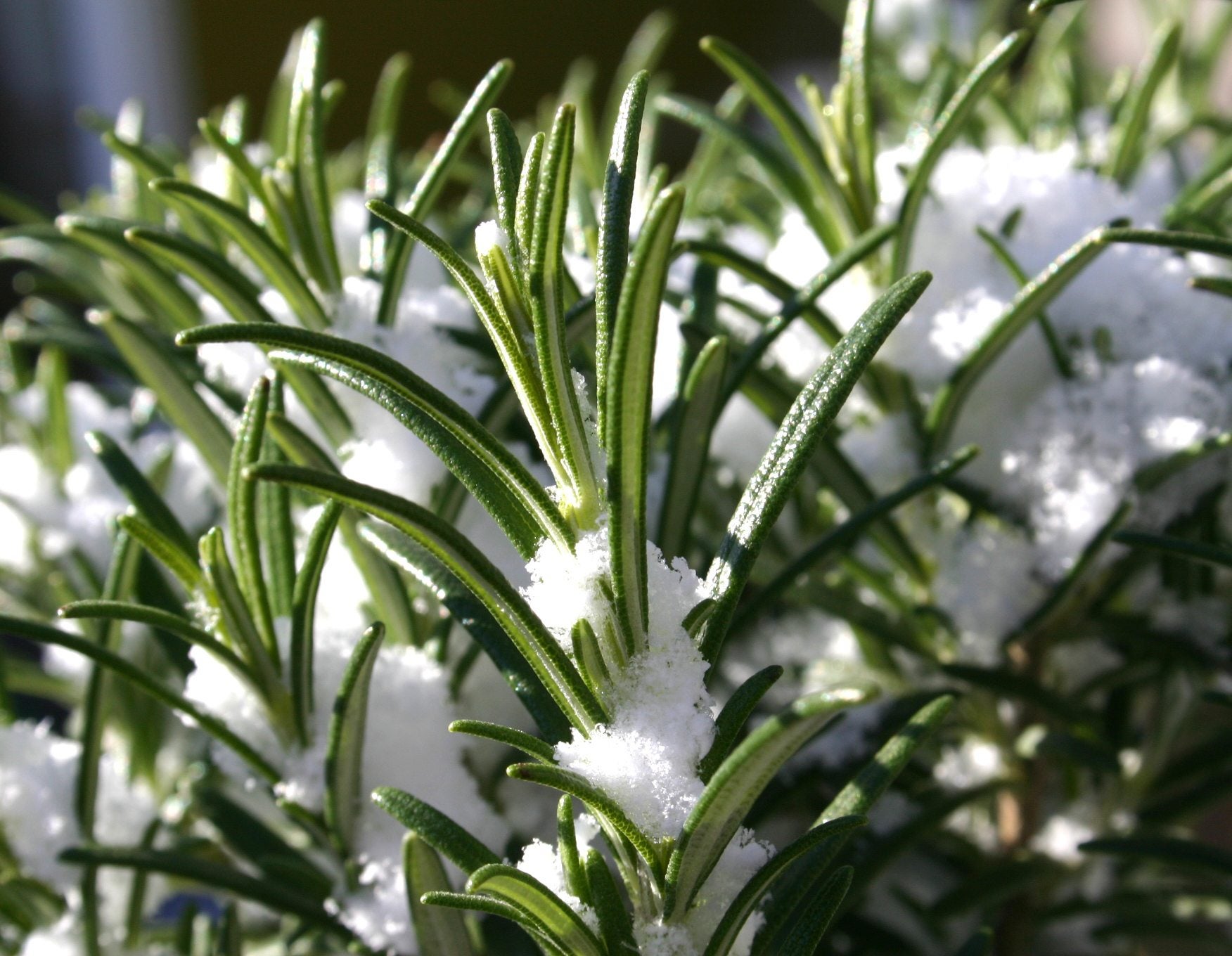
Rosemary is a hardy herb that can survive in various climates, but its ability to endure winter conditions outdoors largely depends on several factors, including the local climate and specific care practices. Here’s a detailed examination of whether rosemary can survive the winter season outside.
Understanding Rosemary’s Hardiness
Rosemary (Rosmarinus officinalis) is known for its resilience, but it is more suitable for certain USDA hardiness zones. Its ability to survive outdoors in winter conditions can be influenced by:
- Climate Zone: Rosemary typically thrives in USDA zones 7-10.
- Temperature Tolerance: It can handle brief periods of frost, but prolonged exposure to temperatures below 20°F (-6°C) can be damaging.
- Soil Drainage: Well-drained soil helps prevent root rot during wet winter months.
Winter Care for Rosemary Plants
To enhance the chances of rosemary surviving winter outdoors, certain care practices can be implemented. These include:
- Mulching: Applying a layer of mulch can help insulate the roots against freezing temperatures.
- Pruning: Light pruning before winter can remove dead or damaged stems, reducing stress on the plant.
- Watering: Ensuring the plant is well-watered before the freezing weather begins helps support its health.
Signs of Damage in Winter
While rosemary can survive winter, it is still vulnerable to cold damage. Keep an eye out for these signs:
- Browning Leaves: Leaves turning brown may indicate frost damage or dehydration.
- Stem Hardness: If the stems feel brittle or snap easily, they might be damaged by cold temperatures.
- Wilted Appearance: A droopy or wilted look during the winter can signal stress from cold exposure.
Alternatives for Colder Climates
In regions with harsher winter climates, consider these alternatives for cultivating rosemary:
- Container Gardening: Growing rosemary in pots allows for easy relocation during extreme cold.
- Greenhouse Cultivation: A greenhouse provides a controlled environment to maintain optimal growth conditions.
- Indoor Growth: Bringing rosemary indoors during winter ensures it remains protected from the cold.
Companion Planting for Rosemary
When growing rosemary outside during the winter, companion planting can provide additional benefits. Ideal companion plants include:
- Thyme: Shares similar growing conditions and helps deter pests.
- Oregano: Compatible in terms of water and light needs while enhancing flavor.
- Lavender: Both herbs thrive in similar environments and can share space effectively.
Where is the best place to plant rosemary?

To determine the best place to plant rosemary, it is essential to consider several environmental factors that suit its growth. Rosemary (Rosmarinus officinalis) thrives in regions that replicate its native Mediterranean climate, which is characterized by well-drained soil, ample sunlight, and moderate temperatures. Here are some detailed points to consider when choosing the perfect spot for your rosemary plants.
Soil Requirements
The type of soil you choose plays a crucial role in the health of your rosemary plants. Rosemary prefers well-draining soil that is slightly sandy or loamy. The soil should not retain excessive moisture, as this can lead to root rot.
- pH Level: Aim for a pH between 6.0 and 7.0.
- Organic Matter: Incorporate organic matter to improve soil aeration without making it too heavy.
- Drainage: Test drainage by watering the soil; it should dry out within a few hours.
Sunlight Exposure
Rosemary thrives with ample sunlight. Ideally, it requires at least 6-8 hours of direct sun per day to grow robustly.
- Location: Choose a south-facing site for optimal sunlight.
- Shade Considerations: Avoid areas with heavy shade, as this can stunt growth.
- Seasonal Changes: Be mindful of trees or structures that may cast shadows in different seasons.
Climate Considerations
Understanding your local climate is essential for successful rosemary cultivation. Rosemary is a drought-resistant herb that prefers a Mediterranean climate but can adapt to various environments.
See also:
- Temperature: Ideal temperatures range from 60°F to 80°F (15°C to 27°C).
- Frost Risk: In colder climates, consider planting rosemary in containers that can be moved indoors during frost.
- Humidity: Low to moderate humidity is best; high humidity can lead to fungal issues.
Container Planting
If ground planting is not feasible, rosemary can be effectively grown in containers. This method provides flexibility in positioning and care.
- Container Size: Choose pots that are at least 12 inches deep to accommodate root growth.
- Material: Use porous materials like terracotta to enhance drainage.
- Placement: Position containers on patios or balconies where they can receive full sun.
Companion Planting
When planting rosemary, consider its companionship with other plants, as this can enhance its growth and deter pests.
- Compatible Plants: Suitable companions include sage, thyme, and basil.
- Pest Control: Rosemary can repel certain pests, benefiting neighboring plants.
- Growth Promotion: Some plants enhance nutrient availability in the soil for rosemary.
Does rosemary plant spread?
Yes, the rosemary plant (Salvia rosmarinus) can spread under certain conditions. This perennial herb is known not only for its culinary uses but also for its aromatic scent and medicinal properties. The plant can spread through several mechanisms, including seed dispersal, vegetative propagation, and root growth. Here are some key factors influencing how rosemary spreads and some methods by which it can be propagated.
How Does Rosemary Spread?
The rosemary plant primarily spreads through both sexual and asexual reproduction.
- Seed Dispersal: Rosemary produces small seeds that, when mature, can be dispersed by wind or water. Under suitable environmental conditions, seeds can germinate and grow into new plants.
- Vegetative Propagation: Rosemary can also spread through cuttings, where a piece of the plant is rooted in the soil to grow into a new individual.
- Root Growth: Some species of rosemary may develop lateral roots that can give rise to new shoots, contributing to the plant's spread.
Factors Influencing Rosemary Spread
The spread of rosemary plants can depend on a few critical factors.
- Climate: Rosemary thrives in warm, dry conditions. In cooler or overly wet climates, its ability to spread can be limited.
- Soil Quality: Well-draining soil rich in nutrients can enhance the growth and spread of rosemary. Poor soil may inhibit its spread.
- Competition: The presence of other plants can impact how well rosemary spreads. Dominant species may restrict its growth and expansion.
Propagation Techniques for Rosemary
Several effective techniques can be employed for the propagation of rosemary, ensuring the plant can spread in desired areas.
- Stem Cuttings: Taking 4 to 6 inches cuttings from a healthy rosemary stem and placing them in damp soil can lead to successful rooting.
- Layering: Bending a low-hanging branch to the ground and covering part of it with soil can encourage it to root, making it a new plant.
- Seed Sowing: Seeds can be sown in early spring, but they require warmth and light for successful germination and establishment.
Maintenance and Care for Rosemary
To ensure successful growth and proliferation, rosemary plants require proper care and maintenance.
- Watering: Rosemary prefers dry conditions and should not be overwatered to prevent root rot, which can limit its ability to spread.
- Pruning: Regularly pruning rosemary encourages bushy growth and can promote the production of more cuttings, aiding in propagation.
- Fertilization: While rosemary thrives in nutrient-poor soils, a mild application of fertilizer in the spring can support active growth and enhance its spread.
Common Pests and Diseases Affecting Rosemary
Several pests and diseases can hinder the spread of rosemary if not managed effectively.
- Spider Mites: These tiny pests can damage rosemary leaves, inhibiting overall growth and spread. Regular inspection is essential.
- Powdery Mildew: This fungal disease can affect rosemary, particularly in humid conditions, leading to leaf drop and reduced health of the plant.
- Root Rot: Caused by overwatering or poor drainage, root rot can severely limit the plant's ability to spread and thrive.
Questions from Our Readers
Is rosemary a perennial plant?
Yes, rosemary is classified as a perennial plant. This means that it can live for multiple years, returning to grow each season without needing to be replanted.
What climate does rosemary thrive in?
Rosemary thrives in Mediterranean climates that provide full sun and well-drained soil. It prefers warm temperatures and can be sensitive to extremely cold weather.
How do you care for rosemary as a perennial?
To care for rosemary, ensure it receives plenty of sunlight and water it moderately. It is important to allow the soil to dry out between waterings, as overwatering can lead to root rot.
Can rosemary grow indoors as a perennial?
Yes, rosemary can be grown indoors as a perennial if it is provided with adequate light and proper care. Using a south-facing window can help meet its sunlight needs, and ensuring good drainage is essential for its health.
See also:

If you want to read more articles like Is Rosemary a Perennial Plant? Discover Its Growing Conditions and Care Tips!, we recommend you check out our Herbs category.
Leave a Reply
Related Articles