Essential Guide: What Herbs Do Not Come Back Every Year?

Gardening enthusiasts often cherish the idea of perennial herbs returning year after year, but not all herbs share this trait. Understanding which herbs do not come back annually is crucial for those looking to optimize their garden planning and maintain a vibrant herb selection. This essential guide delves into the world of non-perennial herbs, highlighting their unique characteristics, care requirements, and the importance of replanting them each season. Whether you're a seasoned gardener or a curious beginner, this article will provide valuable insights to help you make informed decisions about your herb garden.
Which Herbs Are Annuals and Do Not Return Each Year?
Many gardeners often wonder about the longevity of various herbs in their gardens, particularly which ones are annuals and will need to be replanted each season. Annual herbs complete their life cycle within a single growing season, germinating, flourishing, and dying all in a few months. Unlike perennials, which come back year after year, annual herbs must be replanted each spring or grown from seed. Common examples include basil, cilantro, dill, and chervil. These herbs offer vibrant flavors for culinary use but require consistent efforts to grow anew each year, as they are sensitive to frost and are not built to last beyond one growing cycle.
Understanding Annual Herbs
Annual herbs are those that live for only one growing season and must be replanted each year. Their life cycle begins with seed germination, followed by growth, flowering, and ultimately, the production of seeds before they die. This rapid cycle is advantageous for gardeners, as it allows for the introduction of new varieties each season and a renewed opportunity to experiment with different flavors and textures.
Popular Annual Herbs
Some of the most popular annual herbs include basil, which is loved for its aromatic leaves, cilantro, known for its distinctive flavor in various cuisines, dill, often paired with fish dishes, and chervil, prized in French cooking. Each of these herbs has unique growing conditions, such as sunlight requirements, watering needs, and soil preferences, making them interesting options for home gardening.
Cultivation Tips for Annual Herbs
To successfully grow annual herbs, gardeners should consider factors like soil quality, light exposure, and watering practices. It is ideal to start them indoors before the last frost or sow them directly in the garden once the threat of frost has passed. Regular pruning can help encourage bushier growth and prolong the harvest. Furthermore, ensuring they are planted in well-drained soil mixed with organic compost can significantly enhance their growth potential.
Replanting Strategies
Given that annual herbs do not return after their first season, gardeners must implement effective replanting strategies. This can involve saving seeds from the previous year, purchasing new plants at local nurseries, or starting seeds indoors to ensure a robust supply for the upcoming growing season. Moreover, staggered planting can provide a continuous harvest throughout the summer months, effectively maximizing yield.
Annual Herbs vs. Perennial Herbs
The primary difference between annual herbs and perennial herbs lies in their life cycles. While annual herbs complete their life cycle in a single year, perennial herbs can return year after year from the same root system. Examples of perennial herbs include rosemary, thyme, and sage. Understanding these differences helps gardeners decide which types of herbs to plant based on their gardening goals and the commitment they want to make.
| Herb | Type | Notes |
|---|---|---|
| Basil | Annual | Requires warm temperatures, thrives in sunlight. |
| Cilantro | Annual | Cool weather herb, flowers quickly in heat. |
| Dill | Annual | Attracts beneficial insects, like butterflies. |
| Chervil | Annual | Prefers shaded areas and cool weather. |
| Mint | Perennial | Spreads aggressively; great for ground cover. |
What is the mother of all herbs?
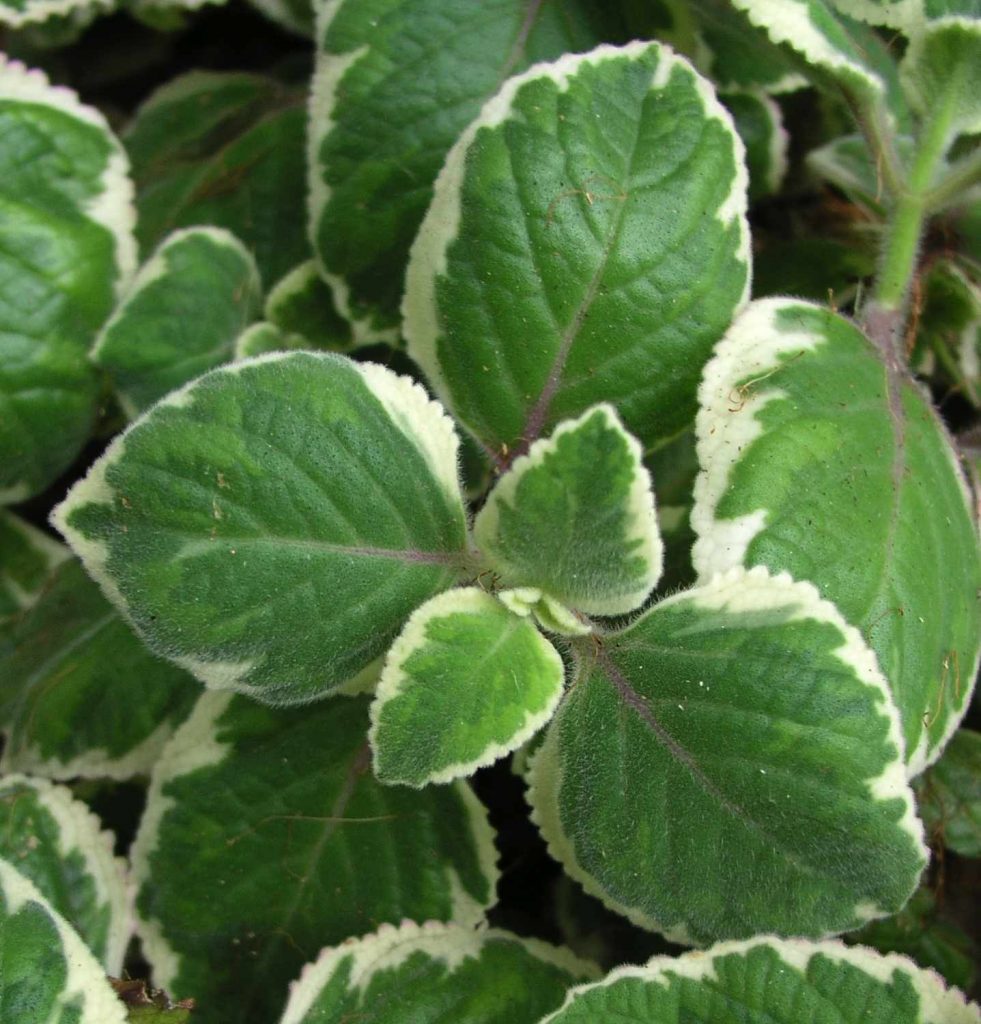
The term mother of all herbs is commonly attributed to Tulsi (Ocimum sanctum), also known as Holy Basil. This revered herb is highly esteemed in Ayurvedic medicine and has been used for thousands of years for its numerous health benefits and spiritual significance. Tulsi is often depicted as a sacred plant in Hindu culture, symbolizing purity and is frequently found in homes across India. Its versatile applications in health, fragrance, and culinary use mark it as a cornerstone of herbal remedies.
Health Benefits of Tulsi
Tulsi is renowned for its extensive health benefits, making it a powerful addition to any diet. Key benefits include:
- Antioxidant Properties: Tulsi is rich in antioxidants, which help combat oxidative stress and may reduce the risk of chronic diseases.
- Stress Relief: Known for its adaptogenic qualities, Tulsi helps the body cope with stress and enhances mood.
- Anti-inflammatory Effects: The anti-inflammatory compounds in Tulsi can help reduce inflammation in the body, aiding recovery and overall health.
Culinary Uses of Tulsi
In addition to its medicinal properties, Tulsi is also used in various culinary applications. Its unique flavor can enhance dishes in several ways:
- Herbal Tea: Tulsi leaves can be steeped in hot water to make a refreshing and beneficial herbal tea.
- Flavoring Agent: Fresh Tulsi leaves can be added to soups, salads, and sauces for a fragrant touch.
- Spice Blends: Ground Tulsi can be incorporated into spice blends for an aromatic and healthful ingredient.
Tulsi in Traditional Medicine
Tulsi holds a significant place in traditional healing systems, particularly Ayurveda. Its role includes:
- Immune Boosting: Tulsi is believed to enhance the immune system, making the body more resilient against infections.
- Respiratory Health: It has been traditionally used to treat respiratory disorders such as bronchitis and asthma.
- Digestive Aid: Tulsi can help alleviate digestive issues, including gas and bloating, by promoting digestion.
Cultivation of Tulsi
Growing Tulsi is not only rewarding but also relatively straightforward. Key aspects of cultivation involve:
See also:
- Optimal Conditions: Tulsi thrives in warm climates and well-drained soil, making it suitable for garden beds or pots.
- Sunlight Requirements: It requires full sun, ideally receiving at least 6 hours of sunlight daily for optimal growth.
- Watering Needs: Regular watering while avoiding waterlogging is crucial for maintaining healthy plants.
Cultural Significance of Tulsi
Beyond its health and culinary attributes, Tulsi possesses rich cultural significance, particularly in India. Its importance includes:
- Sacred Symbol: In Hinduism, Tulsi is considered a representation of purity and is often worshiped.
- Ritual Uses: It is commonly used in religious rituals and offerings, signifying respect and devotion.
- Social Bonds: Tulsi plants are often kept in homes and gardens as a means of fostering community and tradition.
Do rosemary and thyme come back every year?
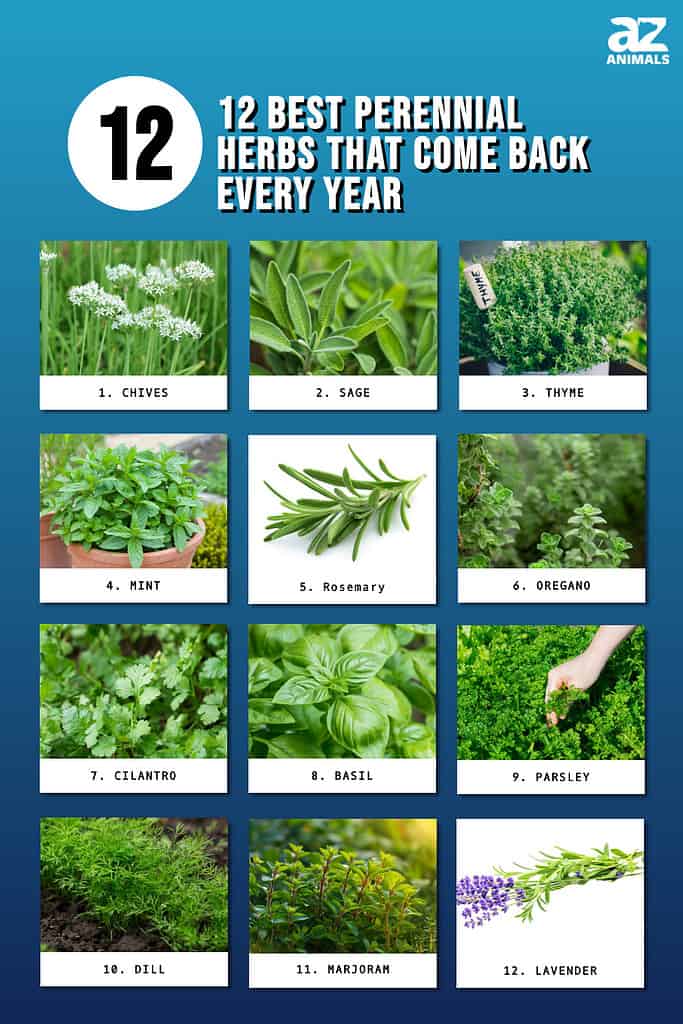
Rosemary and thyme are both perennial herbs, meaning they typically return year after year in suitable growing conditions. However, their ability to thrive and re-emerge largely depends on the climate, care, and growing environment.
Climate Considerations for Rosemary and Thyme
Both rosemary and thyme are native to the Mediterranean region, which influences their growing preferences. They prefer warm, sunny conditions with minimal humidity. Key climate facts include:
- Hardiness Zones: Rosemary is generally hardy in USDA zones 8-10, while thyme is a bit more adaptable, thriving in zones 4-9.
- Temperature Tolerance: Rosemary struggles with harsh winters, while thyme can withstand cooler temperatures.
- Sunlight Requirements: Both herbs thrive in full sun, requiring at least 6-8 hours of sunlight per day for optimal growth.
Soil and Watering Needs
The initial establishment of rosemary and thyme requires attention to soil composition and moisture levels. They prefer well-drained soil to avoid root rot. Consider the following:
- Soil Type: Sandy or loamy soils are ideal, as they provide good drainage and nutrients.
- Watering Frequency: Overwatering can lead to disease; allow the soil to dry out between waterings.
- Fertilization: Minimal fertilization is needed; a balanced fertilizer in the spring can support growth.
Winter Care for Rosemary and Thyme
The winter season poses challenges for rosemary, especially in cooler climates. Proper winter care can influence its survival. Consider these practices:
- Mulching: Apply a layer of mulch to protect the roots from freezing temperatures.
- Indoor Growing: If in a cold climate, consider bringing rosemary indoors or using pots that can be moved.
- Pruning: Lightly prune the plants before winter to promote healthier growth in spring.
Common Issues Affecting Perennial Herbs
While rosemary and thyme are generally resilient, they can face several challenges that might affect their ability to return annually. Awareness of these issues can help in management:
- Pests: Common pests like aphids and spider mites can affect their health; regular inspections can help.
- Diseases: Fungal infections are a risk in overly moist environments; ensuring proper drainage is crucial.
- Environmental Stress: Stress from extreme temperatures or inadequate water can cause dieback; monitoring conditions can alleviate this.
Propagation Methods for Rosemary and Thyme
Even if rosemary and thyme face challenges, propagation can help maintain a steady supply of these herbs. Various methods include:
- Cuttings: Taking cuttings in the spring or summer can produce new plants from established ones.
- Seed Sowing: Both herbs can be grown from seeds, although thyme is more reliable this way.
- Dividing Root Clumps: For thyme, dividing clumps every few years can rejuvenate the plants and encourage growth.
What herbs can you grow all year?

When considering herbs that can be grown all year round, it's important to understand which varieties are resilient and adaptable to different conditions. Some herbs thrive indoors or in sheltered environments, allowing for continuous cultivation.
1. Basil
Basil is a popular herb known for its aromatic leaves and culinary uses. It can be grown indoors on a sunny windowsill throughout the year. Key points for growing basil include:
- Provide full sunlight, ideally around 6-8 hours a day.
- Keep the soil moist but not soggy to prevent root rot.
- Regular pruning promotes bushier growth and prevents flowering.
2. Chives
Chives are a hardy herb that can endure various growing conditions, making them suitable for year-round growth. They have a mild onion flavor and can be used in numerous dishes. Important aspects of chive cultivation include:
- Plant them in well-drained soil.
- Water them regularly but allow the soil to dry out between watering.
- They prefer full sun but can tolerate partial shade.
3. Mint
Mint is a vigorous and robust herb that can easily grow indoors or outdoors, making it ideal for year-round cultivation. With its refreshing flavor, mint enhances various beverages and dishes. To successfully grow mint, you should:
See also:
- Choose a container to prevent it from spreading uncontrollably.
- Provide adequate moisture without water-logging the roots.
- Ensure indirect sunlight if growing indoors.
4. Oregano
Oregano is a versatile herb often used in Mediterranean cuisine. It's a perennial herb that can thrive in various environments, making it suitable for year-round growing. Tips for growing oregano include:
- Plant it in well-drained soil to avoid root issues.
- Allow for plenty of sunlight, about 6 hours per day.
- Prune regularly to encourage a bushier plant and enhance flavor.
5. Rosemary
Rosemary is a fragrant, evergreen herb that’s not only used in cooking but also as an ornamental plant. It can be grown indoors or outdoors, depending on your climate. To successfully cultivate rosemary year-round, consider the following:
- Use a pot with drainage holes to prevent overwatering.
- Keep it in a spot with full sunlight for at least 6-8 hours daily.
- Prune back to encourage growth and remove woody stems.
Which herb is a true annual?

The herb that is considered a true annual is basil (Ocimum basilicum). A true annual plant is one that completes its entire life cycle, from germination to the production of seeds, within a single growing season. Basil is known for its aromatic leaves and is widely used in various culinary dishes. It thrives in warm temperatures and requires full sunlight to grow optimally. As a true annual, basil must be replanted every year as it will die off during the colder months or at the end of its growing season.
Characteristics of True Annual Herbs
True annual herbs exhibit specific traits that differentiate them from perennial and biennial plants. The main characteristics include:
- Short Life Cycle: True annuals complete their entire life cycle in one year, from seed germination to flowering and seeding.
- Replanting Required: Once they die after seeding, they need to be replanted each season, as they do not survive winter.
- Rapid Growth: They tend to grow quickly, often maturing within a few months.
Popular True Annual Herbs Besides Basil
While basil is a prime example, there are several other popular true annual herbs that gardeners often cultivate:
- Cilantro: Also known as coriander, it grows rapidly and is used in various cuisines.
- Dill: Often used for flavoring pickles, dill is another herb that completes its life cycle within a year.
- Chervil: This delicate herb adds a mild flavor to dishes and thrives in cooler temperatures.
Growing Conditions for True Annual Herbs
To successfully grow true annual herbs like basil, certain conditions are ideal:
- Soil Quality: Well-draining, nutrient-rich soil is essential for robust growth.
- Sunlight: A minimum of 6-8 hours of direct sunlight per day helps in better flavor and growth.
- Watering Regularity: Consistent watering is vital, but avoid overwatering to prevent root rot.
Harvesting True Annual Herbs
Knowing how to properly harvest herbs ensures that you get the best flavor and encourage growth:
- Timing: Harvest in the morning when the oils are most concentrated in the leaves.
- Method: Use scissors to snip leaves or stems rather than pulling them off to avoid damaging the plant.
- Frequency: Regular harvesting encourages bushier growth and prevents the plant from going to seed too early.
The Importance of True Annual Herbs in Culinary Arts
True annual herbs play a significant role in enhancing flavors in cooking:
- Flavor Enhancement: Fresh herbs like basil and cilantro add unique flavors that dried herbs cannot replicate.
- Culinary Versatility: They can be used in a variety of dishes, from salads to sauces and marinades.
- Health Benefits: Many herbs possess antioxidant properties and can add nutritional value to meals.
Questions from Our Readers
What herbs do not survive winter and need replanting each year?
Many annual herbs do not survive winter frost and must be replanted each year. Examples include basil, cilantro, and dill. These herbs thrive in warmer weather and do not tolerate cold temperatures, so they typically need to be sown again in the spring.
Are there any herbs that can be grown as annuals in some climates?
Yes, some herbs like chervil and parsley can be grown as annuals in cooler climates but may be considered hardy biennials in milder regions. Their growth patterns depend on local climate conditions, and while they can reseed themselves, they might not return if winter conditions are harsh.
How can you tell if an herb is annual or perennial?
The distinction between annual and perennial herbs lies in their life cycle. Annual herbs complete their life cycle in one growing season, while perennials come back year after year. Referencing the specific herb type in gardening guides or seed packets can provide clarity on their classification.
Can I grow annual herbs indoors during winter?
Yes, many annual herbs can be grown indoors during winter. By providing adequate light through grow lights and maintaining a warm environment, you can successfully cultivate herbs like basil and cilantro indoors throughout the colder months.
See also:

If you want to read more articles like Essential Guide: What Herbs Do Not Come Back Every Year?, we recommend you check out our Herbs category.
Leave a Reply
Related Articles