Discover the Benefits: Why Pick Herbs in the Morning?

When it comes to harvesting herbs, timing can make all the difference. Choosing to pick herbs in the morning offers a multitude of benefits that enhance both flavor and potency. Morning temperatures are cooler, preserving the delicate oils and fragrances that make herbs so desirable. Additionally, harvesting at this time allows for optimal plant energy, as they are fully hydrated and brimming with essential nutrients. In this article, we will explore the various advantages of morning herb picking, and why this simple practice can elevate your culinary creations and medicinal uses to new heights. Discover the transformative power of this early ritual!
Why Pick Herbs in the Morning?
Picking herbs in the morning is particularly beneficial due to the optimal conditions that exist during this time. In the early hours, herbs are often at their most flavorful and aromatic, as they have retained moisture from the night dew and have not yet been exposed to the harsh rays of the sun. This preservation of essential oils and nutrients enhances both the taste and health benefits of the herbs. Moreover, harvesting in the morning can lead to less stress on the plants, which can continue to grow and thrive after the cuttings. The reduced temperature further ensures that the vital compounds within the herbs remain intact, making morning the ideal time for gathering these green treasures.
Preservation of Nutrients
Morning harvesting is crucial for the preservation of nutrients within herbs. During the cooler temperatures, the essential oils that contribute to flavor and aroma are more concentrated in the leaves. This means that when herbs are picked in the morning, they are likely to retain more of their valuable vitamins and minerals, which can contribute positively to culinary dishes and health benefits.
Enhanced Flavor and Aroma
The flavor and aroma of herbs are significantly enhanced when harvested in the morning. During this time, the plants are still replenishing their moisture levels, leading to an increase in the concentration of essential oils that are released during chopping or bruising. This process brings forth the vibrant, fresh flavors that are highly sought after in culinary applications, making morning the ideal time for picking.
Improved Shelf Life
Herbs picked in the morning tend to have a longer shelf life due to their freshness. When harvested before the sun rises in intensity, the packed moisture helps to keep the leaves crisp and reduces wilting. Thus, herbs are less likely to spoil quickly, allowing for a better experience when storing and using them in various dishes.
Reduced Stress on Plants
Harvesting herbs in the morning can significantly reduce stress on the plants. During warmer parts of the day, plants experience a higher rate of transpiration and can become dehydrated. By picking in the cooler morning, you allow the plants to retain their moisture levels and continue growing without significant disruption to their lifecycles.
Higher Essential Oil Content
The concentration of essential oils in herbs is typically higher in the morning, giving harvested herbs a more robust flavor profile. As the day progresses and temperatures rise, the volatile compounds that contribute to these oils can dissipate, leading to a potential reduction in flavor and aroma strength. Therefore, morning harvesting ensures the highest quality in terms of essential oils.
| Time of Day | Benefits | Effect on Herbs |
|---|---|---|
| Morning | Higher flavor and aroma | Essential oils retain |
| Midday | Potential for wilting | Loss of moisture |
| Evening | Reduction of nutrients | Less vibrancy |
Why do you harvest herbs in the morning?

Harvesting herbs in the morning is a practice rooted in both tradition and botanical science. There are several compelling reasons for this timing, primarily related to the preservation of flavor, essential oils, and overall quality of the herbs. Here are some key factors that explain why the morning hours are ideal for herb harvesting.
Optimal Essential Oil Concentration
When herbs are harvested in the morning, they typically contain the highest concentration of essential oils. These oils are responsible for the strong flavors and aromas that many herbs are known for. During the cooler morning hours, the plants have not yet been stressed by the sun, allowing them to retain their natural oils.
- The cooler temperatures help preserve the integrity of the oils.
- Morning harvesting usually coincides with higher humidity, which can maintain the freshness of the herbs.
- These conditions enhance the overall quality of the herbs, making them more potent.
Reduced Stress on Plants
Harvesting in the morning reduces stress on the plants compared to later in the day. During the heat of the afternoon, plants undergo transpiration, losing water through their leaves, which can lead to a decline in their overall health.
- Morning harvesting minimizes water loss through transpiration.
- Less stress allows plants to recover more quickly after harvesting.
- A healthier plant produces better tasting and smelling herbs.
Enhanced Flavor Profiles
The flavor profiles of many herbs can be significantly influenced by the time of day they are harvested. Morning-harvested herbs often exhibit stronger and more complex flavors, which are desirable in culinary applications.
- The plant's metabolic processes are still active, contributing to better flavor.
- Herbs harvested at this time often have a more vibrant appearance and taste.
- Certain aromatic compounds are more abundant in the morning, enhancing the herb's profile.
Lower Pest Activity
Many pests are more active during warmer hours of the day. By harvesting herbs in the morning, gardeners can avoid the disturbances caused by pests, ensuring a cleaner and more wholesome product.
See also:
- Pests are less likely to damage the plants early in the day.
- Harvesting when pests are dormant reduces the risk of contamination.
- This practice results in higher-quality and safer herbs for consumption.
Optimal Harvest Conditions
Morning conditions are often ideal for harvesting due to cooler temperatures and higher humidity levels. These conditions help maintain the quality of the herbs until they are processed or stored.
- The low temperatures reduce wilting and spoilage.
- High humidity can keep the herbs hydrated during the harvest.
- These conditions can lead to a more successful drying process if needed.
What is the best time to pick herbs?
The best time to pick herbs generally depends on the type of herb you are harvesting and the climate in which they are grown. However, a common guideline is to harvest herbs in the morning after the dew has dried but before the heat of the day sets in. During this time, the essential oils are at their peak, leading to maximum flavor and aroma. It’s also beneficial to choose a day when the weather is dry and sunny, as this helps to avoid moisture that can affect the quality of the herbs.
Morning vs. Afternoon Harvesting
Harvesting herbs in the morning provides several advantages over afternoon picking:
- Peak Essential Oil Concentration: Many herbs accumulate their essential oils overnight and tend to have the highest concentration in the morning.
- Reduced Heat Stress: Picking herbs during cooler morning hours minimizes stress on the plant, promoting better regrowth.
- Optimal Freshness: Morning-picked herbs are often fresher and more vibrant, making them better for culinary use.
Seasonal Considerations
The best time to harvest herbs can also vary by season, as herbs grow differently throughout the year:
- Spring: Early spring is ideal for many herbs, as they're actively growing and rich in flavors.
- Summer: Most herbs reach their peak flavor during mid-summer, making it an excellent time for harvesting.
- Fall: Late harvests in the fall can yield robust flavors, especially for hardier herbs as they prepare for cold weather.
Weather Conditions
Weather plays an important role in the timing of herb harvesting:
- Sunny Days: A sunny day is best, as herbs tend to have higher oil content when sunlight is abundant.
- Avoid Rainy Conditions: Harvesting herbs after rain can lead to diluted flavors and potential mold issues.
- Windy Conditions: Calm days are preferable; windy conditions can stress plants and reduce essential oil concentrations.
Age of the Plant
The maturity of the herb plant can significantly impact the quality and quantity of the harvest:
- Young Plants: Young, tender plants may have milder flavors but are excellent for fresh uses.
- Mature Plants: Older plants typically have a stronger and more complex flavor profile, ideal for cooking.
- Flowering Stage: It's often best to harvest before flowering, as flowering can alter the herb's taste and quality.
Techniques for Harvesting
Different techniques can be employed when harvesting herbs to ensure quality:
- Snipping with Scissors: Using scissors or shears can minimize damage to the plant and promote healthier growth.
- Pinching Leaves: Gently pinching off leaves can encourage bushier growth in certain herbs.
- Cutting Stems: Cutting stems at an angle allows for better water absorption post-harvest, keeping the herbs fresher longer.
Why is it best to harvest in the morning?
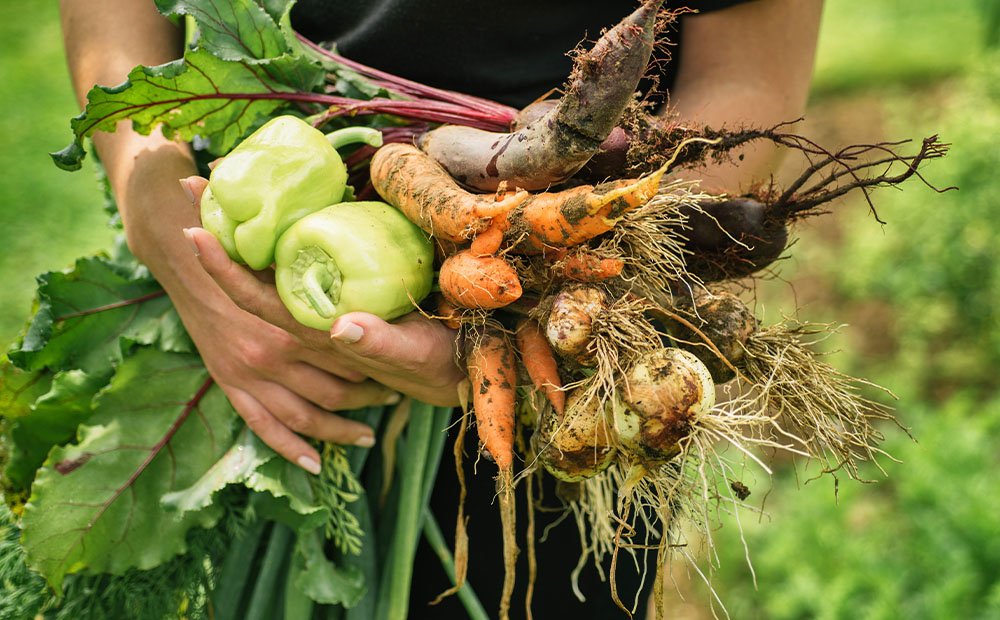
Harvesting in the morning is often considered the best time due to several important factors that can significantly affect the quality and longevity of the harvested crops. The mornings typically offer cooler temperatures, lower humidity levels, and a higher concentration of nutrients in the plants. These elements can combine to enhance both the flavor and the shelf life of the harvested produce.
Temperature Regulation
Harvesting in the morning allows farmers to take advantage of cooler temperatures. Crops can be sensitive to heat, and harvesting during the cooler part of the day helps in preserving their quality. Higher temperatures can lead to:
- Increased Respiration Rates: Plants may respire more in heat, using up their stored energy.
- Dehydration: Heat can cause crops to lose moisture quickly, affecting freshness.
- Physical Stress: Excessive heat can stress the plants, leading to damage during handling.
Moisture Content
In the morning, crops are often still wet with morning dew. This moisture can play a critical role in the quality of the harvest. Benefits include:
- Better Handling: Higher moisture content can prevent crops from becoming too dry, which makes them easier to handle.
- Freshness: Moisture helps maintain the freshness of the produce, essential for flavor and shelf life.
- Reduced Bruising: Dew and cool temperatures can minimize the likelihood of bruising during harvest.
Nutrient Concentration
Morning harvesting captures crops at a time when they are often at peak nutrient concentration. This seasonality can lead to:
See also:
- Higher Sugar Levels: Many fruits and vegetables will have higher sugar concentrations in the cooler morning hours, enhancing sweetness.
- Vibrant Flavors: Enhanced nutrient levels in the morning often translate to better flavor profiles.
- Improved Shelf Life: Crops harvested at peak nutrients tend to last longer due to better initial quality.
Work Efficiency
Harvesting in the morning can also improve efficiency and productivity for workers. Key aspects include:
- Cooler Conditions for Workers: Morning temperatures help ensure that workers are comfortable and can work more efficiently.
- Bright Natural Light: Good visibility in the morning light helps reduce errors during the harvesting process.
- Lower Pest Activity: Many pests are less active in the morning, making it easier to handle crops without contamination.
Extended Shelf Life
Ultimately, harvesting in the morning contributes significantly to the extended shelf life of fresh produce. This can result in:
- Less Post-Harvest Loss: Farms can minimize spoilage due to heat and moisture stress.
- Increased Market Value: Fresher produce can command higher prices in the market.
- Consumer Satisfaction: Customers receive better quality products, leading to repeat purchases.
Is it better to take herbs in the morning or at night?

Taking herbs at the right time can significantly influence their effectiveness and your body's response to them. Whether it is better to take herbs in the morning or at night depends on several factors including the type of herbs, their intended use, and individual lifestyle changes.
Understanding the Purpose of Herbs
Herbs can serve various health purposes ranging from enhancing energy to promoting relaxation. The time of consumption often aligns with their specific effects. Here are some key points to consider:
- Energizing herbs: Herbs like ginseng or ashwagandha may be more effective when taken in the morning to boost stamina.
- Relaxing herbs: Herbal teas like chamomile or valerian root can promote better sleep quality if consumed at night.
- Digestive herbs: Herbs that aid digestion, such as peppermint, can be taken after meals at any time of day.
Morning Benefits of Taking Herbs
Taking herbs in the morning can kickstart your metabolism and provide the energy needed for daily activities. Certain herbs are specifically recommended for morning intake. Consider these benefits:
- Boosts Metabolism: Herbs like ginger can aid digestion and stimulate the metabolic rate.
- Increases Focus: Adaptogenic herbs such as Rhodiola can enhance cognitive functions and concentration when taken early.
- Prepares the Body: Consuming herbs in the morning sets a positive tone for bodily functions throughout the day.
Nighttime Benefits of Taking Herbs
Nighttime consumption of certain herbs can aid in relaxation and improve sleep quality. Here are some considerations:
- Promotes Sleep: Herbs like passionflower and lavender are known for their soothing properties, making them ideal before bedtime.
- Aids Recovery: Taking herbs such as turmeric in the evening can help with overnight recovery and inflammation reduction.
- Enhances Nighttime Regeneration: The body enters repair mode during sleep, and certain herbs can support this process.
Individual Factors to Consider
Each person's body responds differently to herbs, and individual lifestyle choices play a critical role. Important factors include:
- Personal Goals: If you aim for relaxation, consider evening doses; if energy-boosting is your goal, mornings are preferable.
- Circadian Rhythm: Some herbs might enhance performance based on your natural body clock, making timing essential.
- Side Effects: Some individuals might experience side effects when certain herbs are taken at specific times, warranting cautious experimentation.
Consultation and Safety
Before starting any herbal regimen, it is important to consult with a healthcare provider or herbalist. This step ensures safety and suitability. Key safety considerations include:
- Interactions: Herbs can interact with medications, so it's crucial to evaluate potential conflicts.
- Dosage: The appropriate dosage may vary depending on the time of day taken; professional guidance helps tailor this.
- Health Conditions: Certain health issues may contraindicate the use of some herbs, making professional advice imperative.
Questions from Our Readers
Why is the morning the best time to pick herbs?
Picking herbs in the morning is ideal because temperatures are cooler, and the humidity levels are often higher. This means that the essential oils within the herbs are concentrated, making them more fragrant and flavorful. Additionally, there's less risk of dirt and debris affecting the freshness of the herbs during this time.
Does the time of day affect the flavor of herbs?
Yes, the time of day when you pick herbs can significantly affect their flavor. In the morning, herbs have higher concentrations of oils and compounds that contribute to their distinct taste, resulting in a fresher and more intense flavor compared to picking them later in the day.
Can picking herbs in the morning lead to better preservation?
Absolutely! Harvesting herbs in the morning can help in preserving their freshness and vibrancy longer. Since the herbs are harvested at their peak, they are less likely to wilt quickly, leading to a better shelf life and maintaining their quality for cooking or drying.
What other benefits are there to picking herbs in the morning?
In addition to improved flavor and preservation, picking herbs in the morning allows you to enjoy the calmness of the morning air, making the harvesting experience more pleasant and relaxing. Moreover, it also reduces the likelihood of encountering pests, as many insects are less active during the cooler morning hours.
See also:

If you want to read more articles like Discover the Benefits: Why Pick Herbs in the Morning?, we recommend you check out our Herbs category.
Leave a Reply
Related Articles