What is the Most Powerful Protection Herb? Discover the Top Herbal Remedies for Spiritual Defense

In the realm of herbal remedies, certain plants have long been revered for their potent protective qualities. Among these, one herb stands out as the most powerful guardian against negative energies and spiritual threats. This article delves into the world of herbalism to uncover the top remedies that offer spiritual defense. From ancient traditions to modern practices, we explore how these herbs can create a shield of protection, helping individuals cultivate peace and ward off harmful influences. Join us as we unveil the secrets behind the most effective protection herbs and their roles in spiritual well-being.
What is the Most Powerful Protection Herb?
The most powerful protection herb is often considered to be sage due to its long history of use in various cultures for cleansing and safeguarding spaces and individuals from negative energies. Known scientifically as Salvia spp., sage possesses both spiritual and practical applications, including purifying environments through the practice of smudging, a ritual where sage is burned to dispel negativity and promote a sense of calm and clarity. This herb is not only effective in spiritual practices but also has antibacterial properties, making it beneficial for health and wellness, reinforcing its reputation as a formidable protector in both physical and metaphysical realms.
The Historical Use of Sage
Sage has been utilized for centuries by various cultures, particularly by Native Americans, as a tool for purification ceremonies and spiritual rituals. It was believed that burning sage could eliminate negative influences and attract positive energies, anchoring its role as a powerful protective agent. The ancient Greeks and Romans also revered sage for its medicinal properties, further solidifying its status as a sacred herb.
Smudging Rituals with Sage
The act of smudging involves burning sage bundles to create a sacred smoke that envelops the space or person being cleansed. This ritual is thought to clear out negative energies and invite positive vibrations. During the smudging ceremony, practitioners often set intentions or prayers, making the process not just physical but also deeply spiritual. The aroma of burning sage is believed to enhance mindfulness and create a peaceful environment.
Health Benefits of Sage
Beyond its protective qualities, sage also offers numerous health benefits. It has been shown to exhibit antimicrobial properties that can help protect against infections. Traditionally, sage has been used to alleviate digestive issues, soothe sore throats, and even improve cognitive function due to its anti-inflammatory effects. These properties reinforce sage's reputation as a holistic protector for both the mind and body.
Sage in Different Cultures
Cultural practices surrounding sage vary widely around the world. In European traditions, sage is commonly associated with wisdom and longevity, often used in culinary dishes for its flavor and health benefits. Conversely, in Asian cultures, sage is sometimes included in herbal medicine for its restorative qualities. This diversity showcases sage’s broad recognition as a revered herb across different societies, emphasizing its universal protective attributes.
Other Protective Herbs
While sage is often highlighted, other herbs like rosemary, basil, and lavender also serve protective functions, each with unique properties. Rosemary, for instance, is believed to enhance memory and ward off evil spirits, while basil is associated with love and protection in many cultures. Lavender, celebrated for its calming effects, is used to create peaceful environments. Each of these herbs can complement sage in enhancing protective rituals.
| Herb | Properties | Uses |
|---|---|---|
| Sage | Cleansing, Antibacterial | Smudging, Cooking, Medicinal |
| Rosemary | Memory Enhancement, Protection | Cooking, Spiritual Ceremonies |
| Basil | Loyalty, Protection from Negativity | Cooking, Spiritual Tinctures |
| Lavender | Calmness, Protection | Aromatherapy, Spiritual Cleansing |
What is the strongest herb for protection?

The strongest herb traditionally associated with protection is often considered to be sage, specifically white sage (Salvia apiana). This herb has been used for centuries in various cultures for its believed cleansing and protective properties. It is commonly utilized in rituals to purify spaces and ward off negative energies.
1. Historical Significance of Sage
Sage has a rich historical background, particularly among Indigenous peoples of North America. It has been used in spiritual practices to enhance purification and protection. The act of smudging, or burning sage, is believed to create a healing space and protect from harmful influences.
- Sage is notably used in ceremonies to cleanse the aura and space.
- It is a part of many traditions, enhancing both personal and communal energy.
- The historical significance is tied to the belief in its mystical power to drive away bad spirits.
2. Other Protective Herbs
While sage is commonly recognized, there are other herbs that also offer protective properties. Rosemary and bay leaves are notable mentions, each with distinct protective qualities believed to enhance spiritual well-being.
- Rosemary: Known for promoting remembrance, it also protects against negativity and enhances mental clarity.
- Bay leaves: Often used in spells for success and protection, they are thought to safeguard against evil.
- Thyme: Historically considered to protect against illness and evil, it has strong associations with courage.
3. Using Sage for Protection
To utilize sage for protection, the method of smudging is most prevalent. This involves burning dried sage and allowing the smoke to envelop the area or your person, creating a shield against negative energies.
See also:
- Gather dried sage bundles or loose leaves.
- Light one end and allow it to smolder.
- Walk around the space or pass the sage over yourself while setting intentions for protection.
4. Protective Rituals Involving Herbs
Incorporating herbs into personal rituals can enhance their protective effects. A simple ritual might involve using herbs in a protection sachet or bath.
- Combine protective herbs such as sage, rosemary, and thyme in a sachet.
- Place it under your pillow or carry it with you for ongoing protection.
- For a protective bath, steep the herbs in hot water before adding to your bath.
5. Spiritual Properties and Benefits
The spiritual properties of protective herbs extend beyond mere physical cleansing. They aid in setting intentions, raising vibrations, and creating boundaries.
- They help in alleviating anxiety and enhancing emotional stability.
- Using protective herbs promotes a sense of safety and well-being.
- These herbs can serve as tools for meditation and deeper connectivity with oneself.
What plant chases away evil?
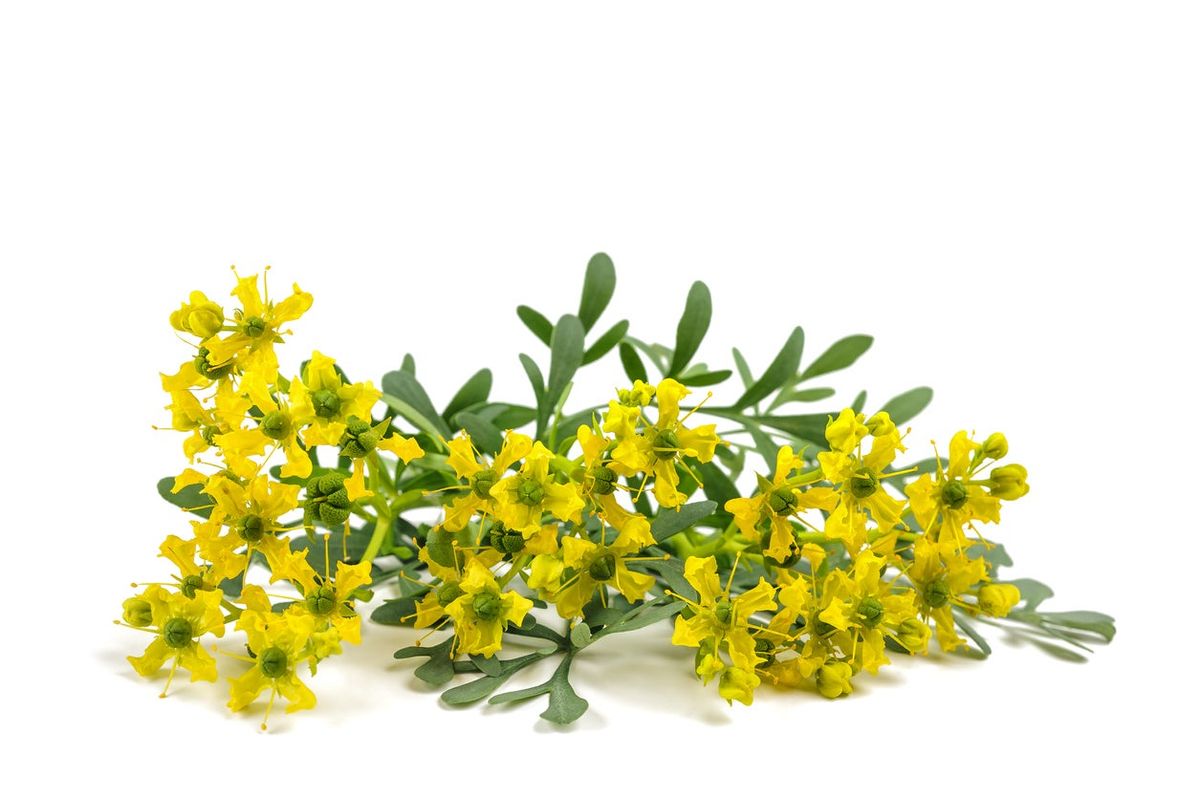
The Role of Plants in Spiritual Protection
Plants have been revered across various cultures for their spiritual properties and ability to ward off negative energy. Many traditions believe that certain plants hold the power to create a protective barrier against malevolent forces. Through aromatherapy, the use of specific scents can repel negativity, acting as a natural defense for homes and individuals alike. For example:
- Sage: Known for its cleansing properties, sage is often burned in rituals.
- Palo Santo: This wood is used for its purifying effects in spiritual practices.
- Lavender: Besides its calming scent, lavender is said to create a protective aura.
Common Plants Believed to Chase Away Evil
Among the numerous plants known for their protective attributes, several stand out as particularly influential. These plants are not just valued for their aesthetic appeal; they are often integral to traditional practices aimed at fostering safety and well-being. Some prominent examples include:
- Rosemary: Often associated with remembrance, rosemary is also believed to guard against evil spirits.
- Garlic: This pungent bulb is traditionally used to repel evil and protect against negative influences.
- Wormwood: Known for its strong aroma, wormwood has historical connections to driving away harmful energies.
The Significance of Incense Plants
Certain plants that can be turned into incense have a long history of being used to purify spaces and repel negativity. Incense made from these plants is often utilized in ceremonies and rituals to create a sacred environment. Their burning is thought to release protective energies that ward off evil. Key examples are:
- Frankincense: Valued since ancient times, frankincense is often used in temples for purification.
- Myrrh: Commonly associated with protection and spiritual grounding.
- Sandalwood: Its calming properties are said to promote peace and ward off fear.
How to Use Protective Plants in Your Home
Incorporating plants believed to repel evil into your home can be a meaningful practice. The strategic placement and care of these plants not only enhance your living space but can also provide a sense of security. Here are some effective ways to utilize them:
- Potted Plants: Keeping specific plants, like rosemary or lavender, in pots around the house can create a protective atmosphere.
- Dry Herbs: Hanging dry herbs, such as sage or garlic, in the kitchen or entrance can keep negative energies at bay.
- Essential Oils: Using oils derived from these plants in diffusers can spread their protective essence throughout the home.
Modern Beliefs and Practices Surrounding Evil-Rejecting Plants
While the use of plants to ward off evil is steeped in tradition, modern practices have adapted these beliefs to fit contemporary lifestyles. Many people today combine ancient wisdom with modern herbalism to create holistic approaches to life and spirituality. This includes:
- Home Remedies: Using plant-based remedies in conjunction with spiritual practices.
- Meditation Practices: Incorporating plants and their scents while meditating to enhance protective energies.
- Workshops and Classes: Learning about the spiritual benefits of various plants in community settings to foster awareness and inclusion.
What is the most powerful healing herb in the world?
:max_bytes(150000):strip_icc()/VWH_Illustration_10-Healing-Herbs-With-Medicinal-Benefits_Illustrator_Mira-Norian_Title_Final-47ce13013375448c9e8e7e8c21fb50f7.jpg)
Definition of Healing Herbs
Healing herbs are plants that possess therapeutic properties, which have been utilized across various cultures for centuries. These herbs can provide relief from various ailments, improve health, and promote overall wellness. They contain bioactive compounds that interact with the body’s systems, offering both physical and mental benefits. Some of the most recognized healing herbs include:
- Turmeric: Known for its anti-inflammatory properties.
- Ginger: Often used for digestive issues and nausea.
- Chamomile: Popular for its calming effects and sleep support.
The Most Powerful Healing Herb: Turmeric
Among the various healing herbs, turmeric is often regarded as the most powerful due to its active compound, curcumin. Curcumin has been extensively studied for its myriad health benefits, which include anti-inflammatory, antioxidant, and anticancer properties. Its ability to enhance the body’s immune response is another reason for its esteemed status in herbal medicine. Turmeric is widely used to address conditions such as:
- Chronic Inflammation: Helps reduce inflammation linked to various diseases.
- Arthritis: May alleviate pain and improve mobility.
- Digestive Issues: Supports digestive health and relieves discomfort.
Historical Uses of Healing Herbs
Healing herbs have a rich history in traditional medicine systems worldwide. Cultures such as Ayurveda, Traditional Chinese Medicine, and Native American practices have long utilized these herbs for their therapeutic properties. The knowledge of these herbs has been passed down through generations, often accompanied by rituals and holistic practices. Many herbs were used for:
See also:
- Wound Healing: Promoting faster recovery and preventing infections.
- Respiratory Conditions: Addressing ailments like coughs and asthma.
- Psycho-emotional Balance: Enhancing mental health through natural remedies.
Scientific Research on Healing Herbs
Current scientific research continues to validate the health benefits of healing herbs. Numerous studies have demonstrated the efficacy of these herbs in treating and preventing illnesses. Research has focused on understanding the mechanisms of action behind their active compounds, such as:
- Anti-inflammatory Effects: Investigating how these herbs modulate inflammation responses.
- Antioxidant Properties: Studying their role in combating oxidative stress.
- Cancer Prevention: Exploring the potential of herbs in inhibiting tumor growth.
Incorporating Healing Herbs into Daily Life
Integrating healing herbs into daily routines can be beneficial for maintaining health and wellness. There are various ways to consume these herbs, and it is essential to choose the right form for individual needs. Some common methods include:
- Teas: Brewing herbal teas can be a soothing way to consume healing herbs.
- Supplements: Available in capsule or powder form for convenient intake.
- Culinary Uses: Adding herbs to meals enhances flavor while providing health benefits.
What spice protects you from evil?

The spice commonly believed to protect against evil is black pepper. Historically, black pepper was not just used for culinary purposes but also for its alleged protective properties. In various cultures, it has been associated with warding off negative energies and malevolent spirits. The strong aroma and distinct flavor have made it an integral part of rituals aimed at purification and safeguarding one’s environment.
1. Historical Significance of Black Pepper
Black pepper has a rich history that dates back to ancient times. It was highly valued in trade and often referred to as black gold. Its significance extended beyond culinary uses; it was believed to have protective powers against evil spirits and diseases. Many cultures utilized black pepper in rituals and ceremonies to ensure safety and wellness.
- Ancient Egyptians used black pepper in embalming.
- It was a staple in Ayurvedic practices for its medicinal and protective qualities.
- In medieval Europe, it was believed to ward off plague and evil spirits.
2. Cultural Beliefs Surrounding Black Pepper
Various cultures have embraced black pepper not only for taste but also as a protective spice. In some traditions, it is used to sprinkle around homes or carried in sachets to create a barrier against negative forces. The culturally ingrained belief in its protective abilities highlights its importance beyond the kitchen.
- In India, it is customary to use black pepper in rituals for protection.
- In Italian folklore, it is considered a talisman against the evil eye.
- Native American tribes believed it helps in dispelling bad energies.
3. Modern Uses of Black Pepper for Protection
In contemporary practices, black pepper still holds a place in spiritual rituals. Modern herbalists and practitioners of natural magic often include it in their protective blends. Whether through its use in incense or potions, black pepper continues to be viewed as a means to safeguard against unwanted energies.
- Used in essential oils for protection rituals.
- Incorporated into herbal sachets for home cleansing.
- Used in cooking to infuse meals with protective energies.
4. The Science Behind the Belief
While many of the claims about black pepper emanate from cultural beliefs, some studies have explored its health benefits. The active component, piperine, is known for its antioxidant and anti-inflammatory properties. Although scientifically unproven as a protective spice against evil, its health benefits contribute to a holistic approach to well-being that aligns with protective measures.
- Antioxidants in black pepper may boost overall health.
- Piperine has been shown to enhance the bioavailability of certain nutrients.
- Black pepper's antimicrobial properties might deter illness.
5. How to Incorporate Black Pepper into Your Life
Incorporating black pepper into daily routines can be both flavorful and beneficial. Simple practices can elevate its use from just a spice on the table to a part of a protective lifestyle. Here are some effective ways to include it:
- Add black pepper to meals to enhance flavor and health benefits.
- Create a protective sachet with black pepper, salt, and herbs.
- Use black pepper essential oil in a diffuser during cleansing rituals.
Questions from Our Readers
What is the most powerful protection herb?
The most powerful protection herb is often considered to be sage. This herb has been used for centuries in various cultures to purify spaces and offer spiritual protection. Burning sage, a practice known as smudging, is believed to dispel negative energies and create a safe environment.
How is sage used for protection?
Sage can be used for protection by smudging, which involves burning dried sage leaves and allowing the smoke to permeate a space. This ritual is thought to cleanse the area of negative vibrations and attract positive energy. Many people also use sage in meditation rituals to enhance their spiritual practices.
Are there other herbs that provide protection?
Yes, there are several other herbs known for their protective qualities, including rosemary, basil, and lavender. Each of these herbs has unique properties that can help create a shield against negative influences and promote a sense of well-being. For example, rosemary is commonly used to enhance memory and clarity while providing protection.
See also:
Can protection herbs be used in daily life?
Absolutely, protection herbs can be incorporated into daily life in various ways, such as through teas, essential oils, or simply by placing fresh or dried herbs in your home. Using these herbs regularly can help maintain a positive atmosphere and continually enhance your spiritual practices. They can also be beneficial for creating a sense of calm and serenity in your environment.
If you want to read more articles like What is the Most Powerful Protection Herb? Discover the Top Herbal Remedies for Spiritual Defense, we recommend you check out our Herbs category.
Leave a Reply
Related Articles