Can Basil and Lavender Be Planted Together? A Complete Guide to Companion Planting

Companion planting is an essential technique in gardening that enhances plant health and yields. Among the many plant combinations, the pairing of basil and lavender has garnered interest due to its potential benefits. Both herbs bring unique flavors and aromas to the garden, but can they thrive together? This complete guide will delve into the compatibility of basil and lavender, exploring their growth habits, soil requirements, and the advantages of planting them in proximity. Whether you’re a novice gardener or an experienced horticulturist, understanding how these two plants interact will help you create a harmonious and productive garden environment.
Can Basil and Lavender Be Planted Together?
Basil and lavender can be successfully planted together in the same garden or container, as both herbs thrive in similar growing conditions, including well-drained soil and plenty of sunlight. Both herbs are also known for their compatibility in terms of growth habits, as they have similar water and fertilization requirements. Basil has a more vigorous growth pattern, while lavender tends to grow more upright, allowing for an aesthetically pleasing arrangement in herb gardens. Moreover, the aromatic properties of basil can help deter pests that may affect lavender plants, creating a mutually beneficial environment that enhances the garden's overall health and productivity.
Growing Conditions
Both basil and lavender prefer full sun, which means they require at least six to eight hours of direct sunlight each day. In addition to sunlight, they thrive in well-drained soil. Basil enjoys rich and moist conditions, while lavender prefers drier soil, thus making it essential to balance watering practices to ensure both plants flourish. The potential for overwatering is a primary concern when planting these two together, so proper soil drainage is crucial for healthy growth.
Pest Control Benefits
Planting basil alongside lavender can provide natural pest control benefits. Basil is known to repel common garden pests such as aphids and whiteflies, while lavender attracts beneficial insects like bees and butterflies. This combination creates an environment that minimizes pest problems while promoting pollination. With both plants working together, gardeners can reduce the need for chemical pesticides, fostering a healthier ecosystem within the garden.
Companion Planting Principles
The concept of companion planting is crucial when considering the compatibility of basil and lavender. This gardening technique involves planting different types of plants near each other to enhance growth, repel pests, and create a balanced garden ecosystem. Basil acts as a companion plant to lavender, minimizing herbivore damage while boosting the aromatic qualities of both herbs. This method not only improves the health of the plants but also contributes to a more diverse and vibrant garden.
Harvesting and Maintenance
When growing basil and lavender together, it's important to consider their harvesting and maintenance needs. Basil is typically harvested more frequently than lavender, as its leaves can be clipped throughout the growing season to encourage continued growth. Lavender, on the other hand, is harvested primarily for its blooms and can be cut back after flowering. Gardeners should be mindful of not over-pruning either plant, as this can affect their ability to thrive and produce healthy yields.
Table of Compatibilities
| Aspect | Basil | Lavender |
|---|---|---|
| Sunlight | Full sun | Full sun |
| Soil Type | Rich, well-drained | Drought-tolerant, well-drained |
| Water Needs | Moderate | Low |
| Pest Deterrent | Yes | Yes |
| Growth Habit | Bushy | Upright |
Can I grow basil next to lavender?

Yes, you can grow basil next to lavender, but there are several factors to consider to ensure both plants thrive. While basil and lavender have different preferences when it comes to water and nutrients, they can be compatible under the right circumstances. It's important to understand their growth requirements and how they might interact with each other.
Growth Requirements of Basil
Basil thrives in warm, sunny conditions and prefers well-drained soil. Here are some essential growth requirements:
- Sunlight: Basil needs at least 6 hours of direct sunlight daily.
- Water: It prefers regular watering but should not be waterlogged; the soil must dry out slightly between waterings.
- Soil: Basil grows best in rich, loamy soil with good drainage.
Growth Requirements of Lavender
Lavender is well-known for its resilience and drought tolerance. Here are its primary requirements:
See also:
- Sunlight: Lavender also needs full sun, thriving in at least 6-8 hours of sunlight.
- Water: This plant is adapted to dry conditions and prefers less frequent watering, allowing the soil to dry out completely.
- Soil: It thrives in sandy, well-drained soil with low to moderate fertility.
Companion Planting Benefits
Growing basil next to lavender can offer certain benefits shared through companion planting:
- Pest Control: Basil has natural insect-repelling properties that may help protect lavender from pests.
- Aromatic Properties: Both herbs emit strong fragrances, which can enhance the overall aromatic experience of your garden.
- Maximized Space: They can utilize garden space efficiently as they have different growth habits; basil grows tall while lavender tends to be more bushy.
Considerations for Growing Together
While basil and lavender can grow side by side, there are important considerations to keep in mind:
- Watering Needs: Be cautious about the different watering requirements; overwatering basil could harm lavender.
- Soil Composition: Ensure the soil is a blend that meets the needs of both plants, possibly mixing sand with loam.
- Spacing: Adequate spacing is crucial to prevent overcrowding and ensure both plants have access to sunlight.
Optimal Growing Conditions
To achieve the best results when growing basil and lavender together, consider these optimal conditions:
- Microclimate: Position them in a microclimate where basil can receive slightly more moisture without overshadowing lavender.
- Mulching: Use mulch to retain moisture for basil while preventing lavender from becoming overly wet.
- Regular Monitoring: Keep an eye on both plants for signs of stress, such as wilting or yellowing leaves.
What should you not plant next to basil?
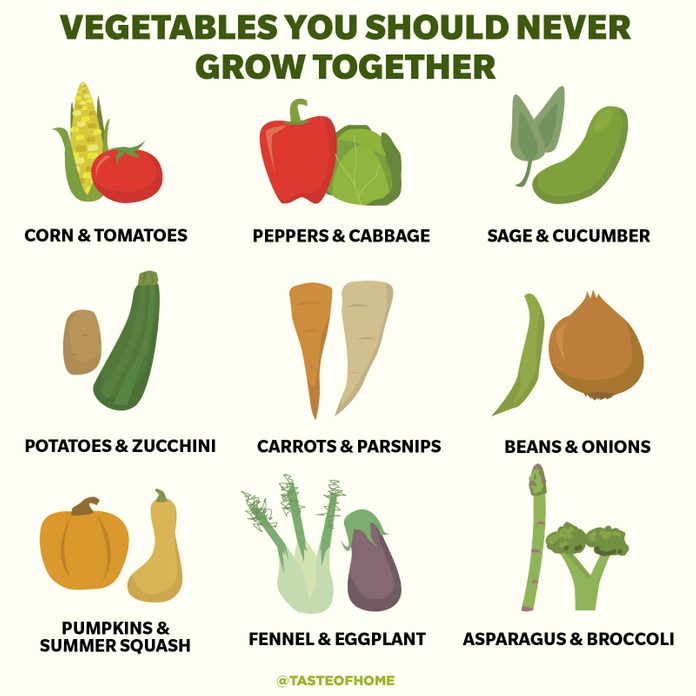
Basil is a popular herb known for its aromatic flavor and versatility in culinary uses. However, certain plants should not be grown near basil, as they can negatively affect its growth and flavor. The following details will clarify which companions to avoid.
Plants to Avoid Brewing Next to Basil
When planting basil, you should steer clear of several other plants known to hinder its development. These include:
- Cabbage family: Such as cabbage, broccoli, and cauliflower.
- Mint: This herb can overpower basil and compete for resources.
- Rue: Known to be allelopathic, it can inhibit basil's growth.
Interference with Growth
Certain plants produce chemicals that can interfere with the growth patterns of basil. For example, they may release allelopathic compounds that suppress basil's development. Avoid the following:
- Fennel: This plant can produce substances that are detrimental to basil.
- Tomatoes: While they are often grown together, tomatoes can compete with basil for nutrients.
- Potatoes: They can attract pests that are harmful to basil.
Competing for Nutrients
Basil requires ample nutrients to thrive, and when planted near heavy feeders, the competition can be detrimental. Consider removing these from your garden bed:
- Peppers: They are also heavy feeders and can take nutrients away from basil.
- Eggplant: Similar to tomatoes and peppers, they compete for soil nutrients.
- Carrots: Their deep roots can absorb nutrients at a level basil can't reach.
Pest Attraction
Some plants can attract pests that may harm basil. It's essential to keep pest-attracting species at a distance to protect your basil plants:
- Sweet potatoes: They can attract specific pests that also affect basil.
- Celery: It can attract insects that might attack basil.
- Spinach: This leafy green can bring aphids that may target basil.
Flavor and Aroma Mismatch
Basil is prized for its unique flavor, and planting it near certain herbs and vegetables can affect the taste of your basil:
See also:
- Strong herbs: Such as coriander and dill, which can overpower basil’s fragrance.
- Garlic: Known for its strong flavor, it can affect the aroma of basil.
- Onions: Their potent smell can clash with basil's delicate scent.
Does lavender pair with basil?
Lavender and basil are two distinct herbs that bring unique flavors and aromas to culinary applications. While they are not traditionally paired together, there are certain contexts in which they can complement each other quite well. Lavender's floral, sweet notes can contrast nicely with basil's fresh and slightly peppery profile. When experimenting with this combination, it's essential to use caution due to the strong taste of lavender, which can easily overpower more delicate dishes. However, in the right balance, lavender and basil can create intriguing flavor profiles, particularly in dishes that highlight savory-sweet contrasts or in infused oils and beverages.
Flavor Profiles of Lavender and Basil
Lavender is known for its strong floral aroma and sweet, slightly herbal flavor. It's often used in desserts, teas, and as a garnish for beverages. In contrast, basil offers a fresh and aromatic flavor, with varying notes depending on the variety, such as sweet, peppery, or even a hint of mint. Together, they can create a complex taste experience, but careful handling is essential to maintain balance.
- Lavender's Unique Flavor: Floral, sweet, and slightly minty, enhancing desserts.
- Basil's Versatile Profile: Fresh, peppery, and herbal, commonly used in savory dishes.
- Combination Potential: Strong contrasts can create exciting dishes, especially in contemporary cuisine.
Culinary Applications
In culinary exploration, both lavender and basil can be utilized in various forms such as fresh herbs, dried, or infused oils. Chefs might experiment by using lavender in vinaigrettes paired with basil to elevate salads, or by incorporating them into infused syrups for cocktails. The key is moderation and balancing these powerful flavors to enhance rather than mask the dish's essence.
- Salad Dressings: Leafy greens with lavender-basil vinaigrettes.
- Herb-Infused Oils: Combining oils for dipping or drizzling.
- Flavor Balancing: Using lavender sparingly in savory dishes.
Pairing with Other Ingredients
When considering the balance of lavender and basil in dishes, it's crucial to highlight ingredients that can harmonize with both. Ingredients like lemon, honey, and berries can enhance the floral notes of lavender while complementing the fresh zest of basil. Additionally, using them with proteins like chicken or fish can create a dynamic flavor profile.
- Lemon: Bright acidity pairs well with both herbs.
- Honey: Enhances floral and herbal notes in sweets.
- Proteins: Chicken or fish as a canvas for herb flavors.
Health Benefits
Both lavender and basil have notable health benefits that can make the combination appealing beyond just flavor. Lavender is often associated with calming effects, reducing stress and promoting sleep, while basil is hailed for its anti-inflammatory and antimicrobial properties. Incorporating these herbs into your diet can provide not only taste but also health advantages.
- Anti-inflammatory properties: Beneficial effects from basil.
- Calming effects: Relaxation support from lavender.
- Aromatic benefits: Use in teas for combined effects.
Experimenting with Lavender and Basil
For those adventurous in their culinary pursuits, experimenting with lavender and basil can lead to unique dishes. Consider starting with small quantities, adjusting as needed to find the perfect balance that suits your palate. Dishes can range from savory to sweet, and creative uses in baking, cooking, and cocktails can lead to delightful surprises.
- Start small: Introduce both herbs gradually to adjust to palates.
- Explore different textures: Adding fresh, dried, or infused forms.
- Cocktail experimentation: Use in unique beverages for surprising flavors.
Questions from Our Readers
Can basil and lavender be planted together?
Yes, basil and lavender can be planted together as they have similar growing requirements. Both herbs thrive in well-drained soil and prefer full sunlight, making them suitable companions in a garden setting.
What are the benefits of planting basil and lavender together?
Planting basil and lavender together can enhance the overall health of your garden. Lavender helps to attract beneficial insects while repelling pests that might harm basil, thus creating a more harmonious growing environment.
See also:
Do basil and lavender have conflicting growth needs?
No, basil and lavender do not have conflicting growth needs; in fact, they complement each other well. Both herbs require similar conditions such as warm temperatures, full sun, and frequent watering which makes them a good match for companion planting.
How should I care for basil and lavender when planted together?
When caring for basil and lavender together, ensure that you provide consistent watering without over-saturating the soil. Regularly prune both plants to encourage growth and remove any dead leaves, which can help maintain their health and vitality.

If you want to read more articles like Can Basil and Lavender Be Planted Together? A Complete Guide to Companion Planting, we recommend you check out our Herbs category.
Leave a Reply
Related Articles