What is the best time of year to start an herb garden? Tips for Optimal Growth and Success

Starting an herb garden is a rewarding endeavor that can enhance your cooking and elevate your home’s ambiance. However, timing plays a crucial role in ensuring optimal growth and success. The best time to start your herb garden largely depends on your local climate and the specific herbs you wish to cultivate. Understanding the seasonal variations and growing conditions can help you decide the perfect moment to plant. In this article, we will explore the ideal seasons for starting an herb garden, along with tips to ensure your herbs thrive and contribute to your culinary adventures all year round.
What is the Best Time of Year to Start an Herb Garden?
Starting an herb garden is best done in spring, when the risk of frost has passed and the soil begins to warm up. This time of year provides the ideal conditions for most herbs to thrive, allowing them to establish their roots and grow robustly as temperatures rise. Many herbs prefer full sunlight and well-drained soil, both of which are easier to manage in spring. Additionally, starting your garden in the spring allows you to take advantage of the entire growing season, giving your herbs plenty of time to mature before winter sets in.
Understanding Your Local Climate
The best time to start an herb garden can vary significantly depending on your local climate. Regions with harsh winters may require gardeners to wait until late spring to plant, while areas with milder climates may allow for earlier planting in March or April. Understanding your hardiness zone can help you determine the right time to sow seeds or transplant seedlings. It's important to consider the average last frost date in your area, as planting too early can expose tender herbs to frost damage.
Selecting the Right Herbs
When starting an herb garden, the choice of herbs can also influence the timing. Some herbs, such as basil and cilantro, thrive in warm weather and are typically planted after the last frost date. Others, like parsley and chives, can tolerate cooler temperatures and can be planted earlier in the spring. Knowing the growth requirements of each herb will help you schedule your planting to match their needs for optimal growth.
Indoor vs. Outdoor Planting
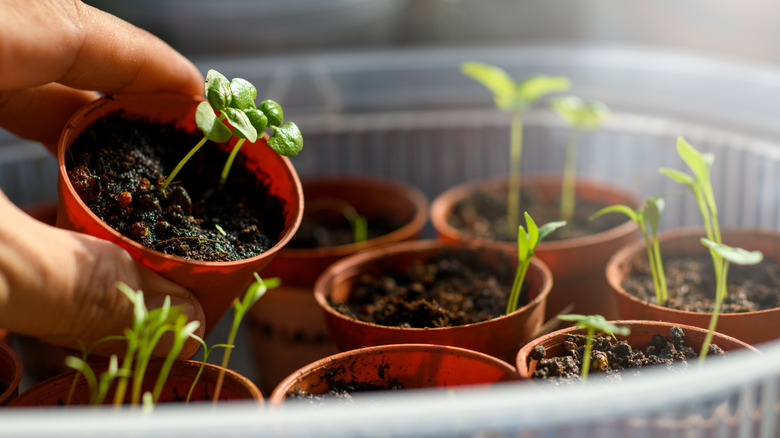
If you live in a region with a short growing season, you might consider starting your herb garden indoors. Planting seeds indoors a few weeks before the last frost gives them a jumpstart, allowing for earlier outdoor transplanting. Herbs like basil and thyme can be successfully started indoors, providing a controlled environment that helps ensure higher germination rates. Once the weather warms, these young plants can be moved to an outdoor garden, maximizing your gardening potential.
Seasonal Considerations for Herb Growth
Herbs generally flourish during the growing season, which is typically from spring to early autumn. By understanding seasonal changes in temperature and sunlight, you can plan your garden accordingly. Late spring provides a longer period of warmth, beneficial for the growth of most herbs. Additionally, some herbs may go to seed or become less productive in extreme heat or cold, so selecting a mid-spring planting schedule can help avoid these issues and promote a healthy, productive garden throughout the season.
Preparing Your Garden Soil
Before planting, it's crucial to assess and prepare your soil in advance of the spring planting time. Healthy, well-drained soil rich in organic matter will yield a more fruitful herb garden. Conducting a soil test can help you understand nutrient levels and pH, allowing you to make necessary amendments. Adding compost or other organic matter in late winter or early spring will foster an environment conducive to germination and growth, paving the way for a successful herb garden.
| Herb | Best Planting Time | Growth Requirements |
|---|---|---|
| Basil | After last frost | Warm weather, full sun |
| Parsley | Early spring | Cooler temperatures, partial shade |
| Chives | Early spring | Full sun, well-drained soil |
| Thyme | After last frost | Warm weather, full sun |
| Cilantro | After last frost | Cooler temperatures, full sun |
What month should you start an herb garden?


Starting an herb garden is best done in spring, typically around April or May in most regions. This timing allows herbs to thrive as the weather warms and the risk of frost diminishes. However, the exact month can vary depending on your local climate and the specific herbs you want to grow. It’s important to consider factors such as soil temperature, the last frost date, and the growth habits of the herbs.
Understanding Your Local Climate
When planning to start your herb garden, it’s crucial to understand your local climate. Different regions may experience varying temperatures and frost dates, which directly impact herb growth. Here are some considerations:
- Frost Dates: Check the average last frost date in your area to avoid planting too early.
- Temperature: Most herbs prefer temperatures above 60°F (15°C) to grow optimally.
- Growing Season: Identify how long your local growing season lasts, which influences the types of herbs you can grow.
Choosing the Right Herbs
The month you start your herb garden also depends on the specific herbs you wish to plant. Some herbs thrive better when planted in spring, while others may be more tolerant of cooler temperatures. Consider these options:
- Basil: Best planted after the last frost in warm soil.
- Parsley: Can be sown as soon as the soil can be worked, even in cooler temperatures.
- Cilantro: Prefers cooler temperatures and can be planted in early spring or fall.
Preparing Your Soil
Soil preparation is vital for a successful herb garden. Starting in the right month also gives you time to prepare your soil adequately. Here’s what you should do:
- Soil Testing: Test the soil for pH and nutrient levels to ensure it’s suitable for herbs.
- Amendments: Add organic matter such as compost to improve soil structure and fertility.
- Drainage: Ensure the soil has good drainage, as herbs do not like to sit in waterlogged conditions.
Seeds vs. Seedlings
Deciding whether to start your herb garden from seeds or seedlings can influence when you start. Here’s how to approach this decision:
- Seeds: If starting from seeds, you may begin indoors weeks before the last frost to get a head start.
- Seedlings: Purchasing established seedlings can allow for immediate planting once frost risks pass.
- Timing: Plant seeds indoors 6-8 weeks before the last frost; transplants can go directly into the garden after the danger has passed.
Maintenance and Care After Planting
Once you’ve planted your herbs, proper maintenance is essential for their growth. This includes timely care throughout the season:
- Watering: Herbs need consistent moisture but avoid overwatering; check the moisture level before watering.
- Fertilization: Use a balanced fertilizer sparingly, as too much can reduce flavor.
- Pruning: Regularly harvesting and pruning encourages bushy growth and prevents bolting.
What is the most difficult herb to grow?
The most difficult herb to grow is often considered to be cilantro (Coriandrum sativum). This herb poses several challenges for gardeners, including its specific growth conditions and susceptibility to bolting.
See also:
Cilantro Growing Conditions
Cilantro requires precise conditions to thrive, which can often be difficult to replicate. The key factors to consider are:
- Temperature: Cilantro prefers cooler temperatures between 50°F to 85°F (10°C to 29°C). High heat can cause the plant to bolt quickly.
- Soil Quality: Well-drained soil with good organic content is essential. Poor soil can stunt growth or lead to disease.
- Watering: Cilantro needs consistent moisture but does not tolerate standing water. Over-watering can lead to root rot.
Bolting Issues
One of the main reasons cilantro is difficult to grow is its tendency to bolt. Once temperatures rise or daylight increases, cilantro quickly produces flowers and seeds, which can be frustrating for gardeners looking for harvestable leaves.
- Short Growth Cycle: Cilantro has a fast growth cycle, often only 60-75 days from seed to harvest, making bolting a significant concern.
- Environmental Stress: Sudden changes in temperature or water levels can trigger bolting.
- Flower Production: Once bolting occurs, the flavor of the leaves diminishes, impacting the herb's culinary value.
Pest and Disease Vulnerability
Cilantro is susceptible to various pests and diseases, which adds to the complexity of growing it successfully. Gardeners must remain vigilant to maintain healthy plants.
- Insect Pests: Aphids, spider mites, and whiteflies can infest cilantro, affecting its growth.
- Disease Risks: Damping-off, root rot, and bacterial leaf spot can quickly decimate cilantro plants.
- Preventive Measures: Regular inspection and organic pest control methods are necessary to protect the crop.
Harvesting Challenges
Harvesting cilantro can also be tricky due to its delicate nature. The timing and method of harvesting can significantly impact the leaf quality.
- Timing: If harvested too late, the leaves can lose their flavor and become tough.
- Technique: Cilantro leaves should be cut rather than torn to avoid damaging the plant and encourage new growth.
- Preservation: Fresh cilantro wilts quickly; proper storage methods must be used to maintain its quality.
Alternative Herbs That Are Easier to Grow
For those facing challenges with cilantro, there are several herbs that are easier to grow and may offer similar flavors or uses.
- Parsley: This herb is more forgiving and can tolerate a wider range of growing conditions.
- Basil: Known for its adaptability, basil grows well in various soils and can thrive in heat.
- Mint: Mint is a hardy herb that can grow in diverse environments, often considered invasive but very resilient.
Questions from Our Readers
What is the best time of year to start an herb garden?
The best time to start an herb garden is typically in spring, after the last frost date for your region. This allows the herbs to grow during the warm growing season, taking advantage of longer daylight hours and more suitable temperatures.
Can I start an herb garden indoors?
Yes, you can start an herb garden indoors at any time of the year, but it's recommended to begin in late winter or early spring. Indoor gardening allows you to control the light and temperature, providing a head start for your herbs before transferring them outside.
What herbs are best to plant in early spring?
In early spring, consider planting basil, parsley, and cilantro, as these herbs thrive in the cooler temperatures before the heat of summer sets in. Starting with these herbs can lead to a bountiful harvest as they are quick to grow.
See also:
How long does it take for herbs to grow?
The time it takes for herbs to grow depends on the specific herb, but most can be harvested within 4 to 12 weeks after planting. Factors such as light, water, and soil quality significantly impact their growth rate and overall health.
If you want to read more articles like What is the best time of year to start an herb garden? Tips for Optimal Growth and Success, we recommend you check out our Herbs category.
Leave a Reply
Related Articles