Are Basil and Holy Basil the Same? Discover the Key Differences and Uses

Basil is a popular herb known for its aromatic flavor and culinary uses, but many people may not be aware that there are different varieties, including sweet basil and holy basil. Though they share the name basil, these herbs possess distinct characteristics, origins, and applications. This article aims to explore the key differences between basil and holy basil, delving into their unique flavors, health benefits, and traditional uses in various cuisines and medicinal practices. By understanding these distinctions, readers can make informed choices in their cooking and wellness routines, maximizing the potential of these vibrant herbs.
Are Basil and Holy Basil the Same?
Basil and holy basil are not the same, although they belong to the same family of plants, known as Lamiaceae. Basil (Ocimum basilicum), commonly referred to as sweet basil, is widely used in culinary applications around the world for its aromatic flavor and is a staple in Mediterranean cuisine. On the other hand, holy basil (Ocimum sanctum or Ocimum tenuiflorum), also known as Tulsi, holds a significant place in Indian culture and traditional medicine, particularly in Ayurveda. While both types of basil can share some flavor notes, their aromatic profiles, uses, and cultural significance differ greatly, making them unique in their own right.
Botanical Classification
The two types of basil belong to the same genus, Ocimum, but are classified under different species. Sweet basil is recognized as Ocimum basilicum, while holy basil is categorized as either Ocimum sanctum or Ocimum tenuiflorum. This classification reflects their distinct genetic make-up, which contributes to variations in their flavor, aroma, and medicinal properties. Understanding their botanical classification helps to identify their roles in culinary and herbal practices.
Culinary Uses
Sweet basil is predominantly used in various cuisines around the world, excelling in Mediterranean dishes such as pestos, salads, and sauces. It adds a fresh, peppery flavor that complements a wide array of ingredients. Conversely, holy basil is often used in herbal teas and traditional dishes within Indian cuisine, offering a more pungent and spicy flavor. Sweet basil’s culinary versatility contrasts with holy basil’s role primarily as a herbal remedy rather than a dominant ingredient in cooking.
Health Benefits
Both types of basil offer a range of health benefits, but they serve different purposes. Sweet basil is rich in antioxidants and is believed to aid in digestion and inflammation reduction. On the other hand, holy basil is renowned for its adaptogenic properties, which help the body manage stress. It is commonly used in traditional medicine to enhance immunity, promote mental clarity, and alleviate respiratory issues, showcasing the distinct health applications of each type.
Aromatherapy and Essential Oils
In the world of aromatherapy, both sweet and holy basil oils are used, yet they possess different aromatic profiles. Sweet basil oil is often employed for its uplifting scent that helps improve mood and focus. In contrast, holy basil oil is prized for its calming and grounding effects, aiding in relaxation and mental stability. The unique aroma of each type of basil highlights their distinct applications in herbal remedies and aromatherapy practices.
Cultural Significance
Holy basil, particularly in India, is not just a herb but a sacred plant considered a symbol of purity and spirituality. It is often grown in homes and temples and used in religious rituals. Sweet basil, while culturally significant in Mediterranean traditions, does not carry the same level of reverence. This difference in cultural significance underscores the diverse roles these herbs play in the lives of people across various cultures and traditions.
| Aspect | Sweet Basil | Holy Basil |
|---|---|---|
| Botanical Name | Ocimum basilicum | Ocimum sanctum/Ocimum tenuiflorum |
| Culinary Use | Prominent in Mediterranean cuisine | Used in herbal teas and Indian dishes |
| Health Benefits | Rich in antioxidants, aids digestion | Adaptogenic properties, stress management |
| Aromatherapy | Uplifting scent | Calming and grounding fragrance |
| Cultural Significance | Culinary traditions | Symbol of purity and spirituality |
Can you eat holy basil like regular basil?
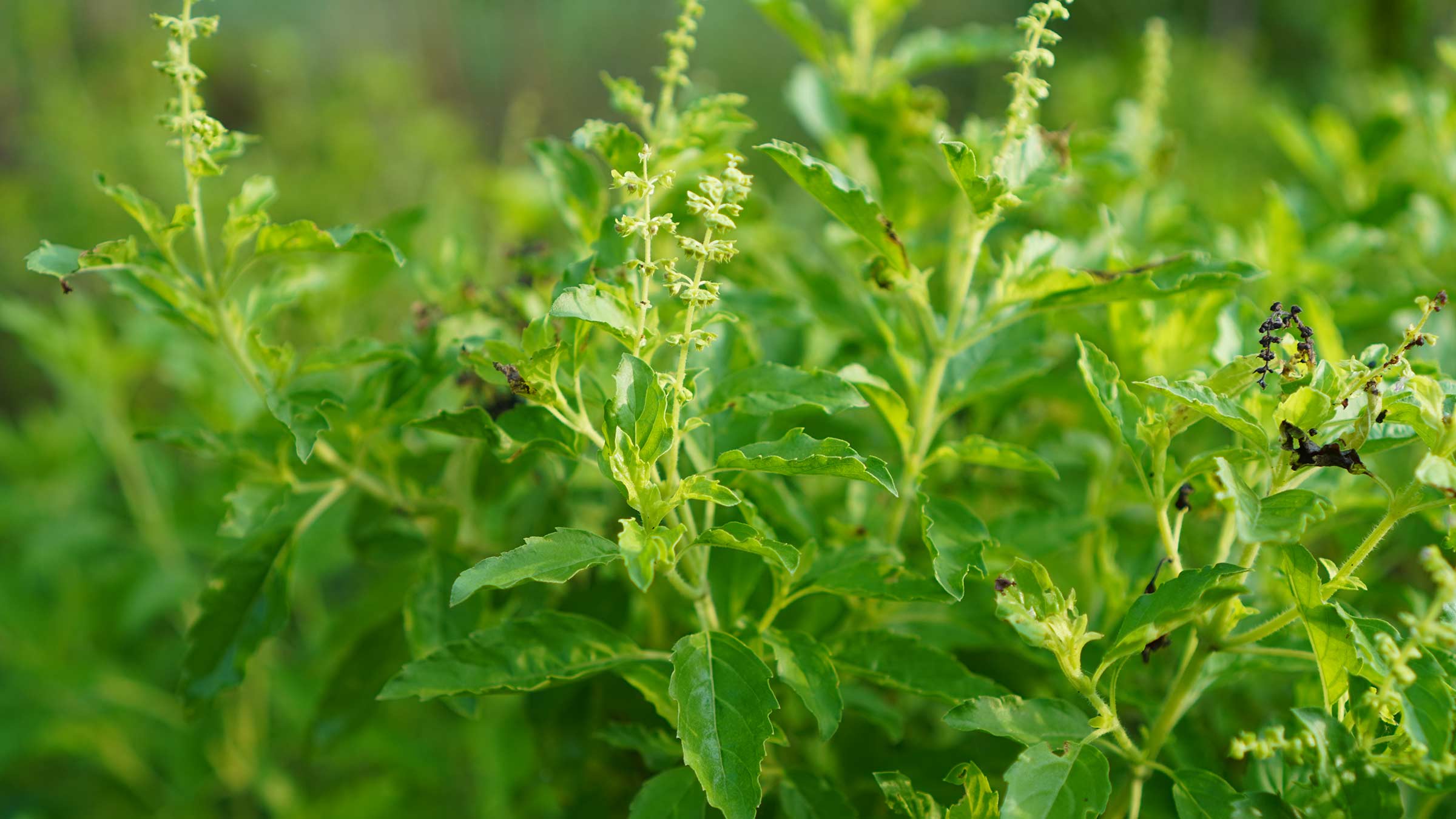

Yes, you can eat holy basil (Ocimum sanctum), also known as tulsi, like regular basil (Ocimum basilicum). While both are from the same family and have similar flavor profiles, they possess distinct characteristics and uses. Holy basil has a more robust and peppery taste with a clove-like aroma compared to the mild and sweet flavor of regular basil. This difference makes holy basil particularly popular in Asian cuisines and traditional medicine.
Health Benefits of Holy Basil
Consuming holy basil offers numerous health benefits that make it a popular choice in herbal remedies and teas. Some of the key advantages include:
- Stress relief: Holy basil is known to help alleviate stress and anxiety due to its adaptogenic properties.
- Anti-inflammatory effects: It has compounds that can reduce inflammation in the body, contributing to overall health.
- Antioxidant properties: Holy basil is rich in antioxidants, which help combat oxidative stress and protect cells.
Culinary Uses of Holy Basil
Holy basil can be used in various culinary applications, although it is distinct from regular basil. Its stronger flavor makes it suitable for particular dishes, such as:
- Thai cuisine: Often used in stir-fries, soups, and curries, providing a unique flavor profile.
- Herbal teas: Brewed as a tea to enjoy its aromatic and health-promoting properties.
- Salads and wraps: Used fresh in salads or as a wrap filling to add deeper flavor.
How to Use Holy Basil
When using holy basil, it is essential to consider its robust flavor. Here are some ways to incorporate it:
- Fresh leaves: Use fresh leaves akin to a garnish or in salads for added flavor.
- Dried forms: Dried holy basil can be added to spice blends for simmering stews or soups.
- Essential oil: Can be used in aromatherapy for stress relief or added in small amounts to cooking.
Differences Between Holy Basil and Regular Basil
Although holy basil and regular basil share a genus, they differ significantly in aspects such as:
- Taste: Holy basil has a peppery, clove-like flavor, while regular basil is sweet and fragrant.
- Uses: Regular basil is more common in Western cuisines, while holy basil is favored in Southeast Asian recipes.
- Nutritional content: Holy basil often contains more compounds beneficial for health compared to regular basil.
Sourcing Holy Basil
When looking for holy basil, it is essential to consider where to find it:
- Asian markets: Frequently available in fresh or dried forms in markets specializing in Asian produce.
- Herbal shops: Many herbalists carry holy basil in various formats, from teas to extracts.
- Online retailers: Numerous health food websites offer holy basil, making it easy to source.
Can I use holy basil for cooking?

Yes, you can use holy basil for cooking. This herb, known as Tulsi in India, is not only cherished for its medicinal qualities but also valued in culinary practices in various cuisines. Holy basil offers a unique flavor profile that is spicy, peppery, and slightly sweet. It can enhance dishes with its aromatic presence, making it suitable for a range of culinary applications.
See also:
Flavor Profile of Holy Basil
Holy basil possesses a distinct flavor that sets it apart from other varieties of basil. It has a peppery, clove-like taste with hints of mint and anise. This complex flavor can elevate dishes, providing a refreshing contrast to richer ingredients.
- Spicy and Peppery: The spice notes make it ideal for enhancing curries and soups.
- Slightly Sweet: Its sweetness can balance the acidity of tomatoes or citrus.
- Aromatic Quality: The aromatic profile is invigorating, adding depth to beverages and desserts.
Common Culinary Uses of Holy Basil
Holy basil can be utilized in a variety of dishes. In traditional cooking, especially in Southeast Asian cuisines, it is often included in stir-fries, salads, and soups. Its robust flavor shines in specific regional recipes, typically featuring fresh leaves.
- Curries: Adding holy basil to curries enhances the overall flavor and provides a fresh aroma.
- Stir-Fries: It can be tossed in at the end of cooking for a burst of flavor.
- Salads: Fresh holy basil leaves can be chopped and added to salads for an aromatic twist.
Health Benefits of Cooking with Holy Basil
Aside from its culinary appeal, holy basil is noted for its numerous health benefits. Incorporating it into meals can provide positive attributes that contribute to overall wellness.
- Anti-Inflammatory Properties: Holy basil contains compounds that may help reduce inflammation in the body.
- Adaptogenic Qualities: It may assist the body in adapting to stress and promoting mental balance.
- Rich in Antioxidants: The herb is high in antioxidants, which can support immune health.
How to Incorporate Holy Basil in Cooking
Using holy basil in your cooking is straightforward. Fresh leaves are highly recommended; however, dried leaves can also be used if fresh ones are unavailable. Here’s how to incorporate them effectively.
- Use Fresh Leaves: Add them towards the end of cooking to preserve their flavor and nutrients.
- Infuse in Liquids: Steep leaves in soups or broths for enhanced flavor profiles.
- Pesto and Sauces: Blend fresh basil leaves into sauces or pestos for a unique twist.
Storage and Prepping Tips for Holy Basil
To maximize the use of holy basil in your cooking, proper storage and preparation are essential. This helps maintain its flavor and health benefits.
- Store in Water: Keep fresh holy basil in a glass of water, like a bouquet, to prolong freshness.
- Refrigerate Damp Paper Towels: Wrap the leaves in damp paper towels and place them in a bag to keep them moist in the fridge.
- Drying Method: If using dried holy basil, ensure it is stored in an airtight container away from light to retain potency.
Questions from Our Readers
Are basil and holy basil the same?
Basil and holy basil are not the same, despite sharing similar names. Regular basil, often referred to as sweet basil, is commonly used in culinary dishes, while holy basil, also known as Tulsi, is primarily valued for its medicinal properties and spiritual significance in Hindu culture.
What are the main differences between basil and holy basil?
The main differences between basil and holy basil lie in their flavor, aroma, and uses. Basil has a sweet, peppery taste that makes it popular in cooking, whereas holy basil has a more clove-like flavor and is often used in herbal remedies and teas.
Can I use regular basil instead of holy basil in recipes?
While you can use regular basil in place of holy basil in some recipes, the flavor profile will be different. Regular basil's sweet and fresh taste may not replicate the distinct clovey and spicy notes of holy basil, so it may alter the intended flavor of the dish.
See also:
Is holy basil beneficial for health?
Yes, holy basil is known for its many health benefits, including its anti-inflammatory, antioxidant, and stress-relieving properties. It's often used in traditional medicine to promote overall well-being and enhance mental clarity, making it a popular choice in Ayurvedic practices.

If you want to read more articles like Are Basil and Holy Basil the Same? Discover the Key Differences and Uses, we recommend you check out our Herbs category.
Leave a Reply
Related Articles