Discovering the Healing Power: Which Plant is Known as the Mother of Herbs?

In the realm of natural remedies, certain plants have earned revered status for their healing properties. Among these, one plant stands out as the Mother of Herbs, a title that reflects its historical significance and multifaceted benefits. Known for its versatility in traditional medicine, culinary uses, and holistic health, this incredible herb has been utilized for centuries across various cultures. In this article, we will delve into the origins, characteristics, and remarkable healing powers of this extraordinary plant, revealing why it has captured the attention of herbalists, chefs, and wellness enthusiasts alike. Join us on this journey of discovery.
Which Plant is Known as the Mother of Herbs?
The plant commonly referred to as the Mother of Herbs is Ocimum sanctum, also known as Holy Basil or Tulsi. This revered herbal plant holds significant cultural, spiritual, and medicinal importance in various traditions, particularly in India, where it is often worshipped as a sacred plant. It is prized for its numerous health benefits, including its potential to enhance immunity, reduce stress, and improve overall well-being. Tulsi is particularly noted for its ability to adapt to and thrive in various environmental conditions, making it a resilient addition to any herbal garden. Its leaves are rich in essential oils and other bioactive compounds, contributing to its revered status as the Mother of Herbs.
Health Benefits of Tulsi
Tulsi is celebrated for its wide array of health benefits. It is often used to help manage stress, as the essential oils found in the leaves can enhance mood and promote relaxation. Additionally, Tulsi is known for its anti-inflammatory and antioxidant properties, which contribute to overall wellness and can aid in reducing the risk of chronic diseases. It is also considered effective in managing respiratory conditions due to its potential to support lung health and ease breathing difficulties.
Culinary Uses of Holy Basil
In the culinary world, Tulsi adds a distinct flavor to various dishes and beverages. Its leaves can be used fresh in salads, or dried and powdered as a spice. In traditional Indian cuisine, Tulsi is often incorporated into herbal teas known as Kadha, which are celebrated for their soothing qualities. The unique taste profile of Holy Basil lends itself to both savory and sweet applications, making it a versatile ingredient in many recipes.
Spiritual Significance of Ocimum Sanctum
Holy Basil holds a profound spiritual significance, particularly in Hinduism. It is often associated with the goddess Lakshmi and is considered sacred in the daily rituals of many Hindu households. Tulsi plants are commonly grown in gardens or pots near homes, and it is not unusual for families to perform daily prayers, offering flowers and water to this revered herb. Its presence is believed to purify the environment and brings spiritual blessings.
Growing and Caring for Tulsi
Cultivating Tulsi is relatively straightforward, as it is a hardy plant that thrives in warm climates. It requires well-drained soil and plenty of sunlight to flourish. Regular watering will keep the plant healthy, but caution should be taken not to overwater it. Tulsi seeds can be sown directly in the ground or started indoors and later transplanted outside. In addition to being low maintenance, Tulsi can contribute to pest control in the garden, as its aroma can help repel certain insects.
Comparing Tulsi with Other Herbs
When compared to other commonly known herbs, Tulsi stands out due to its unique combination of medicinal properties. While herbs like Peppermint offer digestive benefits, and Chamomile is known for its calming effects, Tulsi encompasses a broader spectrum of applications, often being referred to as a adaptogen—substances that help the body adapt to stress. This differentiates Tulsi from many other herbs, positioning it as a powerful ally for both physical and emotional health.
| Herb | Main Benefits | Common Uses |
|---|---|---|
| Tulsi | Stress relief, Immunity boost, Anti-inflammatory | Culinary, Medicinal, Spiritual |
| Peppermint | Digestive aid, Refreshing | Tea, Culinary, Aromatherapy |
| Chamomile | Calming, Sleep aid | Tea, Skin care |
Which plant is the mother of all Herbs?
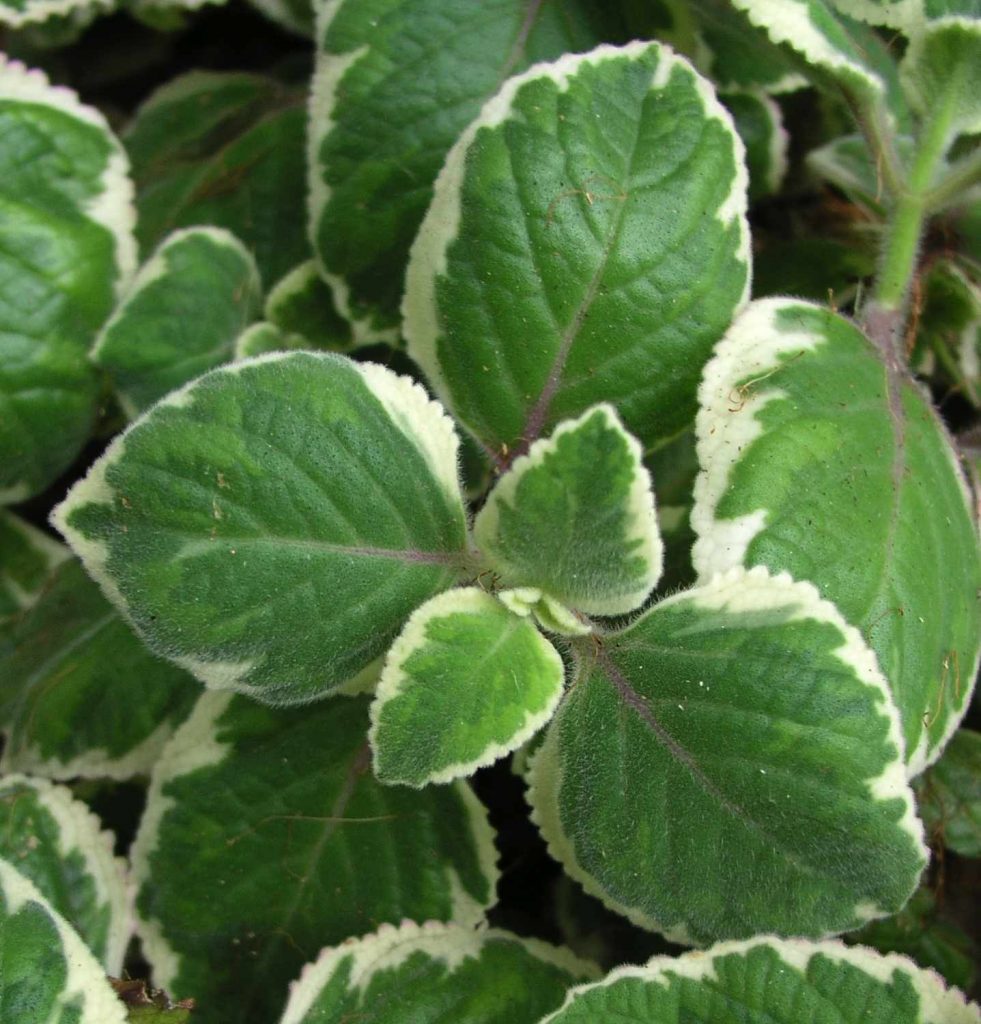
The plant often referred to as the mother of all herbs is oregano. This designation stems from its nutritional, medicinal, and culinary significance throughout various cultures and histories. Oregano, belonging to the mint family, is well-known for its aromatic flavor, making it a staple in Mediterranean cuisine and beyond. Additionally, it possesses various health benefits attributed to its high antioxidant properties and essential oils, such as thymol and carvacrol.
The Nutritional Benefits of Oregano
Oregano is not just a flavoring herb but also packs numerous nutritional benefits that contribute to overall health. It is rich in vitamins A, C, E, and K, as well as several essential minerals.
- Vitamins: Oregano contains high levels of vitamins that promote good health.
- Minerals: Important minerals like calcium, iron, and manganese are found in oregano.
- Antioxidants: Oregano is a source of potent antioxidants that protect the body against oxidative stress.
Medicinal Uses of Oregano
For centuries, oregano has been used for its medicinal properties. It has been attributed to multiple health benefits, making it an integral part of traditional herbal medicine.
- Antimicrobial Properties: Oregano is known to combat bacteria and fungi.
- Anti-inflammatory Effects: The herb helps reduce inflammation in the body, providing relief for various conditions.
- Digestive Support: Oregano aids in digestion and can alleviate gastrointestinal discomfort.
Culinary Uses of Oregano
Oregano is a culinary power that enhances the flavor profiles of countless dishes. Its versatility makes it a beloved ingredient worldwide.
- Pizza and Pasta: Oregano is a key ingredient in Italian cuisine, particularly pizza and pasta sauces.
- Grilled Meats: The herb is frequently used in marinades for grilled dishes, adding depth and richness.
- Salads and Dressings: Fresh or dried oregano can elevate salads and vinaigrettes with its aromatic flavor.
Growing Oregano at Home
Cultivating oregano in your own garden is both rewarding and beneficial. Oregano is relatively easy to grow and requires minimal care.
See also:
- Soil Requirements: Oregano thrives in well-drained soil with a neutral pH.
- Sunlight Needs: It requires plenty of sunlight, ideally around 6 hours a day.
- Watering: Oregano prefers dry conditions, so it's important not to overwater.
Oregano in Different Cultures
The significance of oregano varies across cultures, highlighting its universal appeal and historical impact in global cuisines.
- Mediterranean Cuisine: Oregano plays a pivotal role in Mediterranean diets, enhancing flavor and health.
- Mexican Dishes: In Mexico, oregano is commonly used in dishes like tacos and salsas.
- Traditional Remedies: Many cultures utilize oregano in natural remedies for common ailments.
Which plant is known as the mother of plants?

The plant commonly referred to as the mother of plants is often the mother-in-law's tongue or snake plant (scientific name: Sansevieria trifasciata). This resilient plant is prized for its hardiness and ability to thrive in a variety of conditions, making it a popular choice for indoor gardening.
Origin and History
The snake plant has its origins in West Africa, where it grows naturally in semi-arid regions. Over time, it has been cultivated and spread to various parts of the world due to its aesthetic appeal and low maintenance requirements.
- Native Habitat: Grows in West Africa.
- Global Spread: Cultivated for ornamental purposes worldwide.
- Historical Significance: Known in ancient cultures for medicinal purposes.
Care Requirements
The care requirements for the snake plant are minimal, which contributes to its reputation as the mother of plants. It is known to tolerate neglect and varying environmental conditions.
- Watering: Requires infrequent watering, better to underwater than overwater.
- Light Conditions: Thrives in low light conditions but can also grow in bright, indirect sunlight.
- Soil Type: Prefers well-draining potting soil.
Benefits of the Snake Plant
The snake plant is not only resilient but also offers numerous benefits that make it an ideal indoor plant.
- Air Purification: Known for its ability to filter indoor air pollutants.
- Oxygen Production: Converts carbon dioxide into oxygen at night, unlike most houseplants.
- Space Decoration: Adds aesthetic value to home or office environments.
Reproduction Methods
The snake plant can be propagated through various methods, making it a popular choice for plant enthusiasts looking to expand their collection.
- Leaf Cuttings: Can be easily propagated by cutting leaves into sections.
- Division: Roots can be divided during repotting to create new plants.
- Offsets: Produces rhizomes that create baby plants around the base.
Cultural Significance
In many cultures, the snake plant holds significant cultural value and is often associated with various beliefs and practices.
- Symbolism: Often viewed as a symbol of good luck and protection.
- Feng Shui: Used in Feng Shui to enhance positive energy in living spaces.
- Traditional Uses: Historically utilized for medicinal purposes in different cultures.
Which plant is called the queen of herbs?
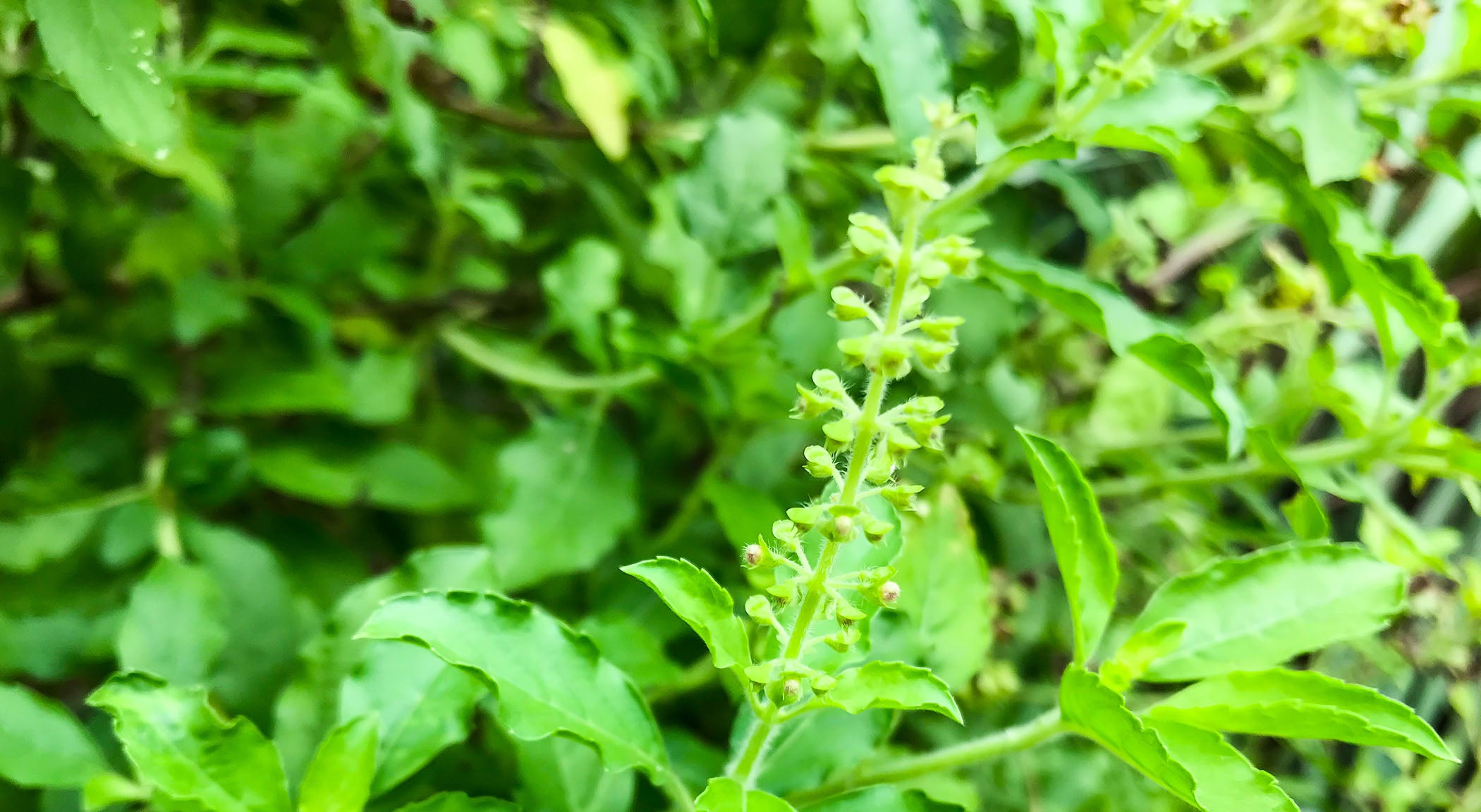
The plant commonly referred to as the queen of herbs is Tulsi, also known as Holy Basil (Ocimum sanctum). This plant is highly revered in various cultures, particularly in India, where it is considered sacred and used for both its medicinal properties and as a spiritual symbol.
Tulsi is known for its numerous health benefits and is often incorporated into traditional Ayurvedic practices. It has a unique flavor that enhances culinary dishes, while its essential oils have a calming fragrance, making it a popular choice for teas and herbal remedies.
Health Benefits of Tulsi
Tulsi offers a wide array of health benefits that contribute to its status as the queen of herbs.
- Anti-inflammatory properties: Tulsi contains compounds that help reduce inflammation in the body.
- Stress relief: It acts as an adaptogen, helping the body manage stress and anxiety.
- Immune support: Regular consumption can boost the immune system due to its antioxidant-rich profile.
Culinary Uses of Tulsi
In the kitchen, Tulsi is valued for its unique flavor and versatility.
See also:
- Herbal teas: Often brewed alone or with other herbs for a refreshing beverage.
- Soups and curries: Adds depth to flavors in various dishes, especially in Indian cuisine.
- Garnish: Fresh leaves can be used as a garnish for salads and other dishes for added aroma and taste.
Cultural Significance of Tulsi
Tulsi holds deep cultural significance in many communities, particularly in India.
- Religious worship: Often planted in homes for daily worship in Hindu traditions.
- Symbol of purity: Represents purity, peace, and the divine in many traditions.
- Mythological stories: Featured in various myths and legends, symbolizing the relationship between the divine and the earthly.
Growing Tulsi
Growing Tulsi can be a rewarding experience, and it requires specific conditions to thrive.
- Sunlight: Prefers at least 6 hours of sunlight daily for optimal growth.
- Soil type: Thrives in well-draining, nutrient-rich soil with a slightly acidic to neutral pH.
- Watering: Requires regular watering but can be sensitive to overwatering; let the soil dry between waterings.
Scientific Research on Tulsi
Numerous scientific studies have been conducted to explore the benefits and applications of Tulsi.
- Phytochemical analysis: Research identifies various active compounds responsible for its health benefits.
- Clinical trials: Some trials have demonstrated its efficacy in stress reduction and immune enhancement.
- Traditional knowledge validation: Researchers are increasingly looking into traditional uses to validate and integrate them into modern medicine.
Which plant is called the king of Herbs?

The plant commonly referred to as the king of herbs is Holy Basil, scientifically known as Ocimum sanctum or Ocimum tenuiflorum. This aromatic herb is highly revered in Ayurvedic medicine and has a significant place in Indian culture and spirituality. Holy Basil is predominantly cultivated in India and is known for its distinct flavor, aroma, and numerous health benefits. It is often referred to in the context of its potential therapeutic properties, which include anti-inflammatory, antioxidant, and adaptogenic effects.
Health Benefits of Holy Basil
Holy Basil is acclaimed for its extensive range of health benefits. The therapeutic properties of this herb make it a staple in alternative medicine. Some key benefits include:
- Stress Relief: Holy Basil is renowned for its adaptogenic properties, helping the body to cope with stress.
- Anti-Inflammatory: It contains compounds that may reduce inflammation in the body, aiding in various health conditions.
- Antioxidant Properties: Holy Basil is rich in antioxidants, which help protect the body from free radical damage.
Culinary Uses of Holy Basil
In culinary practices, Holy Basil is used in various dishes due to its unique flavor profile. It is particularly popular in Southeast Asian cuisine. The culinary uses include:
- Flavoring: The herb adds a distinct taste to soups, curries, and salads.
- Tisanes: Holy Basil leaves are commonly brewed into teas, known for their aromatic properties.
- Garnishing: The leaves can be used fresh to enhance the presentation and flavor of dishes.
Cultural Significance of Holy Basil
Holy Basil holds deep cultural and religious significance in many communities, particularly in Hinduism. Its importance is highlighted by:
- Spiritual Practices: It is often used in religious ceremonies and as an offering to deities.
- Symbol of Purity: Holy Basil is considered a symbol of purity and protection.
- Medicinal Traditions: The herb is integrated into traditional Ayurvedic practices as a remedy for various ailments.
Growing Holy Basil
Cultivating Holy Basil can be both rewarding and beneficial for those interested in gardening. Important aspects to consider include:
- Climate: Holy Basil thrives in warm climates with plenty of sunlight.
- Soil Requirements: It prefers well-draining soil, rich in organic matter.
- Watering: Regular watering is essential, but care should be taken to avoid overwatering.
Comparison with Other Herbs
Compared to other herbs, Holy Basil is often noted for its unique properties and uses. A brief comparison includes:
- Versatility: Unlike many herbs, Holy Basil can be used both in cooking and as a medicinal herb.
- Flavor Profile: It has a distinctly spicy and peppery flavor, differing from milder herbs like basil.
- Therapeutic Uses: Its extensive use in herbal medicine sets it apart from common culinary herbs.
Questions from Our Readers
What is the mother of herbs?
The plant commonly referred to as the mother of herbs is oregano. This herb is not only widely used in cooking for its strong flavor, but it is also praised for its medicinal properties, making it a staple in many traditional remedies.
What are the medicinal benefits of the mother of herbs?
Oregano is known for its high content of antioxidants and other beneficial compounds, which can help combat inflammation and support the immune system. Its essential oil is often used for its antimicrobial and antifungal properties, making it a valuable herb in natural health practices.
How can I use the mother of herbs in cooking?
You can use oregano in various dishes, such as pasta sauces, soups, and marinades. Whether fresh or dried, this herb adds a delightful aroma and taste that enhances the overall flavor profile of your meals.
See also:
Is the mother of herbs easy to grow at home?
Yes, oregano is relatively easy to grow at home, whether in a garden or in pots. It thrives in sunny locations with good drainage, and once established, it requires minimal care, making it a perfect choice for both beginner and experienced gardeners.

If you want to read more articles like Discovering the Healing Power: Which Plant is Known as the Mother of Herbs?, we recommend you check out our Herbs category.
Leave a Reply
Related Articles