Discover What is the Most Expensive Herb to Grow? Insights and Tips for Aspiring Growers

Herbs have been an essential part of culinary traditions and medicinal practices for centuries, but not all herbs are created equal when it comes to value. Some can yield significant profits for growers, making them highly sought after in niche markets. This article delves into the world of horticulture to uncover the most expensive herb to grow, exploring its unique characteristics, cultivation requirements, and the best practices for aspiring growers. Whether you're a hobbyist or looking to turn a profit, understanding these insights can help you navigate the challenging yet rewarding field of herb cultivation.
What is the Most Expensive Herb to Grow?
The most expensive herb to grow is known to be saffron, which is derived from the flower of Crocus sativus, commonly referred to as the saffron crocus. This precious spice commands high prices, often exceeding $10,000 per kilogram, due to the labor-intensive process involved in its harvesting. Each saffron crocus produces only a few strands of saffron, and it takes approximately 150,000 flowers to yield just one kilogram of dried saffron. Besides its culinary uses, saffron is also valued for its medicinal properties and is sometimes described as red gold given its economic worth and historical significance.
Why is Saffron So Expensive?
Saffron's high cost can be attributed to the meticulous harvesting process. Each flower blooms for just one week per year, and the tiny saffron stigmas must be hand-picked at the precise moment of flowering to ensure quality. This intensive labor requirement, combined with the fact that the saffron crocus grows best in specific climate conditions, makes the cultivation and production of saffron a particularly demanding endeavor.
The Cultivation Process of Saffron
To grow saffron, growers need to plant corms in well-drained soil with plenty of sunlight. The best time for planting is typically late summer, allowing the corms to establish roots before winter. After the flowers bloom in the fall, farmers must carefully harvest the stigmas within a few hours each day to prevent them from wilting, emphasizing the critical timing and labor involved in saffron production.
Comparison with Other Herbs
When compared to other popular herbs like basil or rosemary, which can thrive in home gardens with minimal effort, saffron's production requirements are significantly higher. While basil can be easily grown from seed and harvested multiple times within a growing season, saffron requires specialized knowledge, climate conditions, and a substantial investment in labor, making it stand out as one of the most expensive herbs worldwide.
Market Demand and Uses of Saffron
The demand for saffron influences its price in the market, driven by its culinary applications and traditional uses in various cultures. Saffron is prized not only for its unique flavor and color but also for its purported health benefits, including antioxidant properties. This high demand, coupled with limited supply and labor-intensive cultivation, ensures that saffron remains a luxury item in kitchens around the globe.
Growing Saffron at Home
For those interested in growing saffron at home, it’s essential to understand that successful cultivation requires adequate space and conditions. Saffron corms should be planted in well-draining pots or garden beds with full sunlight exposure. Additionally, it's crucial to maintain the right watering schedule, as both overwatering and underwatering can negatively affect the plants. While home-growing saffron can be rewarding, it's essential to manage expectations regarding yield due to the challenges involved.
| Aspect | Saffron | Basil | Rosemary |
|---|---|---|---|
| Cost per kg | $10,000+ | $20-$50 | $30-$100 |
| Harvesting Method | Hand-picked | Cutting | Cutting |
| Growing Requirements | Specific climate | Versatile | Varied |
| Annual Yield | 1 kg from 150,000 flowers | Multiple cuts | Multiple cuts |
| Usage | Culinary and medicinal | Culinary | Culinary |
What is the most profitable herb to grow?


The most profitable herb to grow is often considered to be basil. This herb not only has a high market demand, particularly in culinary uses, but it also offers excellent yield potential when cultivated correctly. Various factors contribute to its profitability, including its growing conditions, harvesting frequency, and the ability to thrive in indoor or outdoor gardens.
Market Demand for Basil
Basil enjoys a strong presence in culinary applications, making it highly sought after. Its popularity is attributed to its essential use in dishes ranging from pasta sauces to salads. The market demand can be broken down into several key aspects:
- Culinary Use: Widely used in various cuisines, especially Italian and Mediterranean.
- Fresh vs. Dried: Fresh basil has a higher market price compared to dried, making it a preferred choice for growers.
- Age of Consumers: Younger generations are increasingly interested in cooking at home, boosting the demand for fresh herbs.
Growing Conditions for Maximum Yield
Basil thrives in specific conditions that can enhance its yield significantly. Optimal growth parameters include:
- Climate: Prefers warm temperatures and plenty of sunlight, ideally around 70-85°F.
- Soil Requirements: Well-draining soil enriched with organic matter ensures maximum nutrient availability.
- Watering Needs: Regular watering is essential, but overwatering can lead to root rot.
Harvesting Techniques
Efficient harvesting techniques can greatly increase the profitability of basil. Consider the following methods:
- Frequency: Regularly harvesting basil encourages bushier growth and prevents the plant from flowering too early.
- Cutting Technique: Use sharp scissors to cut stems just above a leaf node, promoting further growth.
- Timing: Harvest in the morning when oil concentrations in the leaves are highest for maximum flavor.
Supporting Sustainable Practices
Sustainability can enhance a herb's marketability and appeal, especially among environmentally conscious consumers. Effective sustainable practices include:
- Organic Growing: Employ organic methods to increase consumer trust and potentially higher sales prices.
- Pest Management: Use biological pest management to minimize chemical use and environmental impact.
- Crop Rotation: Implementing crop rotation to maintain soil health and prevent diseases.
Potential Challenges in Basil Cultivation
While basil is profitable, there are challenges that growers may encounter. Awareness can help mitigate risks:
- Pest Issues: Aphids and thrips can damage the plants if left unchecked.
- Weather Sensitivity: Extreme temperatures can affect growth and yield, making weather monitoring essential.
- Market Fluctuations: Prices can vary seasonally, requiring growers to plan strategically for supply and demand.
What herb is worth more than gold?
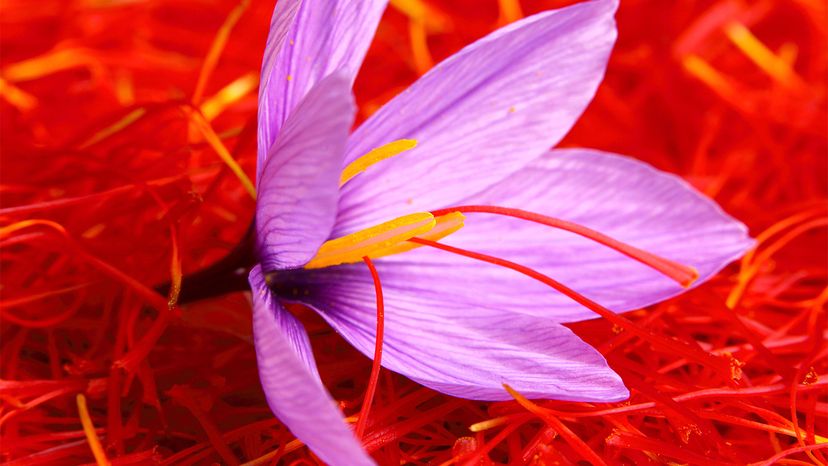
The herb that is often considered to be worth more than gold is saffron. This premium spice is derived from the flower of Crocus sativus, also known as the saffron crocus. The high value of saffron comes from the labor-intensive process of harvesting, which involves hand-picking the delicate stigma of the flower. Due to its limited production and the vast amount of flowers needed to yield a small quantity of saffron, it can sell for astronomical prices, sometimes exceeding $10,000 per kilogram. This makes it more valuable by weight than gold.
See also:
Origins of Saffron
Saffron has a rich history that dates back thousands of years. Its origins can be traced to the Mediterranean region, specifically in areas such as Iran, Greece, and parts of India. The process of cultivating saffron and its use in culinary and medicinal practices has evolved over time, solidifying its status as one of the world's most cherished spices.
- Saffron is believed to have been first cultivated in Iran.
- The spice has been used in ancient medicine and culinary dishes.
- It appears in historical texts from various cultures, including Persian and Indian.
Harvesting Process of Saffron
The harvesting of saffron is a meticulous and laborious process. It requires skilled labor, as each flower blooms for a short period, and the stigma must be collected quickly to ensure quality. The flowers are typically harvested in the early morning, and it takes approximately 150,000 flowers to produce just one kilogram of saffron.
- Harvesting occurs during the fall, typically in October.
- Each flower produces three red stigmas, which are carefully picked by hand.
- Post-harvest, the stigmas are dried to enhance their potency and flavor.
Health Benefits of Saffron
Saffron is not only prized for its unique flavor and aroma but also for its health benefits. It contains various bioactive compounds that are believed to promote well-being. Studies suggest that saffron may have anti-inflammatory, antioxidant, and mood-enhancing properties, making it a valuable addition to both culinary and medicinal applications.
- Rich in antioxidants, which can combat oxidative stress in the body.
- May improve mood and alleviate symptoms of depression.
- Has been linked to improved memory and cognitive function.
Culinary Uses of Saffron
Saffron is a versatile spice that enhances a variety of dishes with its golden color and distinct flavor. It is widely used in cuisines around the world, from paella in Spain to risotto in Italy. Its unique flavor profile and vibrant hue make it a favorite among chefs seeking to elevate their culinary creations.
- Commonly used in rice dishes, soups, and sauces.
- Enhances desserts such as saffron-infused ice cream and puddings.
- Utilized in traditional beverages and herbal teas for its flavor and health benefits.
Economic Impact of Saffron Production
The saffron industry has significant economic implications, especially in countries that are major producers. Iran is the largest producer globally, accounting for a significant percentage of the world's saffron supply. The cultivation and sale of saffron provide livelihoods for many farmers, promoting sustainable agricultural practices while contributing to local and national economies.
- Creates employment opportunities in rural areas where saffron is cultivated.
- Encourages agricultural innovation and preservation of traditional farming techniques.
- Boosts local economies through the promotion of tourism and gourmet food industries.
Questions from Our Readers
What is the most expensive herb to grow?
The most expensive herb to grow is saffron, which is derived from the stigmas of the Crocus sativus flower. It takes about 150,000 flowers to produce just one kilogram of saffron, making it a labor-intensive and costly crop.
Why is saffron so expensive?
Saffron is expensive due to its labor-intensive harvesting process and the sheer number of flowers needed to produce a small quantity. Each flower produces only three stigmas, and they must be hand-picked during a brief flowering period, contributing to its high market value.
What climate is needed to grow saffron?
Saffron thrives in a Mediterranean climate with well-drained soil, plenty of sunlight, and mild winters. It requires a dry environment during summer to prevent bulb rot, making certain regions particularly suitable for its cultivation.
See also:
Can saffron be grown in home gardens?
Yes, saffron can be grown in home gardens if the conditions are met. With the right climate, proper soil drainage, and a sunny location, gardeners can successfully grow saffron, though it may take a few years before they see substantial yields.

If you want to read more articles like Discover What is the Most Expensive Herb to Grow? Insights and Tips for Aspiring Growers, we recommend you check out our Herbs category.
Leave a Reply
Related Articles