What Does Rosemary Not Like? Top Factors to Avoid for Healthy Growth

Rosemary, a fragrant herb cherished for its culinary uses and aromatic properties, can be sensitive to various environmental conditions. Understanding what rosemary dislikes is crucial for maintaining its health and promoting vigorous growth. In this article, we will explore the top factors that can hinder rosemary's development, including unsuitable soil types, excessive moisture, and poor sunlight exposure. By identifying and avoiding these detrimental conditions, gardeners can ensure their rosemary thrives, producing lush foliage and robust flavor. Join us as we delve into the key aspects to consider for cultivating healthy rosemary plants.
What Does Rosemary Not Like?
Rosemary is a hardy herb, but there are several conditions and factors that it does not thrive in. Primarily, rosemary does not like excessive moisture, which can lead to root rot, making it essential to have well-draining soil and adequate air circulation. Additionally, rosemary is not fond of over-fertilizing, which can cause lush but weak growth that is more susceptible to diseases. It also dislikes extreme cold temperatures; while it's somewhat tolerant of frost, prolonged exposure to freezing conditions can damage the plant. Lastly, rosemary is sensitive to compacted soil, which restricts root growth and can negatively impact the health of the plant.
Excessive Moisture
Rosemary thrives in well-drained soil and dislikes being waterlogged. Excessive moisture can lead to root rot, which is a common issue, especially if the plant is kept in pots without drainage holes. To prevent this, it's crucial to allow the top layer of soil to dry out between waterings and to ensure that the pot or garden bed has adequate drainage to promote healthy growth.
Cold Temperatures
While rosemary can tolerate some frost, it does not do well in cold temperatures for extended periods of time. Prolonged exposure to freezing conditions can damage the leaves and stems, leading to reduced vigor or even death of the plant. To protect rosemary in colder climates, it's advisable to bring potted plants indoors during the winter months or cover them with mulch if planted in the garden.
Over-Fertilization
Rosemary does not respond well to over-fertilization, which can cause the plant to grow excessively lush and weak. This increase in soft growth can make the plant more susceptible to pests and diseases. It’s better to use a diluted organic fertilizer sparingly during the growing season to ensure the rosemary maintains its aromatic qualities without becoming overly dependent on nutrients.
Compacted Soil
Compacted soil is detrimental to rosemary as it restricts root development and limits access to water and nutrients. The plant prefers loose, well-aerated soil to foster healthy root growth. To improve soil conditions, consider amending the garden bed with organic matter or using raised beds to provide a better environment for the rosemary to thrive.
Poor Sunlight
Rosemary thrives in full sun and does not appreciate being in poor sunlight conditions. Insufficient light can lead to leggy growth and reduced flavor in the leaves. For optimal growth, rosemary should receive at least six to eight hours of direct sunlight each day, ensuring it grows robust and flavorful.
| Condition | Effect on Rosemary |
|---|---|
| Excessive Moisture | Root rot and poor plant health. |
| Cold Temperatures | Frost damage and reduced vigor. |
| Over-Fertilization | Lush growth susceptible to pests. |
| Compacted Soil | Restricted root development. |
| Poor Sunlight | Leggy growth and decreased flavor. |
What should you not plant near rosemary?
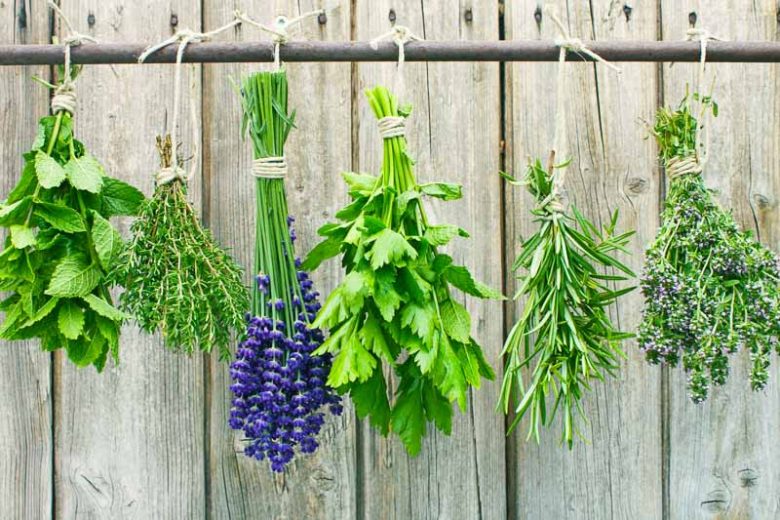
When considering companion planting with rosemary (Rosmarinus officinalis), it is crucial to avoid certain plants that can inhibit its growth or attract pests. Rosemary thrives in well-drained soil and prefers a sunny spot, making it incompatible with plants that have different soil and light requirements. Here’s a detailed look at what should not be planted near rosemary:
1. Basil
Basil is often considered a companion plant for many herbs, but it does not pair well with rosemary. The two plants have different requirements and may compete for nutrients and moisture. Rosemary's strong scent can also overpower the more subtle aroma of basil.
See also:
- Basil prefers more moisture than rosemary.
- The strong oils in rosemary can inhibit the growth of basil.
- They may attract different pests, complicating pest management.
2. Mint
Mint is another herb that should not be planted near rosemary. Mint can grow aggressively and may overshadow rosemary, leading to competition for resources such as sunlight and soil nutrients. Furthermore, the soil conditions preferred by mint are often too damp for rosemary to thrive.
- Mint requires consistently moist conditions, which rosemary does not.
- The aggressive growth of mint can outcompete rosemary.
- Mint and rosemary can attract different types of pests and diseases.
3. Sage
While both sage and rosemary are Mediterranean herbs, they should not be planted together due to their similar growth patterns and potential for disease transmission. Both plants may attract the same type of pests, leading to an increased chance of complications.
- Sage has similar moisture needs, conflicting with rosemary’s preference for drier soil.
- Planting them together can increase susceptibility to diseases.
- Companion pest attraction may occur, making pest control more difficult.
4. Oregano
Oregano is a popular herb but can struggle when planted near rosemary. Both herbs have similar growth habits and can easily compete for light, nutrients, and space, potentially stunting each other's growth.
- Both oregano and rosemary may enter fierce competition for sunlight.
- They have overlapping nutrient requirements, which can lead to deficiencies.
- Planting them together may result in reduced flavor profiles.
5. Carrots
Carrots may seem like a safe option but are not compatible with rosemary. The presence of rosemary may hinder carrot growth due to the former's strong aromatic oils, which can affect the carrot's development.
- Carrots synthesize their growth better in the absence of strong aromas.
- Rosemary can attract pests that target carrot crops.
- Both plants thrive in similar conditions, leading to competition.
What not to mix rosemary with?
:max_bytes(150000):strip_icc()/Health-RosemaryOil-Horiz-cab062636e554ad388f7df799dbfd8c2.jpg)
Rosemary is a popular herb known for its culinary and medicinal uses. However, certain combinations with rosemary might result in undesirable effects or diminished efficacy. Below are some considerations regarding what to avoid mixing with rosemary.
Avoid Mixing Rosemary with Blood Thinners
Mixing rosemary with blood thinners can heighten the risk of bleeding. Rosemary contains compounds that may affect blood clotting. It is crucial for individuals on anticoagulant medications to be cautious with rosemary intake.
- Rosemary may enhance the effects of medications like warfarin.
- It could lead to increased bleeding risks for individuals with clotting disorders.
- Consulting with a healthcare professional is advisable before adding rosemary.
Caution with High Doses of Rosemary Oil
Using rosemary oil in high concentrations can lead to toxic effects. Essential oils are potent and should be used sparingly and with care.
- High doses can cause headaches and gastrointestinal distress.
- It may also irritate the skin if applied topically without dilution.
- Always dilute rosemary oil with a carrier oil before use.
Interactions with Diuretics
Rosemary has mild diuretic properties, which may interact with conventional diuretic medications.
- There might be an increased risk of dehydration due to enhanced urination.
- Individuals on diuretics should monitor fluid intake.
- Consult a healthcare provider to evaluate the safety of combining both.
Reacting with Antidepressants
Some antidepressants may have interactions with rosemary, particularly in sensitive individuals.
See also:
- The herb might affect serotonin levels when taken in large amounts.
- It could lead to increased side effects of antidepressants.
- Discuss with a doctor before incorporating rosemary into your routine while on these medications.
Combine with Caution in Cooking
Be cautious when using rosemary in dishes with strong flavors such as garlic or fish.
- Rosemary's strong flavor can easily overpower other ingredients.
- It can clash with some spicy or sour components, altering the dish.
- Experimentation is key; consider using small amounts initially.
What animals do not like rosemary?

Rosemary (Rosmarinus officinalis) is a fragrant herb that is often used in cooking, but it also has repellent properties that can deter certain animals. Generally, rosemary is known to be unappealing to some pests, rodents, and other animals. Here are some categories of animals that typically do not favor rosemary:
1. Cats
Cats are known for their unique preferences when it comes to smells. They are generally not fond of strong aromatic herbs. Rosemary has a robust scent that many cats find overwhelming and unpleasant.
- Avoidance Behavior: Cats may actively avoid areas where rosemary is planted.
- Not Attracted: Unlike catnip, rosemary does not elicit any positive response from felines.
- Potential Irritation: Some cats may experience mild irritation from the essential oils in rosemary.
2. Dogs
Dogs are more varied in their preferences compared to cats, but generally, rosemary is not appealing to most dogs. The strong aroma usually does not attract them, and some dogs may even find it off-putting.
- Repellent Effect: The scent of rosemary can deter dogs from chewing on plants.
- Not a Favorite Plant: Dogs often prefer softer, more fragrant herbs over rosemary.
- Digestive Concerns: Ingesting rosemary in large quantities may lead to gastrointestinal upset.
3. Rabbits
Rabbits are notorious for munching on various plants but tend to shy away from certain herbs like rosemary. The taste and scent are usually unappealing to them.
- Aromatic Deterrent: The strong scent of rosemary is often a natural deterrent for rabbits.
- Not Nutritious: Rabbits may find rosemary less appealing due to its less nutritious nature compared to other greens.
- Discouraging Growth: Gardeners often use rosemary to protect vegetable gardens from rabbit infestation.
4. Deer
Deer are known to consume a wide variety of plants, yet they tend to avoid herbs with strong fragrances such as rosemary.
- Natural Repellent: The robust scent of rosemary can discourage deer from entering gardens.
- Flavor Profile: Deer often prefer sweeter, milder plants over the pungent flavor of rosemary.
- Effective Barrier: Planting rosemary can act as an effective barrier against deer damage in gardens.
5. Insects
Certain insects also tend to avoid rosemary due to its strong essential oils. This includes several common garden pests.
- Aromatic Resistance: Insect pests are often repelled by the concentrated aroma of rosemary.
- Natural Pest Control: Rosemary can be used as a natural insect repellent in gardens.
- Essential Oils: Many bugs find the essential oils in rosemary toxic or unpalatable.
Questions from Our Readers
What kind of soil does rosemary not like?
Rosemary does not thrive in poorly draining or heavy soils. It prefers well-draining, sandy, or loamy soil conditions, as excess moisture can lead to root rot and other issues.
Does rosemary tolerate shade?
No, rosemary does not like shade; it thrives in full sunlight. Insufficient light can lead to leggy growth and reduced flavor in its leaves.
See also:
How much water does rosemary not prefer?
Rosemary does not prefer being overwatered. This herb prefers to dry out between waterings, as too much moisture can cause root problems and affect its overall health.
What temperatures are unsuitable for rosemary?
Rosemary does not appreciate extreme cold or frosty conditions. It is best suited for mild climates and can suffer damage when exposed to temperatures below freezing.

If you want to read more articles like What Does Rosemary Not Like? Top Factors to Avoid for Healthy Growth, we recommend you check out our Herbs category.
Leave a Reply
Related Articles