What is the Father of All Herbs? Discover Its Benefits and Uses
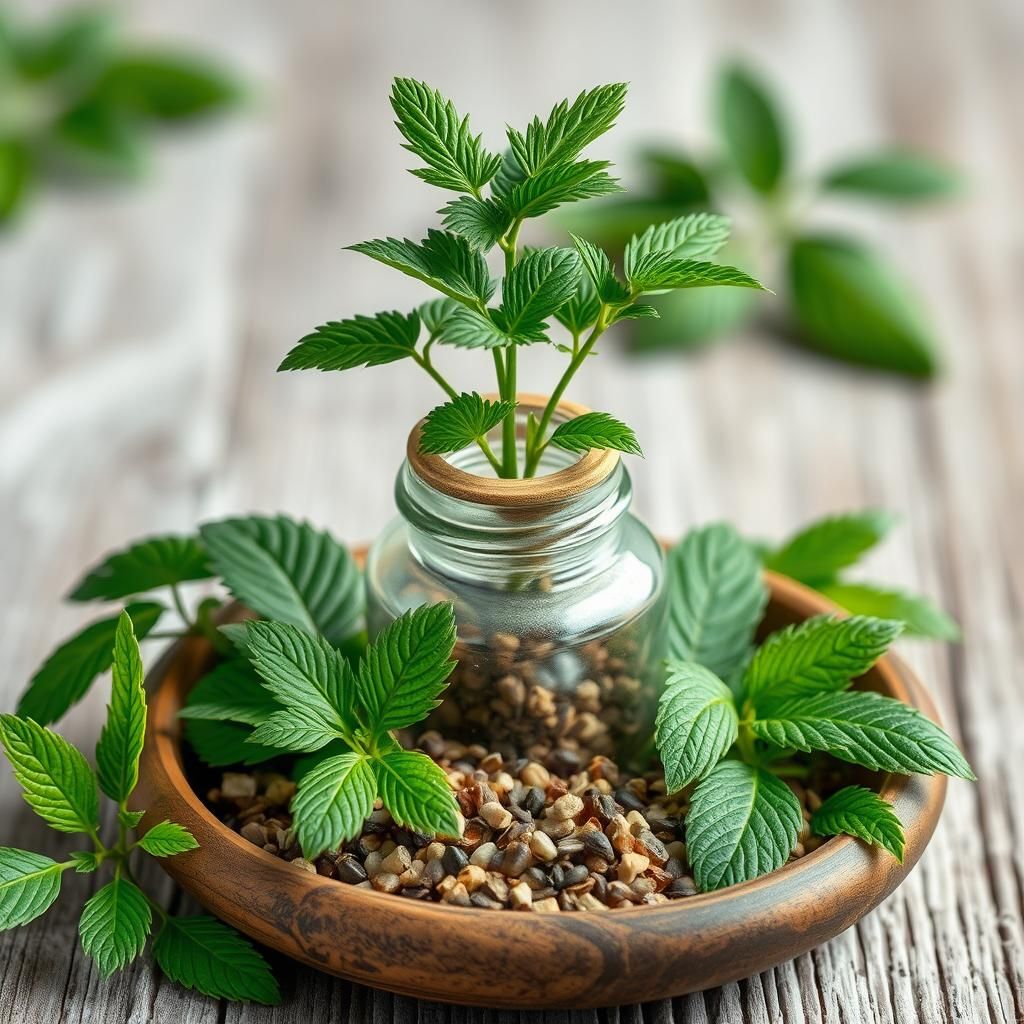
The quest for natural remedies and holistic health solutions has led many to explore the realm of herbs. Among this diverse botanical world, one herb is often referred to as the Father of All Herbs. This title speaks to its esteemed position in traditional medicine and its numerous health benefits. In this article, we will delve into the origins, benefits, and various uses of this remarkable herb. From culinary applications to therapeutic possibilities, discover how the Father of All Herbs can play a pivotal role in enhancing your well-being and enriching your daily life.
What is the Father of All Herbs?
The term Father of All Herbs is often attributed to Tulsi, also known as Holy Basil. This revered plant is celebrated in traditional Ayurvedic medicine for its extensive medicinal properties and spiritual significance. Known for its aromatic leaves, Tulsi is considered a sacred plant in Hindu culture and is thought to promote physical, mental, and spiritual well-being. Its use spans centuries, as it is believed to help combat stress, enhance immunity, and balance the body's energies. The plant's versatility in culinary uses and its ability to thrive in various climates have contributed to its esteemed status, earning it a prominent place in gardens and homes around the world.
Medicinal Benefits of Tulsi
Tulsi is renowned for its therapeutic qualities, which include anti-inflammatory, anti-bacterial, and anti-fungal effects. It is often used in herbal remedies to alleviate symptoms of respiratory ailments, improve digestion, and reduce anxiety. Rich in antioxidants, the plant helps combat oxidative stress, which may lead to chronic diseases. Its ability to regulate blood sugar levels and support heart health further underscores its potent role as a natural healer.
Cultural Significance of Tulsi
In many cultures, especially in India, Tulsi holds a prominent place in spiritual practices. It is often planted around homes and temples as a symbol of purity and protection. Rituals involving Tulsi are common, where it is offered to deities and used in prayers, signifying a connection to the divine. The leaves are also employed in traditional religious ceremonies, reflecting the deep-rooted reverence for this herb.
Growing and Caring for Tulsi
Growing Tulsi is relatively straightforward, as it thrives well in bright sunlight and well-drained soil. It can be cultivated in gardens or in pots, making it suitable for both home and balcony gardening. Regular pruning encourages bushy growth, and the plant typically flourishes during the warm months. Ensuring adequate watering while preventing waterlogging is crucial for maintaining plant health and maximizing its potential benefits.
Culinary Uses of Tulsi
Aside from its medicinal properties, Tulsi is a flavorful addition to various dishes. Its leaves can be used fresh in salads, blended into smoothies, or brewed into teas for a refreshing beverage. The herb’s distinct taste complements soups and curries, adding both nutritional value and unique flavor. In some cultures, Tulsi is also used in traditional beverages, enjoyed for both taste and health benefits.
A look at Tulsi in Research
Recent studies have focused on Tulsi's potential health benefits, exploring its effects on stress reduction, immunity enhancement, and inflammation. Researchers are examining the bioactive compounds present in the plant, such as eugenol and rosmarinic acid, which contribute to its health properties. These scientific inquiries reaffirm what has been known for centuries in traditional medicine, highlighting Tulsi's significance as the Father of All Herbs.
| Aspect | Details |
|---|---|
| Scientific Name | Ocimum sanctum |
| Family | Lamiaceae |
| Common Uses | Medicinal, Culinary, Spiritual |
| Key Compounds | Eugenol, Rosmarinic Acid |
| Growing Conditions | Full Sun, Well-Drained Soil |
What is the king of all herbs?

The title of the king of all herbs is often attributed to basil, particularly sweet basil (Ocimum basilicum). This herb is highly revered not only for its culinary applications but also for its medicinal benefits. Its rich flavor and aroma make it a staple in various cuisines, particularly in Italian and Mediterranean dishes. However, its significance extends beyond cooking, as basil is known for its potential health advantages, including anti-inflammatory, antioxidant, and antibacterial properties.
Culinary Uses of Basil
Basil is a versatile herb that enhances the flavor profile of many dishes. Here are some common culinary uses:
- Pesto: Basil is a key ingredient in pesto, a traditional Italian sauce made with garlic, pine nuts, Parmesan cheese, and olive oil.
- Salads: Fresh basil leaves can elevate the taste of salads, especially when combined with tomatoes and mozzarella.
- Soups and Sauces: Basil is often used in soups, stews, and sauces, adding depth and freshness to the overall dish.
Health Benefits of Basil
The consumption of basil offers various health benefits due to its rich nutrient profile. Some notable advantages include:
- Anti-inflammatory: Basil contains essential oils that can help reduce inflammation in the body.
- Antioxidant Properties: The herb is packed with antioxidants which help combat oxidative stress and protect cells from damage.
- Digestive Health: Basil may aid digestion by promoting healthy gut bacteria and alleviating bloating and gas.
Growing Basil at Home
Growing basil at home can be rewarding and is quite simple. Here are some tips for cultivation:
- Choose the Right Location: Basil thrives in warm, sunny areas with well-draining soil.
- Watering: Ensure the plant is watered regularly but avoid overwatering, which can lead to root rot.
- Pruning: Regularly trimming basil will encourage bushier growth and prevent it from flowering too early.
Types of Basil
There are several varieties of basil, each with its unique flavor and aroma. Some popular types include:
See also:
- Sweet Basil: The most commonly used type in cooking, known for its sweet, fragrant flavor.
- Thai Basil: Characterized by its slightly spicy flavor and purple stems, often used in Asian cuisines.
- Holy Basil: Also known as Tulsi, this variety is revered in Ayurvedic medicine for its health benefits.
Basil in Traditional Medicine
Basil has a long history of use in traditional medicine systems around the world. Some applications include:
- Stress Relief: Basil is believed to help reduce stress and promote relaxation.
- Respiratory Support: The herb may provide relief from respiratory issues such as asthma and bronchitis.
- Immune System Boosting: Regular consumption of basil can support the immune system due to its rich vitamin C content.
What is the mother of all herbs?
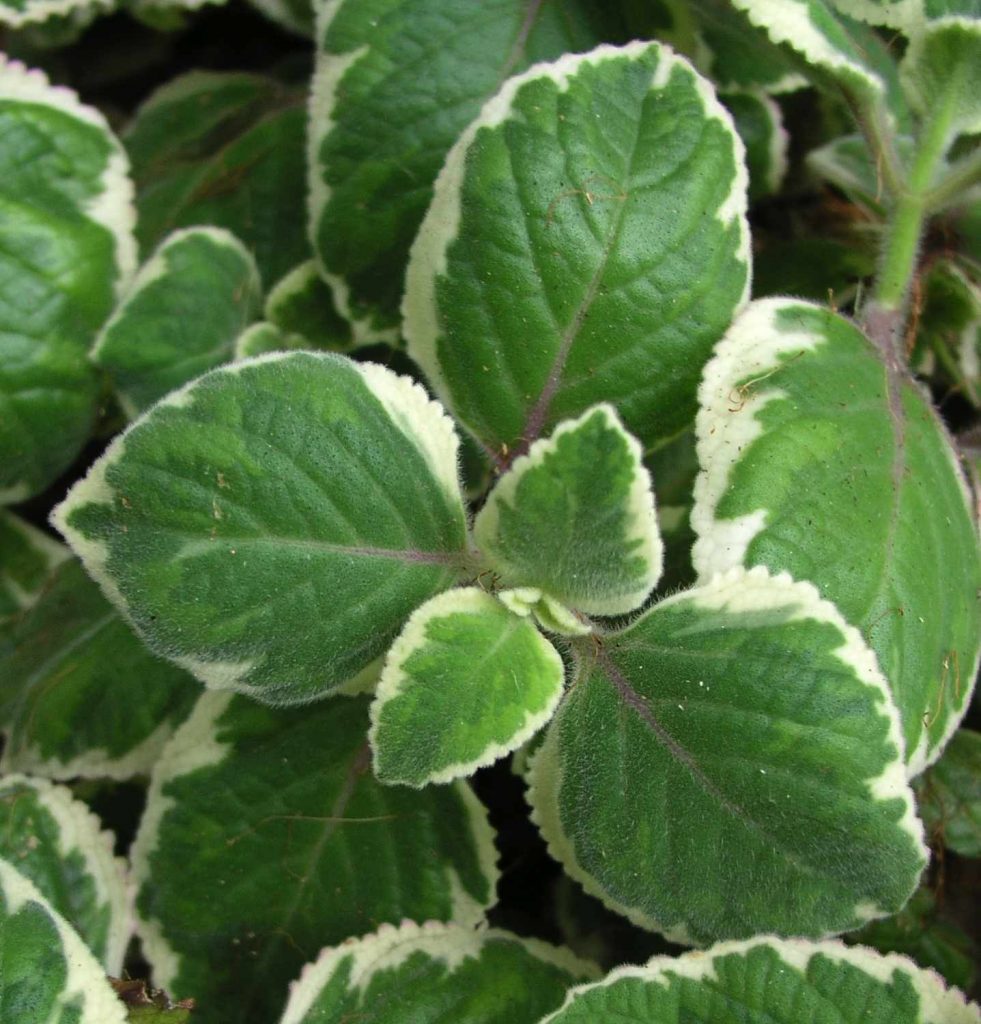
The term mother of all herbs is often attributed to Ashwagandha, a plant in the nightshade family that has been used in traditional Ayurvedic medicine for centuries. Known scientifically as Withania somnifera, Ashwagandha is revered for its adaptogenic properties, meaning it helps the body adapt to stress and promotes overall balance in both physical and mental health. This herb is characterized by its small green fruits and yellow flowers and is native to India, the Middle East, and parts of Africa.
Ashwagandha: The Adaptogen
Adaptogens are natural substances that help the body manage stress and promote homeostasis. Ashwagandha is considered one of the most potent adaptogens due to its ability to modulate physiological responses to stress.
- Stress Reduction: It decreases levels of stress hormones like cortisol.
- Improved Resilience: It enhances stamina and resilience to stressful situations.
- Balanced Mood: It can help alleviate anxiety and depression symptoms.
Health Benefits of Ashwagandha
The comprehensive health benefits of Ashwagandha extend beyond stress management. This herb has been studied for its positive effects on various bodily functions.
- Immune Support: It boosts the immune system and enhances overall health.
- Cognitive Function: Improves memory, brain function, and mental clarity.
- Physical Performance: Enhances strength and endurance during exercise.
Ashwagandha in Ayurvedic Medicine
In Ayurvedic medicine, Ashwagandha is classified as a 'Rasayana,' a category of herbs known for their rejuvenating properties. It is an integral part of traditional treatments aimed at improving longevity and vitality.
- Holistic Health: It promotes a holistic approach to health and wellness.
- Energy Levels: Increases energy and stamina, combating fatigue.
- Overall Vitality: Enhances vigor and youthfulness.
Forms and Usage of Ashwagandha
Ashwagandha can be consumed in several forms, making it accessible for various preferences and lifestyles. Depending on the desired effects, users can choose among these formats.
- Powder: Commonly mixed with liquids or foods for easy consumption.
- Capsules: Convenient for those who prefer measured dosages.
- Tinctures: Liquid extracts for faster absorption.
Scientific Research on Ashwagandha
Recent scientific studies have increasingly validated many traditional claims about Ashwagandha, leading to a surge in interest among researchers and health enthusiasts alike.
- Clinical Trials: Various studies have shown its effectiveness in reducing stress and improving mental health.
- Anti-Inflammatory Effects: Research indicates it may help reduce inflammation in the body.
- Hormonal Balance: Observed benefits in regulating thyroid and reproductive hormones.
What is the father of all foods?

The phrase the father of all foods often refers to rice, particularly in the context of various cultures around the world. It is considered a staple food for more than half of the world's population, especially in Asia.
Rice serves as a versatile ingredient that can be prepared in numerous ways and is fundamental to many cuisines. It not only provides essential nutrition but also plays a significant cultural and economic role in societies.
Historical Significance of Rice
Rice has been cultivated for thousands of years, dating back to ancient civilizations in Asia. It has become a vital part of various cultures.
- Origin: The domestication of rice began around 10,000 years ago in the Yangtze River valley.
- Cultural Impacts: Many festivals and rituals are centered around rice planting and harvest.
- Trade and Economy: Rice has been a significant trade commodity, influencing economies in agricultural societies.
Nutritional Value of Rice
Rice is a significant source of carbohydrates and provides energy, making it a crucial part of the human diet.
See also:
- Carbohydrates: It comprises about 80% carbohydrates, which are essential for energy.
- Vitamins and Minerals: Rice contains essential vitamins like B vitamins and minerals such as iron and magnesium.
- Varieties: Different types of rice, such as brown, white, and wild rice, offer various health benefits.
Cooking Techniques for Rice
There are multiple methods to cook rice, which can greatly influence its taste and texture, making it adaptable to various cuisines.
- Boiling: The most common method involves boiling rice in water until tender.
- Steaming: This method retains more nutrients and gives a distinctive texture.
- Frying: Fried rice, often used in Asian cuisine, adds flavor and utilizes leftover rice.
Rice Varieties Around the World
Different regions have their unique varieties of rice, each with distinct flavors, textures, and culinary uses.
- Sushi Rice: A short-grain rice used in Japanese cuisine, known for its sticky texture.
- Basmati Rice: An aromatic long-grain rice from India, famous for its fluffy texture.
- Arborio Rice: A short-grain rice used in Italian risotto, known for its creamy consistency.
The Economic Impact of Rice Farming
Rice farming is crucial for many developing countries' economies, providing employment and supporting livelihoods.
- Employment: Millions of farmers rely on rice cultivation as their primary source of income.
- Food Security: Rice production is crucial for ensuring food security in many regions.
- Exports: Countries like Thailand and Vietnam significantly contribute to the global rice market.
What is the name of the king of herbs?
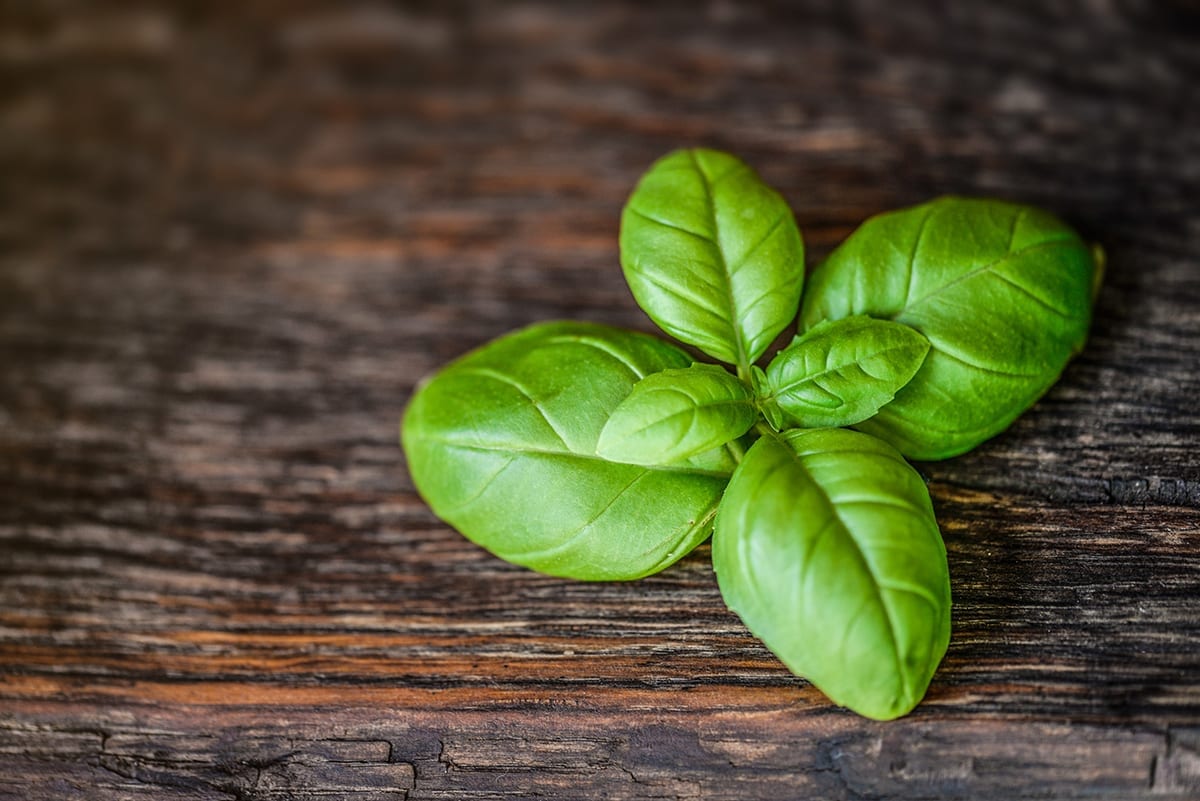
The name of the king of herbs is often considered to be Tulsi, also known as Holy Basil. This herb holds a prominent place in various cultures, particularly in India, where it is revered for its extensive medicinal properties and spiritual significance. Tulsi is scientifically referred to as Ocimum sanctum and is regarded as a sacred plant in Hinduism, symbolizing purity and virtue.
Medicinal Properties of Tulsi
Tulsi is well-known for its numerous medicinal attributes, making it highly sought after in herbal medicine. It contains compounds that are believed to provide various health benefits.
- Antioxidant properties: Tulsi is rich in antioxidants, which help protect the body against free radicals.
- Anti-inflammatory effects: The herb has components that can reduce inflammation, supporting overall health.
- Stress relief: Tulsi is adaptogenic, meaning it can help the body adapt to stress and promote mental balance.
Culinary Uses of Tulsi
In addition to its medicinal uses, Tulsi is also popular in culinary applications. Its distinctive flavor makes it a valuable ingredient in various dishes.
- Flavoring agent: Fresh or dried Tulsi leaves can be used to enhance the taste of soups, stews, and teas.
- Herbal chai: Tulsi is a common addition to Indian chai, adding a unique flavor and aroma.
- Salads and sauces: The leaves can be added to salads or sauces, providing a fresh and peppery taste.
Cultural Significance of Tulsi
Tulsi is more than just a herb; it has significant cultural importance, especially in Indian traditions where it’s often grown in households.
- Sacred plant: Tulsi is considered a sacred plant and is often worshipped in Hindu households.
- Symbol of purity: The herb represents purity, and its presence in homes is believed to purify the environment.
- Daily rituals: Many families perform daily rituals involving Tulsi, reflecting its spiritual significance.
Growing Tulsi at Home
Cultivating Tulsi at home is simple and rewarding, making it an excellent choice for gardeners and herb enthusiasts.
- Growing conditions: Tulsi thrives in warm climates, needing plenty of sunlight and well-drained soil.
- Watering needs: Regular watering is crucial, but over-watering must be avoided to prevent root rot.
- Pest management: Organic methods such as neem oil can be utilized to protect Tulsi from pests.
Popular Varieties of Tulsi
There are several varieties of Tulsi, each possessing unique characteristics and benefits that cater to different preferences and uses.
- Krishna Tulsi: Known for its dark purple leaves and strong aroma, it's often used in Ayurvedic medicine.
- Vana Tulsi: This variety grows wild and has a more intense flavor, ideal for herbal preparations.
- Ram Tulsi: Characterized by its green leaves, this is the most commonly cultivated variety, widely used in culinary dishes.
Questions from Our Readers
What is the father of all herbs?
The term father of all herbs typically refers to Ashwagandha, a prominent herb in Ayurvedic medicine. It is celebrated for its adaptogenic properties, helping the body cope with stress and promote overall well-being.
What are the health benefits of Ashwagandha?
Ashwagandha is known for its numerous health benefits, including reducing anxiety, improving sleep, enhancing cognitive function, and supporting immune health. Its adaptogenic nature helps the body maintain balance and resilience against stress.
How is Ashwagandha typically consumed?
Ashwagandha can be consumed in various forms, including powder, capsules, and tea. The powdered form is often added to smoothies or taken with warm milk, while capsules provide a convenient option for those seeking a quick and easy solution.
See also:
Are there any side effects associated with Ashwagandha?
While Ashwagandha is generally considered safe, some individuals may experience side effects such as digestive issues, drowsiness, or allergic reactions. It is advisable to consult with a healthcare professional before starting any new supplement, especially for those with underlying health conditions or pregnant individuals.

If you want to read more articles like What is the Father of All Herbs? Discover Its Benefits and Uses, we recommend you check out our Herbs category.
Leave a Reply
Related Articles