Why Plant Marigolds in a Vegetable Garden? Benefits and Tips for Successful Gardening
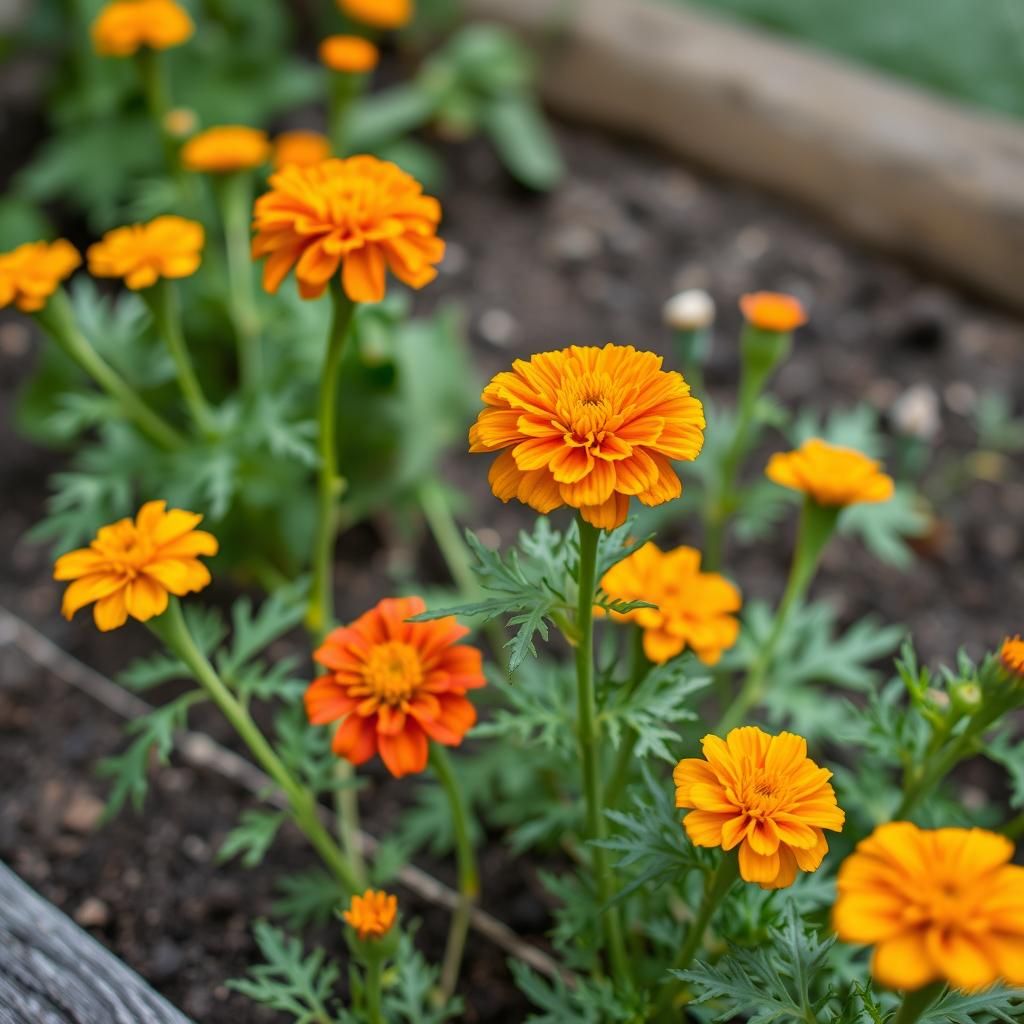
Planting marigolds in a vegetable garden offers a multitude of benefits that can enhance both plant health and yield. These vibrant flowers are more than just a decorative touch; they play a crucial role in pest control, attract beneficial insects, and promote biodiversity in the garden. Additionally, marigolds can improve soil health and deter harmful nematodes, making them an invaluable companion plant. In this article, we will explore the advantages of incorporating marigolds into your vegetable garden and provide practical tips for successful gardening, ensuring your plants thrive in a harmonious and productive environment.
Benefits of Planting Marigolds in a Vegetable Garden
Planting marigolds in a vegetable garden offers numerous benefits that can enhance the overall health and productivity of your plants. These vibrant flowers are not only aesthetically pleasing but also serve as a natural pest deterrent. The strong scent released by marigolds can repel harmful insects such as aphids, nematodes, and whiteflies, making them an excellent companion plant for vegetables. Additionally, marigolds can attract beneficial insects like pollinators and predatory wasps, which help control the pest population naturally. By incorporating marigolds into your garden, you create a more balanced and thriving ecosystem, ultimately contributing to healthier vegetable plants and a more bountiful harvest.
Natural Pest Control
Planting marigolds can significantly improve the health of your vegetable garden by serving as a natural form of pest control. Their strong aroma not only masks the scent of vegetables but also repels a variety of common pests, including aphids and spider mites. By integrating marigolds into your garden layout, you create a protective buffer that discourages these pests from damaging your precious crops. This natural method can reduce the need for chemical pesticides, promoting a healthier garden environment.
Attracting Beneficial Insects
Marigolds are not only effective at repelling pests; they also serve to attract beneficial insects to your garden. Flowers provide a source of nectar and pollen for pollinators like bees and butterflies, enhancing the pollination of your vegetable plants. Additionally, marigolds can draw in predatory insects such as ladybugs and lacewings, which feed on harmful pests. By cultivating a diverse community of insects, marigolds help maintain a balanced ecosystem that benefits your vegetable garden.
Soil Health Improvement
Marigolds contribute to improved soil health, which is crucial for a thriving vegetable garden. These flowers release natural compounds into the soil known as allelochemicals, which can suppress specific soil-borne pathogens, including fungal diseases. This characteristic is especially beneficial for root crops, as it helps maintain soil fertility and promotes healthier root development. In turn, healthy soil leads to stronger, more resilient vegetable plants that can better withstand environmental stressors.
Companion Planting
In the practice of companion planting, marigolds pair exceptionally well with various vegetables such as tomatoes, peppers, and cucumbers. By planting marigolds alongside these crops, gardeners can create a symbiotic relationship that enhances growth and productivity. The presence of marigolds can improve the taste of certain vegetables, as well as offer protection against specific herbivorous insects that target these plants. This method not only maximizes space in your garden but also fosters a more interconnected plant environment.
See also:
Aesthetic Appeal
Finally, marigolds add significant visual appeal to any vegetable garden. Their bright, cheerful yellow or orange flowers can create a beautiful contrast against the green foliage of vegetable plants. This aesthetic appeal not only enhances the overall look of your garden but can also provide a more pleasant gardening experience. By introducing color through marigolds, you can create a vibrant atmosphere that makes working in your vegetable garden a more enjoyable activity.
| Benefit | Description |
|---|---|
| Natural Pest Control | Repels harmful insects and reduces pesticide use. |
| Attracting Beneficial Insects | Draws in pollinators and predatory insects for natural pest control. |
| Soil Health Improvement | Enhances soil fertility and suppresses pathogens. |
| Companion Planting | Pairs well with various vegetables to improve growth and flavor. |
| Aesthetic Appeal | Adds color and beauty to the garden, enhancing the gardening experience. |
Why do farmers plant marigolds in a vegetable garden?

Farmers plant marigolds in vegetable gardens primarily due to their beneficial properties which enhance both plant health and productivity. These vibrant flowers, specifically Tagetes, are not only aesthetically pleasing but also serve multiple practical purposes within a garden ecosystem.
Natural Pest Deterrents
Marigolds are known for their ability to repel pests, making them a popular choice among farmers. The strong aroma of marigolds can deter a variety of insects that might otherwise harm the crops. By integrating marigolds in a vegetable garden, the following benefits can be observed:
- Repelling Aphids: Marigolds can help in keeping aphids at bay, which are notorious for damaging vegetable plants.
- Discouraging Beetles: Certain beetles, such as cucumber beetles, are less likely to approach plants near marigolds.
- Reducing Nematode Populations: Some marigold varieties can suppress harmful nematodes in the soil, providing a healthier environment for root vegetables.
Attracting Beneficial Insects
In addition to repelling unwanted pests, marigolds attract beneficial insects that can aid in pollination and pest control. These helpful insects contribute to a more balanced garden ecosystem. Key benefits include:
- Drawing Pollinators: Marigolds attract bees and butterflies, which are essential for pollinating many vegetable plants.
- Supporting Predators: Predatory insects like ladybugs are drawn to marigolds, keeping pest populations under control.
- Enhancing Biodiversity: A more diverse insect population helps maintain the ecological balance of the garden.
Soil Health Benefits
Marigolds can improve soil health, which is critical for healthy vegetable growth. Their roots have properties that benefit the soil ecosystem, offering several advantages:
See also:
- Improving Soil Structure: The root systems of marigolds can help aerate the soil, promoting better drainage and root health.
- Adding Nutrients: When marigolds decompose, they contribute organic matter, thus enriching the soil.
- Suppressing Soil Diseases: Some marigold species release natural compounds that can inhibit certain soil-borne diseases.
Companion Planting Advantages
Marigolds are often used in companion planting, where specific plants are grown together to enhance growth and combat pests. Their companionship with vegetables can yield numerous benefits:
- Enhancing Growth: The presence of marigolds can promote stronger growth and better yield in neighboring plants.
- Creating Natural Barriers: Marigolds can act as physical barriers to pests that might otherwise invade vegetable plants.
- Optimal Plant Spacing: Their vibrant colors and height can help delineate garden beds, ensuring proper plant spacing and organization.
Aesthetic Appeal and Garden Health
In addition to their practical benefits, marigolds bring visual appeal to vegetable gardens, which can enhance the overall gardening experience. This aesthetic aspect offers various advantages:
- Visual Contrast: The bright colors of marigolds contrast beautifully with green vegetables, creating an inviting garden ambiance.
- Encouraging Garden Visits: A more attractive garden can encourage visits from neighbors and friends, fostering community engagement.
- Promoting Emotional Well-Being: Colorful flowers can uplift spirits, making gardening a more enjoyable and satisfying activity.
Questions from Our Readers
Why are marigolds beneficial for a vegetable garden?
Marigolds are beneficial for a vegetable garden because they help repel pests such as aphids, whiteflies, and nematodes. Their strong scent acts as a natural pesticide, which can protect your vegetables from harmful insects. Additionally, they attract beneficial pollinators like bees and butterflies, contributing to a healthier ecosystem in your garden.
Can marigolds improve soil health in vegetable gardens?
Yes, marigolds can improve soil health by releasing natural compounds into the soil that may inhibit the growth of harmful pathogens. Their roots can help improve soil structure and aeration, making it easier for your vegetables to thrive. Furthermore, when marigolds decompose, they add nutrients back into the soil.
What types of marigolds are best for vegetable gardens?
The best types of marigolds for vegetable gardens are the French marigolds (Tagetes patula) and African marigolds (Tagetes erecta). French marigolds are smaller and more vibrant, making them great companions for most vegetables. African marigolds, on the other hand, are larger and provide more robust pest-repelling qualities, both enhancing the garden's overall health.
When is the best time to plant marigolds in a vegetable garden?
The best time to plant marigolds in a vegetable garden is in the spring, after the last frost date. Planting them alongside your vegetables ensures they can establish their growth while providing pest control throughout the growing season. Additionally, marigolds can be sown directly in the ground or started indoors and transplanted once the weather is warm enough.
See also:

If you want to read more articles like Why Plant Marigolds in a Vegetable Garden? Benefits and Tips for Successful Gardening, we recommend you check out our Garden category.
Leave a Reply
Related Articles