What is the Best Companion Flower for Vegetables? Discover the Top Choices for Your Garden
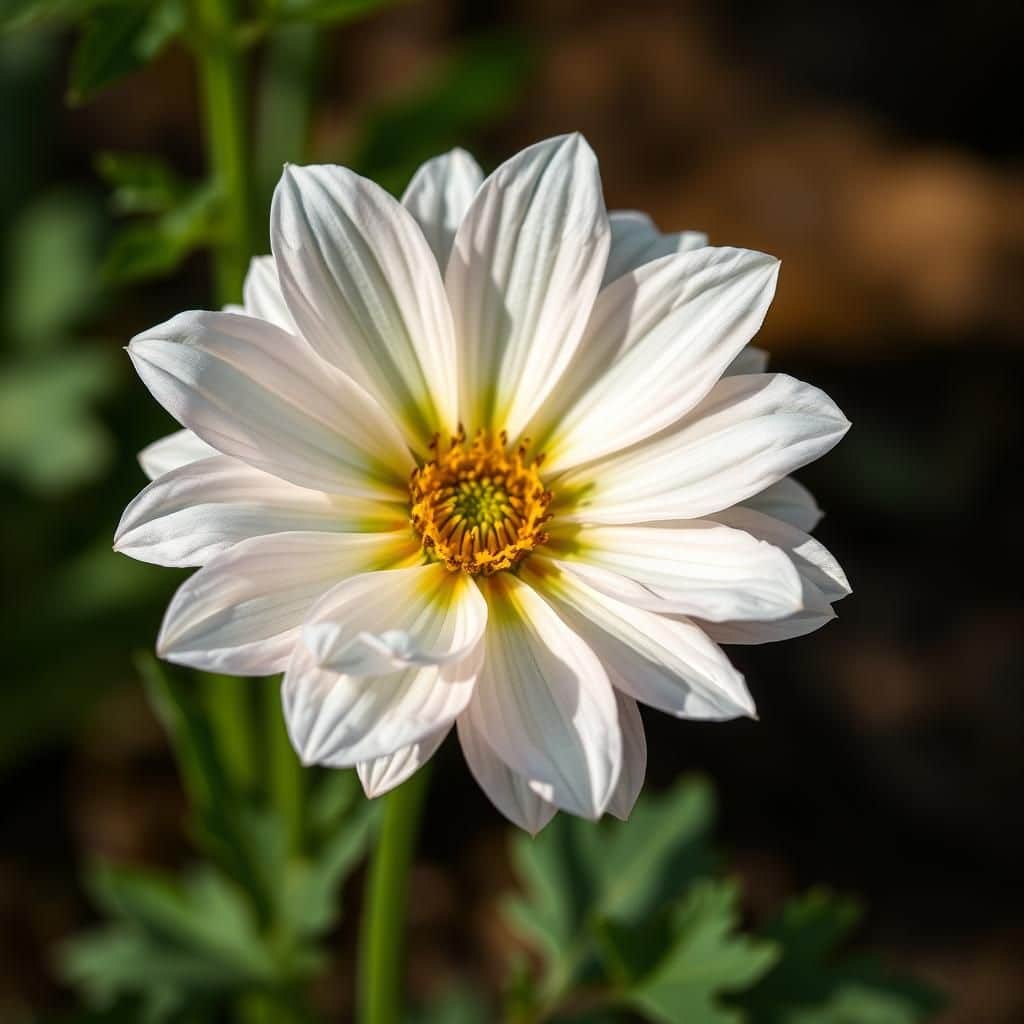
Companion planting is a vital concept in gardening that enhances plant growth and health through strategic pairings. Choosing the right companion flowers for your vegetables can provide numerous benefits, such as improved pollination, pest control, and nutrient absorption. Certain flowers not only attract beneficial insects but also deter harmful pests, creating a harmonious ecosystem in your garden. In this article, we will explore the best companion flowers for vegetables, highlighting top choices that can elevate your gardening experience. Whether you are a seasoned gardener or a beginner, understanding these pairings will lead to a more fruitful and flourishing garden.
What is the Best Companion Flower for Vegetables?
Companion planting is a garden technique that involves pairing vegetables with certain flowers to enhance growth, deter pests, and improve overall health. One of the most popular companion flowers is the marigold. Known for its vibrant yellow and orange blooms, marigolds release natural compounds that can repel harmful pests such as nematodes and aphids, making them an excellent addition to any vegetable garden. Their ability to attract beneficial insects, like ladybugs and hoverflies, further helps in maintaining a balanced ecosystem. By planting marigolds alongside plants such as tomatoes, cucumbers, or squash, gardeners can create a mutually beneficial environment that promotes better yields and reduces the need for chemical pesticides.
Benefits of Marigolds in Vegetable Gardens
Marigolds are particularly valuable for their pest-repelling abilities. They exude a strong scent that confuses and deters pests, providing a natural form of pest control. Additionally, their vibrant flowers attract pollinators, which can enhance the fruiting of nearby vegetables. The presence of marigolds can lead to increased yields and better plant vitality, making them a worthy addition to any garden.
Other Companion Flowers for Vegetables
Aside from marigolds, there are other companion flowers that benefit vegetable plants. For instance, nasturtiums are known to attract aphids away from crops like cabbage and broccoli, serving as a trap crop. Furthermore, borage not only attracts pollinators but also enhances the flavor of nearby tomatoes. Each of these companion flowers plays a specific role in supporting vegetable health and growth.
Choosing the Right Companion Flower
Selecting the right companion flower depends on the specific vegetables and the pests present in your garden. Researching the specific needs of your crops is crucial. Flowers such as sunflowers can provide natural trellising for climbing plants while attracting beneficial insects. Understanding plant compatibility and growth patterns ensures a thriving garden ecosystem.
See also:
Planting Techniques for Companion Flowers
When planting companion flowers, it is important to consider their growth habits and space requirements. Flowers should be interspersed with vegetable plants rather than planted in dense patches. This ensures that the benefits of companion planting—such as pest control and pollinator attraction—are maximized. A simple rule of thumb is to plant flowers in groups or clusters around vegetable crops to enhance their protective effects.
Monitoring and Adjusting Companion Plantings
Once companion flowers are planted, it's essential to monitor their impact on vegetable health. Gardeners should watch for changes in pest populations and plant vigor. If a particular flower is not providing the desired benefits, it may be beneficial to adjust the plantings or add different species. Continuous observation and adjustment promote a dynamic and productive garden environment.
| Flower | Benefit |
|---|---|
| Marigold | Pest repellent and attracts pollinators |
| Nasturtium | Traps aphids away from vegetables |
| Borage | Enhances flavor of tomatoes and attracts beneficial insects |
| Sunflower | Provides natural trellising and attracts pollinators |
| Cosmos | Attracts pollinators and beneficial insects |
The Importance of Companion Plants in Vegetable Gardening
Companion planting is a gardening technique that involves growing different plants together for mutual benefits. When it comes to choosing companion flowers for vegetables, the right selections can improve biodiversity, attract pollinators, and naturally deter pests. For instance, flowers like marigolds and nasturtiums not only enhance the aesthetic appeal of a garden but also can protect vegetable crops by repelling harmful insects. Moreover, companion flowers can support the overall health of the garden ecosystem, making it crucial to learn which flowers work best with specific vegetables to achieve optimal results.
Marigolds as Natural Pest Deterrents
Marigolds are well-known for their ability to repel pests such as aphids, nematodes, and whiteflies, making them an excellent companion for many vegetables. Their strong scent is believed to confuse or deter these harmful insects, thus protecting your vegetable plants from infection and damage. Additionally, marigolds can attract beneficial insects like ladybugs, which contribute to a balanced garden ecosystem.
Nasturtiums and Their Role in Attracting Pollinators
Nasturtiums serve a dual purpose in the garden by acting as a trap crop for aphids and attracting pollinators at the same time. When planted near vegetables, they can lure aphids away from more vulnerable plants, protecting them from adverse effects. Their bright, colorful flowers also draw in bees and butterflies, enhancing pollination for crops such as cucumbers and squash, leading to more fruitful yields.
See also:
Sunflowers: A Tall Companion for Climbing Vegetables
Sunflowers can be an excellent companion for climbing vegetables like pole beans, providing natural support for their growth. Additionally, sunflowers attract a range of beneficial insects that help pollinate nearby vegetables. Their sizeable seeds also provide food for birds, naturally controlling pest populations and ensuring a healthy garden environment.
Calendula for Enhancing Soil Health
Calendula is not only a beautiful addition to the garden but also contributes to soil health through its ability to suppress diseases and attract beneficial nematodes. It can improve the nutrient profile of the surrounding soil, helping vegetables to thrive. Its flowers provide nectar, which invites pollinators, leading to improved crop productivity and yielding healthier plants.
Coreopsis: A Versatile Companion Flower
Coreopsis is a versatile companion flower that can be used alongside a variety of vegetable plants. Its ability to tolerate poor soil conditions and attract pollinators makes it a practical choice for many gardeners. The vibrant colors of coreopsis not only brighten the garden but also encourage a diverse range of beneficial bugs that help keep pest populations in check, facilitating healthier vegetable growth.
Questions from Our Readers
What is the best companion flower for vegetables?
The best companion flower for vegetables is often considered to be marigold. These flowers not only bring color to your garden but also provide numerous benefits, such as attracting pollinators and deterring pests. Their smell can help mask the scents of nearby vegetables, making it harder for pests to locate them.
How do companion flowers benefit vegetable growth?
Companion flowers can significantly enhance vegetable growth by improving biodiversity in the garden. They attract beneficial insects like bees and ladybugs, which can help with pollination and natural pest control. Additionally, certain flowers can enhance soil nutrients, making it more fertile for plant growth.
See also:
Can I plant any flower with my vegetables?
Not all flowers are suitable for companion planting with vegetables. It's important to choose flowers that have synergistic relationships with your crops. For example, nasturtiums are great for repelling aphids, while some flowers might even compete for nutrients and space, which could hinder your vegetable growth.
Which flowers are best for attracting pollinators?
Flowers such as sunflowers, zinnias, and lavender are known for their ability to attract pollinators like bees and butterflies. Incorporating these into your garden not only beautifies your space but also promotes better pollination of your vegetables, leading to a more abundant harvest.

If you want to read more articles like What is the Best Companion Flower for Vegetables? Discover the Top Choices for Your Garden, we recommend you check out our Garden category.
Leave a Reply
Related Articles