What Insects Hate Lavender? Discover the Best Lavender Varieties for Pest Control!

Lavender not only adds beauty and fragrance to gardens but also acts as a natural repellent for various pests. Many insects are turned off by the strong scent of lavender, making it an excellent choice for gardeners looking to minimize pest infestations without the use of harsh chemicals. In this article, we will explore specific insects that hate lavender, along with the best lavender varieties that can be planted for effective pest control. Understanding the relationship between lavender and pest management can help you create a more peaceful and enjoyable outdoor space while protecting your plants from unwanted visitors.
Which Insects Are Repelled by Lavender?
Lavender is well-known not only for its soothing fragrance but also for its pest-repellent properties. The strong scent of lavender is particularly unappealing to many insects, making it a popular choice for gardeners seeking a natural solution to deter pests. Insects such as mosquitoes, flies, moths, and spiders tend to avoid areas where lavender is planted, as the essential oils released by the plant are believed to interfere with their sensory receptors. This natural repellent quality not only helps keep your garden free from unwanted pests but also encourages a healthier ecosystem overall.
Why Do Insects Dislike the Scent of Lavender?
The strong aroma of lavender is primarily due to its essential oils, such as linalool and linalyl acetate, which are highly effective in confusing the olfactory systems of various insects. When these compounds are detected, they can mask the scent of attractants that these insects rely on, making it difficult for them to locate food and mates. As a result, many pests instinctively avoid environments where lavender is present, contributing to its reputation as an effective natural insect repellent.
Common Insects that Are Repelled by Lavender
Several pests are notably discouraged by the presence of lavender, including mosquitoes, flies, moths, spiders, and ants. Mosquitoes are particularly sensitive to the scent of lavender; studies have shown that it can be more effective than traditional chemical repellents. Flies, especially those that are nuisances in gardens or homes, tend to shy away from lavender due to its fragrance. Moths are also repelled, which can help in protecting plants from potential damage, while spiders often avoid areas where lavender is abundant, reducing their presence in domestic spaces.
How to Use Lavender to Deter Insects
To effectively use lavender as an insect deterrent, you can plant its varieties around your home or in your garden. Alternatively, using lavender essential oil diluted with water in a spray bottle creates a simple, homemade insect repellent. Regularly refreshing dried lavender in closets or drawers can also keep moths and other pests at bay. Simply incorporating lavender into your pest-control regimen may significantly lower insect populations in your environment while providing the added benefit of lovely fragrance and beauty.
Benefits of Lavender in Pest Control
The benefits of using lavender for pest control extend beyond its insect-repellent properties. Lavender provides a non-toxic alternative to chemical pesticides, making it safe for use in homes with children and pets. Additionally, the presence of lavender in gardens attracts beneficial insects, such as bees and butterflies, which are essential for pollination. By planting lavender, you can contribute to a more sustainable ecosystem and maintain a healthy balance in your garden all while enjoying its beautiful bloom and lovely scent.
Scientific Studies on Lavender and Insect Behavior
Research has shown that essential oils derived from lavender can significantly affect the behavior and development of various insects. Scientific studies highlight that exposure to lavender can reduce mating behaviors, egg-laying, and even cause mortality in some insect species. For example, studies measured the efficacy of different concentrations of lavender oil on common pests and found that even low concentrations offered substantial deterrence. Consequently, lavender's role in pest management is gaining recognition in both agricultural and gardening practices.
| Insect Type | Effect of Lavender |
|---|---|
| Mosquitoes | Avoids areas with lavender; effective repellent. |
| Flies | Discouraged by the scent; reduces presence. |
| Moths | Avoids lavender, protecting plants from damage. |
| Spiders | Less likely to inhabit areas with lavender. |
| Ants | Lavender acts as a barrier, deterring ants. |
What animals does lavender repel?

Lavender is known for its fragrant aroma and beautiful appearance, but it also has certain properties that can help in keeping various animals at bay. The essential oils in lavender contain compounds that are unappealing to several pests and wildlife. Here are some of the animals that lavender is known to repel:
1. Mosquitoes: The strong scent of lavender is a natural deterrent for mosquitoes. They are often driven away by the smell, making lavender an excellent choice for gardens and outdoor areas where these pests are prevalent.
2. Mice: Lavender can act as a natural rodent repellent. The smell is unpleasant to mice, leading them to avoid areas where lavender is present.
3. Rabbits: Rabbits often munch on garden plants, but the scent of lavender can repel them, making it beneficial for protecting plants and flowers.
4. Deer: Like rabbits, deer are notorious for eating ornamental plants. Lavender can deter them due to its strong aroma that they find unappealing.
5. Flies: Some species of flies are also repelled by the scent of lavender. Using lavender oil or dried lavender can help to keep flies away from your living spaces.
Repelling Mosquitoes
Lavender is especially effective in repelling mosquitoes, which are attracted to carbon dioxide and body heat. The essential oils in lavender have a strong scent that masks these attractants, leading mosquitoes to avoid the area.
- Lavender oil can be used in diffusers to keep mosquitoes at bay.
- Planting lavender around outdoor seating areas can create a natural barrier.
- Using lavender-infused products can enhance protection during outdoor activities.
Deterring Mice
Mice are known to be sensitive to strong smells. The strong scent of lavender interferes with their ability to smell food and other scents they typically rely on.
See also:
- Placing sachets of dried lavender in areas where mice might enter can be effective.
- Using lavender essential oil on cotton balls can help to deter mice from nesting in your home.
- Incorporating lavender in your garden can help keep your space mouse-free.
Keeping Rabbits Away
Rabbits tend to avoid strong-smelling plants, and lavender fits this category perfectly. Its potent aroma can deter rabbits from nibbling on your flowers and vegetables.
- Planting lavender near vulnerable plants can act as a natural deterrent.
- Using lavender around garden borders may discourage rabbits from entering.
- Dried lavender can be sprinkled around the garden for added protection.
Discouraging Deer
Deer are often problematic for gardeners, as they tend to eat a wide variety of plants. The scent of lavender is particularly strong and repels these animals effectively.
- Creating a border of lavender plants can keep deer out of garden areas.
- Using lavender oil as a spray on plants can provide additional protection against deer.
- Combining lavender with other fragrant plants can enhance deer deterrence.
Repelling Flies
Flies can be a nuisance, especially in warmer months. Lavender has been shown to repel certain types of flies due to its pungent scent, making it useful for pest control.
- Using lavender essential oil in a spray can keep flies away from food areas.
- Planting lavender in gardens can attract beneficial insects while repelling flies.
- Incorporating dried lavender into bouquets can also help to repel flies indoors.
Do bugs hate lavender or peppermint?

Lavender and peppermint are both well-known for their pleasant aromas; however, they are also recognized for their pest-repelling properties. Many bugs, including mosquitoes, ants, and flies, are deterred by the scents of these plants. Research and anecdotal evidence suggest that both lavender and peppermint can act as natural insect repellents, although their effectiveness can vary among different species.
Effectiveness of Lavender as an Insect Repellent
Lavender is particularly admired for its strong scent, which is less appealing to many insects. The effectiveness of lavender against various pests can be summarized as follows:
- Strong Aromatic Properties: The scent of lavender is known to be overpowering for several insects, making it an effective deterrent.
- Essential Oils: Concentrated lavender essential oil is often used in homemade insect sprays, which can enhance its repelling qualities.
- Natural Solutions: Lavender can be planted in gardens to create a natural barrier against pests, promoting a healthier outdoor environment.
Peppermint Oil and Its Insect-Repelling Qualities
Peppermint oil is another powerhouse when it comes to repelling bugs. Its menthol component provides a strong smell that many insects find offensive. Consider the following points about peppermint:
- High Efficacy: Studies show that peppermint oil can disrupt the sensory receptors in many insects, making it difficult for them to locate food sources.
- Non-Toxic Solution: Unlike chemical pesticides, peppermint oil is considered safe for use around pets and humans when diluted properly.
- Versatile Use: Peppermint can be used in various forms such as oil, sprays, or even live plants to ward off unwanted pests.
Comparison: Lavender vs. Peppermint in Repelling Bugs
While both plants are effective, there are nuances to consider when comparing lavender and peppermint as insect repellents. Here are some key comparisons:
- Type of Insects: Lavender is often more effective against moths and fleas, while peppermint tends to repel ants and spiders more effectively.
- Fragrance Level: Peppermint has a stronger scent that may be more effective for indoor pest control, while lavender is preferable in outdoor settings.
- Longevity: Lavender tends to maintain its fragrance and potency longer when dried, making it beneficial for long-term pest management.
How to Use Lavender and Peppermint to Deter Bugs
Both lavender and peppermint can be utilized in various ways to enhance their pest-repelling benefits. Here are some practical methods:
- Planting in Gardens: Planting these herbs in your garden can create a natural habitat that deters insects while enhancing your garden's aesthetics.
- Homemade Sprays: Creating DIY bug sprays using essential oils of lavender or peppermint can offer immediate results in repelling insects.
- Using Dried Herbs: Dried lavender or peppermint can be placed in sachets and hung around the house or stored in drawers to deter bugs.
Potential Side Effects for Humans and Pets
Although generally safe, it's important to consider that both lavender and peppermint may have side effects for some individuals. Here are a few potential issues:
- Allergic Reactions: Some people may experience skin irritation or allergic reactions when exposed to essential oils of these plants, particularly in concentrated forms.
- Pets Sensitivity: While lavender is often safe for pets, peppermint can be irritating to cats and dogs if ingested or used in high concentrations.
- Pregnancy Concerns: Pregnant individuals should consult healthcare providers before using essential oils, as some may be contraindicated.
What bugs hate the scent of lavender?
Lavender is widely known for its pleasant fragrance, but it also has repellent properties against certain insects. The scent of lavender is disliked by various bugs, effectively working as a natural deterrent for pest control. Here are some bugs that are known to hate the scent of lavender:
1. Moths
Moths, particularly those that are known to damage clothing and stored fabrics, are repelled by the scent of lavender. The aroma disrupts their ability to navigate and locate food sources.
- Lavender sachets can be placed in closets to keep moths away from clothing.
- The essential oil can be sprayed in areas where moth activity is noticed.
- The strong fragrance masks the pheromones that moths use to find each other.
2. Mosquitoes
Mosquitoes are notorious for their biting and itchy behavior. The scent of lavender is a natural alternative to chemical repellents, as it has been shown to be effective in keeping these pests at bay.
- Lavender oil can be diluted and applied to the skin to ward off mosquitoes.
- Growing lavender plants in gardens can help reduce mosquito populations.
- The scent interferes with the mosquitoes' sense of smell, making it harder for them to find hosts.
3. Flies
Various types of flies, especially houseflies, are also deterred by the scent of lavender. Its strong floral scent can make locations less appealing to them.
- Using lavender oil in diffusers can help keep flies away from indoor spaces.
- Lavender plants around entryways can act as a natural barrier to flies.
- The aroma disrupts their attraction to food sources, resulting in fewer flies.
4. Ants
Certain species of ants are sensitive to the aroma of lavender. The scent can interfere with their ability to communicate and navigate.
See also:
- Lavender can be used as a natural deterrent in areas where ant trails are observed.
- Homemade lavender sprays can disrupt their chemical trails, preventing them from returning.
- Utilizing dried lavender around entry points can reduce ant infestations.
5. Spiders
Some spiders are repelled by the scent of lavender, making it a potential deterrent for managing spider populations in households.
- Spraying lavender oil in corners and dark areas can discourage spider habitation.
- Planting lavender in garden beds can create an uninviting environment for spiders.
- Its scent masks the pheromones that spiders use for communication.
What bugs are attracted to lavender?

Lavender is not only a popular plant known for its fragrant aroma and beautiful purple flowers, but it also attracts certain bugs. Understanding which insects are drawn to lavender can be crucial for garden care and pest management. The primary bugs attracted to lavender include:
1. Bees: Lavender is a favorite among various bee species, including honeybees and bumblebees. The plant’s nectar is rich in sugars, making it a vital food source, particularly during the summer months when flowers are abundant.
2. Butterflies: Different varieties of butterflies are attracted to lavender for its fragrant flowers. They are drawn to the plant not only for nectar but also for the shelter it provides, helping them to thrive in gardens.
3. Moths: Some moth species are attracted to lavender, particularly the Luna moth and several types of garden moths. They navigate to it primarily for nectar but can also use the plant as a site for laying eggs.
4. Aphids: While not beneficial, aphids can sometimes be found on lavender plants. They are sap-sucking insects that can cause damage, but lavender’s strong scent often deters larger infestations.
5. Ants: Although ants do not directly feed on lavender, they are often seen in its vicinity, primarily because they tend to farm the aphids found on the plants. This can lead to increased aphid populations, which can harm the lavender.
Beneficial Insects Attracted to Lavender
Lavender attracts a variety of beneficial insects that help maintain a healthy ecosystem in the garden. These insects contribute to pollination and pest control, creating a balance within the environment.
- Ladybugs - These insects feed on aphids, reducing their populations.
- Hoverflies - They are natural predators of aphids and other small pests.
- Parasitic Wasps - These wasps lay their eggs in aphids, controlling their numbers.
Pest Management with Lavender
Using lavender as a part of pest management strategies can be very effective, as its strong scent often repels unwanted insects. By incorporating lavender in gardens, you can reduce the need for chemical pesticides.
- Natural Repellent - The aroma of lavender deters many pests, making it a useful plant for organic gardens.
- Companion Planting - Lavender can be planted alongside vegetables and herbs to protect them from common pests.
- Essential Oil - Lavender essential oil can be used as a spray to repel insects while being safe for most plants.
Growth Conditions for Lavender
Understanding the growth conditions that attract bugs to lavender can help gardeners optimize their growth for maximum insect interaction. Lavender thrives in well-drained soil and full sun, which are conditions that benefit both the plant and its insect visitors.
- Soil Type - Lavender prefers sandy or loamy soil with good drainage to prevent root rot.
- Sunlight - Full sunlight exposure encourages the growth of flowers, which attract more pollinators.
- Watering Needs - Lavender is drought-tolerant, requiring less frequent watering, which can help it thrive.
Common Scents of Lavender and Their Effect on Insects
The scent profile of lavender varies among different species and can influence which insects are attracted to it. The essential oils in lavender not only provide fragrance but can also act as natural repellents or lures for certain bugs.
- High Linalool Content - This compound is effective in repelling houseflies and mosquitoes.
- Camphor Scent - Certain varieties have a stronger camphor scent that deters pests but draws in beneficial insects.
- Floral Notes - The sweet floral aroma attracts many pollinators, enhancing garden biodiversity.
Challenges of Attracting Insects to Lavender
While attracting beneficial insects is desirable, certain challenges can arise, particularly with pests that may damage the plant itself. Identifying these issues early is important for the health of lavender and the garden.
- Aphid Infestation - While lavender attracts many beneficial insects, it can sometimes become home to aphids if not monitored.
- Overwatering - Excess moisture can lead to root rot, making the plant vulnerable to pest infestations.
- Weather Conditions - Extreme temperatures or heavy rainfall can affect the plant's health and insect dynamics.
Questions from Our Readers
What insects are repelled by lavender?
Lavender is known to repel a variety of insects, particularly mosquitoes, flies, and moths. The strong scent of lavender acts as a natural deterrent, making it a popular choice for gardens and indoor spaces.
How does lavender deter insects?
The scent of lavender contains natural compounds that are unappealing to certain insects. When these compounds are released into the air, they interfere with the insects’ ability to smell other attractive scents, effectively keeping them at bay.
Can lavender help with pest control?
Yes, using lavender in gardens or as an essential oil can be an effective method of pest control. Its natural properties can help reduce the presence of pests without the need for harmful chemicals, promoting a more sustainable environment.
See also:
Is lavender effective against all insects?
While lavender is effective against many common insects, it may not deter all species. Some pests, like certain beetles or caterpillars, may not be affected by lavender's scent, so it's best used as part of a broader pest management strategy.
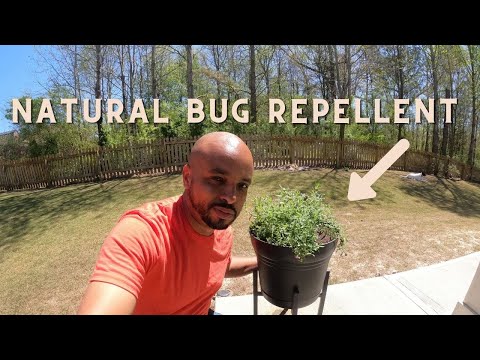
If you want to read more articles like What Insects Hate Lavender? Discover the Best Lavender Varieties for Pest Control!, we recommend you check out our Herbs category.
Leave a Reply
Related Articles