What Can't You Mix with Echinacea? Essential Guide to Safe Herbal Combinations

Echinacea, a popular herbal remedy known for its immune-boosting properties, is often used to ward off colds and infections. However, its interactions with other herbs, medications, and dietary supplements can be complex. Understanding what not to mix with echinacea is crucial for ensuring its effectiveness and preventing adverse effects. This essential guide will explore the safe combinations and potential contraindications associated with echinacea, helping you to make informed decisions about your herbal regimen. Whether you’re a seasoned herbalist or a curious newcomer, this article will provide you with the knowledge needed to navigate the world of herbal combinations safely.
What Can't You Mix with Echinacea?
Echinacea is a popular herbal supplement often used to boost the immune system and combat colds. However, there are certain substances and medications that may interact negatively with Echinacea, potentially diminishing its effectiveness or causing adverse effects. It's crucial to avoid mixing Echinacea with immunosuppressants, as this herb is believed to stimulate the immune system. Additionally, combining Echinacea with caffeine can lead to heightened side effects like anxiety or restlessness due to their stimulating properties. Lastly, individuals taking anticoagulants should proceed with caution, as Echinacea may affect blood clotting processes.
Interactions with Immunosuppressants
Echinacea is known for its potential to enhance immune function; therefore, it is contraindicated for individuals taking immunosuppressant medications. These drugs, which are often prescribed for conditions like autoimmune disorders or after organ transplants, work to lower the immune response. When combined with Echinacea, the effectiveness of the immunosuppressants may be compromised, leading to decreased effectiveness and increased risk of infection.
Effects on Caffeine Sensitivity
Combining Echinacea with caffeine may amplify stimulant effects, leading to increased nervousness, agitation, or heart palpitations. This is because both substances can stimulate the central nervous system; thus, when used together, they could result in an overwhelming response. Individuals sensitive to caffeine should avoid taking Echinacea simultaneously to prevent exacerbating these symptoms.
Concerns with Anticoagulants
Individuals on anticoagulant medications, such as warfarin, should be cautious with Echinacea, as it may influence blood clotting. Echinacea has the potential to alter the effectiveness of these anticoagulants, which can be dangerous. Consistent monitoring of blood levels is necessary to avoid complications related to excessive bleeding or clotting when Echinacea is included in the regimen.
Impact on Herbal Supplements
Mixing Echinacea with other herbal supplements that have immune-boosting properties can lead to an unpredictable cumulative effect. For instance, when combined with herbs like ginseng or garlic, it might overstimulate the immune system, which could result in heightened inflammatory responses or other adverse effects. It's essential to consult a healthcare provider before combining multiple herbal remedies.
Potential Effects on Sedatives
Echinacea may also have implications for individuals taking sedative medications, as it can counteract the effects of these drugs. Stimulatory properties of Echinacea could lead to a decreased efficacy of sedatives, making it harder for users to experience the desired calming effects. This interaction necessitates careful consideration for those relying on sedatives for sleep or anxiety.
| Substance | Interaction Type |
|---|---|
| Immunosuppressants | May reduce effectiveness |
| Caffeine | Increased anxiety and restlessness |
| Anticoagulants | Affects blood clotting processes |
| Other herbal supplements | Increased immune stimulation |
| Sedatives | Potential counteraction of effects |
What can you not take echinacea with?
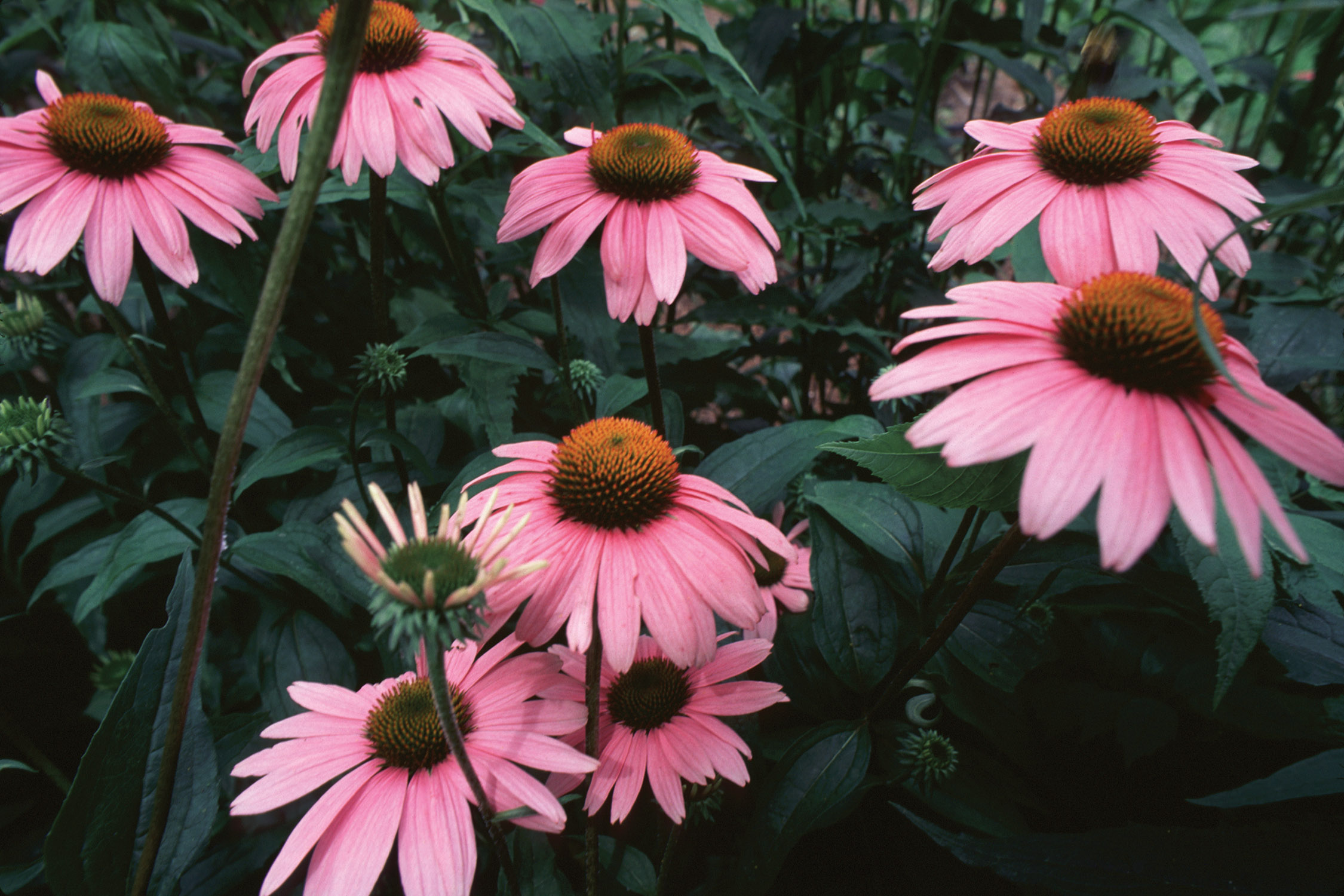
Echinacea is a popular herbal remedy often used to prevent or treat colds and other respiratory infections. However, there are certain substances and conditions you should be cautious about if you're considering taking echinacea. Here’s an overview of what you should not take echinacea with.
Interactions with Immunosuppressants
Echinacea may enhance the immune system's functioning. Therefore, combining it with immunosuppressant medications can counteract their effects. This is especially important for individuals who have had organ transplants or suffer from autoimmune diseases. Medications that could be affected include:
- Corticosteroids - often prescribed for inflammation and autoimmune conditions.
- Cyclosporine - used to prevent organ rejection in transplant patients.
- Azathioprine - another immunosuppressive drug commonly used for autoimmune diseases.
Anticoagulants and Antiplatelet Drugs
Echinacea may have mild anticoagulant properties, which means it could interfere with blood-thinning medications. If you're taking anticoagulants or antiplatelet drugs, be cautious as this combination might increase the risk of bleeding. Key medications to watch for include:
- Warfarin - a common anticoagulant used to prevent blood clots.
- Aspirin - often used in low doses to prevent heart attacks or strokes.
- Clopidogrel - an antiplatelet medication used to reduce the risk of heart disease.
Other Herbal Supplements
When combining echinacea with other herbal supplements, there may be unexpected interactions. Some herbs may also boost immunity or affect blood clotting, which could lead to complications. Consider avoiding these combinations:
- Garlic - can act as a blood thinner, potentially heightening bleeding risk.
- Ginger - may also possess blood-thinning effects.
- Ginseng - another herb that may boost immune function excessively.
Alcohol Consumption
Alcohol can potentially diminish the effectiveness of echinacea and can also exacerbate side effects. Mixing echinacea with alcohol can have the following impacts:
- Increased sedation - both echinacea and alcohol can have calming effects, leading to increased drowsiness.
- Dehydration - with alcohol's diuretic effect, it can lead to dehydration, which is counterproductive during illness.
- Reduced efficacy - alcohol might negate the benefits of echinacea in fighting infections.
Pregnancy and Breastfeeding Considerations
Safety during pregnancy and breastfeeding is not well established, and echinacea may pose risks. While it is often considered safe, precautions are advised. Important points include:
See also:
- Limited research - sufficient studies on the effects during pregnancy or lactation are lacking.
- Potential effects on fetal development - there could be unknown impacts on developing babies.
- Consultation with healthcare providers - always discuss herbal supplements with a doctor if pregnant or breastfeeding.
What reacts with echinacea?
Echinacea is a popular herb, primarily known for its potential immune-boosting properties. However, it is essential to consider what substances may interact with echinacea, as these interactions can influence its effectiveness or lead to unexpected side effects. Here are several key interactions associated with echinacea:
Interactions with Medications
Certain medications can interact with echinacea, affecting their effectiveness or increasing the risk of side effects. Some notable interactions include:
- Immunosuppressants: Echinacea may stimulate the immune system, potentially reducing the efficacy of drugs designed to suppress immune response.
- Anticoagulants: There’s a potential risk of echinacea influencing the blood-thinning effects of anticoagulant medications, which could lead to increased bleeding risk.
- CYP450 Metabolized Medications: Echinacea can affect liver enzymes involved in drug metabolism, impacting the breakdown of various medications.
Allergic Reactions
Echinacea may trigger allergic responses in some individuals, particularly those with specific allergies. It's essential to be aware of the following:
- Allergy to Asteraceae Family: If someone is allergic to plants in the Asteraceae family, there’s a higher chance of reacting to echinacea.
- Skin Reactions: Some users have reported skin rashes or other dermatological reactions after using echinacea-based products.
- Respiratory Issues: In rare cases, echinacea could lead to respiratory distress in sensitive individuals.
Effects on Hormonal Balance
Echinacea may influence hormonal levels in the body, leading to various effects. Consider the following aspects:
- Estrogenic Effects: Echinacea may mimic estrogen, which could affect those with hormone-sensitive conditions.
- Impact on Cycles: Some users report changes in menstrual cycles due to echinacea's hormonal influence.
- Thyroid Function: There are concerns regarding echinacea's impact on thyroid hormone levels in the body.
Consumption with Alcohol
The co-consumption of echinacea and alcohol may pose various issues, including:
- Increased Sedation: The combination may heighten the sedative effects of both substances, affecting cognitive performance.
- Altered Immune Response: Alcohol can weaken the immune system, potentially counteracting the immune-boosting properties of echinacea.
- Gastrointestinal Discomfort: Some individuals may experience increased gastric irritation when consuming echinacea with alcohol.
Potential Drug Interactions
Echinacea may interact with various classes of drugs, which can influence their pharmacological effects. Important interactions include:
- Antidepressants: There’s a risk that echinacea may interfere with the action of certain antidepressants, affecting mood and well-being.
- Antibiotics: While not commonly noted, some antibiotics might interact with echinacea, causing either enhanced or reduced effects.
- Stimulants: The herb may interact with stimulant medications, causing increased heart rates or heightened anxiety.
When to avoid echinacea?
Echinacea is an herbal supplement commonly used for its immune-boosting properties, particularly during cold and flu season. However, there are specific circumstances in which one should avoid using echinacea. Understanding these situations is crucial to ensure safe and effective use.
Allergic Reactions
Certain individuals may experience allergic reactions to echinacea, especially those allergic to plants in the Asteraceae family. Symptoms of an allergy can include:
- Rash or hives on the skin.
- Swelling of the face, lips, or throat.
- Difficulty breathing or wheezing.
If you have a known allergy to chrysanthemums, marigolds, or daisies, it is advisable to avoid echinacea.
Autoimmune Disorders
Individuals with autoimmune disorders should be cautious when considering echinacea. Since echinacea can stimulate the immune system, it may interfere with the management of autoimmune conditions. Such disorders may include:
- Rheumatoid arthritis
- Lupus
- Multiple sclerosis
In these cases, echinacea may exacerbate symptoms or lead to inflammatory responses.
Pregnancy and Breastfeeding
The safety of echinacea during pregnancy and breastfeeding has not been extensively studied. Due to the lack of comprehensive research, it is often recommended that pregnant or nursing women avoid using echinacea. Potential concerns include:
See also:
- Unpredictable effects on the mother.
- Unknown impacts on fetal or infant development.
- Possible interactions with other medications.
To ensure safety for both mother and child, consult a healthcare provider before use.
Immunosuppressive Medications
If you are taking immunosuppressive medications, it is essential to avoid echinacea. This includes medications prescribed for conditions like:
- Organ transplants
- Cancer treatments
- HIV/AIDS
Echinacea's immune-stimulating effects can counteract the purpose of immunosuppressants, potentially leading to adverse health effects.
Chronic Illnesses
Individuals with certain chronic illnesses, such as diabetes or asthma, should approach echinacea cautiously. Possible concerns include:
- Fluctuations in blood sugar levels.
- Potential interactions with asthma medications.
- Exacerbation of underlying health issues.
Consulting a healthcare professional is advisable for anyone with chronic conditions considering echinacea.
Can you take echinacea and vitamin D together?
Yes, you can generally take echinacea and vitamin D together. There are no known significant interactions between echinacea, a popular herbal supplement often used to help with the common cold and immune support, and vitamin D, a vital nutrient for bone health and immune system function. However, individual responses may vary, so it is always recommended to consult with a healthcare provider before combining supplements.
What is Echinacea?
Echinacea is a group of flowering plants from the Asteraceae family, commonly used in herbal medicine. It is primarily known for its potential benefits in supporting the immune system and combating common infections.
- Types of Echinacea: There are several species of echinacea, with Echinacea purpurea being the most commonly used for medicinal purposes.
- Health Benefits: Echinacea is reputed to reduce the duration and severity of colds and flu symptoms.
- Forms of Echinacea: Available in various forms including capsules, tinctures, and teas.
What is Vitamin D?
Vitamin D is a fat-soluble vitamin that plays a critical role in maintaining calcium levels in the bones and supporting overall health. It is obtained from sunlight exposure, certain foods, and supplements.
- Sources of Vitamin D: It can be found in foods like fatty fish, fortified dairy products, and through supplementation.
- Importance for Health: Vitamin D is essential for bone health, immune function, and reducing inflammation.
- Deficiency Risks: Lack of adequate vitamin D can lead to various health issues, including weakened bones and increased susceptibility to infections.
Interactions Between Echinacea and Vitamin D
Research indicates that there are no adverse interactions between echinacea and vitamin D. Both supplements can be taken simultaneously without compromising their efficacy or safety.
- Immune Support: Echinacea may complement the immune-boosting properties of vitamin D.
- No Known Issues: There are no documented side effects stemming from the concurrent use of these supplements.
- Individual Factors: It is important to consider personal health conditions and potential allergies when combining supplements.
Recommended Daily Allowance
When considering the intake of echinacea and vitamin D, knowing the recommended daily allowances is vital for both effectiveness and safety.
- Echinacea Dosage: The typical dosage of echinacea varies; consult product labels for specific recommendations.
- Vitamin D Levels: The recommended daily allowance for vitamin D is around 600 to 800 IU for adults, depending on age and health status.
- Consultation: Always consult with a healthcare provider to determine the right dosages for individual health needs.
Consulting with Healthcare Providers
Before starting any new supplement regime, including both echinacea and vitamin D, consulting with a healthcare provider is essential for personalized guidance.
- Health History: A healthcare provider can assess personal health history and current medications.
- Safety Concerns: They can provide advice on potential risks and interactions based on individual health status.
- Custom Recommendations: A tailored supplement strategy can enhance the effectiveness and safety of both echinacea and vitamin D.
Questions from Our Readers
What medications should not be mixed with Echinacea?
It is advisable to avoid mixing Echinacea with immunosuppressant medications, as it may interfere with their effectiveness. Additionally, it can also interact with anticoagulants, leading to an increased risk of bleeding.
Can Echinacea be taken with other herbal supplements?
Echinacea should be used cautiously with other herbal supplements, especially those that can affect the immune system or have sedative properties. Always consult a healthcare provider before combining supplements.
See also:
Is it safe to mix Echinacea with caffeine?
Generally, mixing Echinacea with caffeine is considered safe; however, some individuals may experience increased nervousness or stimulation. It's a good idea to monitor how your body reacts to this combination.
Are there any food interactions with Echinacea?
There are no major known food interactions with Echinacea, but it’s best to avoid alcohol as it may reduce the effectiveness and increase potential side effects. Maintaining a balanced diet is important for overall health while using supplements.

If you want to read more articles like What Can't You Mix with Echinacea? Essential Guide to Safe Herbal Combinations, we recommend you check out our Herbs category.
Leave a Reply
Related Articles