Discover Which Plants Like Leaf Mold? A Guide to Boost Your Garden's Health
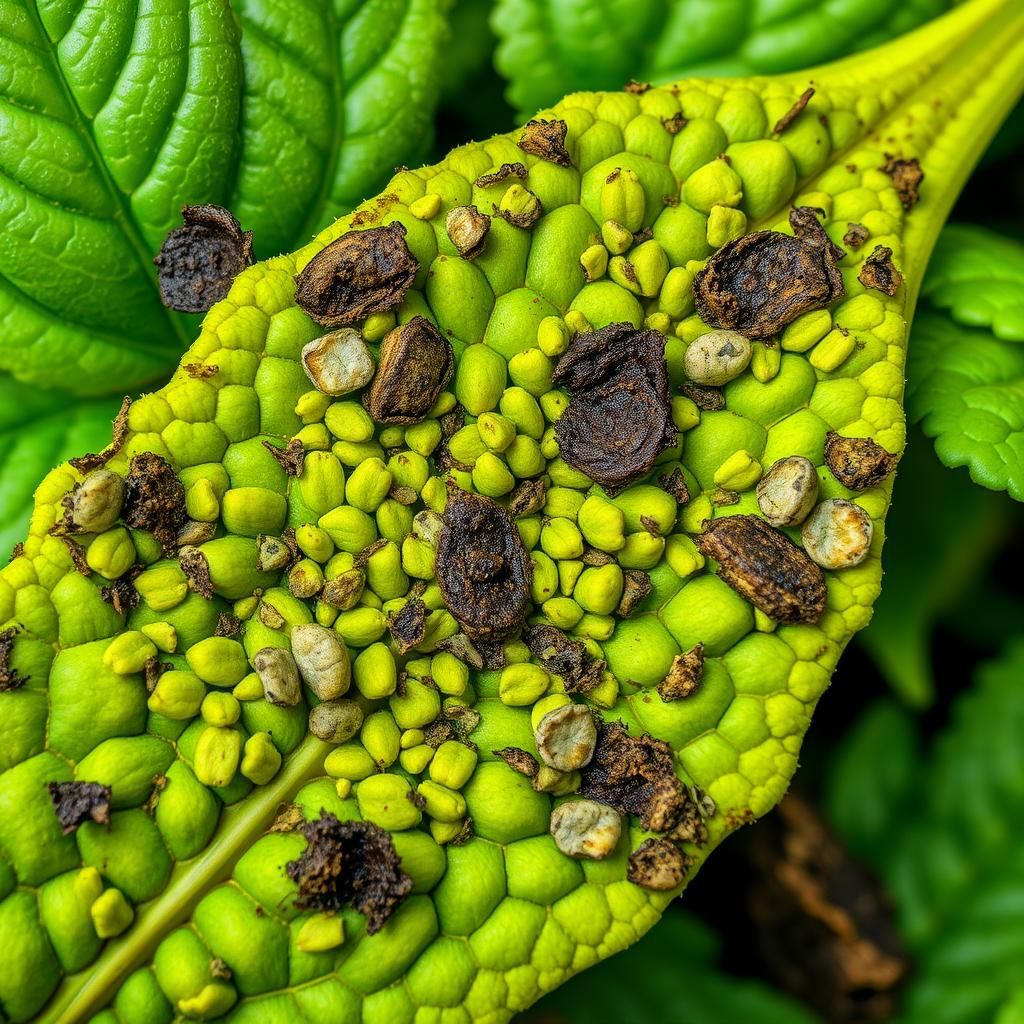
Leaf mold is a fantastic natural amendment that can significantly enhance your garden's health. By understanding which plants thrive in its presence, you can create a lush and vibrant garden ecosystem. This guide delves into the benefits of leaf mold and identifies the plants that benefit the most from its rich, organic properties. From shade-loving perennials to vibrant flowering shrubs, discover how incorporating leaf mold into your gardening practices can promote soil health, retain moisture, and foster beneficial microorganisms. Join us as we explore the best plants that appreciate this nutrient-rich resource, ensuring your garden flourishes like never before.
Which Plants Thrive with Leaf Mold?
Leaf mold is a natural organic matter created by the decomposition of fallen leaves, and it serves as a fantastic soil amendment that many plants adore. Primarily, shade-loving plants such as ferns, hostas, and certain varieties of ornamental grasses benefit significantly from leaf mold due to its ability to retain moisture and improve drainage. It adds richness to the soil, enabling better nutrient availability while simultaneously enhancing the overall soil structure. As a result, using leaf mold can help plants with similar growing conditions to flourish more vibrantly in their respective environments.
Benefits of Leaf Mold for Plants
Leaf mold provides numerous benefits, making it particularly appealing for various garden plants. The microorganisms in leaf mold enhance soil fertility, allowing plants to access essential nutrients more readily. This organic matter also improves soil aeration and water retention, crucial elements for root development and overall plant health. As a result, many plants experience enhanced growth, lush foliage, and stronger resistance against diseases.
Plants Preferable for Leaf Mold Application
Many perennials and shrubs thrive when leaf mold is incorporated into their growing mediums. Plants such as rhododendrons, azaleas, and various types of berries benefit from the acidity that leaf mold adds to the soil. This application creates an ideal climate for these plants, leading to improved fruit yield and vibrant blooms. The organic composting process resonates well with these species, ensuring they remain well-nourished throughout the growing season.
Leaf Mold and Shade-Tolerant Plants
Shade-tolerant plants particularly flourish with the use of leaf mold. Species like ferns, heucheras, and hostas thrive in moist, rich environments created by this organic matter. Since these plants naturally prefer lower light conditions, the moisture-retaining capacity of leaf mold allows them to perform optimally, minimizing the risk of drought stress and promoting lush foliage.
Creating Leaf Mold for Optimal Plant Growth
Creating leaf mold is a relatively simple process that contributes significantly to plant health. By shredding fallen leaves and allowing them to decompose in a shaded area, gardeners can produce a nutrient-rich addition to their soil. This organic process usually takes about one to two years but results in a stable, crumbly material that plants absolutely adore. Regular turning of the pile can expedite this process and ensure uniformity.
Application Methods for Leaf Mold in Gardens
When applying leaf mold, several methods can be utilized to maximize benefits for plants. Gardeners often mix it directly into the soil at planting time or as a top dressing to existing plants. Incorporating leaf mold into planting holes enhances soil structure and nutrient content, while a top dressing can protect soil moisture and suppress weeds. Proper application techniques ensure that a wide variety of plants receive the nutrients they need for optimal growth.
| Plant Type | Preferred Conditions | Benefits from Leaf Mold |
|---|---|---|
| Ferns | Shade, Moist Soil | Improves moisture retention |
| Rhododendrons | Acidic Soil, Part Shade | Enhances nutrient availability |
| Hostas | Shade, Rich Soil | Promotes healthy leaf growth |
| Heucheras | Partial Sun to Shade | Increases soil fertility |
| Berries (e.g., Blueberries) | Acidic, Well-drained Soil | Improves fruit yield |
Where to put leaf mold?
:max_bytes(150000):strip_icc()/making-and-using-leaf-mold-2539475-hero-0e3423fc99324eb1a57fe4d99afdff16.jpg)
Leaf mold is a valuable organic material in gardening and landscaping, derived from decomposed leaves. It can vastly improve soil quality and enhance plant growth. Here’s where you can utilize leaf mold effectively:
1. In the Garden Beds
Adding leaf mold to your garden beds is a great way to enrich the soil structure and provide essential nutrients. It can help improve soil aeration and water retention, which is vital for plant health. To use leaf mold in garden beds:
- Mix It In: Incorporate leaf mold into the top few inches of soil using a garden fork or tiller.
- Top Dressing: Spread a layer of leaf mold on the soil surface to prevent weeds and retain moisture.
- Planting Soil: Blend leaf mold with your potting mix to create a nutritious environment for potted plants.
2. Under Trees and Shrubs
When placed under trees and shrubs, leaf mold acts as a natural mulch. This not only helps conserve moisture but also creates a habitat for beneficial microorganisms. Here’s how to use it effectively:
- Mulch Layer: Apply a 2 to 4-inch layer of leaf mold around the base of trees and shrubs.
- Keep Away from Trunks: Ensure that leaf mold doesn’t touch the trunks to avoid moisture-related diseases.
- Enhance Biodiversity: Leaf mold encourages earthworms and beneficial insects, which further enrich the soil.
3. In Bulking Up Compost
Leaf mold can be used as a bulking agent in your compost pile, enhancing its structure and accelerating decomposition. Incorporating leaf mold into your compost offers numerous benefits:
- Improved Aeration: Leaf mold helps create air pockets in the compost, preventing it from becoming compacted.
- Carbon Source: As a high-carbon material, leaf mold balances out nitrogen-rich green materials.
- Microbial Activity: It introduces a community of microbes that facilitate the composting process.
4. As a Soil Amendment
Using leaf mold as a soil amendment can greatly enhance garden soil fertility. It introduces essential nutrients while also improving soil texture. Consider the following methods:
See also:
- Before Planting: Mix leaf mold into the soil before planting new crops to provide a nutrient boost.
- pH Stabilizer: Leaf mold can help stabilize the soil pH, making nutrients more available to plants.
- After Harvest: Incorporate leaf mold after harvest to prepare the soil for the next growing season.
5. In Raised Beds
Raised garden beds can significantly benefit from the addition of leaf mold. It improves the overall soil quality and provides a healthy environment for plant roots. Here’s how to implement it:
- Layering Technique: Layer leaf mold between other organic materials like manure and compost for optimal results.
- Soil Mix: Blend leaf mold with soil for filling raised beds, enhancing texture and fertility.
- Regular Maintenance: Add leaf mold annually to maintain soil health and structural integrity in raised beds.
What is leaf mould best for?
:max_bytes(150000):strip_icc()/making-and-using-leaf-mold-2539475-hero-0e3423fc99324eb1a57fe4d99afdff16.jpg)
Leaf mould is an organic material produced from decomposed leaves, and it is highly beneficial for various gardening and horticultural purposes. It enhances soil structure, provides a nutrient source, and improves moisture retention, making it an excellent addition to garden soil. Here are some of the best uses of leaf mould:
Improving Soil Structure
Leaf mould plays a crucial role in enhancing the overall structure of the soil. Its addition can lead to better aeration and drainage, which are vital for healthy root development. The organic matter provided by leaf mould creates a more complex soil structure that helps retain nutrients and moisture, essential for plant growth.
- Increases soil aeration.
- Enhances water retention capabilities.
- Supports the development of beneficial soil organisms.
Nutrient Source
Leaf mould is packed with essential nutrients needed for plant health. As it decomposes, it releases valuable micronutrients and macronutrients into the soil, offering a natural and sustainable way to feed your plants. This makes it a fantastic option for organic gardening.
- Provides slow-release nutrients over time.
- Reduces the need for chemical fertilizers.
- Enhances overall plant vitality.
Moisture Retention
One of the standout benefits of leaf mould is its ability to improve moisture retention. When mixed into the soil, it helps to retain moisture, which is essential for maintaining healthy plants, especially during dry spells. This moisture retention capability is particularly beneficial in sandy soils.
- Reduces the frequency of watering.
- Helps maintain consistent moisture levels.
- Limits water runoff and erosion.
Mulching Material
Leaf mould can be used effectively as a mulching material. It helps suppress weeds, regulate soil temperature, and retain moisture when spread around plants. This not only protects the plants but also enriches the soil as the mulch breaks down over time.
- Minimizes weed growth.
- Maintains soil temperature.
- Decomposes to enhance soil fertility.
Companion Planting
Using leaf mould can support companion planting strategies in your garden. By providing a fertile and balanced environment, it can help ensure that companion plants thrive together, enhancing biodiversity and pest resistance in the garden ecosystem.
- Encourages healthy plant relationships.
- Strengthens defenses against pests.
- Improves overall garden health.
How to make leaf mold quickly for plants?
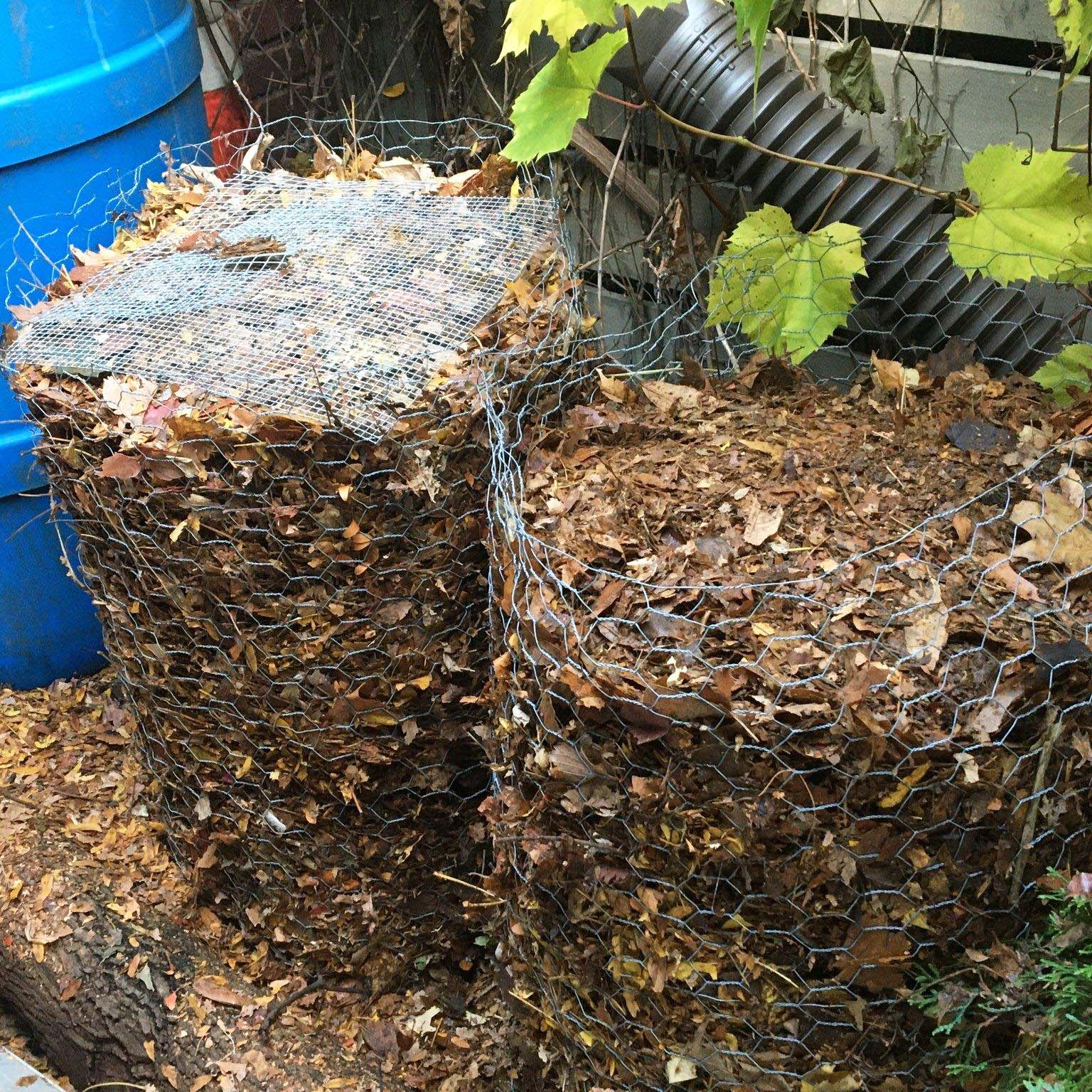
To make leaf mold quickly for plants, you can follow a series of steps that will help you transform fallen leaves into a nutrient-rich organic material suitable for gardening. Leaf mold is essentially decomposed leaves, and it can improve soil texture, water retention, and nutrient content. Here’s how to expedite the process:
1. Choose the Right Leaves
The type of leaves you choose can significantly affect the quality of your leaf mold. Some leaves decompose faster than others. An optimal selection includes:
- Maple leaves - They break down quickly due to their thin structure.
- Oak leaves - While slower to decompose, they add valuable nutrients.
- Pine needles - These can be mixed in but should be used sparingly as they can acidify the compost.
2. Shred the Leaves
Shredding the leaves is crucial for accelerating decomposition. Smaller pieces have a larger surface area, which allows microorganisms to work effectively.
- Use a lawn mower with a bag attachment to chop leaves into finer pieces.
- A leaf shredder can also be utilized for this purpose.
- Alternatively, you can manually chop them with a garden spade if you have a small amount.
3. Create a Leaf Mold Pile
Building a suitable pile to encourage decomposition is essential. The structure and arrangement can impact how quickly the leaves break down.
See also:
- Gather shredded leaves in a designated area or a compost bin.
- Ensure the pile is at least 3 feet high to generate enough heat and moisture.
- Turn the pile every few weeks to aerate it and speed up the decomposition process.
4. Maintain Moisture Levels
Ensuring that your leaf mold pile remains moist is vital. Dry leaves will decompose much more slowly, so maintaining proper moisture is key.
- Check the pile regularly and water it if it appears dry.
- A good rule of thumb is to keep it as moist as a sponge – damp but not soggy.
- Covering the pile with a tarp can help retain moisture, especially during dry conditions.
5. Monitor the Decomposition Process
As the leaves break down, it’s essential to observe the changes in the pile. This will indicate when your leaf mold is ready for use.
- Look for a crumbly texture and earthy smell as signs of decomposition.
- If it starts to get slimy or smells bad, it may be too wet; remedy by aerating and adding dry materials.
- Ready leaf mold typically takes about 6 to 12 months to develop, depending on conditions and leaf types.
Can you grow vegetables in leaf mold?
:max_bytes(150000):strip_icc()/compost-bins-89020511-a321ecd8ebc44ed0b86222600a06779a.jpg)
Yes, you can grow vegetables in leaf mold, which is a valuable organic material created from decomposed leaves. Leaf mold is rich in nutrients and microbial life, making it an excellent amendment for soil. It improves soil structure, enhances moisture retention, and provides a habitat for beneficial organisms. Vegetables thrive in this enriched environment, benefiting from the slow release of nutrients as the leaf mold continues to break down.
Benefits of Using Leaf Mold in Vegetable Gardening
Using leaf mold in your vegetable garden has several benefits:
- Nutrient-Rich: Leaf mold contains essential nutrients that can enrich the soil.
- Moisture Retention: It helps retain moisture, reducing the need for frequent watering.
- Improves Soil Structure: Leaf mold enhances soil aeration and drainage, creating a better environment for roots.
How to Prepare Leaf Mold for Vegetables
To effectively prepare leaf mold for your vegetable garden, follow these steps:
- Collect Leaves: Gather fallen leaves from trees, avoiding leaves that are diseased or pest-infested.
- Shred Leaves: Shredding the leaves accelerates the decomposition process, increasing the efficiency of leaf mold formation.
- Composting: Pile the shredded leaves in a designated spot and keep them moist. Let them decompose for 6 months to a year.
Vegetables That Thrive in Leaf Mold
Certain vegetables particularly benefit from being grown in leaf mold:
- Leafy Greens: Varieties like spinach, lettuce, and Swiss chard flourish in the nutrient-rich environment.
- Root Vegetables: Carrots, radishes, and beets benefit from the loose texture of leaf mold, allowing them to grow freely.
- Tomatoes and Peppers: These warm-weather crops thrive with the additional nutrients and moisture retention.
How to Incorporate Leaf Mold into Your Soil
Incorporating leaf mold into your soil can be done effectively with these methods:
- Mix with Soil: Blend leaf mold into the top 6-12 inches of your garden soil to ensure even distribution.
- Mulching: Apply it as a mulch layer around plants to suppress weeds and retain moisture.
- Soil Amendments: Use leaf mold as a component in your compost pile to enhance its overall nutrient profile.
Potential Challenges of Growing Vegetables in Leaf Mold
While beneficial, there are some challenges to consider:
- Quality Control: Ensure that the leaf mold is fully decomposed to prevent potential pathogens from affecting your vegetables.
- Acidity Levels: Some leaf types may increase soil acidity; it’s essential to monitor pH levels for optimal vegetable growth.
- Texture Variability: Depending on the source, the texture of leaf mold can vary, impacting how well it mixes with garden soil.
Questions from Our Readers
What is leaf mold?
Leaf mold is a form of compost created from decaying leaves, which improves soil structure and provides essential nutrients for plants. It is particularly rich in organic matter, making it an excellent amendment for garden beds and containers.
Which plants benefit from leaf mold?
Many plants appreciate the benefits of leaf mold, especially those that thrive in moist and rich soils, such as ferns, hostas, and various perennials. Additionally, many vegetables and fruits can also benefit from the added nutrients leaf mold provides.
How should I apply leaf mold to my plants?
To apply leaf mold, simply spread a layer of it evenly around the base of your plants or mix it into the soil when preparing a garden bed. Aim for a thickness of about 2-4 inches to effectively enrich the soil without smothering your plants.
Can leaf mold be used as mulch?
Yes, leaf mold makes an excellent mulch! Its ability to retain moisture and suppress weeds while improving the soil over time makes it a great choice for use around plants, helping to regulate soil temperature and keep roots healthy.
See also:

If you want to read more articles like Discover Which Plants Like Leaf Mold? A Guide to Boost Your Garden's Health, we recommend you check out our Garden category.
Leave a Reply
Related Articles