Are Geraniums Annuals or Perennials? Discover the Truth About These Popular Plants
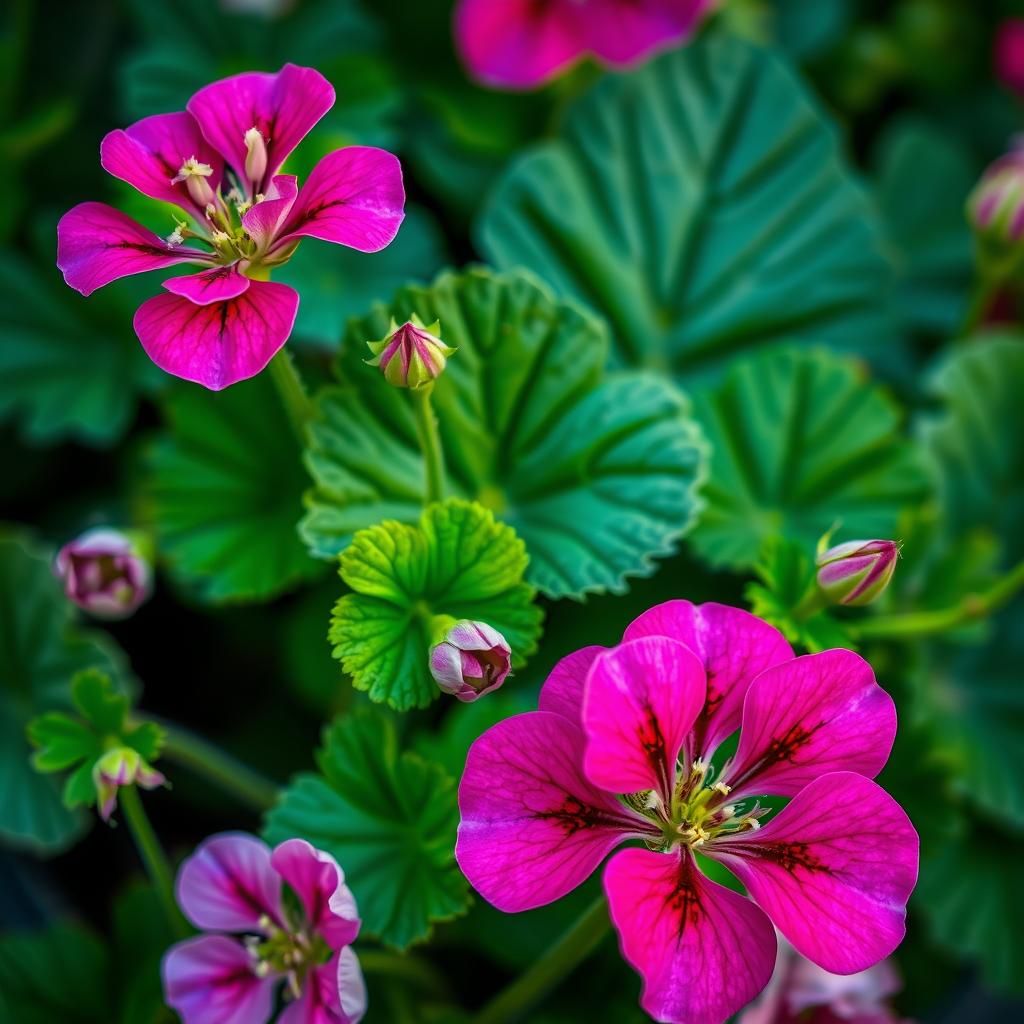
Geraniums are beloved by gardeners for their vibrant colors and hardiness, but a common question persists: are they annuals or perennials? This inquiry is particularly important for those looking to plan their gardens effectively, as understanding the growth cycle of these popular plants can significantly impact their longevity and maintenance requirements. In this article, we will delve into the classification of geraniums, exploring the differences between annual and perennial varieties and uncovering the truth behind their life cycle. Whether you're a seasoned gardener or a novice, this exploration will help you make informed choices for your gardening endeavors.
Are Geraniums Annuals or Perennials?
Geraniums can be classified as both annuals and perennials, depending on the specific type and the climate in which they are grown. The common garden geranium, known scientifically as Pelargonium, is typically treated as an annual in colder climates because it cannot survive frost. However, true geraniums, or Geranium species, are perennial and can thrive year after year in appropriate conditions. Therefore, the classification can vary based on the species and local environmental factors, making it essential for gardeners to understand which type they are using and how to care for them accordingly.
Differences Between Annual and Perennial Geraniums
The primary difference between annual and perennial geraniums lies in their lifecycle. Annual geraniums generally complete their life cycle in one growing season, flowering, and then dying, while perennial geraniums will return year after year, developing larger root systems and producing blooms in successive seasons. This difference affects the care and maintenance required for each type, as annuals require replanting every year, while perennials need to be properly winterized to survive colder months.
Popular Types of Annual Geraniums
Among the various types of annual geraniums, the most common is the Zonal Geranium, known for its vibrant colors and ease of care. Other popular varieties include Ivy Geraniums, which have trailing tendrils perfect for hanging baskets, and Scented Geraniums, which are appreciated for their unique fragrances. These varieties typically thrive in warmer climates and can grow well in containers or garden beds, offering seasonal color until frost occurs.
Key Characteristics of Perennial Geraniums
Perennial geraniums, especially those from the Geranium genus, are known for their hardy nature and ability to thrive in a variety of soil conditions. They often exhibit a wide range of leaf shapes and flower colors, providing aesthetic variety in garden beds. Some common species include Geranium maculatum and Geranium sanguineum, which bloom in spring and summer, respectively. Their ability to spread and fill in garden spaces makes them a popular choice for landscapers and home gardeners.
Growing Conditions for Geraniums
Whether you choose annual or perennial geraniums, growing conditions are crucial for their success. Geraniums generally prefer well-draining soil and a spot that receives full sun to partial shade. They thrive in warm temperatures and can benefit from regular watering, particularly during dry spells. However, overwatering can lead to root rot, so it's important to allow the soil to dry slightly between waterings. Fertilizing every few weeks during the growing season can also promote lush, vibrant growth.
Winter Care for Perennial Geraniums
To ensure that perennial geraniums survive through the winter, proper care is essential in colder climates. This involves cutting back the plants to the ground in fall and applying a layer of mulch to insulate the roots. In regions with heavy snowfall, the mulch provides additional protection against freeze-thaw cycles. Additionally, ensuring that they are planted in well-draining areas will help prevent excess moisture around the roots, which can be detrimental during the winter months.
| Type | Lifecycle | Examples |
|---|---|---|
| Annual Geraniums | One growing season | Zonal Geranium, Ivy Geranium |
| Perennial Geraniums | Multiple growing seasons | Geranium maculatum, Geranium sanguineum |
Will geraniums come back year after year?

Geraniums are popular garden plants known for their vibrant flowers and ease of care. Whether or not they will come back year after year depends on the type of geranium and the growing conditions they are provided. Here is a detailed explanation.
Types of Geraniums
Geraniums primarily fall into two categories: hardy geraniums and tender geraniums. Understanding the type you have is crucial to knowing whether they will return annually.
See also:
- Hardy Geraniums: These geraniums are perennial and can survive through colder climates. They typically return each spring and require minimal care.
- Tender Geraniums: Often seen in gardens as annuals, these geraniums are sensitive to frost and usually die off in cooler temperatures. They need to be replanted each year.
- Hybrid Varieties: Some hybrids may exhibit characteristics of both hardy and tender geraniums, requiring specific conditions to thrive and potentially return year after year.
Climate and Location
The climate and location where the geraniums are planted significantly influence their longevity. Temperature and weather patterns play a critical role.
- Frost-Free Zones: In areas where frosts are rare, tender geraniums can sometimes survive over winter, especially if protected.
- Chilly Climates: In regions with cold winters, hardy geraniums are the best option as they are designed to withstand freezing temperatures.
- Microclimates: Certain garden areas may have unique conditions, such as more sun or shelter from wind, which can affect the survival rate of both hardy and tender geraniums.
Care and Maintenance
Proper care is essential to ensure geraniums flourish each season. Factors such as watering, pruning, and feeding play a vital role.
- Watering Needs: Geraniums prefer well-drained soil. Overwatering can lead to root rot, while underwatering can stress the plants.
- Pruning Practices: Regular pruning encourages bushier growth and may help hardy geraniums bloom more profusely each year.
- Fertilization: Applying a balanced fertilizer during the growing season can boost health and vigor, aiding in their return the following year.
Winter Care for Geraniums
For those in colder climates, providing proper winter care for geraniums is essential for their survival.
- Mulching: Applying a thick layer of mulch can help protect roots from frost damage for hardy varieties.
- Indoor Storage: For tender geraniums, bringing them indoors before the first frost can extend their life, allowing them to be replanted in spring.
- Cutting Back: Reducing the foliage on tender geraniums before storing them inside can help them conserve energy and survive the winter.
Signs of Return
Finally, recognizing the signs that your geraniums may return yearly can assist in maintaining your garden.
- New Growth in Spring: Look for new shoots emerging from the base of the plant; this is a good indicator that hardy geraniums have survived the winter.
- Root Health: Healthy, firm roots are crucial for ensuring that plants can withstand winter and will regrow in the warmer months.
- Flower Buds: The appearance of flower buds in the spring signals that the plant is healthy and ready to bloom again.
Can I leave geraniums in the ground over winter?
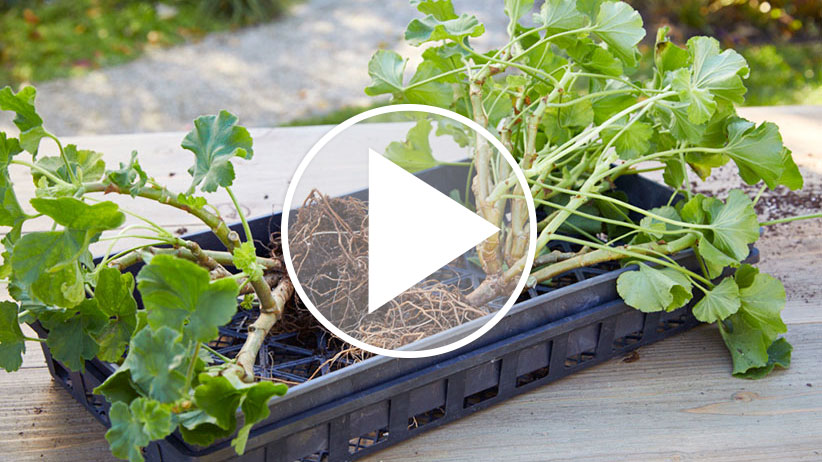
Leaving geraniums in the ground over winter depends on the climate in which they are growing. Geraniums, or Pelargoniums, are generally considered tender perennials, meaning they may not survive in areas with harsh winters or frosts. Here’s a detailed look into this topic.
Understanding Geranium Hardiness
Geraniums are classified into various species, but most common garden varieties are not frost-resistant. Their hardiness zones typically range from 10 to 11. Areas with temperatures below freezing can damage them significantly, leading to the plants' death. Here are some factors to consider regarding their hardiness:
- Zone Identification: Know your growing zone to determine if your geraniums can survive winter.
- Temperature Thresholds: Most geraniums cannot tolerate temperatures below 32°F (0°C).
- Microclimates: Some gardens may have sheltered spots that can provide protection against cold.
Winter Care Options for Geraniums
If you live in a suitable climate and want to keep your geraniums in the ground, certain care options can help them survive winter. Proper winter care is crucial for the health of your plants. Consider the following practices:
- Mulching: Apply a layer of organic mulch to insulate the roots.
- Watering: Ensure plants are well-watered before the ground freezes to prevent dehydration.
- Cutting Back: Trim back the stems to reduce stress on the plants and allow for new growth in spring.
Signs of Damage from Winter Conditions
When geraniums are left in the ground over winter, they may exhibit signs of frost damage or stress come spring. Recognizing these signs early can help you take action. Pay attention to the following symptoms:
- Browning Leaves: If the leaves turn brown and crispy, this may indicate frost damage.
- Wilting: A failure to revive after spring thaw can signal root damage.
- Stunted Growth: If new growth is sparse, the plant might not have survived the winter.
Alternative Wintering Solutions
For gardeners in cooler climates, it may be wise to take geraniums indoors or to another sheltered location. Here are some viable alternatives for wintering geraniums:
See also:
- Container Planting: Growing geraniums in pots allows for easy relocation during winter.
- Indoor Care: If bringing them inside, ensure they have sufficient light and reduce watering.
- Propagation: Consider taking cuttings before winter, allowing you to start fresh plants in spring.
Conclusion on Geranium Wintering Strategies
While some gardeners may successfully leave geraniums in the ground over winter in milder climates, many others may choose alternate methods to preserve their plants. Knowledge of your local climate and the specific geranium varieties you possess can influence your decision.
Which geranium is perennial?
:max_bytes(150000):strip_icc()/Geranium-11-c3f481fbbfec48328edc1c7b497a92a7.jpg)
The perennial geranium is commonly referred to as Geranium or cranesbill. These plants are well-known for their attractive flowers and durable foliage, making them a popular choice for gardens. Some of the most admired perennial geraniums include Geranium maculatum, Geranium ‘Rozanne’, and Geranium sanguineum. Perennial geraniums thrive in various conditions, often characterized by their ability to spread, providing a lush and colorful ground cover.
Types of Perennial Geraniums
Perennial geraniums come in a variety of species and cultivars, each offering unique features. The key types include:
- Geranium maculatum - Also known as spotted geranium, loved for its delicate purple flowers and distinctive markings.
- Geranium sanguineum - Commonly called bloody cranesbill; it features vibrant red flowers and is drought-tolerant.
- Geranium ‘Rozanne’ - A hybrid variety, celebrated for its prolonged blooming period and eye-catching blue-violet flowers.
Growing Conditions for Perennial Geraniums
Perennial geraniums thrive in a range of growing conditions, making them adaptable plants. The ideal conditions include:
- Soil Type - Prefer well-drained soil, enriched with organic matter for optimal growth.
- Sunlight - Enjoy partial to full shade; some varieties perform better in sunnier conditions.
- Watering - Need moderate watering; allow the soil to dry slightly between watering sessions to prevent root rot.
Uses in Landscaping
Perennial geraniums are versatile plants in landscaping, useful in various garden designs. Their uses include:
- Ground Cover - Excellent for suppressing weeds, providing a lush green carpet in garden beds.
- Border Plants - Ideal for planting along pathways or borders due to their compact size and bright blooms.
- Container Gardening - Suitable for pots and containers, adding color to balconies or patios.
Maintenance of Perennial Geraniums
Maintaining perennial geraniums requires specific care practices to ensure healthy growth. The maintenance tips include:
- Pruning - Trim back spent flowers to promote further blooming and tidy the plant’s appearance.
- Division - Divide every few years to rejuvenate aging plants and prevent overcrowding.
- Fertilization - Apply a balanced fertilizer in the spring to encourage robust growth and blooming.
Pests and Diseases Affecting Geraniums
Like most plants, perennial geraniums can be susceptible to various pests and diseases. The common issues include:
- Leaf Spot - Fungal diseases leading to spots on leaves; management includes good air circulation and watering practices.
- Aphids - Small insects that can cause damage; control them using insecticidal soap or natural predators.
- Slugs - Often feast on young leaves; using barriers such as copper tape can help deter them.
Questions from Our Readers
Are geraniums annuals or perennials?
Geraniums can be both annuals and perennials, depending on the species and the climate they are grown in. For instance, some types, like the Pelargonium species, are typically grown as annuals, while others, such as Geranium maculatum, are true perennials that return year after year in suitable conditions.
How can I tell if my geranium is an annual or perennial?
To determine if your geranium is an annual or perennial, check its species name and growth patterns. Annual geraniums tend to be tender and die off after the first frost, while perennial geraniums have a hardier nature and can survive winter, showing new growth in spring.
See also:
Can I grow perennial geraniums in pots?
Yes, you can grow perennial geraniums in pots, but make sure to choose a container with good drainage. Additionally, using a high-quality potting mix and ensuring adequate sunlight will help these perennials thrive in a potted environment.
What care do perennial geraniums need?
Perennial geraniums require moderate care, including well-drained soil and regular watering, especially during dry spells. They prefer full sun to partial shade and benefit from occasional fertilization to promote healthy growth and blooming.

If you want to read more articles like Are Geraniums Annuals or Perennials? Discover the Truth About These Popular Plants, we recommend you check out our Plants category.
Leave a Reply
Related Articles