Why Have My Lilies Not Bloomed? Common Reasons and Solutions for Gardeners
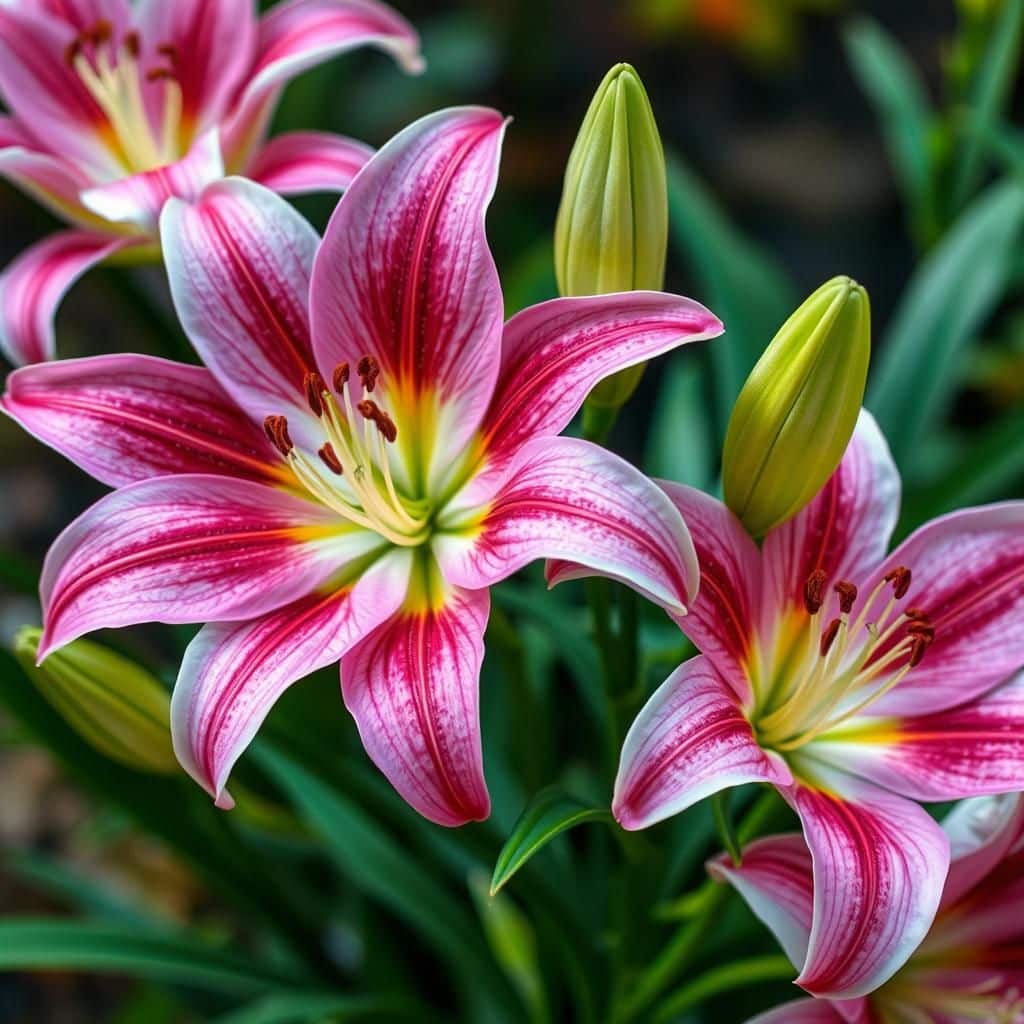
Lilies are a stunning addition to any garden, known for their vibrant colors and captivating fragrance. However, it can be disappointing when these beautiful flowers fail to bloom. Understanding the common reasons behind this issue can help gardeners address the problem effectively. Factors such as inadequate sunlight, poor soil conditions, and improper watering practices often contribute to a lack of blooms. In this article, we will explore these common causes in detail and provide practical solutions to ensure your lilies thrive and adorn your garden with their spectacular blossoms. Get ready to transform your lily garden into a blooming paradise!
Possible Reasons Your Lilies Have Not Bloomed
One common reason why your lilies might not be blooming could be attributed to improper care and environmental conditions. Lilies require specific growing conditions, including well-drained soil, adequate sunlight, and proper watering practices. If they do not receive enough sunlight, typically around 6 to 8 hours per day, or if the soil is too compacted or retains too much water, the plants may struggle to produce flowers. Additionally, factors such as fertilization timing, pest infestations, or insufficient cold exposure during the winter can also hinder blooming. Identifying and addressing these issues will enhance your chances of seeing your lilies flourish.
Insufficient Sunlight
Lilies thrive in full sunlight, which is typically defined as receiving 6-8 hours of direct sunlight each day. If your lilies are planted in shaded areas or spots that only receive partial sunlight, they may fail to bloom. The lack of adequate light can inhibit their growth cycle and affect the overall health of the plant. To remedy this, consider relocating your lilies to a sunnier location in your garden.
Poor Soil Conditions
The type of soil in which your lilies are planted plays a crucial role in their development. They prefer well-drained soil that is rich in organic matter and has a slightly acidic to neutral pH. If the soil retains too much moisture or is overly compacted, it can lead to root rot and inadequate nutrient uptake. Amending your soil with compost or peat moss can improve drainage and fertility, promoting healthier blooms.
Improper Watering Practices
Overwatering or underwatering can significantly impact the blooming of your lilies. These plants prefer to be kept moist but not waterlogged, as excess water can lead to root rot, while insufficient water can stress the plant and prevent flowering. Establishing a consistent watering schedule, especially during dry spells, ensures that your lilies receive the hydration they need without becoming waterlogged.
Lack of Fertilization
Proper fertilization is essential for encouraging blooming in lilies. A fertilizer high in phosphorus, such as a 5-10-10 formulation, is often recommended to promote flower production. If your lilies have not been fertilized or have received the wrong type of fertilizer, they may not have the necessary nutrients to support blooming. It is important to apply the appropriate fertilizer during the growing season to ensure optimal blooming conditions.
Pest Infestations and Diseases
Pest infestations, such as aphids or lily beetles, can weaken lilies and diminish their ability to bloom. Additionally, diseases like botrytis blight can affect the foliage and flowers, making them less likely to emerge. Monitoring your plants for signs of pests or disease, such as wilting leaves or unusual spots, is important. Prompt treatment with organic or chemical remedies can help safeguard your lilies and encourage healthy blooming.
| Factor | Effect on Blooming |
|---|---|
| Sunlight | Insufficient light can inhibit growth and flowering. |
| Soil Quality | Poor drainage or compacted soil can cause root problems. |
| Watering | Improper watering practices can lead to stress or rot. |
| Fertilization | Lack of adequate nutrients can prevent flowering. |
| Pests/Diseases | Infestations and diseases weaken plants and reduce blooms. |
Why are my lilies growing leaves but no flowers?

If your lilies are growing leaves but not producing flowers, several factors could be at play. Understanding the needs of your lilies and the conditions in which they are growing can help you identify the cause of this issue. Here are some possible reasons for this phenomenon:
Environmental Factors
Environmental conditions play a crucial role in the growth and flowering of lilies.
See also:
- Temperature: Lilies prefer a moderate climate. Extreme heat or cold can affect their blooming.
- Sunlight: Lack of sufficient sunlight can hinder flowering. Ensure your lilies receive at least 6 hours of direct sunlight daily.
- Watering: Both overwatering and underwatering can lead to poor blooming. It's essential to maintain soil moisture without waterlogging.
Nutrient Imbalances
Nutrient levels in the soil are vital for the overall health of your lilies.
- Fertilization: Excess nitrogen can promote lush foliage growth at the expense of flowers. Use a balanced fertilizer with lower nitrogen levels.
- Soil Quality: Poor soil quality or improper pH levels can affect nutrient uptake. Test the soil and amend it as needed.
- Micronutrients: Magnesium and phosphorus are essential for flowering. Ensure your soil contains adequate levels of these nutrients.
Pest and Disease Issues
Pests and diseases can significantly impact the ability of lilies to flower.
- Pests: Aphids and lily beetles can damage the plant, leading to stunted growth and lack of blooms.
- Diseases: Fungal infections, like botrytis, can weaken the plant. Monitor for signs of disease and apply appropriate treatments.
- Stress: Physical damage from pests or disease can stress the plant, causing it to prioritize survival over flowering.
Plant Maturity
The age and maturity of your lilies can also impact their ability to flower.
- Young Plants: Newly planted lilies may need a couple of seasons to establish themselves before they can produce flowers.
- Established Plants: If a plant has been moved or divided recently, it may take time to restart blooming.
- Bulb Health: The vitality of the bulbs at planting time is crucial. Ensure you are planting healthy, robust bulbs.
Timing and Seasonal Changes
The timing of blooming can vary based on the type of lily and environmental cues.
- Varietal Differences: Some lily varieties naturally bloom later in the season. Identify the type of lily and its expected blooming period.
- Seasonal Conditions: Changes in weather patterns can delay flowering. A cooler spring can result in delayed blooms.
- Day Length: Lilies often require specific day lengths to trigger blooming. Ensure they are in an environment that supports their natural growth cycle.
What triggers lilies to bloom?
:max_bytes(150000):strip_icc()/lilies-GettyImages-1689088422-679faa8693134a689c446d44d4c04d55.jpg)
The blooming of lilies is influenced by several environmental and physiological factors. Primarily, the process is triggered by a combination of temperature, day length, and moisture levels. The interplay of these elements prompts the plant's hormonal changes that lead to the flowering phase.
Temperature and Its Effects
Temperature plays a crucial role in the blooming process of lilies. During the growth phase, lilies require a specific temperature range to induce flowering.
- Cooler temperatures: Cooler temperatures during the night can signal to lilies that the growing season is underway.
- Optimal day temperatures: Warm but not hot days (around 70°F to 80°F) are ideal for bringing forth blooms.
- Extreme temperatures: Too high or too low temperatures can hinder the blooming process, as lilies may become dormant or stressed.
Day Length Influence
The length of daylight, or photoperiod, is another important factor that affects the blooming of lilies.
- Long days: Increased light exposure typically signals to lilies that it's time to bloom as spring transitions into summer.
- Short days: Some lily varieties may require shorter day lengths, which can affect their blooming schedule.
- Light quality: The type of light (e.g., full sun versus partial shade) can also impact flowering, with most lilies thriving in bright conditions.
Soil Moisture Levels
Adequate soil moisture is essential for lilies to bloom successfully.
- Consistent moisture: Maintaining consistent moisture promotes healthy growth and signals the plant to prepare for blooming.
- Drainage: Well-drained soil prevents root rot, which can negatively impact the plant's ability to bloom.
- Irrigation: Inconsistent watering or drought conditions can lead to stressed plants that may delay or inhibit bloom production.
Nutrient Availability
The availability of essential nutrients also contributes significantly to the blooming of lilies.
See also:
- Balanced fertilizers: Applying a balanced fertilizer can provide necessary nutrients that promote blooming.
- Soil pH levels: Ensuring proper soil acidity (pH) levels allows for better nutrient uptake, which can assist in flowering.
- Organic matter: Incorporating organic matter can enhance soil structure and provide a steady supply of nutrients, beneficial for blooming.
Genetic Factors
Lastly, the genetic makeup of the lily species influences its blooming behavior.
- Species variations: Different species of lilies have varying bloom times and flower characteristics.
- Hybrid lilies: Hybrid varieties are often bred for specific traits such as blooming time, size, and color.
- Dormancy periods: Some species have dormancy periods that they must complete before blooming is possible.
How do I get my lily to flower?

To encourage your lilies to flower, several factors must be considered related to their care and environment. Proper attention to their soil, watering, sunlight, and fertilization needs is essential to promote healthy growth and blooming.
Watering Practices
Proper watering is crucial for the health of lilies. They prefer well-drained soil that retains some moisture but doesn’t become waterlogged. Here's how you can manage their watering:
- Water lilies deeply but less frequently, allowing the top inch of the soil to dry out between waterings.
- During the flowering season, monitor the moisture levels carefully, as they may need more water in hot weather.
- Avoid overhead watering to prevent fungal diseases; water the base of the plant directly.
Soil Requirements
The right type of soil is vital for promoting the growth of lilies. They thrive in well-draining, nutrient-rich soil. Consider the following:
- Use a mix that includes loamy soil, which provides good drainage while retaining moisture.
- Incorporate organic matter, such as compost or peat moss, to enhance soil fertility.
- Test the soil pH; lilies generally prefer a pH level of 6.0 to 6.8 for optimal growth.
Sunlight Exposure
Lilies require sufficient sunlight to bloom effectively. The amount of light they receive directly affects their flowering potential. Here's how to ensure they get enough light:
- Plant your lilies in a location that receives at least 6 hours of direct sunlight daily.
- Avoid placing them in overly shaded areas, as this can hinder growth and flowering.
- If necessary, use reflective surfaces or light colors around the garden to enhance available light.
Fertilization Techniques
Proper fertilization is essential for promoting blooming in lilies. An appropriate fertilizer can provide the needed nutrients for strong growth. Here are some tips:
- Select a balanced fertilizer, preferably one that is low in nitrogen to encourage flowering rather than foliage growth.
- Apply fertilizer in the spring, just as new growth begins, and again after flowering to replenish nutrients.
- Follow the manufacturer's instructions regarding dilution and frequency of application for best results.
Pest and Disease Management
Maintaining the health of your lilies involves managing potential pests and diseases that can hinder flowering. Preventive measures can protect your plants effectively:
- Regularly inspect your plants for signs of pests such as aphids or beetles and address infestations promptly.
- Implement good garden hygiene by removing debris and dead leaves that can harbor diseases.
- Consider using organic pesticides or natural repellents to minimize pest damage without harming the environment.
Questions from Our Readers
Why are my lilies not blooming?
It's frustrating when your lilies don't bloom, and several factors could be at play. Insufficient sunlight, poor soil quality, and even watering issues can prevent blooming. Ensure your lilies are planted in a location that receives at least 6 hours of sunlight daily and that the soil is well-drained and enriched with organic matter.
Could it be the type of lily I'm growing?
Yes, the type of lily you are growing can affect blooming. Different species and varieties have unique blooming times and requirements. For instance, some Oriental lilies bloom later in the summer, while Asiatic lilies typically bloom earlier. Check the specific needs and timing for the variety you have planted.
See also:
Am I watering my lilies correctly?
Improper watering can significantly impact the blooming of lilies. They need a consistent level of moisture, but overwatering can lead to root rot, while underwatering can dry them out. Make sure to keep the soil evenly moist but not soggy, and consider mulching to help retain soil moisture.
Is fertilizer necessary for blooming lilies?
Yes, using the right type of fertilizer can enhance the blooming of your lilies. Too much nitrogen can result in lush foliage at the expense of flowers, so choose a fertilizer with a balanced ratio or one that is specifically formulated for flowering plants. Applying fertilizer at the right time, typically in early spring, can help promote healthy blooms.

If you want to read more articles like Why Have My Lilies Not Bloomed? Common Reasons and Solutions for Gardeners, we recommend you check out our Flowers category.
Leave a Reply
Related Articles