Exploring Nature's Beauty: Are Blue Flowers Real or Fake?
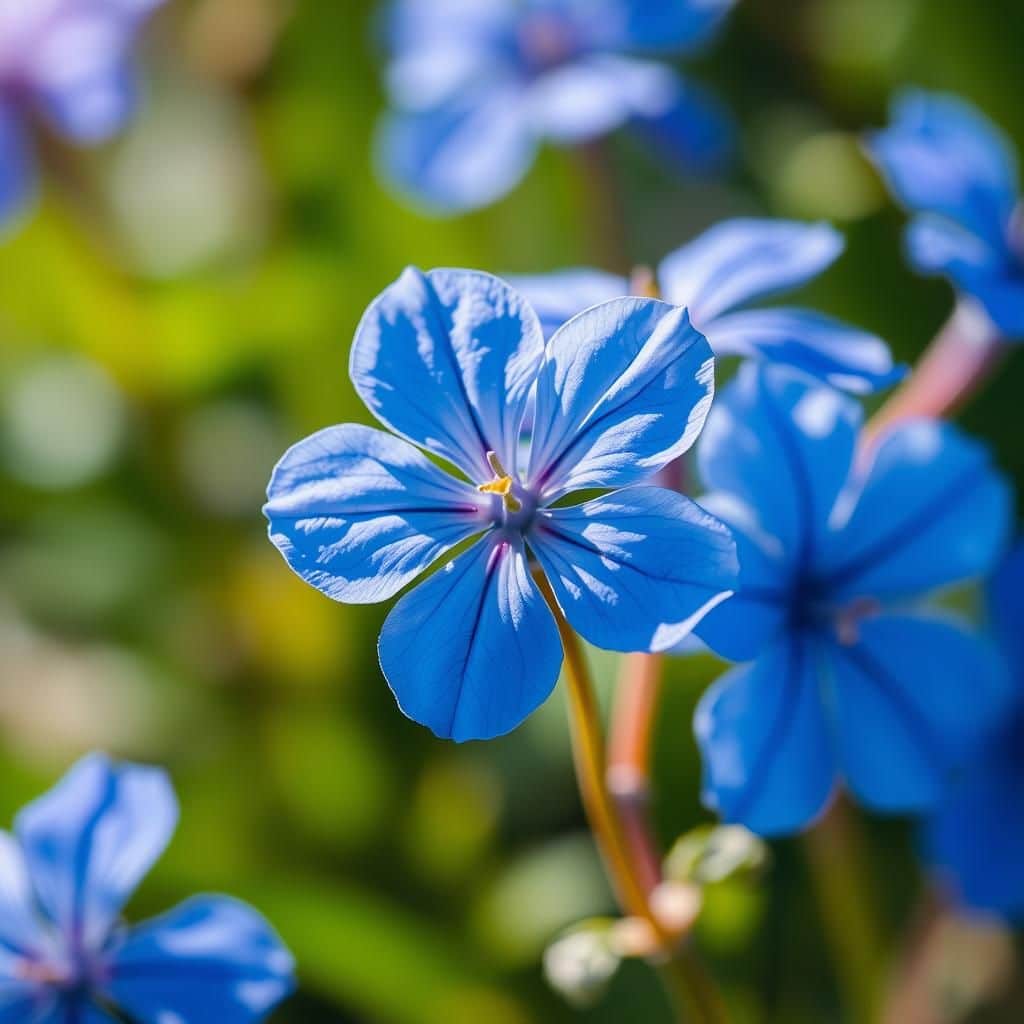
The allure of blue flowers captivates many, evoking thoughts of serenity and tranquility. However, the existence of truly blue flowers in nature often sparks curiosity and debate. Are these stunning blooms real, or do they belong to the realm of artistic illusion and synthetic creations? In this article, we delve into the fascinating world of blue flowers, exploring their natural occurrences, the science behind their color, and the role of human ingenuity in creating artificial counterparts. Join us on a journey through gardens and landscapes as we uncover the captivating truth behind these enchanting blue petals.
Are Blue Flowers Real or Fake?
Blue flowers are indeed a fascinating topic as they are often perceived as rare in nature. While many species of flowers exist in various colors, true blue flowers are relatively uncommon due to the complexity of the pigments required for blue coloration. Most blue flowers derive their hue from a combination of different pigments, such as anthocyanins, which can show blue under certain pH levels within the plant. Despite their rarity, there are genuine species that exhibit blue flowers, such as the Bluebell and Forget-Me-Not, showcasing that these vibrant blooms are not fictitious but rather a unique result of nature's intricate chemical processes.
Why Are Blue Flowers Rare in Nature?
The rarity of blue flowers in nature is primarily due to the difficulty in producing the pigments required for this color. Many plants utilize pigments like red and yellow, which are much easier to produce. The formation of blue hues often involves a combination of both genetic and environmental factors. Additionally, the pH of the soil can affect the color of the flowers; for instance, hydrangeas can change from pink to blue depending on soil acidity. As a result, the evolutionary pressures have contributed to the fewer occurrences of blue blooms compared to other colors.
Common Types of Blue Flowers
Several species are recognized for their stunning blue blooms. Some notable examples include the Cornflower, known for its vibrant deep blue petals, and the Lobelia, which is popular in gardens for its cascading blue flowers. Another noteworthy example is the Delphinium, which produces tall spikes adorned with bright blue flowers. These authentic blue flowers exemplify the beauty that can arise from plants adapting to their environments while also maintaining their aesthetic appeal.
How Are Blue Flowers Created in Cultivation?
In cultivation, gardeners and florists often seek to create blue flowers through cross-breeding different plant species and by manipulating soil conditions to encourage the desired coloration. This may involve altering the pH levels of the soil or using certain fertilizers that promote the production of blue pigments in the plants. Moreover, certain flowers may be dye-treated to achieve a blue appearance; while this method does not result in a naturally blue flower, it can achieve the desired visual effect for decorative purposes.
Examples of Faux Blue Flowers
While there are genuine blue flowers, many artificial or faux blue flowers exist in the market, primarily for ornamental use. Products made from silk, plastic, or other synthetic materials can mimic the look of blue flowers without any natural basis. These faux blooms can be an effective alternative for those who wish to enjoy the aesthetic of blue flowers without the care and maintenance that live plants require. However, it is essential to recognize that these are not actual flowers, merely imitations designed to appear visually appealing.
The Cultural Significance of Blue Flowers
Blue flowers often hold significant symbolism and cultural meaning across various societies. For example, in the language of flowers, blue petals can symbolize trust, loyalty, and tranquility. They are frequently used in wedding bouquets and decorations to convey a sense of calm and harmony. Additionally, their striking appearance has made them popular in art and literature, where they are often associated with beauty and rarity, enhancing their importance in cultural expressions and traditions.
| Flower Name | Scientific Name | Color |
|---|---|---|
| Bluebell | Hyacinthoides non-scripta | Blue |
| Cornflower | Centaurea cyanus | Blue |
| Forget-Me-Not | Myosotis spp. | Blue |
| Lobelia | Lobelia erinus | Blue |
| Delphinium | Delphinium spp. | Blue |
Do blue flowers actually exist?
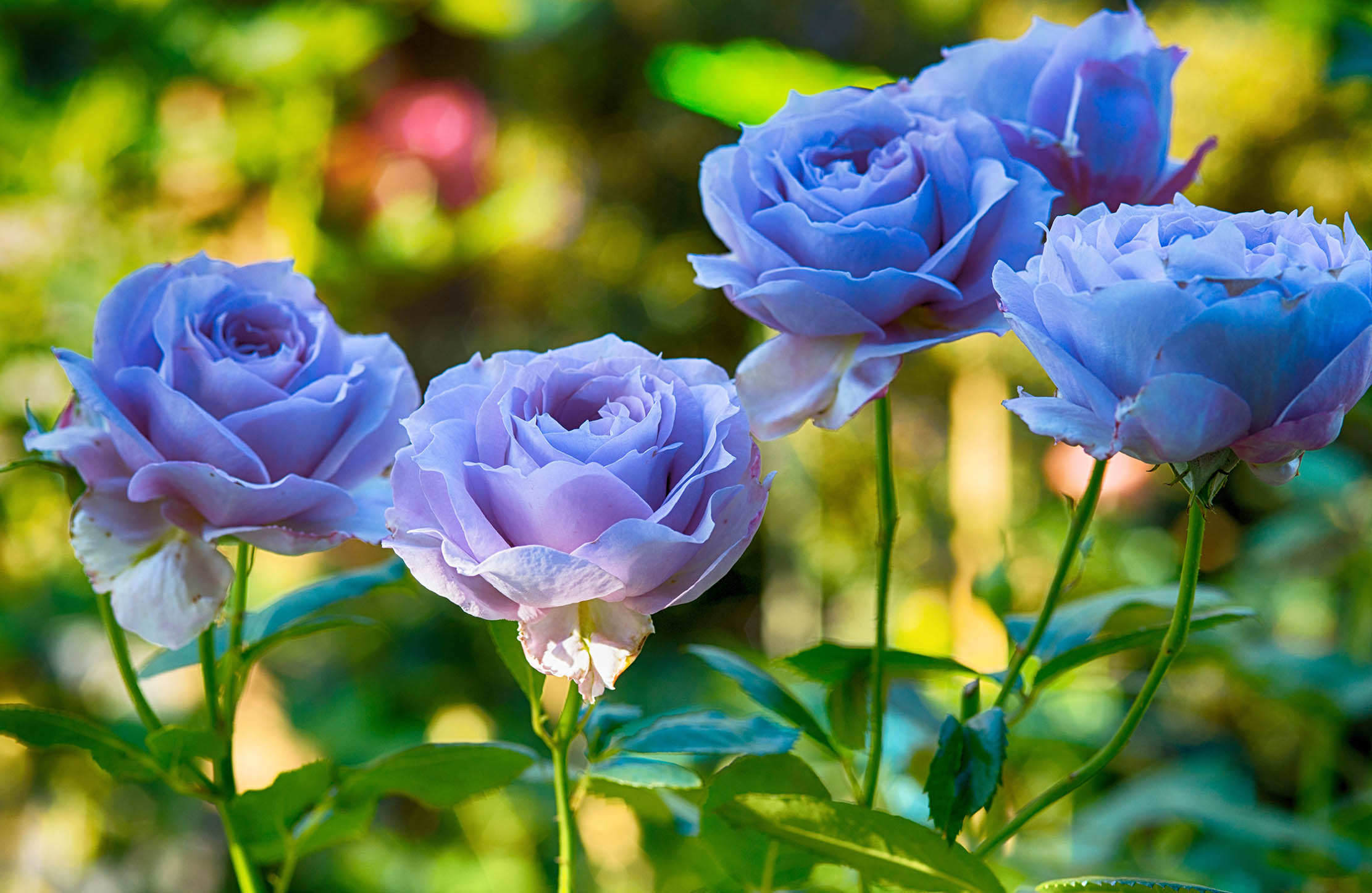
Yes, blue flowers do exist, although they are relatively rare compared to flowers of other colors. The color blue in flowers is a result of specific pigments and the structure of the plant cells. Most often, blue flowers exhibit a range of shades from light blue to deep indigo. They achieve this hue through the presence of pigments such as anthocyanins, which can appear blue under certain pH conditions.
In nature, the scarcity of blue flowers can be attributed to evolutionary factors, including the pollinators that these plants attract and the environments in which they thrive. Flowers typically evolve colors that are most appealing to their primary pollinators; hence, bright and vivid colors like reds, yellows, and pinks are more common.
Examples of Blue Flowers
Blue flowers can be found in various species, and some of the most common include:
- Bluebell - Known for its drooping clusters of bell-shaped flowers, it thrives in woodland areas.
- Hyacinth - A popular garden plant, this bulb produces dense flower clusters in various shades of blue.
- Delphinium - Characterized by its tall spikes and vibrant blue hues, this flower is a favorite in flower arrangements.
Reasons for Rarity
The rarity of blue flowers in nature can be explained through several factors:
- Pollinator Preferences - Many insects are more attracted to warmer colors, which affects flower pigmentation.
- Genetic Limitations - The genetic pathways necessary to produce blue pigments may be less common in flowering plants.
- Ecosystem Dynamics - Certain ecosystems may favor plant species with colors that ensure successful reproductive strategies.
Cultivation of Blue Flowers
Cultivating blue flowers can be an enjoyable and rewarding experience, and here are some plants that are often grown:
See also:
- Morning Glory - This climbing plant produces striking blue flowers and is easy to grow in many environments.
- Blue Hydrangea - The color of hydrangeas can change based on soil pH, allowing gardeners to produce blue blooms.
- Forget-Me-Not - A charming wildflower, it features small clusters of delicate blue blooms.
Symbolism of Blue Flowers
Blue flowers carry various meanings and symbolism in different cultures:
- Love and Romance - Some blue flowers symbolize peace and love, often used in romantic contexts.
- Hope - Many consider blue flowers as symbols of hope and remembrance.
- Wisdom - In some cultures, blue flowers are associated with wisdom and tranquility.
Scientific Study of Blue Flowers
The study of blue flowers involves various scientific disciplines:
- Botany - Research on the genetics and ecology of blue-flowered species provides insight into their rarity.
- Pigment Chemistry - Scientific investigations reveal how anthocyanins and other pigments create blue hues.
- Evolutionary Biology - Understanding the evolutionary advantages and adaptations of blue flowers can shed light on their distribution.
Are all blue flowers dyed?

The question of whether all blue flowers are dyed is a common misconception, as it suggests that blue is a color not found naturally in flowers. However, while it is true that many commonly seen blue flowers can be created through dyeing white or light-colored flowers, there are numerous species of flowers that produce blue flowers naturally. Some of the reasons why blue flowers might appear dyed or less common include genetic factors, environmental influences, and human cultivation practices.
Natural Blue Flowers
Many flowers exhibit a natural blue coloration due to specific pigments, primarily anthocyanins, which can appear blue depending on pH levels and other environmental conditions. Some species that produce blue flowers naturally include:
- Delphinium: Known for their towering spikes and vibrant blue shades.
- Bluebell: A native wildflower that carpets woodlands in spring.
- Hydrangeas: Can naturally develop blue flowers under acidic soil conditions.
Common Techniques for Dyeing Flowers
Dyeing flowers is a popular practice in the floral industry to achieve specific colors that might not be available naturally. Techniques include:
- Coloring with Food Dye: Mixing dye with water and allowing white flowers to absorb the color.
- Stem Dyeing: Cutting the stem of a flower and placing it in dyed water.
- Spray Dyeing: Applying dye directly onto the petals for quicker and often more intense colors.
Why Blue Flowers Are Rare
Blue flowers are relatively rare in nature due to the complex biochemical pathways that produce blue pigmentation. Some reasons include:
- Genetic Limitations: Certain plants lack the genetic makeup to produce blue pigments.
- Pollinator Attraction: Many pollinators are attracted to other colors, which influences plant evolution.
- Environmental Factors: Soil chemistry and climate can affect the pigment production in flowers.
Cultural Significance of Blue Flowers
Blue flowers often carry special meanings and are prevalent in various cultures. Their significance includes:
- Symbolism: Representing tranquility, peace, and loyalty in different cultures.
- Art and Literature: Frequently depicted as symbols of beauty and mystery in artistic works.
- Traditional Uses: Used in cultural rituals and celebrations across various societies.
Impact of Human Cultivation on Flower Colors
Human intervention through cultivation has led to the enhancement and creation of various flower colors, including blue. Key aspects include:
- Selective Breeding: Cultivators choose parents for specific traits, including desired colors.
- Genetic Engineering: Advances in biotechnology aim to create blue flowers in species typically lacking this color.
- Market Demand: The floral industry shapes the availability of specific colors based on consumer preferences.
Does blue rose actually exist?
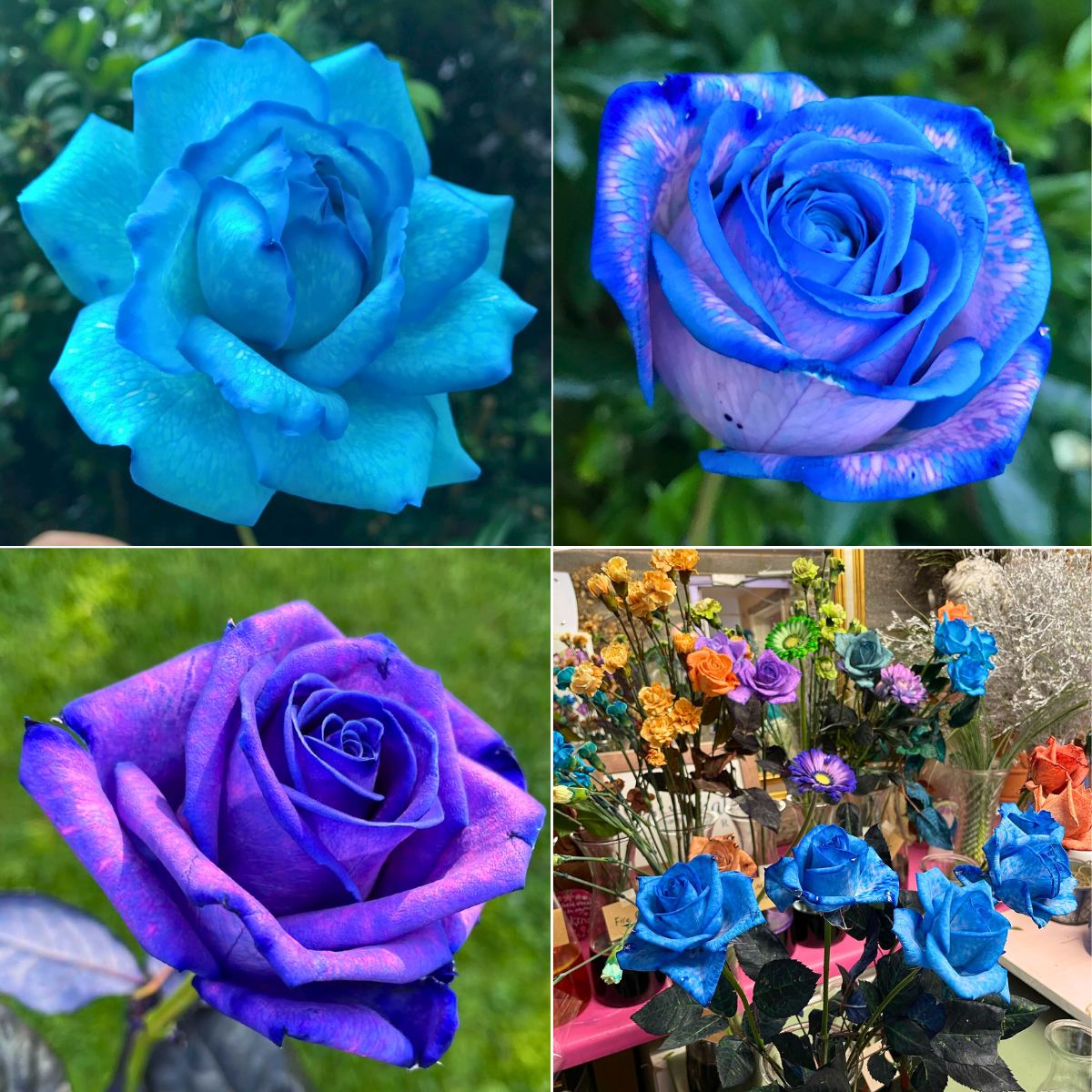
The concept of a blue rose has fascinated gardeners, artists, and florists for centuries. However, despite its appeal, a true blue rose does not exist in nature. The reason lies in the genetic makeup of roses and the specific pigments they contain. Roses come in a variety of colors, primarily due to the presence of pigments called flavonoids. The absence of a specific gene that would allow the production of a blue pigment called delphinidin is what makes blue roses unattainable through traditional breeding methods. Advancements in genetic engineering have led to the creation of flowers that can mimic the appearance of a blue rose, but these are not naturally occurring.
History of the Blue Rose
The allure of the blue rose can be traced back through history, often symbolizing the unattainable or the mysterious.
- Ancient Legends: Various cultures referenced blue roses in mythology and art, often associating them with special meanings and unattained desires.
- Literary References: The blue rose appears in classic literature, often signifying unattainable love or desire.
- Artistic Depictions: Artists have long utilized the concept of blue roses in their works to convey various emotions and themes.
Genetic Engineering and Blue Roses
In recent years, genetic engineering has opened new avenues for creating flowers that appear blue.
See also:
- Introduction of Genes: Scientists have experimented with introducing genes from other plants to produce the desired blue pigmentation in roses.
- Commercial Variants: Certain companies have successfully marketed genetically engineered roses that exhibit a blue hue, although they are not true blue roses.
- Ethical Considerations: The manipulation of plant genetics raises questions regarding biodiversity and the integrity of natural species.
Symbolism of the Blue Rose
The symbolism associated with the blue rose is rich and varied, making it a significant subject in various contexts.
- Love and Mystery: Often, blue roses symbolize love that is unattainable or a longing for something out of reach.
- Spiritual Significance: In some spiritual practices, blue roses symbolize hope and aspiration, representing the pursuit of one's dreams.
- Common in Weddings: The mystical allure of blue roses has made them popular choices in wedding arrangements, embodying uniqueness and individuality.
Popular Alternatives to Blue Roses
For those seeking the beauty of a blue rose, several alternatives capture similar aesthetics.
- Dyed Roses: White roses can be dyed with blue pigments to create the appearance of blue flowers, commonly found in florists.
- Similar Flowers: Other flowers, such as hydrangeas or bluebells, naturally exhibit blue blossoms and can serve as substitutes.
- Novel Rose Varieties: Some genetically modified roses come in shades of lavender that can sometimes appear blue under specific lighting conditions.
Conclusion in the Floral Industry
The floral industry continues to explore the possibilities surrounding blue roses, leading to innovations and new market trends.
- Consumer Demand: With a strong interest in unique flowers, consumers drive the search for alternatives like blue roses.
- Market Trends: Floral designers and sellers have capitalized on the beauty that a 'blue rose-like' flower brings to arrangements.
- Future Prospects: Research continues into the genetics of roses, with potential breakthroughs that could bring true blue roses closer to reality.
How can you tell if a flower is real or fake?

To determine whether a flower is real or fake, several visual and tactile indicators can be assessed. The fundamental differences often lie in the texture, color, scent, and overall appearance of the flowers. Here are a few techniques to help you identify whether a flower is genuine or manufactured:
Visual Inspection
When examining a flower, the first step is to conduct a thorough visual inspection. Real flowers typically display natural variations in color and shape, while artificial flowers tend to be more uniform. Look for these signs:
- Color Variability: Real flowers often exhibit slight variations in hue and saturation, while fake flowers are usually painted in solid colors.
- Petal Integrity: Natural petals may have imperfections or slight bruises, and their edges might be uneven, whereas fake petals are usually flawless.
- Leaf Details: Analyze the leaves; real leaves will have different shades and textures, while artificial leaves might look too shiny and uniform.
Texture and Feel
The texture and feel of the flower can also provide critical clues. Real flowers tend to have a softer, more delicate feel, while fake flowers are often made from synthetic materials. Check for the following:
- Softness: Real flowers feel soft and might be slightly moist at times, while fake flowers are typically made from plastic or silk and might feel coarse.
- Weight: Fresh flowers tend to feel lighter compared to fake ones, which can sometimes feel heavier due to their materials.
- Temperature: Real flowers tend to absorb the temperature of their environment, while fake flowers do not change with the room temperature.
Smell Test
A crucial, often overlooked aspect of identifying real flowers is their scent. Fresh flowers typically emit a natural fragrance that can vary significantly. Follow these steps:
- Fragrance: Gently sniff the flower; real flowers will usually have a distinct and pleasant aroma.
- Spring Variation: Be aware that some flowers bloom with different fragrance strengths depending on the season. Artificial flowers will not have any scent.
- Absence of Chemical Smell: Fake flowers often have a chemical or plastic smell, indicating they are not real.
Comparison with Nature
Another effective way to ascertain the authenticity of a flower is to compare it to the natural versions of that flower. Here’s how:
- Research Characteristics: Study the specific flower's characteristics, such as the number of petals, colors, and growing conditions.
- Look for Authentic Traits: Check if the flower’s features match those of the real counterpart—like stamen placement or petal overlap.
- Check for Realism: Examine the flower in question against an image or specimen of the genuine article for immediate visual discrepancies.
Location and Care Requirements
Understanding where the flowers are found in nature and their care requirements can also indicate if they are real or artificial. Consider these aspects:
- Growth Environment: Real flowers thrive in specific environments and under certain conditions that artificial flowers cannot replicate.
- Maintenance Needs: Real flowers need regular watering and sunlight, while artificial flowers require no care, which may give away their nature.
- Seasonal Availability: If a flower is available year-round, it is probably artificial unless it's a cultivated species that can bloom in different seasons.
Questions from Our Readers
Are blue flowers naturally occurring?
Yes, blue flowers are indeed naturally occurring, although they are relatively rare in the plant kingdom. Many plants that display blue hues achieve this color through the combination of certain pigments and environmental factors. Notable examples include bluebells and delphiniums.
What are some examples of blue flowers?
Some common examples of blue flowers include hydrangeas, bluebells, and forget-me-nots. Each of these species has distinct characteristics and thriving habitats that contribute to their blue coloration.
Can blue flowers be created artificially?
Yes, blue flowers can be created artificially through various methods. This includes genetic modification or color-enhancing techniques used in cultivation, leading to the creation of flowers with blue hues that do not naturally exist in their species.
See also:
Are blue flowers used for ornamental purposes?
Absolutely, blue flowers are highly valued for ornamental purposes in gardens and floral arrangements. Their unique color adds a vibrant touch to landscapes and is often associated with feelings of tranquility and calmness.
If you want to read more articles like Exploring Nature's Beauty: Are Blue Flowers Real or Fake?, we recommend you check out our Flowers category.
Leave a Reply
Related Articles