Are Black Sunflowers Rare? Discover the Truth Behind Their Uniqueness and Beauty.

Black sunflowers, with their striking dark petals and captivating appearance, have intrigued flower enthusiasts and gardeners alike. These unique blooms stand out in gardens and floral arrangements, evoking curiosity about their rarity and the secrets behind their stunning beauty. While most sunflowers display the classic yellow hues, black sunflowers challenge our expectations, showcasing nature's diversity. In this article, we will explore the origins, characteristics, and cultural significance of black sunflowers, shedding light on whether they truly are rare or simply underappreciated. Join us as we delve into the fascinating world of these extraordinary flowers and uncover the truth behind their allure.
Are Black Sunflowers Rare?
Black sunflowers, characterized by their dark central disks and deep-colored petals, are indeed considered rare compared to their traditional yellow counterparts. These unique flowers belong to the Helianthus genus, and while they can be cultivated, they are not commonly found in the wild. The rarity stems from the specific breeding practices required to achieve the darker pigmentation, as well as the limited number of cultivars that exhibit this striking appearance. Gardeners and flower enthusiasts often seek black sunflowers for their aesthetic appeal and to add a dramatic touch to floral arrangements, but their cultivation requires careful attention to soil conditions and sunlight to thrive.
What Causes the Dark Coloration in Sunflowers?
The dark coloration in black sunflowers is due to the presence of specific pigments, such as anthocyanins, which can create a range of hues from purple to deep black. The genetic makeup of these flowers, influenced by selective breeding, allows for the expression of these pigments in the petals and central disk. This unique breeding process is what differentiates black sunflowers from more common varieties, resulting in the vibrant and unusual color that captivates horticulturists.
How Are Black Sunflowers Cultivated?
Cultivating black sunflowers requires careful consideration of growing conditions. They thrive best in well-drained soil with ample sunlight, typically needing at least six hours of direct sunlight each day. Experienced gardeners recommend planting seeds in a location that provides protection from strong winds and heavy rain, as these conditions can damage the tender flowers. Regular watering and proper fertilization can also enhance the growth and flowering potential of black sunflowers, making them a rewarding yet meticulous plant to grow.
Where Can You Find Black Sunflower Seeds?
Black sunflower seeds can be sourced from specialized nurseries and online retailers that focus on rare or unique plant varieties. Some gardeners may also choose to collect seeds from their own black sunflowers to ensure the desired traits persist in future generations. When selecting seeds, it is essential to choose reputable suppliers that guarantee the quality and authenticity of the black sunflower cultivar, as this will greatly affect the success of cultivation efforts.
Are Black Sunflowers Suitable for All Garden Types?
While black sunflowers can enhance various garden types with their striking appearance, they are best suited for full-sun gardens or ornamental landscapes. Their distinct color adds a unique contrast among more traditional flower varieties. However, gardeners must consider their climate and local environmental conditions, as these flowers may struggle in overly humid or cold climates. In versatile garden designs, black sunflowers can serve as standout focal points or complement other colorful flowers.
What Are the Uses of Black Sunflowers?
Beyond their ornamental value, black sunflowers have several other beneficial uses. They can attract pollinators such as bees and butterflies, making them an excellent addition to pollinator gardens. Additionally, the seeds of black sunflowers can be harvested and used as bird feed or in trail mixes, providing nutritional value. Moreover, their visually striking appearance makes them a popular choice for floral arrangements and centerpieces, especially in themed events like weddings.
| Aspect | Details |
|---|---|
| Color | Dark central disks with deep-colored petals |
| Rarity | Less common than traditional yellow sunflowers |
| Cultivation | Requires sunlight, well-drained soil, and regular care |
| Seed Sources | Specialized nurseries and online retailers |
| Uses | Ornamental value, pollinator attraction, and bird feed |
Are black sunflowers common?

Black sunflowers, scientifically known as Helianthus annuus, are not considered common compared to their bright yellow counterparts. The striking appearance of black sunflowers comes from their dark seeds and petals, which can range from a deep mahogany to an almost black color. However, these flowers are less frequently found in gardens and fields due to various factors, including their breeding, cultivation, and demand.
The Rarity of Black Sunflowers
Black sunflowers are relatively rare in comparison to traditional sunflowers. Their unique coloration makes them desirable, but the following aspects contribute to their scarcity:
See also:
- Selective Breeding: Many black sunflowers are the result of selective breeding practices aimed at achieving specific traits, which can limit their availability.
- Market Demand: The demand for bright-colored sunflowers is higher in the floral industry, making darker variants less common in stores.
- Growing Conditions: Black sunflowers may require specific soil and climate conditions that are not as widespread as those suitable for standard sunflowers.
Uses of Black Sunflowers
Despite their rarity, black sunflowers serve various purposes that contribute to their appeal. They can be used in:
- Gardening: They add a unique aesthetic to gardens and can be grown for ornamental purposes.
- Seed Production: The seeds are often harvested for snacks or cooking oils, although this is less common than for yellow sunflowers.
- Wildlife Attraction: Their seeds provide nourishment for birds and other wildlife, making them beneficial for ecological balance.
Growing Black Sunflowers
Growing black sunflowers requires attention to detail about their environment and care. Key considerations include:
- Sunlight: They thrive in full sunlight, requiring at least 6-8 hours of direct light each day.
- Soil Type: Well-drained soil rich in organic material is optimal for their growth.
- Watering: Consistent watering is essential, especially during dry periods, to ensure proper growth and seed formation.
Possible Variations
Black sunflowers can present variations in appearance and growth characteristics. These variations can include:
- Petal Color: Some may exhibit shades that range from dark brown to nearly black, varying by cultivar.
- Height: Depending on the variety, they can grow anywhere from 3 to 10 feet tall.
- Seed Size: The seeds can also vary in size, influencing how they are utilized in cooking or bird feeding.
Where to Find Black Sunflowers
Finding black sunflowers may take some effort, as they are less common in stores. Consider the following avenues:
- Specialty Nurseries: Look for nurseries that specialize in exotic or rare flower varieties.
- Seed Catalogs: Some seed catalogs offer specific varieties of black sunflowers for home planting.
- Online Retailers: Numerous online platforms sell seeds and plants, providing access to black sunflower varieties that may not be available locally.
Are black beauty sunflowers real?
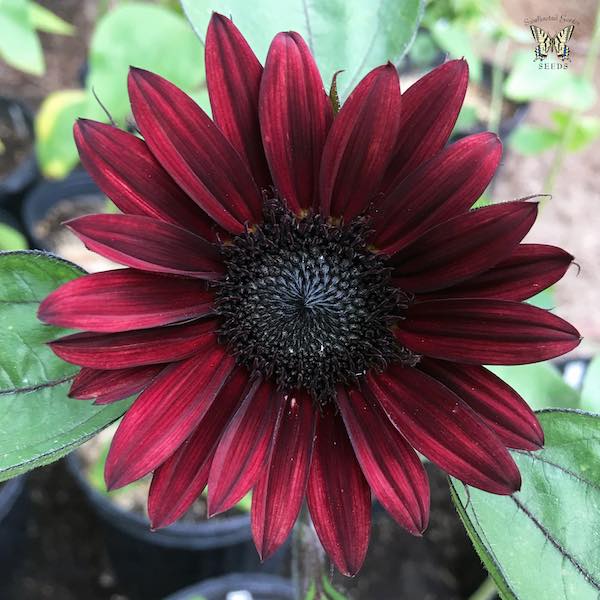
Black Beauty sunflowers, also known scientifically as Helianthus annuus, are a real variety of sunflower that attracts attention due to its unique appearance. They are appreciated for their dark-colored petals and striking contrast against the yellow center, making them popular in gardens and as cut flowers. This particular variety of sunflower boasts a distinct aesthetic appeal that sets it apart from more common sunflower varieties.
Characteristics of Black Beauty Sunflowers
The Black Beauty sunflower is characterized by its vibrant deep burgundy or almost black petals which create a dramatic effect in the garden. Here are some notable features:
- Height: These sunflowers typically grow to about 3 to 5 feet tall.
- Bloom Size: The blooms can reach up to 8-10 inches in diameter, making them quite prominent.
- Foliage: The leaves are large, dark green, and heart-shaped, providing a striking background to the flowers.
Cultivation and Growing Conditions
Growing Black Beauty sunflowers requires specific conditions to thrive. They prefer full sunlight and well-draining soil. Here are key growing conditions:
- Sunlight: They need at least 6-8 hours of direct sunlight daily.
- Soil Type: A loamy soil rich in organic matter is ideal.
- Watering: Regular watering is necessary, especially during dry spells, but avoid waterlogging.
Uses of Black Beauty Sunflowers
These sunflowers are not only visually appealing but also versatile in use. They can serve various purposes:
- Ornamental Plants: Often used in garden borders and landscapes for visual interest.
- Cuts Flowers: They make stunning cut flowers for arrangements due to their unique color.
- Wildlife Attractant: Their seeds attract birds and other wildlife, contributing to biodiversity.
Pests and Diseases
Like many plants, Black Beauty sunflowers are susceptible to certain pests and diseases. Being aware of these can help in their management:
See also:
- Aphids: These tiny insects can suck sap from the leaves, weakening the plant.
- Powdery Mildew: A fungal disease that may appear if humidity is too high.
- Bird Damage: Birds may eat the seeds, especially when they are ripe.
Comparisons with Other Sunflower Varieties
It is beneficial to compare Black Beauty sunflowers with other varieties to understand their uniqueness better:
- Color: Unlike the typical yellow sunflowers, Black Beauty has dark red or burgundy petals.
- Height: They are generally shorter than tall sunflower varieties like the Grey Stripe.
- Cultural Significance: Black sunflowers are often associated with uniqueness and creativity, while yellow varieties symbolize happiness.
Why have my sunflowers gone black?

The condition of your sunflowers turning black can be attributed to several factors, including disease, pests, or environmental stress. Understanding the underlying causes will help in diagnosing the issue effectively.
Common Diseases Affecting Sunflowers
Sunflowers can be susceptible to various diseases, which can manifest as blackening of the leaves or stems. Some of the most notable diseases include:
- Black Spot Disease: Caused by fungi, this disease leads to the development of black or dark brown spots on the leaves, eventually leading to leaf drop.
- Downy Mildew: This fungal disease presents as dark patches on the undersides of leaves, leading to wilting and death of the plant.
- Rust: Characterized by rust-colored pustules, this disease can also cause the leaves to blacken if left untreated.
Pest Infestations
Pests can also contribute to the darkening of your sunflowers. They might not only damage the plant physically but can also introduce diseases that lead to discoloration.
- Aphids: These small insects suck the sap from the plants and can cause leaves to curl and eventually turn black due to sooty mold growth.
- Sunflower Beetles: They feed on sunflower leaves, creating significant damage that can result in blackened, dying foliage.
- Spider Mites: These tiny arachnids create stippling damage on leaves, leading to discoloration and weakening the plant's overall health.
Environmental Factors
Various environmental stresses can affect sunflowers and lead to a change in coloration, including:
- Water Stress: Both overwatering and underwatering can lead to root issues, causing the plant to discolor and show signs of distress.
- Extreme Temperatures: Prolonged exposure to unusually high or low temperatures can cause temperature shock, resulting in blackened or wilted leaves.
- Nutrient Deficiencies: Lack of essential nutrients, such as nitrogen or potassium, can cause leaves to exhibit black patches or edges as they deteriorate.
Soil Conditions
The quality of the soil in which your sunflowers are planted is crucial. Poor soil conditions can lead to a myriad of problems that result in blackening.
- Compaction: Compacted soil can limit root growth and reduce oxygen levels, affecting plant health and leading to discoloration.
- pH Imbalance: Overly acidic or alkaline soil can hinder nutrient availability, resulting in symptoms that include blackened foliage.
- Drainage Issues: Poor drainage can cause root rot and other fungal infections, leading to dark, mushy stems or leaves.
Management and Prevention Strategies
Proactive management strategies can help prevent the occurrence of blackening in sunflowers. Implementing these practices can enhance plant health.
- Regular Monitoring: Keep a close eye on your plants for early signs of disease or pests to take timely action.
- Proper Spacing: Ensure adequate spacing between plants to promote airflow and reduce humidity, helping to prevent diseases.
- Soil Testing: Conduct soil tests to determine nutrient levels and pH, allowing for proper amendments to create a healthy growing environment.
Questions from Our Readers
Are black sunflowers rare?
Black sunflowers are considered rare compared to the more common yellow varieties. Their unique dark coloration is a result of a genetic mutation or specific breeding, making them less frequently found in gardens and farms. Cultivators and enthusiasts often seek them out for their striking appearance.
What causes the black coloration in sunflowers?
The black coloration in sunflowers is primarily due to the presence of anthocyanins, which are pigments responsible for the dark hues. This genetic trait can vary, leading to the distinct deep colors that make black sunflowers visually appealing.
See also:
How can I grow black sunflowers in my garden?
To grow black sunflowers, start by selecting the appropriate seeds from reputable suppliers that specialize in these varieties. Plant them in a sunny location with well-drained soil, and ensure they receive adequate watering throughout their growth to promote healthy blooms.
Are black sunflowers suitable for cut flower arrangements?
Yes, black sunflowers are highly suitable for cut flower arrangements. Their contrasting color adds a dramatic touch to any bouquet, and they are often favored for their durability and longer vase life compared to other flower types.
https://youtube.com/watch?v=BVCKNpeMejM
If you want to read more articles like Are Black Sunflowers Rare? Discover the Truth Behind Their Uniqueness and Beauty., we recommend you check out our Flowers category.
Leave a Reply
Related Articles