What Flower is the Hardest to Keep Alive? Tips for Care and Survival

When it comes to cultivating beautiful blooms, not all flowers are created equal. Some species thrive effortlessly, while others can prove to be quite challenging. In this article, we will explore the flower that is often deemed the hardest to keep alive, examining the specific care requirements that can make or break its survival. From environmental factors to watering needs, we'll provide essential tips and insights to help you nurture this delicate beauty successfully. Whether you are an experienced gardener or a novice plant parent, understanding these nuances will empower you to maintain the health and vibrancy of this elusive flower.
The Most Difficult Flower to Keep Alive
Keeping certain flowers alive can be quite a challenge, with many factors affecting their health and longevity. One flower that is often considered the hardest to maintain is the orchid, particularly species like the Phalaenopsis. These stunning plants require specific growing conditions, including high humidity, adequate light, and precise watering routines. Overwatering can quickly lead to root rot, while insufficient light can stunt their growth. Additionally, they can be sensitive to temperature fluctuations, making it essential for growers to replicate their natural habitat as closely as possible. The combination of these demanding requirements makes orchids a true test for any plant enthusiast.
Why Orchids Are Difficult to Care For
Orchids, especially the popular Phalaenopsis variety, are known for their exquisite beauty but can be incredibly tricky to care for. They thrive in specific conditions, requiring high humidity (around 50-70%), which can be challenging to maintain in typical household environments. Additionally, these flowers need precise watering techniques; they should be watered only when the potting medium is dry, as orchids are vulnerable to root rot if overwatered. Furthermore, they prefer bright, indirect light, making it essential to find suitable locations where they can flourish without being scorched.
Common Mistakes When Caring for Orchids
Many beginners encounter issues while caring for orchids due to common mistakes. One prevalent error is overwatering, which can lead to the roots becoming waterlogged and eventually rotting. Another mistake is using regular potting soil instead of a specialized orchid mix, which provides the necessary aeration and drainage these plants need. Additionally, many people fail to adjust their care routines when the seasons change; orchids often require different levels of light and water depending on the time of year, and neglecting these adjustments can hinder their growth.
Watering and Fertilizing Techniques
The watering and fertilizing of orchids require careful consideration to ensure their health. It is generally recommended to water orchids once a week, but this can vary depending on the environment. A good rule of thumb is to allow the potting medium to dry out completely between waterings. When it comes to fertilizing, using a balanced orchid fertilizer diluted to half strength every two to four weeks during the growing season encourages healthy growth and blooming. Remember to refrain from fertilizing dormant orchids in the winter months to prevent nutrient burn.
Light Requirements for Orchids
Correct light exposure is crucial for maintaining healthy orchids. Orchids prefer bright, indirect light, which mimics the dappled sunlight they would naturally receive in their native tropical forests. A suitable location could be near an east-facing window, where they can soak up morning sun without the risk of burning their leaves. If natural light is insufficient, using grow lights can help supplement their needs. Monitoring leaf color can also indicate whether light levels are adequate; dark green leaves may signify low light, while yellowing leaves can indicate too much light.
Temperature and Humidity Needs
Temperature and humidity are critical components of orchid care. Most orchids flourish in temperatures between 65°F and 75°F during the day and slightly cooler at night. They also thrive in higher humidity, around 50-70%, which can be a challenge in many homes. For those living in drier climates, using a humidifier or placing a shallow tray of water near the orchids can help maintain adequate humidity levels. It is vital to ensure that orchids are not exposed to extreme temperature fluctuations, as this can lead to stress and hinder flowering.
| Flower | Difficulty Level | Common Issues |
|---|---|---|
| Orchid | High | Root rot, light sensitivity, humidity needs |
| Fuchsia | Medium | Temperature sensitivity |
| Peony | Medium | Soil drainage, pest issues |
| Lily | Low | Rodent attraction |
What is the hardest flower to keep alive?
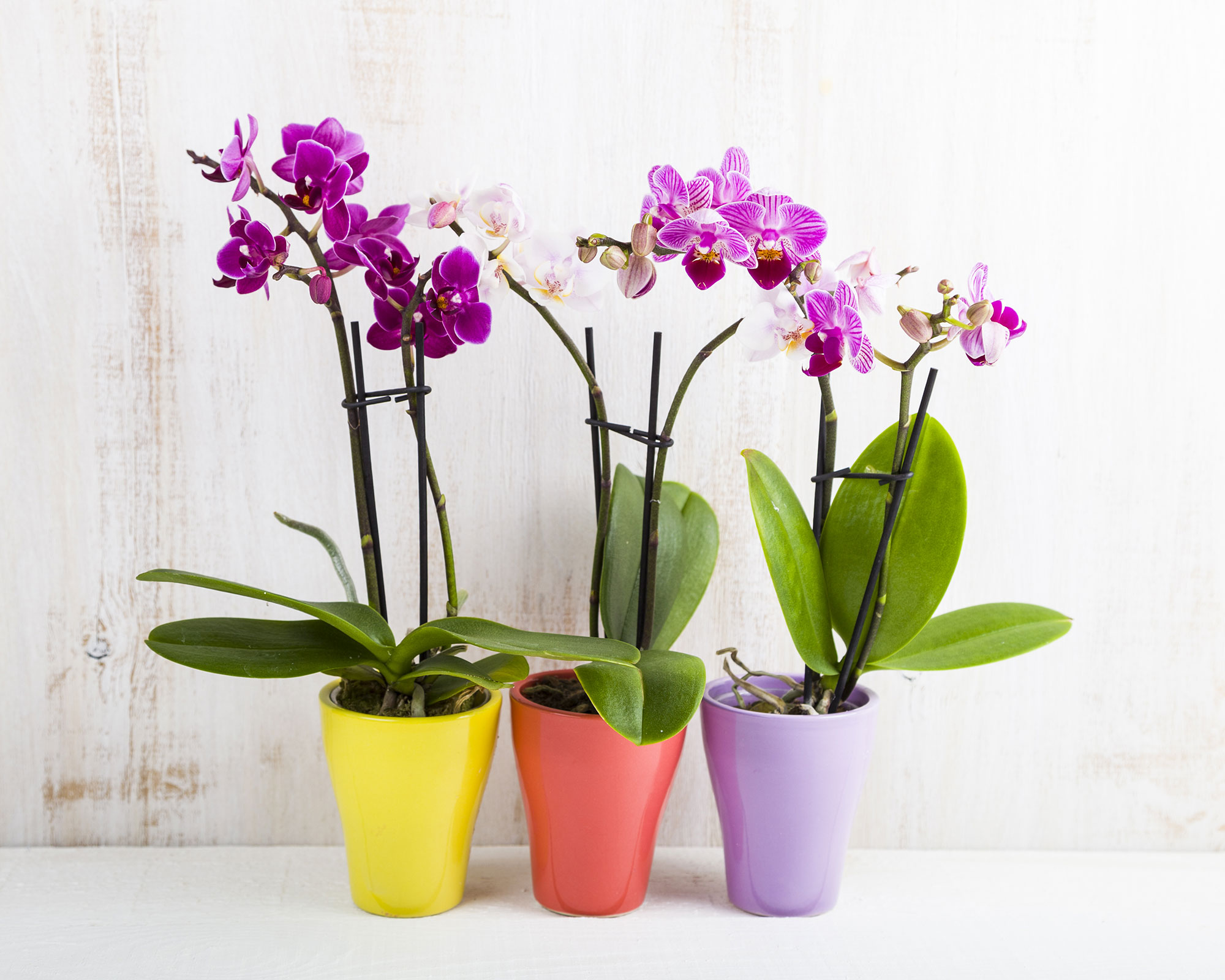
The hardest flower to keep alive is often considered to be the orchid. Orchids, particularly those belonging to the genus Phalaenopsis, are widely known for their beauty and exotic appearance. However, they can be quite challenging to care for, requiring specific conditions to thrive. Factors such as humidity, temperature, light, and watering practices play crucial roles in their health. Improper care can quickly lead to wilting or decay, making them a challenging choice for inexperienced gardeners.
Reasons Orchids Are Difficult to Care For
Orchids have specific needs that can be difficult to meet consistently. Below are some reasons why they are considered hard to keep alive:
- Humidity Requirements: Orchids generally need high humidity levels (around 50-70%) to prevent their roots from drying out.
- Watering Challenges: Overwatering or underwatering can be detrimental; the roots of orchids should not sit in water.
- Light Conditions: They require indirect sunlight; too much direct light can scorch the leaves, while too little can inhibit blooming.
Common Mistakes in Orchid Care
Many orchid owners unknowingly make mistakes that can negatively affect their plants' health. Some of these include:
- Using Regular Potting Soil: Orchids need special potting media that allows for good air circulation and drainage.
- Neglecting Fertilization: Orchids require a balanced fertilizer during the growing season; neglect can lead to nutrient deficiencies.
- Improper Repotting: They should be repotted every 1-2 years to refresh the growing medium and avoid root rot.
Ideal Growing Conditions for Orchids
Understanding the optimal growing conditions can significantly enhance the chances of keeping orchids alive. Important aspects include:
- Temperature Control: Most orchids thrive in temperatures between 65°F and 85°F during the day and slightly cooler at night.
- Consistent Watering Schedule: Watering every 7-10 days, allowing the potting mix to dry out slightly between waterings is ideal.
- Proper Air Circulation: Good airflow around the plant helps prevent mold and bacterial diseases.
Resilient Orchid Varieties
While all orchids can be tricky, some varieties are known to be more forgiving for beginners. These include:
See also:
- Phalaenopsis: Also known as the moth orchid, this species is more tolerant of varying conditions.
- Cattleya: Known for their vibrant blooms, they are relatively easier to care for compared to other types.
- Dendrobium: These orchids can adapt well to different environments, making them a popular choice for novice growers.
Alternative Flowers That Are Easier to Maintain
If you're looking for flowers that are more manageable than orchids, consider these options:
- Spathiphyllum (Peace Lily): Known for its air-purifying properties and lower light requirements.
- Marigolds: Resilient and easy to grow from seeds, they tolerate a variety of conditions.
- Zinnias: They are hardy annuals that bloom brightly and require minimal care.
What plant is the hardest to keep alive?
The plant that is often cited as the hardest to keep alive is the Fiddle Leaf Fig (Ficus lyrata). This tropical plant is known for its large, glossy leaves and can grow quite tall, making it a popular choice for homes and offices. However, it has very specific care requirements that can be challenging for many plant owners. Below are several factors that contribute to its difficulty in keeping alive.
Care Requirements
The Fiddle Leaf Fig has specific care requirements that must be met to thrive. These include:
- Light: Needs bright, indirect sunlight. Too much direct sunlight can scorch the leaves, while too little can cause them to drop.
- Water: Requires consistent watering, but it's essential not to overwater. The soil should be allowed to dry out slightly between waterings.
- Humidity: Thrives in high humidity. Dry air can lead to brown spots and leaf drop, making it necessary to provide adequate moisture levels.
Pests and Diseases
The Fiddle Leaf Fig is susceptible to various pests and diseases that can quickly affect its health. Common issues include:
- Spider Mites: These tiny pests can suck the sap from leaves, leading to discoloration and leaf drop.
- Root Rot: Overwatering can cause root rot, which is fatal if not caught in time. Healthy roots should be firm and white, not mushy and brown.
- Leaf Spot: Bacterial or fungal leaf spot can occur if the plant is kept in overly moist conditions without adequate airflow.
Temperature Sensitivity
Temperature fluctuations can be detrimental to the Fiddle Leaf Fig. Key aspects include:
- Temperature Range: Prefers temperatures between 60°F to 75°F (15°C to 24°C). Anything outside of this range can stress the plant.
- Drafts: Exposure to cold drafts can lead to leaf drop and stunted growth. It’s essential to place the plant away from windows and doors.
- Heat Sources: High heat from radiators or air vents can dry out the leaves, making temperature management crucial.
Repotting Challenges
Repotting can be a stressful process for the Fiddle Leaf Fig, with some challenges to keep in mind:
- Timing: It’s best to repot during the growing season (spring and summer) when the plant is actively growing and can recover quickly.
- Soil Mix: Needs a well-draining soil mix to prevent root rot; a mix designed for houseplants often works best.
- Pot Size: Choosing the right pot size is critical. A pot that’s too large can lead to overwatering issues.
Common Mistakes
There are several common mistakes that plant owners make with Fiddle Leaf Figs which can lead to issues:
- Neglecting Pruning: Failure to prune dead or damaged leaves can hinder growth and lead to more significant problems.
- Ignoring Signs: Not paying attention to signs of stress such as yellowing leaves or brown tips can lead to permanent damage.
- Inconsistent Care: Providing inconsistent light, water, and humidity can lead to an unhealthy plant.
What is the most low maintenance flower?
:max_bytes(150000):strip_icc()/low-maintenance-flowers-you-cant-kill-4864031_final-da20e03588614b1f8954786b026d820e.png)
The most low maintenance flower is often considered to be the sedum, particularly the variety known as Sedum spectabile or stonecrop. These plants thrive in a variety of conditions and require minimal care, making them an excellent choice for both novice gardeners and those looking for easy-care options.
Growing Conditions
Sedum can adapt to various growing conditions, demonstrating great resilience. They prefer full sun but can tolerate some shade. The key factors include:
- Soil Type: Well-draining soil is essential to prevent root rot.
- Watering: Once established, sedums require infrequent watering, making them drought-tolerant.
- Temperature: They can withstand a range of temperatures, thriving in zones 3 to 9.
Seasonal Care
Sedum requires very little seasonal care, which adds to its low maintenance appeal. The steps include:
- Pruning: Minimal pruning is needed; dead or damaged stems can be removed in early spring.
- Fertilizing: These plants do not need heavy fertilization; a light application of balanced fertilizer in spring is sufficient.
- Mulching: Applying mulch helps retain moisture but is not always necessary.
Pest and Disease Resistance
Another advantage of sedum is its natural resistance to pests and diseases. This includes:
See also:
- Pests: Sedum is largely unaffected by common garden pests such as aphids and spider mites.
- Diseases: Issues like powdery mildew and root rot are rare when proper watering and soil drainage are maintained.
- Wildlife: Bees and butterflies are attracted to sedum, enhancing garden biodiversity.
Varieties of Sedum
There are numerous varieties of sedum that offer different colors and sizes. Notable examples include:
- Sedum autumn joy: Known for its beautiful pink flowers that turn to red in the fall.
- Sedum morganianum: Also known as burro's tail, it features trailing stems ideal for hanging baskets.
- Sedum rubrotinctum: Known as jelly bean plant, it has plump, pea-like leaves that can add a unique texture to your garden.
Uses in Landscaping
Sedum is versatile and can be used in multiple landscaping scenarios, such as:
- Ground Cover: Low-growing varieties can cover bare spots, preventing weed growth.
- Rock Gardens: Their drought tolerance makes them ideal for rock gardens or xeriscaping.
- Container Gardening: Sedums grow well in pots, making them perfect for patios or balconies.
What type of flower stays alive the longest?
The flower that typically stays alive the longest is the Orchid. Orchids are renowned for their stunning beauty and remarkable longevity, making them a favorite among plant enthusiasts. Unlike many cut flowers that wilt within days, orchids can last several weeks to months with appropriate care. Their resilience and ability to bloom multiple times from a single plant further highlight their impressive lifespan.
Factors Contributing to Orchid Longevity
Orchids have several characteristics that contribute to their extended life span, including:
- Adaptability: Orchids are able to thrive in a variety of environments, which aids their survival.
- Storage of Nutrients: Their specialized structures store water and nutrients efficiently, helping them endure dry periods.
- Bloom Cycle: Many species have multiple bloom cycles, allowing them to produce flowers year after year.
Care Tips for Prolonging Orchid Life
To ensure orchids live as long as possible, proper care is essential:
- Watering: Water orchids when the potting medium is dry, ensuring they do not sit in water.
- Light Conditions: Provide adequate but indirect sunlight to prevent leaf burn and promote healthy growth.
- Fertilization: Use a balanced orchid fertilizer every few weeks during the growing season to support longevity.
Other Long-Lasting Flowers
While orchids are notable for their longevity, other flowers can also last quite a while:
- Carnations: These can last up to two weeks with proper care and are popular for arrangements.
- Chrysanthemums: Known for lasting up to three weeks, they are both beautiful and durable.
- Gladiolus: With proper attention, gladiolus can last for over two weeks, adding elegance to any space.
Common Misconceptions About Lifespan of Flowers
Many misunderstand the lifespan of flowers due to varying care conditions:
- Cut vs. Potted: Cut flowers often have a short lifespan compared to well-cared-for potted plants like orchids.
- Environmental Factors: Temperature and humidity influence flower longevity significantly, often overlooked by caretakers.
- Species Variance: Not all flowers of the same species have the same longevity, as care practices can affect their life spans.
Conclusion: Orchids Versus Other Flowers
In comparison to other flowers, orchids stand out due to their extraordinary lifespan and striking beauty. Understanding the care they require can maximize their life and enjoyment for those who cultivate them. Other flowers may also offer beauty for extended periods, but few can match the longevity and elegance of the orchid when properly cared for.
Questions from Our Readers
What is the hardest flower to keep alive?
The hardest flower to keep alive is often considered to be the orchid, specifically the Phalaenopsis orchid. These flowers require very specific care, including high humidity, proper temperature, and light conditions, making them challenging for many gardeners.
What are common mistakes when caring for difficult flowers?
Common mistakes include overwatering, which can lead to rot, and insufficient light, which prevents proper growth. Additionally, neglecting to adjust humidity levels or failing to fertilize properly can hinder the health of delicate flowers like orchids.
Can beginner gardeners successfully grow hard-to-keep flowers?
Yes, but it usually requires patience and a willingness to learn. Beginners can start with easier flowers before moving on to more challenging varieties, ensuring they understand the specific needs of plants such as orchids.
What conditions do difficult flowers generally need?
Difficult flowers typically need controlled environments with proper lighting, temperature, and humidity. For instance, orchids thrive in indirect sunlight and maintain a consistent temperature, requiring close attention to their environmental preferences.
See also:

If you want to read more articles like What Flower is the Hardest to Keep Alive? Tips for Care and Survival, we recommend you check out our Flowers category.
Leave a Reply
Related Articles