Top 5 Flowers: Which Flower Means I Am Sorry?
Flowers have long been a universal symbol of affection, beauty, and expression. When it comes to mending hearts or apologizing, certain blooms carry deeper meanings that can convey sincere remorse and the desire for reconciliation. In this article, we will explore the top five flowers that are often associated with apologies, delving into their symbolic significance and the emotions they evoke. Whether you're looking to apologize to a friend, a partner, or a family member, choosing the right flower can help communicate your feelings more effectively. Let’s discover which flowers speak the language of forgiveness.
Which Flower Symbolizes Apology?
In the realm of flowers, certain blooms convey emotions and messages beyond their beauty. The flower that predominantly symbolizes an apology is the white chrysanthemum. Known primarily for its purity and elegance, this flower represents regret and a desire for forgiveness in various cultures, especially in Asia. Its delicate petals and serene appearance resonate with the sentiment of making amends, making it a preferred choice when one wishes to express sincere remorse or seek reconciliation.
Significance of the White Chrysanthemum
The white chrysanthemum holds a prominent place in many cultures as a symbol of truth and honesty. Its use in apology stems from the flower's connection to purity, suggesting that the sender genuinely wishes to rectify a wrong. In some Eastern traditions, it is also associated with mourning, adding depth to its meaning when gifted in times of reconciliation after a conflict.
Other Flowers That Represent Sorry
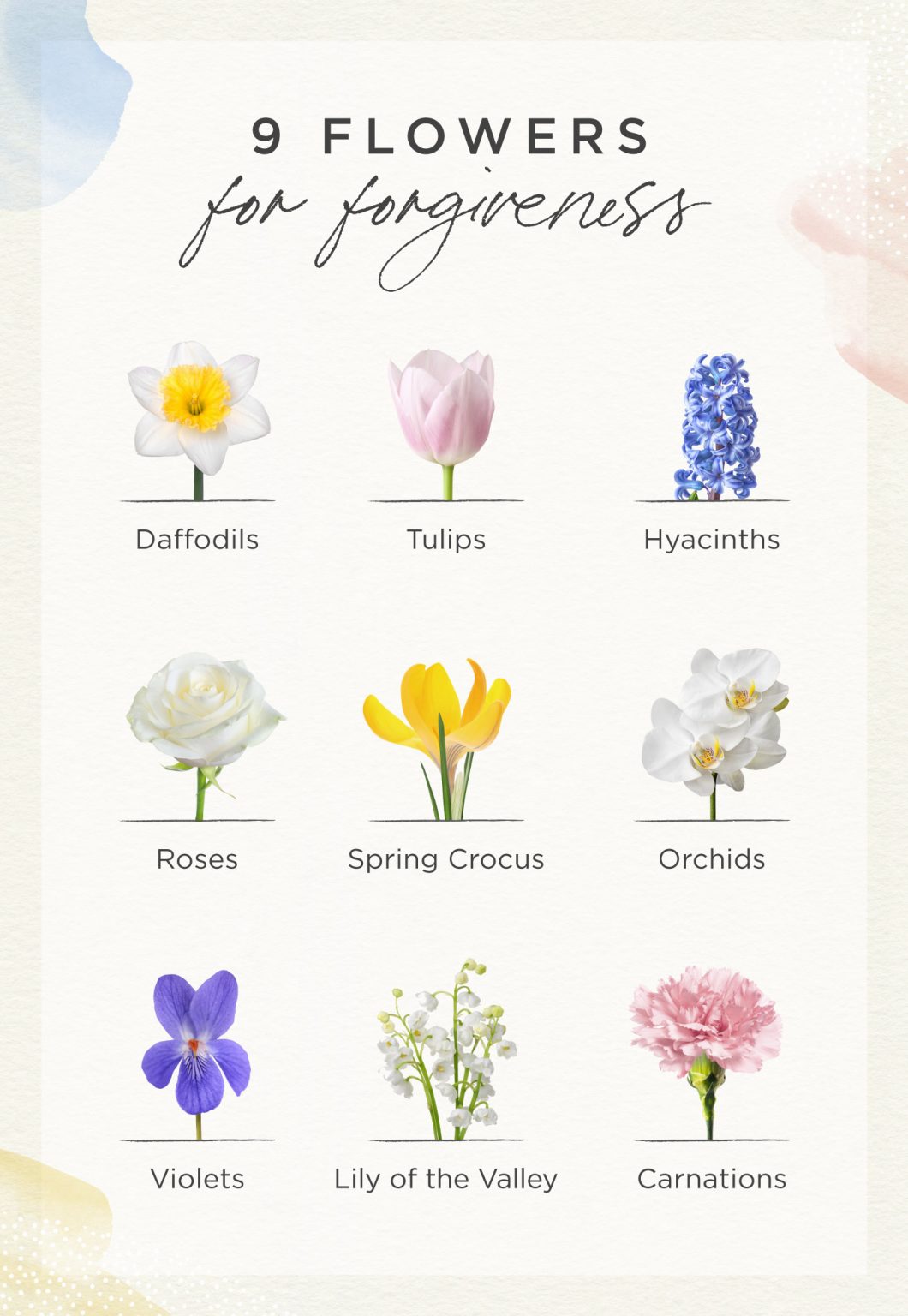
While the white chrysanthemum is the most recognized flower for apologies, others also serve this purpose. The yellow rose is another flower that can convey an apology, particularly when the relationship is friendly rather than romantic. The tulip, especially in pastel colors like pink or white, also transmits a message of sincerity and a desire for healing after a misunderstanding.
Choosing the Right Flower for Apology
Selecting the right flower involves understanding the individual's preferences and cultural meanings attached to various blooms. For instance, while the white chrysanthemum is favorable in some cultures, a purple hyacinth might better express sorrow in others, symbolizing regret. It's essential to consider what the recipient values to ensure the apology is taken seriously and received as intended.
Flower Color and Its Impact
The color of a flower plays a vital role in conveying the message of an apology. White flowers typically symbolize purity and innocence, while yellow signifies friendship but may also imply a desire to make up. The sentiment behind a flower can be weakened or strengthened by its color, making it crucial to choose wisely based on the emotional context of the situation.
Presentation and Context of the Gift
How flowers are presented can significantly affect their message. Flowers should be fresh and attractive, ideally arranged in a nice bouquet to enhance their appeal. Adding a heartfelt note expressing remorse and a desire to make amends can further elevate the impact of the white chrysanthemum or any other flower chosen. The context in which the flowers are given, such as during a personal meeting or a significant event, will also shape their reception.
| Flower | Symbolism |
|---|---|
| White Chrysanthemum | Apology, sincerity, purity |
| Yellow Rose | Friendship and reconciliation |
| Purple Hyacinth | Regret and sorrow |
| Pink Tulip | Affection and care |
| White Lily | Purity and forgiveness |
What flower represents sorry?

The flower that is commonly associated with expressing an apology or conveying the sentiment of sorry is the white lily. This flower symbolizes purity and virtue, making it a heartfelt option for expressing regret or asking for forgiveness. The white lily's delicate and elegant appearance enhances its significance as a flower of reconciliation.
Symbolism of the White Lily
The white lily carries deep symbolic meanings related to virtues such as purity, renewal, and humility. When given as an apology, it communicates a desire for forgiveness and a wish to restore harmony in a relationship.
- Purity: Represents the intention of coming clean and sincere.
- Renewal: Indicates a fresh start after a disagreement.
- Humility: Expresses recognition of one’s mistakes and the wish to amend them.
Other Flowers that Convey Apology
While the white lily is most commonly associated with apologies, several other flowers can also convey a sentiment of regret. Each flower has its unique meanings and provides alternative options to express sorrow.
- Yellow Roses: Symbolize friendship and can express regret while maintaining a positive connection.
- Blue Hyacinths: Represent sincerity and can be used to communicate genuine remorse.
- Pink Carnations: Express a deep sense of regret and admiration, suitable for apologies.
When to Use Flowers for Apologies
Choosing the right moment to present flowers is as important as the flowers themselves. Presenting flowers during significant moments can greatly impact how your apology is received.
- After an Argument: Offering flowers can calm tensions and signal a willingness to reconcile.
- Following a Mistake: Flowers can convey sincerity and the hope for forgiveness after a wrongdoing.
- During Special Occasions: Gifting flowers on a birthday or anniversary can also serve as a way to apologize previously.
How to Pair a Flower with an Apology Note
Accompanying flowers with a thoughtful note enhances the message of the bouquet. A well-crafted note can amplify the sincerity of your apology.
- Personal Touch: Write a heartfelt message that shows your understanding of the situation.
- Expressing Feelings: Acknowledge your mistakes and communicate your feelings openly.
- Offering a Solution: Suggest how you plan to make amends or prevent the issue from recurring in the future.
Care Tips for Apology Flowers
When giving flowers as part of an apology, providing care instructions can show that you’re thoughtful and considerate. This attention to detail can also reinforce your sincerity.
- Water Requirements: Suggest how often to change the water and refresh the stems.
- Light Conditions: Recommend a suitable spot for the flowers, whether it’s sunlight or shade.
- Longevity Tips: Provide tips on how to keep the flowers fresh, such as removing wilted blooms.
Which flower is used for sorry?
The flower most commonly associated with expressing an apology is the white tulip. This delicate bloom conveys a message of forgiveness and sincerity when one wishes to express remorse or regret. Its pure color embodies the sentiment of wanting to start anew and mend relationships that may have experienced strain or conflict.
See also:
Symbolism of the White Tulip
The symbolism behind the white tulip is profound. Here are key points that highlight its significance:
- Purity: The white color symbolizes purity and a clean slate, making it ideal for apologies.
- Forgiveness: This flower conveys deep sentiments of forgiveness and the desire to mend any rift.
- New Beginnings: Presenting white tulips signifies hope for a new beginning and fresh starts in relationships.
Other Flowers That Convey Apology
While white tulips are the most recognized, several other flowers can also express apologies. These are:
- Pink Roses: Symbolizing admiration and gratitude, they also convey a message of regret.
- Yellow Roses: Often associated with friendship, they can serve as a gesture of reconciliation.
- Violets: Known for their association with loyalty and devotion, they may offer a heartfelt apology.
Choosing the Right Flower for an Apology
Choosing the correct flower is essential when making an apology. Consider the following:
- Recipient’s Preferences: Understand what types of flowers the person appreciates.
- Context: Assess the situation and the nature of the apology to select an appropriate bloom.
- Message Conveyed: Ensure the flower’s symbolism aligns with the message of your apology.
Presentation Matters
How you present the flower can enhance its meaning. Keep these points in mind:
- Freshness: Always choose fresh flowers; they represent your genuine intention.
- Accompanying Note: Include a heartfelt note explaining your feelings.
- Delivery: Consider delivering them personally for a more sincere touch.
When Not to Use Flowers
While flowers can be a beautiful offering, there are times when they might not be appropriate. Consider these situations:
- Serious Offenses: For more serious matters, direct communication might be more suitable.
- Recipient's Personal Beliefs: Some people may not value flowers due to personal or cultural beliefs.
- Timing: If the situation is sensitive, give space before approaching with flowers.
Questions from Our Readers
Which flower means I am sorry?
Apologies are often conveyed through flowers, and the bloom most commonly associated with expressing regret is the white lily. This flower symbolizes purity and renewal, making it an appropriate choice to convey a heartfelt apology.
What do white lilies represent?
White lilies represent purity, innocence, and renewal, which makes them ideal for expressing sentiments of regret and forgiveness. Their serene beauty can help convey sincere feelings when you want to make amends with someone.
Are there other flowers that can express remorse?
Yes, several other flowers can express remorse, including the yellow rose, which symbolizes friendship and can be used to mend relationships, and the blue hydrangea, often associated with apology and understanding. Each flower conveys different nuances, allowing you to choose one that reflects your sentiment best.
See also:
How should I present the flower to apologize?
When presenting a flower to apologize, it's important to accompany it with a genuine message of remorse. Choose a quiet moment, and ensure your approach is sincere; this can greatly enhance the impact of your apology and make the recipient feel valued.
If you want to read more articles like Top 5 Flowers: Which Flower Means I Am Sorry?, we recommend you check out our Flowers category.
Leave a Reply
Related Articles