What is the Most Gentle Flower? Discover Nature's Softest Blooms
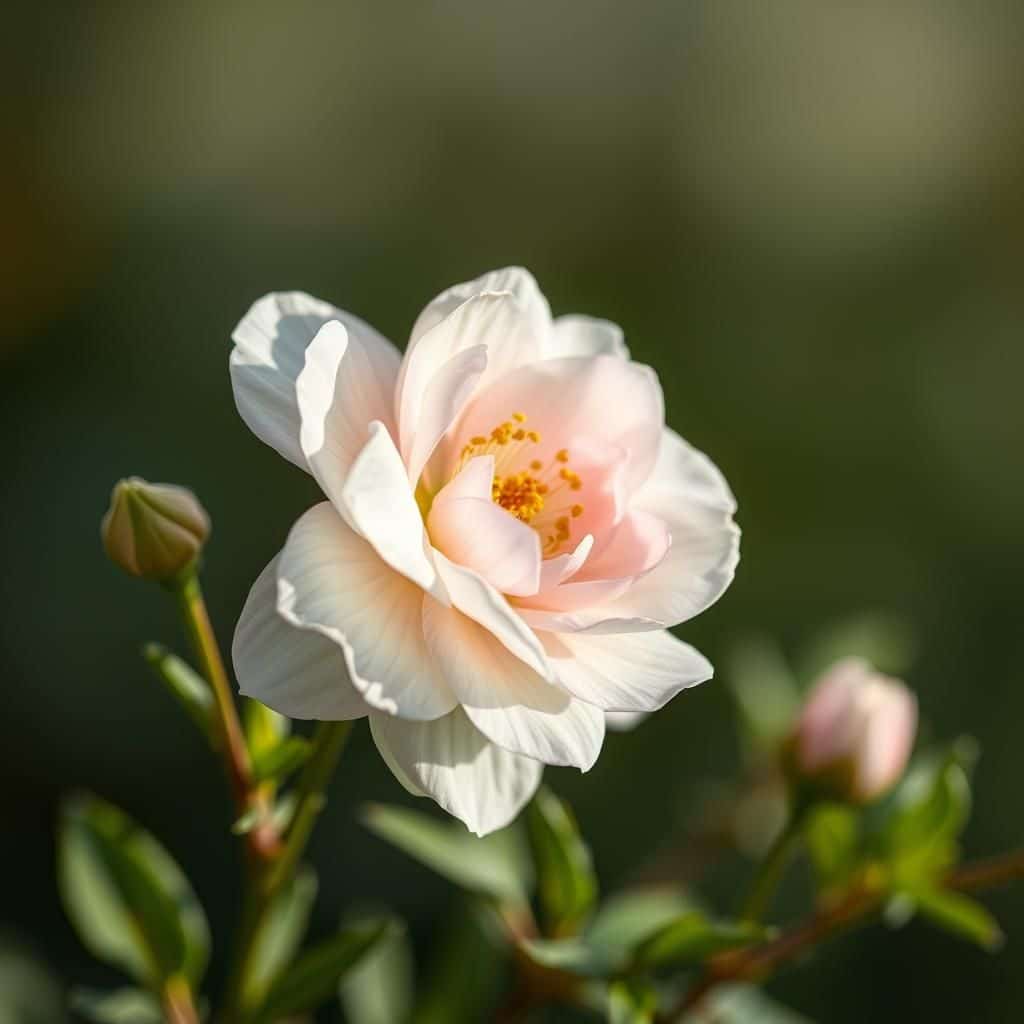
In the vast and colorful world of flowers, certain blooms stand out not just for their beauty but also for their delicate nature. This article explores the concept of gentleness in flowers, focusing on those that exude softness and fragility. From the ethereal petals of the peony to the tender hues of the cherry blossom, we will uncover which flowers are deemed the most gentle in nature. Join us on this floral journey as we discover the characteristics that define these soft blooms, their symbolism, and the impact they have on our lives and gardens, inviting tranquility and peace.
What is the Most Gentle Flower?
The most gentle flower is often considered to be the Cherry Blossom (Sakura), celebrated for its delicate beauty and ethereal presence during the short blooming season. These flowers symbolize transience and the fleeting nature of beauty, capturing the hearts of many who seek their soft, pale pink petals that flutter gently in the breeze. Cherry Blossoms exude a sense of calm and peace, resonating deeply in cultures, especially in Japan, where they are revered not just for their aesthetic appeal but also for their ephemeral nature, reminding us of life's fleeting moments.
Symbolism of Gentle Flowers
Gentle flowers such as the Cherry Blossom often carry profound symbolism in various cultures. They frequently represent themes of beauty, impermanence, and renewal. In Japan, for instance, Cherry Blossoms are associated with the arrival of spring and the beginning of new life, making them a poignant reminder of the cycle of life. The gentle nature of these flowers resonates with feelings of tranquility and reflection, offering both aesthetic pleasure and philosophical meaning.
Characteristics of Gentle Flowers
Gentle flowers are typically known for their soft petals, subtle fragrances, and delicate structures. This group includes flowers like Lilies, Peonies, and Baby's Breath. Their understated beauty often evokes a sense of calm and is preferred in settings meant to promote relaxation and introspection. The light hues and gentle appearances make these flowers ideal for expressing compassion, love, and soft sentiments during significant life events like weddings or memorials.
Cultural Significance of Cherry Blossoms
The Cherry Blossom holds deep cultural significance in Japan, where it marks the arrival of Hanami season, a time when people gather to admire the beauty of these blossoms. This tradition encourages reflection and appreciation for nature. The fleeting bloom of Cherry Blossoms symbolizes the philosophical concept of mono no aware, which conveys the beauty found in the transient nature of existence. This cultural reverence has spread globally, becoming synonymous with the celebration of spring and nature's artistry.
Gentle Flowers in Aromatherapy
Gentle flowers are frequently used in aromatherapy due to their soothing scents and calming effects. Flowers like Lavender and Chamomile are known for their ability to reduce stress and anxiety, promoting overall well-being. The aromatic compounds in these flowers are harnessed to create essential oils that have been shown to help with relaxation and sleep. Incorporating gentle flower scents into daily life can enhance a sense of peace and emotional balance.
Gardening with Gentle Flowers
Incorporating gentle flowers into gardening can enhance the overall aesthetic and create a serene environment. Plants like Asters, Daisies, and Sweet Peas offer charm and tranquility to garden spaces. These flowers are usually low maintenance, making them accessible for both novice and experienced gardeners. By selecting a variety of gentle flowers, one can create a peaceful retreat that invites quiet contemplation and connection with nature.
| Flower | Color | Symbolism |
|---|---|---|
| Cherry Blossom | Pink | Transience |
| Lily | White | Purity |
| Peony | Soft Pink | Compassion |
| Chamomile | White with Yellow Center | Calmness |
| Baby's Breath | White | Innocence |
What's the most delicate flower?

The most delicate flower is often considered to be the Cherry Blossom (Prunus serrulata). These flowers are renowned for their ephemeral beauty, blooming in spring for only a short period before falling away. Cherry blossoms are not merely admired for their aesthetic appeal; they carry significant cultural meanings, especially in Japan, where they symbolize renewal and the fleeting nature of life.
The Cultural Significance of Cherry Blossoms
Cherry blossoms hold tremendous cultural importance, particularly in Japan. The annual Hanami festival celebrates the beauty of the cherry blossoms and encourages people to gather under the trees to appreciate their beauty.
- Symbol of Transience: Cherry blossoms remind people of the ephemeral nature of life.
- Festivals: Events dedicated to the blossoming of these flowers attract millions of visitors.
- Art and Literature: Cherry blossoms inspire many artworks and poems, emphasizing their cultural relevance.
Growing Conditions for Cherry Blossoms
Cherry blossoms thrive under specific environmental conditions that contribute to their delicate nature. Understanding these requirements is essential for gardening and cultivation.
- Climate: They prefer temperate climates with a distinct winter season.
- Soil Type: Well-drained, sandy loam enhances their growth.
- Sunlight: Full sun exposure is crucial for the healthy blooming of cherry blossoms.
Other Delicate Flowers Comparable to Cherry Blossoms
In addition to cherry blossoms, several other flowers are known for their delicacy and beauty. While cherry blossoms lead in recognition, other flowers also possess a gentle charm.
- Magnolia: Known for their large, fragrant blossoms, magnolias bloom early in the spring.
- Lily of the Valley: This flower features tiny, bell-shaped blossoms that exude a sweet fragrance.
- Peonies: With their lush petals, peonies represent romance and beauty, yet they are easily damaged by harsh weather.
Challenges in Cultivating Delicate Flowers
Cultivating delicate flowers like cherry blossoms comes with certain challenges that gardeners must navigate to ensure healthy growth.
See also:
- Pest Management: Delicate flowers can be susceptible to pests, requiring vigilant monitoring.
- Weather Sensitivity: Unpredictable weather can damage fragile blooms.
- Soil Maintenance: Proper nutrients and soil pH levels must be maintained to support growth.
The Aesthetic Appeal of Delicate Flowers
Delicate flowers are highly prized for their visual appeal and often play key roles in landscape design and arrangements.
- Visual Symmetry: Their proportions add elegance to gardens.
- Color Palettes: These flowers often come in soft, pastel shades that are pleasing to the eye.
- Fragrance: Many delicate flowers emit captivating scents that enhance outdoor experiences.
What is the most calming flower?

The most calming flower is often considered to be lavender. Known for its soothing properties, lavender has been used for centuries in various forms, such as aromatherapy, teas, and essential oils. The calming effects of lavender are attributed to its ability to lower heart rate and blood pressure, which can reduce stress and anxiety levels. Additionally, the pleasant scent of lavender has been scientifically proven to help improve sleep quality.
Benefits of Lavender
Lavender is renowned for its various benefits, which include:
- Reducing Anxiety: Lavender can help alleviate feelings of anxiety and promote a sense of calm.
- Improving Sleep: The sedative qualities of lavender make it an effective aid for insomnia and sleep disturbances.
- Enhancing Mood: The fragrance of lavender is linked to improved mood and emotional well-being.
How to Use Lavender for Calmness
There are multiple ways to incorporate lavender into your routine for enhanced calmness:
- Aromatherapy: Use lavender essential oil in a diffuser to fill your space with a calming aroma.
- Lavender Tea: Drink lavender tea before bed to promote relaxation and good sleep.
- Linen Spray: Create a lavender linen spray to enhance the calming environment of your bedroom.
Other Calming Flowers
While lavender is the most famous, there are other flowers that can offer calming properties:
- Chamomile: Known for its relaxing effects, chamomile tea can help to reduce anxiety and aid sleep.
- Rose: The scent of rose can help lower levels of stress hormones and promote a sense of peace.
- Jasmine: Jasmine is often used in aromatherapy for its calming and uplifting properties.
Growing Lavender at Home
Growing lavender at home can be a fulfilling endeavor that also provides calmness:
- Choosing the Right Variety: Select a lavender variety suitable for your climate and garden space.
- Proper Soil and Drainage: Lavender thrives in well-drained, sandy soil with plenty of sunlight.
- Regular Pruning: Pruning your lavender encourages healthy growth and enhances the plant's fragrance.
Scientific Studies on Lavender
Numerous scientific studies have examined the calming effects of lavender:
- Stress Reduction: Research indicates that inhaling lavender oil can significantly decrease stress levels.
- Sleep Quality: Studies show that individuals who use lavender before bedtime report better sleep quality.
- Brain Activity: Scientific analysis reveals that lavender alters brain wave patterns, promoting relaxation.
What flower is gentle?

The flower often associated with gentleness is the cherry blossom. Known for its stunning beauty and delicate appearance, the cherry blossom is celebrated in various cultures, particularly in Japan, where it is a symbol of the fleeting beauty of life. The blossoms are soft pink or white, creating a gentle and peaceful atmosphere during their bloom in spring.
With their ephemeral nature, cherry blossoms remind us to appreciate the moment, embodying gentleness not just in their appearance but also in the transient beauty they represent.
Characteristics of Cherry Blossoms
Cherry blossoms possess several distinct characteristics that make them stand out:
- Color Variety: Typically light pink to white, offering a soft visual appeal.
- Fragile Petals: Their petals are thin and delicate, which contributes to their gentle nature.
- Seasonal Bloom: They bloom in spring, creating a brief but breathtaking spectacle.
Cultural Significance
The cultural significance of the cherry blossom is profound, especially in Japanese culture:
See also:
- Hanami Festival: A traditional festival where people gather to enjoy the beauty of cherry blossoms.
- Symbol of Renewal: Represents the cyclical nature of life and the beauty of new beginnings.
- Artistic Inspiration: Widely depicted in art, literature, and photography, symbolizing peace and tranquility.
Growing Cherry Blossoms
Growing cherry blossoms requires specific conditions to thrive:
- Climate Needs: Prefer temperate climates with distinct seasons, especially cold winters.
- Soil Requirements: Well-drained soil is essential for healthy growth.
- Sunlight Exposure: Full sunlight for at least six hours a day promotes optimal blooming.
Cherry Blossom Varieties
Several varieties of cherry blossoms can be cultivated, each with unique traits:
- Sakura (Japanese Cherry): Known for its stunning pink flowers.
- Yoshino Cherry: Features clusters of pale blossoms and is very popular in gardens.
- Kwanzan Cherry: Recognizable by its rich pink double flowers.
Cherry Blossom in Literature and Art
The imagery of cherry blossoms is prevalent in various literary and artistic works:
- Poetry: Often symbolizes the beauty and brevity of life.
- Painting: Common subject in traditional and modern Japanese paintings.
- Photography: A favorite among photographers capturing the essence of spring.
Which is the most peaceful flower?

The most peaceful flower is often considered to be the lotus. The lotus holds significant cultural and spiritual meanings across various traditions, symbolizing purity, serenity, and tranquility. It grows in muddy waters but rises above the surface to bloom beautifully, illustrating how one can achieve peace and clarity, even in challenging environments.
Significance of the Lotus Flower
The lotus flower is renowned for its symbolic significance in many cultures and religions. In Buddhism, it represents spiritual enlightenment and the journey towards liberation. In Hinduism, it is associated with various deities and symbolizes prosperity and beauty. Its ability to rise and bloom from murky waters reflects overcoming adversity to attain inner peace.
- Symbol of Enlightenment
- Aspiration for Beauty
- Embodiment of Purity
Characteristics that Contribute to Its Peaceful Nature
The lotus flower possesses unique characteristics that contribute to its status as a serene symbol. Its soft petals and delicate structure evoke a sense of calm and beauty. Additionally, the process of blooming at sunrise and closing at sunset resonates with the cycles of life, enhancing its peaceful aura.
- Serene Color Palette
- Smooth Petal Texture
- Natural Growing Cycle
Lotus in Art and Literature
Throughout history, the lotus has been prominently featured in art and literature as a symbol of peace. Artists have depicted the lotus in various forms, conveying themes of tranquility and beauty. Literary works often reference the lotus as a metaphor for personal growth and the search for inner peace.
- Depictions in Paintings
- Symbolism in Poetry
- Inspiration for Sculpture
Medicinal Properties and Relaxation
Apart from its aesthetic and spiritual value, the lotus flower is known for its medicinal properties. Various parts of the plant are used in traditional medicine to promote relaxation and reduce stress. Lotus tea, for example, is consumed for its calming effects, further reinforcing its peaceful reputation.
- Calming Herbal Tea
- Anti-stress Properties
- Natural Remedies for Anxiety
Lotus and Mindfulness Practice
The lotus flower is widely used in mindfulness practices and meditation. Its serene nature inspires practitioners to focus on tranquility and inner peace. Meditative exercises often incorporate lotus imagery, helping individuals cultivate a deep sense of calm and presence in their daily lives.
- Visual Focus in Meditation
- Symbol in Mindfulness Exercises
- Motivation for Spiritual Growth
Questions from Our Readers
What is the most gentle flower?
The most gentle flower is often considered to be the camellia. Its soft petals and delicate fragrance make it a symbol of purity and perfection. Camellias thrive in shaded areas and are known for their resilience, which adds to their gentle nature.
Are there any flowers known for their soothing qualities?
Yes, flowers like lavender and chamomile are renowned for their soothing qualities. These flowers are often used in aromatherapy and herbal teas for their calming effects, helping to reduce stress and promote relaxation.
Which flower is considered the least harmful to the environment?
The daisy is often regarded as one of the least harmful flowers to the environment. They are hardy, native plants that attract pollinators while requiring minimal care. Their ability to thrive in various conditions makes them a gentle addition to any garden.
See also:
What flowers are best for sensitive skin?
Flowers like calendula and rose are excellent for individuals with sensitive skin. They possess anti-inflammatory properties and are often used in natural skincare products due to their gentle nurturing effects on the skin.

If you want to read more articles like What is the Most Gentle Flower? Discover Nature's Softest Blooms, we recommend you check out our Flowers category.
Leave a Reply
Related Articles