Ultimate Guide: How to Refresh Lilies? Tips for Vibrant Blooms
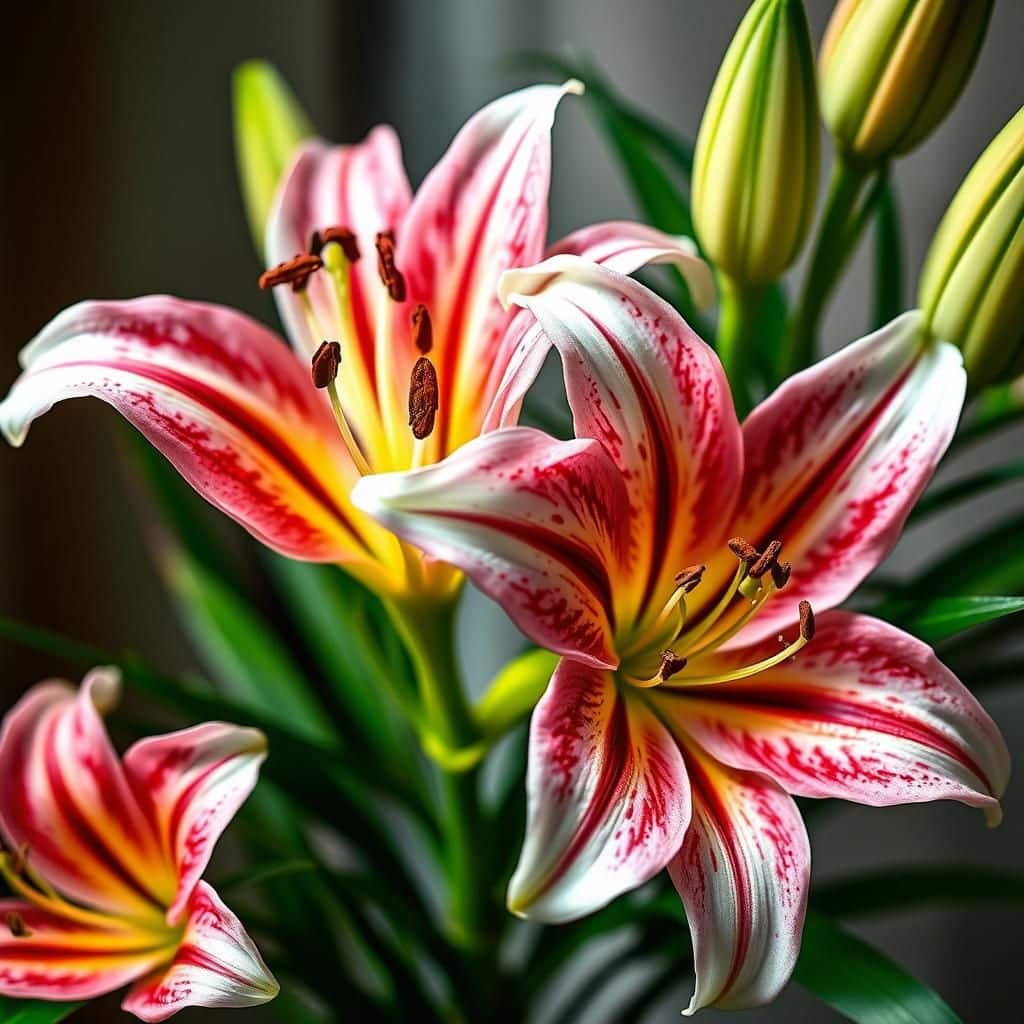
Lilies are captivating flowers that can bring elegance and charm to any garden or floral arrangement. However, keeping them looking fresh and vibrant can be a challenge. In this ultimate guide, we will explore effective tips and techniques for refreshing lilies, ensuring they maintain their stunning appearance throughout the blooming season. From proper care practices to strategic placement, you’ll learn how to enhance their beauty and longevity. Whether you’re a seasoned gardener or a casual flower enthusiast, these insights will help you enjoy vibrant blooms that brighten your space and elevate your floral displays.
How to Refresh Lilies
To effectively refresh your lilies, start by trimming the stems at an angle under running water, which helps prevent air bubbles from forming and ensures optimal water absorption. Remove any leaves that may be submerged in the water to reduce bacterial growth, and use a clean vase filled with fresh, room-temperature water. Adding a floral preservative can further extend the life of your lilies. Additionally, place the vase away from direct sunlight and heat sources to maintain freshness for a longer period.
Cutting the Stems
Cutting the stems of your lilies is crucial for refreshing them. Always use sharp scissors or a knife to create a clean cut and ensure that the cut is made at a 45-degree angle, which increases the surface area for water absorption. This simple technique prevents the stems from sitting flat on the bottom of the vase, promoting better hydration for your flowers.
Removing Leaves
When refreshing lilies, it's important to remove any leaves that will sit below the waterline in the vase. This practice not only improves the aesthetic look of the arrangement but also helps in preventing the growth of bacteria that can cause the water to become murky. Clean water is essential for the longevity of your lilies, so avoid any organic matter that could contaminate it.
Choosing the Right Vase
The choice of vase can significantly affect the health and longevity of your lilies. Opt for a clean, tall vase that allows the flowers to stand upright, which supports their natural growth. A narrow opening helps to keep the stems together, while a larger base allows for adequate water capacity. A clear vase also lets you monitor the water level easily.
See also:
Using Floral Preservative
Adding a floral preservative to the water can greatly enhance the freshness of your lilies. These preservatives contain nutrients that proteins help prolong the life of the flowers and minimize bacterial growth. Ensure you follow the instructions on the package for the right dosage, as using too much can have adverse effects and actually harm the blooms.
Optimal Care Environment
Placing your refreshed lilies in the right environment is key to their longevity. Keep them in a cool area away from direct sunlight, drafts, and heat sources like radiators or appliances. Such conditions can cause the flowers to wilt prematurely. By ensuring a stable, moderate temperature, you can help maintain the vitality of your lilies for an extended period.
| Action | Purpose |
|---|---|
| Cut Stems | Enhances water absorption |
| Remove Leaves | Prevents bacterial growth |
| Choose Correct Vase | Supports flower growth |
| Add Floral Preservative | Extends flower life |
| Optimal Care Environment | Maintains freshness |
Essential Techniques for Lily Care and Maintenance
To achieve vibrant blooms in your lilies, it is crucial to utilize a variety of techniques that focus on both soil health and watering practices. Ensure that the lilies are planted in well-draining soil enriched with organic matter, such as compost, which not only provides essential nutrients but also promotes strong root growth. Proper water management is key; lilies thrive in conditions where the soil is consistently moist but not waterlogged, as overwatering can lead to root rot. Additionally, regularly removing spent blooms can encourage the plant to focus its energy on new growth, resulting in a more abundant flowering season.
Choosing the Right Soil for Lilies
The choice of soil is vital to the health of your lilies. They prefer a slightly acidic to neutral pH, ideally between 6.0 to 7.0. Make sure to use a mix that includes peat moss, perlite, and compost to create a loose, breathable environment that allows roots to access oxygen while retaining adequate moisture. Furthermore, incorporating organic matter provides essential nutrients that lilies need to thrive, promoting stronger plants with vibrant flowers.
Watering Techniques for Optimal Growth
Proper watering is perhaps one of the most crucial aspects of caring for lilies. Water your plants deeply to encourage deep root growth, ensuring the top inch of soil is dry before watering again. This encourages establishment of roots, making the plant more resilient to drought. During hot weather, consider watering in the early morning or late afternoon to reduce evaporation and ensure your lilies receive the moisture they need to produce spectacular blooms.
See also:
Fertilization Tips for Healthier Blooms
To promote healthy growth and vibrant blooms, applying a balanced fertilizer is essential. Use a slow-release or liquid fertilizer that is higher in phosphorus, which supports flower development. Apply the fertilizer in early spring as the plants begin to emerge from winter dormancy, and reapply every few weeks during the growing season. Avoid over-fertilization, which can lead to lush foliage at the expense of flowers.
Pruning and Deadheading for Continued Blooms
Pruning and deadheading are important practices that enhance the longevity of your lily blooms. Carefully removing spent flowers encourages the plant to redirect its energy towards producing new shoots and blooms, rather than seed production. It’s important to prune back any damaged or yellowing leaves as well, as this improves overall air circulation and reduces the risk of disease, contributing to stronger, more resilient plants.
Managing Pests and Diseases in Lilies
Monitoring for pests and diseases is essential for maintaining lily health. Common issues include aphids, thrips, and fungal infections. Incorporate preventive measures such as ensuring good air circulation, avoiding overcrowding, and using organic treatments like neem oil. Early detection and intervention can prevent the spread of infestations and infections, allowing your lilies to grow strong and produce bountiful blossoms.
Questions from Our Readers
What is the best way to refresh lilies?
To refresh lilies, start by trimming the stems at an angle about 1-2 inches from the bottom. This allows for better water absorption. Additionally, remove any wilted petals and leaves to improve air circulation and extend the flower's lifespan.
How often should I change the water for lilies?
It is recommended to change the water for your lilies every two to three days to prevent bacterial growth. Always ensure that the water is clean and that the stems are submerged adequately to maintain their freshness.
See also:
Can I use preservatives to refresh lilies?
Yes, using a floral preservative can significantly help in refreshing lilies. It contains essential nutrients and antimicrobials that support the flowers’ longevity, keeping them looking vibrant and healthy for a longer period.
What temperature is best for keeping lilies fresh?
Keeping lilies in a cool environment, ideally between 65°F and 72°F (18°C to 22°C), is crucial for their freshness. Avoid direct sunlight and hot areas, as these conditions can cause them to wilt faster and diminish their overall appeal.

If you want to read more articles like Ultimate Guide: How to Refresh Lilies? Tips for Vibrant Blooms, we recommend you check out our Flowers category.
Leave a Reply
Related Articles