Do Lilies Like Sun or Shade? Discover the Best Growing Conditions for Your Lilies

Lilies are renowned for their stunning beauty and delightful fragrance, making them a popular choice among gardeners. However, one crucial factor that can significantly affect their growth and blooming potential is the amount of sunlight they receive. Understanding whether lilies prefer sun or shade is essential for creating the optimal conditions for these elegant plants. In this article, we will explore the best growing conditions for lilies, helping you to cultivate a vibrant and healthy garden. Join us as we delve into the factors that influence their growth, ensuring your lilies thrive in the environment that suits them best.
Do Lilies Prefer Sunlight or Shade?
Lilies are versatile flowers that can thrive in varying light conditions, though they generally prefer full sun for optimal growth and blooming. Most species of lilies, such as the Asiatic and Oriental varieties, do best when they receive at least 6 hours of direct sunlight each day. However, some types, like the Martagon lilies, are known to tolerate shade better than others. When planted in areas with partial shade, lilies may still grow but may produce fewer flowers, leading to a shorter blooming period. Ensuring they have access to adequate sunlight is key to fostering their health and enhancing their vibrant colors.
Optimum Sunlight Requirements for Lilies
Lilies thrive best in full sun, which typically means they need at least 6 to 8 hours of direct sunlight daily. This exposure not only helps the plants grow sturdy and tall but also promotes abundant flowering and vibrant colors. When planted in sunny spots, the flowers tend to bloom more prolifically and for a longer time. In contrast, if they are primarily in shade, the plants might produce weaker stems and fewer blooms.
Effects of Shade on Lilies
While some shade-tolerant species exist, many lilies do not perform as well in shaded areas. Although a few hours of shade during the hottest part of the day can protect them from scorching heat, too much shade can hinder their growth and flower production. Specifically, Asiatic lilies are known to struggle in conditions that are too shaded, often resulting in more foliage but fewer flowers. Thus, while they can adapt somewhat, they still prefer brighter conditions to truly flourish.
Types of Lilies for Shady Areas
Certain lily varieties can adapt better to shady environments. For instance, Martagon lilies can tolerate some shade and are often found in woodland gardens. Additionally, they appreciate cooler conditions and can thrive under the dappled light of trees. Planting these types in the right conditions not only allows their unique beauty to shine but also ensures they receive the moisture and shelter they require.
Location and Sunlight Considerations
Choosing the correct location for planting lilies is crucial for their overall health. For optimal sunlight, gardeners should assess the light patterns of their gardens throughout the day to determine the best spots for planting. In areas with intense afternoon sun, slightly shaded spots can be a good compromise, as the morning sun is gentle and invigorating. Gardens with varying light can also introduce a planning challenge, but understanding individual lily needs helps in selecting the best locations.
Additional Care Tips for Lilies
To enhance their growth, proper care should complement sunlight exposure. This includes regular watering, ensuring the soil drains well, and applying fertilizers that suit the specific requirements of the lily variety being grown. Keeping the surrounding area free of weeds and debris also promotes better conditions for sunlight access. This comprehensive care not only assures healthy plants but also maximizes their blooms and vibrancy.
| Lily Type | Sunlight Preference | Blooming Season |
|---|---|---|
| Asiatic Lilies | Full Sun | Early Summer |
| Oriental Lilies | Full Sun | Mid-Summer |
| Martagon Lilies | Partial Shade | Late Spring |
| Tiger Lilies | Full Sun | Summer |
| Trumpet Lilies | Full Sun | Summer |
Do lilies grow better in pots or ground?
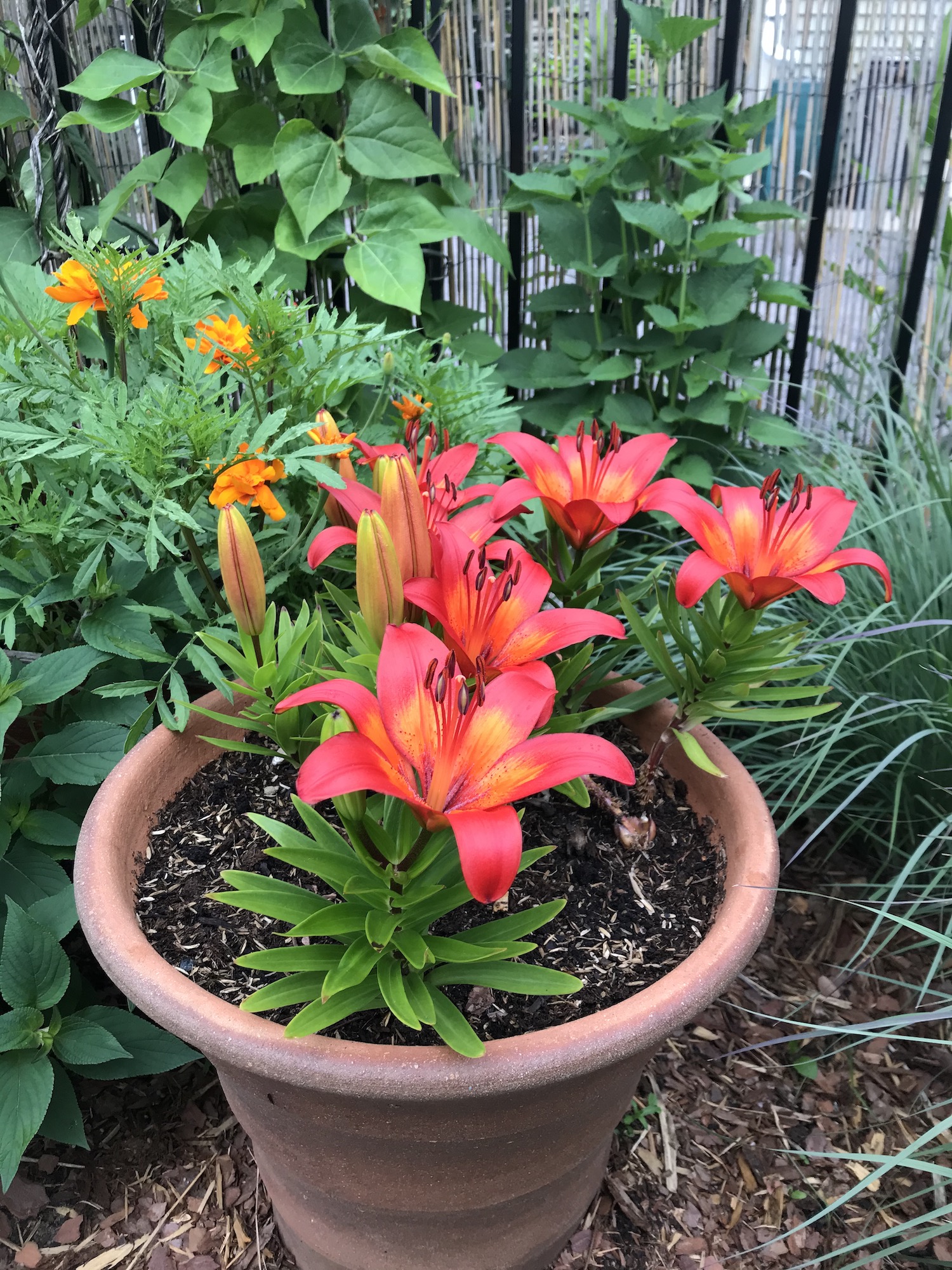

Lilies can thrive in both pots and the ground, but the choice between the two depends on various factors, including the type of lily, environmental conditions, and the gardener’s preferences. Here’s a detailed overview of how lilies grow in pots versus the ground.
Benefits of Growing Lilies in Pots
Growing lilies in pots offers several advantages that can enhance their growth and manageability.
- Mobility: Potted lilies can be easily moved to take advantage of optimal sunlight or shelter from harsh weather conditions.
- Soil Control: Containers allow for a tailored soil mix, providing the right nutrients and drainage that some lily varieties need to flourish.
- Pest Management: Pots can reduce the risk of ground pests and diseases, as they are elevated and can be monitored more closely.
Advantages of Planting Lilies in the Ground
Planting lilies directly in the ground has its own set of benefits that can contribute to healthier plants over time.
- Root Development: Lilies generally develop stronger root systems when planted in the ground, allowing them to access more nutrients and water.
- Longevity: Ground-planted lilies can thrive for many years in the same location, providing continuous blooms and a stable growth environment.
- Natural Rainwater: Ground-growing lilies benefit from natural rainfall, which can reduce the need for frequent watering.
Environmental Considerations
The environment plays a crucial role in determining whether lilies grow better in pots or the ground.
- Climate: In cooler climates, pots can prevent root damage from frost, while in warmer regions, planting in the ground may allow for better heat retention.
- Soil Quality: The quality of the native soil may influence the decision; poor soil conditions can make potting a more favorable option.
- Sun Exposure: Assessing the available sunlight in both configurations helps in achieving optimal blooming conditions for the lilies.
Types of Lilies Suitable for Pots and Ground
Different types of lilies may perform better in pots or in the ground based on their specific requirements.
- Oriental Lilies: These tend to do well in pots due to their larger blooms and need for support.
- Asiatic Lilies: Generally hardy and can thrive in both conditions, but may outperform in the ground.
- Trumpet Lilies: Best suited for ground planting as they tend to grow taller and require more space for their root systems.
Maintenance Requirements
Proper maintenance is essential for both potted and ground-planted lilies to ensure they remain healthy and vibrant.
- Watering: Regular watering is essential for potted lilies, as they can dry out more quickly than those in the ground.
- Fertilization: Both growing methods require fertilization, but the type and frequency may vary based on soil conditions.
- Pruning: Deadheading and pruning are necessary for both configurations to promote ongoing blooming and health.
Can lilies grow in full shade?
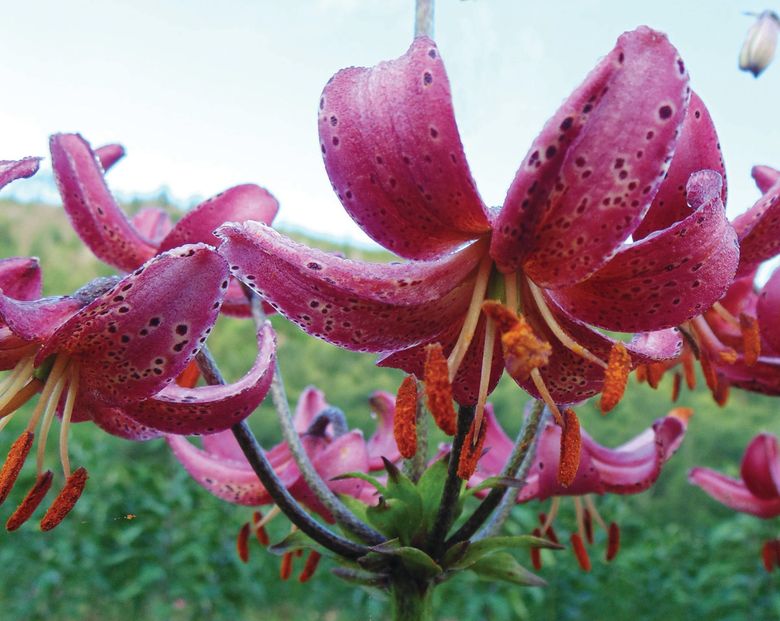
Lilies are beautiful flowering plants that belong to the genus Lilium and are popular in gardens and landscapes. When it comes to their growing conditions, one common question is whether they can thrive in full shade. Generally, lilies prefer partial to full sun for optimal growth and blooming. While some species may tolerate dappled sunlight or light shade, most do not perform well in complete shade. The lack of sunlight can lead to reduced growth, fewer flowers, and weaker plants.
See also:
Light Requirements for Lilies
Lilies need a specific amount of light to flourish. Here are some key points regarding their light requirements:
- Full Sun: Most lilies thrive best in full sun, which means at least 6 hours of direct sunlight daily.
- Partial Shade: Some varieties can tolerate partial shade but may not bloom as vigorously.
- Complete Shade: In total shade, the growth of lilies is significantly hindered, leading to poor health.
Impact of Shade on Lily Growth
Shade can have various effects on the growth and health of lilies. Consider the following factors:
- Reduced Photosynthesis: Lack of sunlight reduces the plant's ability to perform photosynthesis, which is essential for energy production.
- Weaker Plants: Lilies grown in full shade may become weak and leggy as they stretch towards any available light.
- Low Flower Production: Full shade typically leads to fewer blooms, as the energy required for flowering is insufficient.
Types of Lilies and Their Sun Preferences
Different types of lilies have varying sun preferences. It's important to know which types can tolerate more shade:
- Oriental Lilies: Prefer full sun, although they can manage in partial shade.
- Asiatic Lilies: Thrive best in full sun for maximal bloom production.
- Martagon Lilies: More shade-tolerant compared to other types; can grow well in partial shade conditions.
Compensation Strategies for Growing Lilies in Shade
If you're dealing with shaded areas but still want to include lilies, consider the following strategies:
- Choose Shade-Tolerant Varieties: Opt for lily types known to tolerate more shade, such as Martagon lilies.
- Improve Light Conditions: Trim back nearby trees or shrubs to allow more indirect light to reach the plants.
- Companion Planting: Pair lilies with other plants that thrive in shade to create a more vibrant display, keeping in mind their needs.
Conclusion: Alternatives for Shaded Areas
If full shade is the only option, consider other flowering plants that would thrive in those conditions. Options include:
- Hostas: Known for their foliage, they can offer substantial beauty in shaded areas.
- Astilbes: Produces beautiful plumes of flowers and grows well in shade.
- Ferns: While not flowering plants, ferns can add lush greenery to shaded spaces.
Questions from Our Readers
Do lilies prefer full sun or partial shade?
Lilies generally prefer full sun to partial shade. However, certain varieties can thrive better in different conditions. It is best to provide at least six hours of sunlight daily for optimal growth.
Can lilies grow in complete shade?
While lilies can survive in complete shade, they typically do not bloom as well and may produce fewer flowers. Adequate sunlight is essential for their photosynthesis, which contributes to their overall health and vitality.
How much sun do lilies need to thrive?
Lilies require about 6 to 8 hours of sunlight each day to thrive, making them happiest in full sun locations. This ensures they receive the energy they need for strong growth and vibrant blooms during the blooming season.
See also:
What happens if lilies get too much sun?
If lilies receive too much direct sunlight, they may experience issues like scorching or burning of the leaves. It's important to monitor their exposure, especially in extreme heat, to keep them healthy and thriving.
If you want to read more articles like Do Lilies Like Sun or Shade? Discover the Best Growing Conditions for Your Lilies, we recommend you check out our Flowers category.
Leave a Reply
Related Articles