What is July's Birth Flower? Discover Its Meaning and Significance

July's birth flower, the delphinium, holds a special place in the hearts of those born in this vibrant summer month. With its striking blue and purple hues, the delphinium not only captivates with its beauty but also carries deep symbolism and meaning. In this article, we will explore the characteristics of this enchanting flower, its historical significance, and what it represents for those celebrating their birthdays in July. By understanding the delphinium's attributes, we can appreciate its role in personal celebrations and its contribution to the broader tapestry of floral symbolism throughout the year.
What is July's Birth Flower?
July's birth flower is the larkspur, which symbolizes love, joy, and contentment. This beautiful flower is part of the Ranunculaceae family and is known for its tall, striking spikes adorned with many blossoms that can be found in various colors, including blue, purple, pink, and white. The larkspur is often associated with positive emotions and is frequently given as a gift to convey feelings of deep affection. In addition to being a popular choice for birthdays in July, the larkspur is also appreciated for its presence in gardens, adding a touch of elegance and vibrancy to outdoor spaces.
Origin and Significance of the Larkspur
The larkspur has a rich history, tracing its origins back to ancient cultures where it was often associated with various mythologies and legends. In the Victorian Era, flowers were used in a language of their own, and the larkspur was seen as a symbol of aristocracy and grace. Its tall stature and vibrant colors made it a favorite for gardens, representing a connection to nature's beauty and abundance.
Different Varieties of Larkspur
There are several varieties of larkspur that are popular among gardeners and flower enthusiasts. Each type showcases distinct characteristics; for instance, the delphinium, often mistakenly referred to as larkspur, features larger blooms and more vibrant colors compared to the typical larkspur. Other varieties include consolida, which has a more delicate appearance, and various hybrid selections that offer diverse colors and forms, enhancing any garden setting.
Growing and Caring for Larkspur
Caring for larkspur is relatively easy, as these flowers thrive in full sun and well-drained soil. They are best planted in early spring or fall, allowing them to establish roots before blooming during the warm summer months. Regular watering is essential, especially during dry spells, but care should be taken not to overwater, as this can lead to root rot. Providing support for taller varieties can help maintain their structure during windy conditions.
Cultural and Symbolic Meanings
In addition to its connection with love and joy, the larkspur carries various cultural meanings across different regions. In some traditions, it symbolizes protection, making it a popular choice for soldiers heading into battle as a good luck charm. Additionally, the larkspur is often featured in weddings and celebrations, symbolizing the strength of love and the beauty of relationships, serving as a token of affection and commitment.
Uses of Larkspur in Arrangements and Gifts
Larkspur is commonly used in floral arrangements due to its striking visual appeal and vibrant colors. Florists often combine larkspur with other seasonal flowers to create beautiful bouquets suitable for various occasions, including birthdays, anniversaries, and graduations. As a gift, the larkspur conveys deep emotions, making it ideal for expressing feelings of admiration or appreciation, thus enhancing its popularity as a birthday flower for those born in July.
| Aspect | Details |
|---|---|
| Symbolism | Love, Joy, Contentment |
| Color Variations | Blue, Purple, Pink, White |
| Growing Conditions | Full Sun, Well-drained Soil |
| Cultural Significance | Protection, Strength |
| Common Uses | Floral Arrangements, Gifts |
What is the birth flower for July?
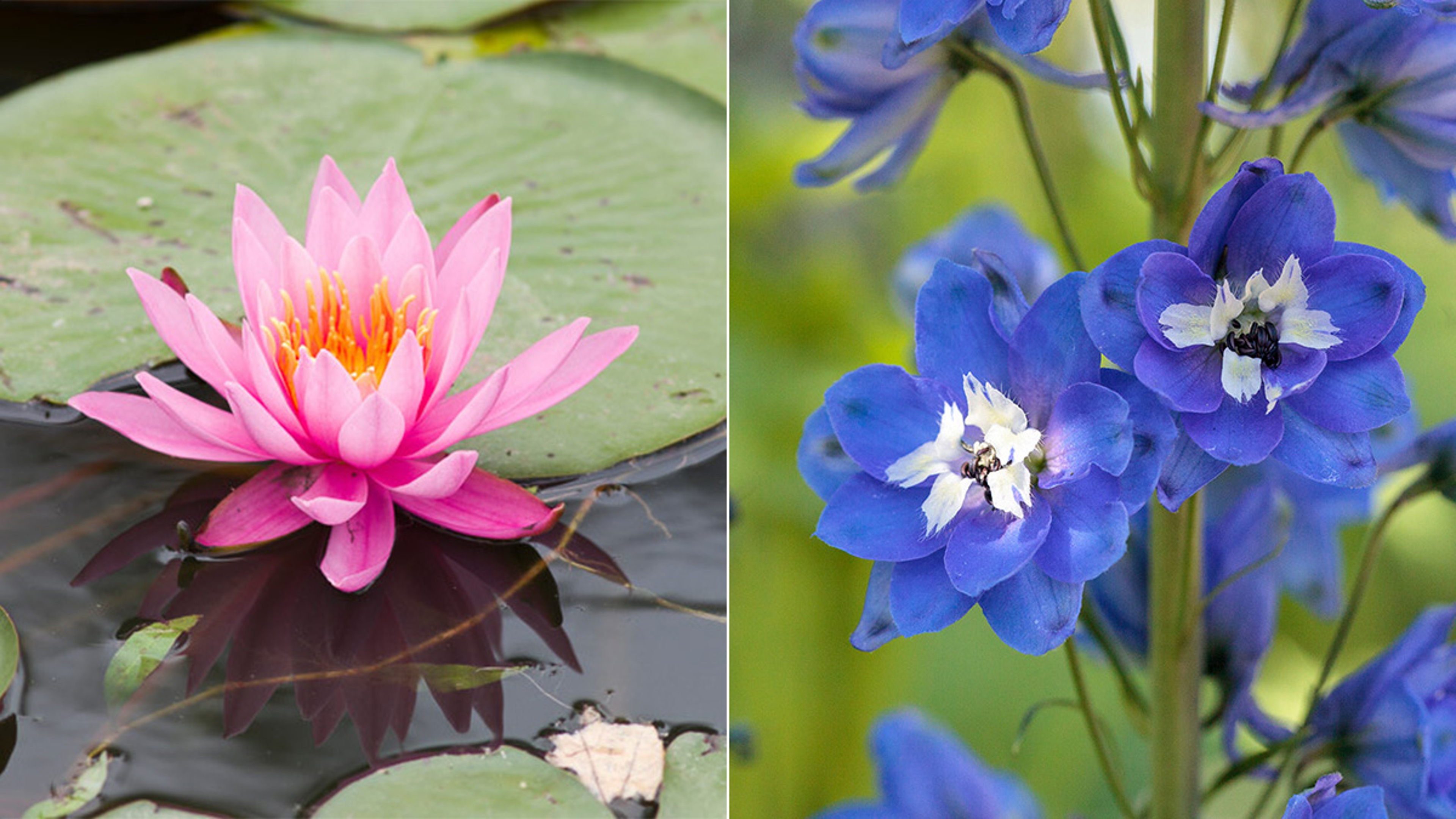
The birth flower for July is the larkspur. This flower is characterized by its tall spikes adorned with numerous delicate petals, and it comes in various colors, including blue, pink, purple, and white. The larkspur is often associated with love, joy, and strong bonds, making it a popular choice for celebrations, including weddings and anniversaries. Its botanical name is Delphinium, and it belongs to the family Ranunculaceae.
The Symbolism of Larkspur
The larkspur carries various meanings and symbolism, which often depends on its color. Here are some key associations:
- Loyalty - The blue larkspur is often linked to loyalty and fidelity.
- Joy - The colorful petals symbolize joy and an uplifting spirit.
- Positive Emotions - Larkspurs represent the happiness and positive emotions that come with summer.
Types of Larkspur
Within the larkspur family, there are several species and varieties that can be found. Each of them showcases unique traits:
- Delphinium ajacis - Known for its tall and robust structure, often used in gardens.
- Delphinium elatum - A favorite among florists for its striking blue shades.
- Delphinium nuttallianum - This species is native to North America and typically grows in more rugged habitats.
Growing and Caring for Larkspur
Larkspur can be grown in a garden or as part of cut-flower arrangements with proper care. Here is how to take care of them:
- Soil - They thrive in well-drained soil with plenty of organic matter.
- Sunlight - Larkspurs prefer full sun but can tolerate partial shade, especially in hotter climates.
- Watering - Regular watering is essential, but over-watering should be avoided to prevent root rot.
Larkspur in Floral Arrangements
Larkspurs are often included in various floral arrangements. Here are some popular uses:
See also:
- Weddings - Their vibrant colors make them an ideal choice for bridal bouquets and centerpieces.
- Celebrations - They are commonly used in arrangements for birthdays and anniversaries due to their joyful symbolism.
- Corsages - They can be incorporated into corsages for formal events, adding elegance and a pop of color.
Historical Significance of Larkspur
Larkspur has a rich historical significance and has often been mentioned in literature and art. Consider the following points:
- Victorian Era - During this time, larkspur was used to convey secret meanings in the language of flowers.
- Folklore - Many cultures have stories that involve larkspurs, often relating to love and destiny.
- Medicinal Uses - Historically, some have used larkspur for its supposed medicinal properties, although caution is advised as it can be toxic.
Why does July have two birth flowers?
July has two birth flowers, the larkspur and the water lily, which are both rich in symbolism and significance. The choice to represent July with two different flowers can be attributed to various cultural, historical, and botanical reasons. Here’s a detailed exploration of this topic.
Historical Significance of July Birth Flowers
The historical importance of birth flowers dates back to ancient cultures that believed flowers had special meanings and powers. For July, the inclusion of both the larkspur and the water lily reflects the diversity of summer blooms and their various representations in mythology and folklore. The larkspur, for instance, was often associated with lightness and joy, while the water lily symbolizes purity and enlightenment.
- Larkspur: This flower has a rich history, often appearing in Victorian writings as a symbol of platonic love.
- Water Lily: Known for its serene beauty, the water lily has been depicted in art and literature symbolizing tranquility.
- Dual Representation: Different cultures may favor one flower over the other, adding to their collective significance.
Cultural Interpretations of July Flowers
Different cultures celebrate July with unique interpretations of the larkspur and the water lily. In many regions, flowers are associated with seasonal festivals and events. The larkspur, for example, is often featured in mid-summer celebrations, symbolizing fidelity and love. The water lily, on the other hand, is connected to spirituality and rebirth, making it significant in cultural rituals and ceremonies.
- Seasonal Celebrations: July events often leverage the beauty of these flowers in decorations and themes.
- Symbolic Rituals: Water lilies are used in various meditation practices for their calming presence.
- Cultural Variations: Different places may have their own legends related to these flowers, impacting their popularity.
Botanical Attributes of Larkspur and Water Lily
From a botanical perspective, both the larkspur and water lily are noteworthy for their unique growth habits and coloration. Larkspurs generally grow in tall spikes and produce vibrant blue and purple flowers, making them eye-catching in gardens. Water lilies, with their floating leaves and delicate blooms, thrive in aquatic environments, showcasing a variety of colors including white, pink, and yellow.
- Growth Environment: Larkspurs thrive in well-drained soil, while water lilies require still water to flourish.
- Color Range: Larkspurs typically display shades of blue and purple; water lilies exhibit a wider color palette.
- Maintenance Needs: Larkspur is typically a biennial, whereas water lilies can be perennial, each requiring different care.
The Role of Birth Flowers in Astrology
In astrology, birth flowers are believed to reflect personality traits and characteristics associated with individuals born in that month. For July, the larkspur can represent delicate charm, whereas the water lily embodies introspection and wisdom. These interpretations can provide deeper insights into the personalities of those born in July.
- Larkspur Traits: Those associated with this flower are often seen as playful and light-hearted.
- Water Lily Traits: Individuals linked to this flower may be regarded as thoughtful and serene.
- Astrological Influence: Different zodiac signs during July also influence how these flowers are perceived by astrology enthusiasts.
Practical Uses of July Birth Flowers
In addition to their symbolic meanings, both the larkspur and the water lily have practical uses in various fields such as gardening, floral design, and medicine. The larkspur is often used to create stunning floral arrangements, while the water lily is celebrated for its beauty in ponds and water gardens. Moreover, some varieties of water lilies have been noted for their potential medicinal properties.
- Floral Arrangements: Larkspurs are popular in bouquets and centerpieces due to their height and color.
- Aquatic Landscaping: Water lilies beautify ponds, enhancing their visual appeal and ecological balance.
- Medicinal Uses: Some parts of water lilies have been utilized in traditional medicine for their healing properties.
Are water lily and larkspur the same?
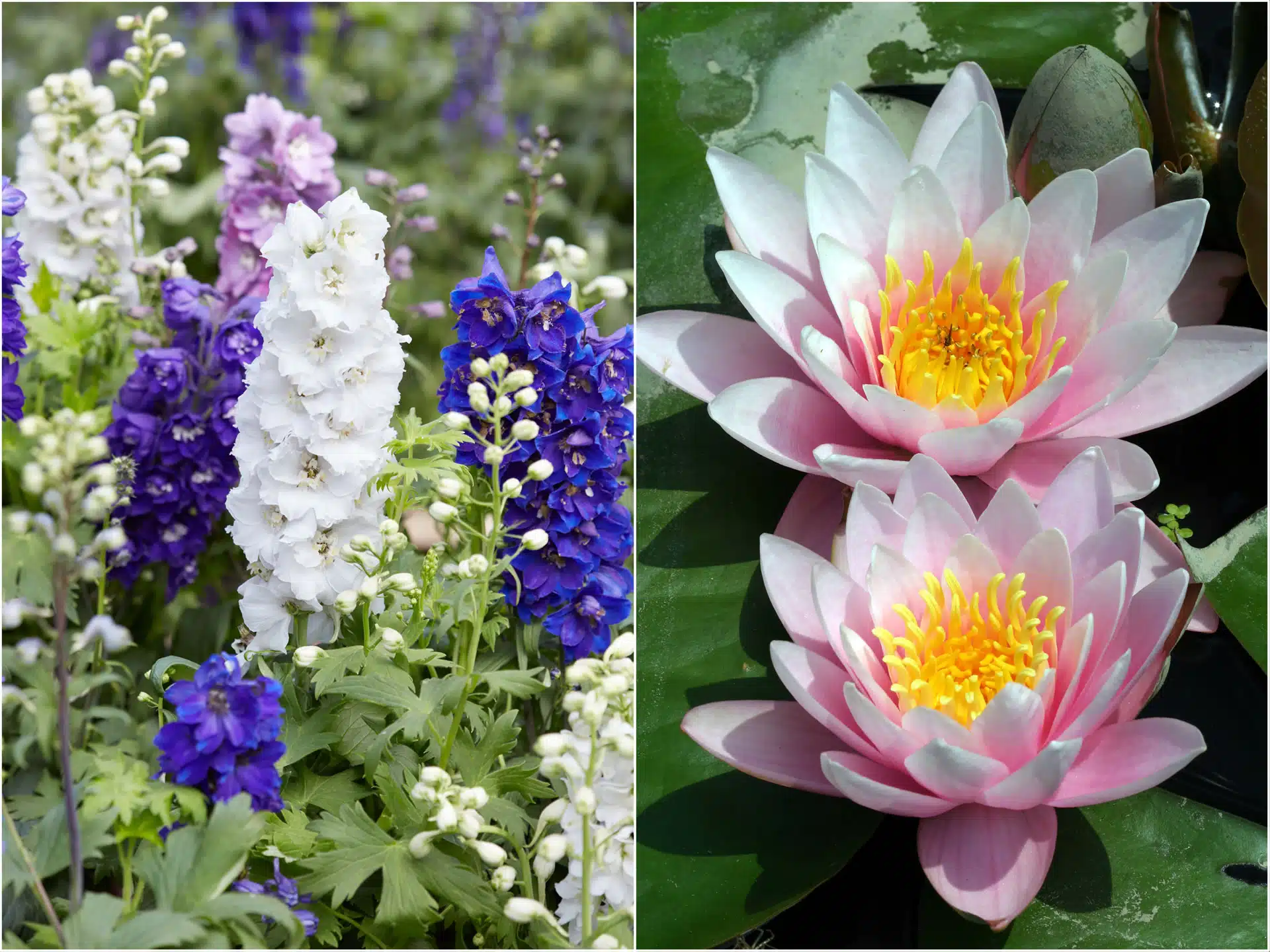
Water lilies and larkspur are not the same; they are two distinct plants belonging to different families with unique characteristics, habitats, and uses. Water lilies, which belong to the family Nymphaeaceae, are aquatic plants known for their floating leaves and showy flowers, thriving in still or slow-moving water bodies. In contrast, larkspur, part of the Ranunculaceae family, is a flowering plant primarily found in temperate regions, characterized by tall spires of flowers in various colors and a preference for well-drained soil.
Taxonomy and Classification
The classification of water lily and larkspur highlights their differences.
- Water Lily: Scientifically classified under the genus Nymphaea, with the family Nymphaeaceae.
- Larkspur: Part of the genus Delphinium within the family Ranunculaceae.
- Diversity: Water lilies include several species, while larkspur has numerous varieties and hybrids.
Habitats and Growing Conditions
The natural habitats of water lily and larkspur differ significantly, reflecting their adaptations.
- Water Lily: Grows in aquatic environments, including ponds, lakes, and slow-moving rivers, requiring full sunlight.
- Larkspur: Prefers well-drained soils and often thrives in meadows, gardens, and open woodlands.
- Climate Preferences: Water lilies are found in warmer climates, whereas larkspur can tolerate cooler, temperate zones.
Physical Characteristics
The appearance of each plant sets them apart visually.
See also:
- Water Lily: Notable for its round, floating leaves and large, often fragrant flowers, which can be white, pink, or yellow.
- Larkspur: Features tall spikes with numerous delicate flowers, which can be blue, purple, or white, often with distinctive spurs.
- Leaves: Water lilies have circular leaves that float on water surfaces, while larkspur has lobed, serrated leaves that grow vertically.
Uses and Cultural Significance
Both plants have different uses and importance in various cultures.
- Water Lily: Often used in ornamental ponds, with some species having edible tubers and culinary uses in certain cultures.
- Larkspur: Primarily grown for ornamental purposes due to their vibrant flowers, also noted in traditional medicine.
- Symbolism: Water lilies are often associated with purity and beauty, while larkspur symbolizes love and passion in floral arrangements.
Propagation and Care
The ways in which these plants are propagated and cared for differ greatly.
- Water Lily: Propagated through tubers or divisions, requiring specific water conditions and regular nutrient supply.
- Larkspur: Grown from seeds, it prefers well-draining soil and can require staking for stability due to its height.
- Maintenance: Water lilies need careful water level management, while larkspur needs periodic deadheading to encourage blooming.
What is the special flower for July?
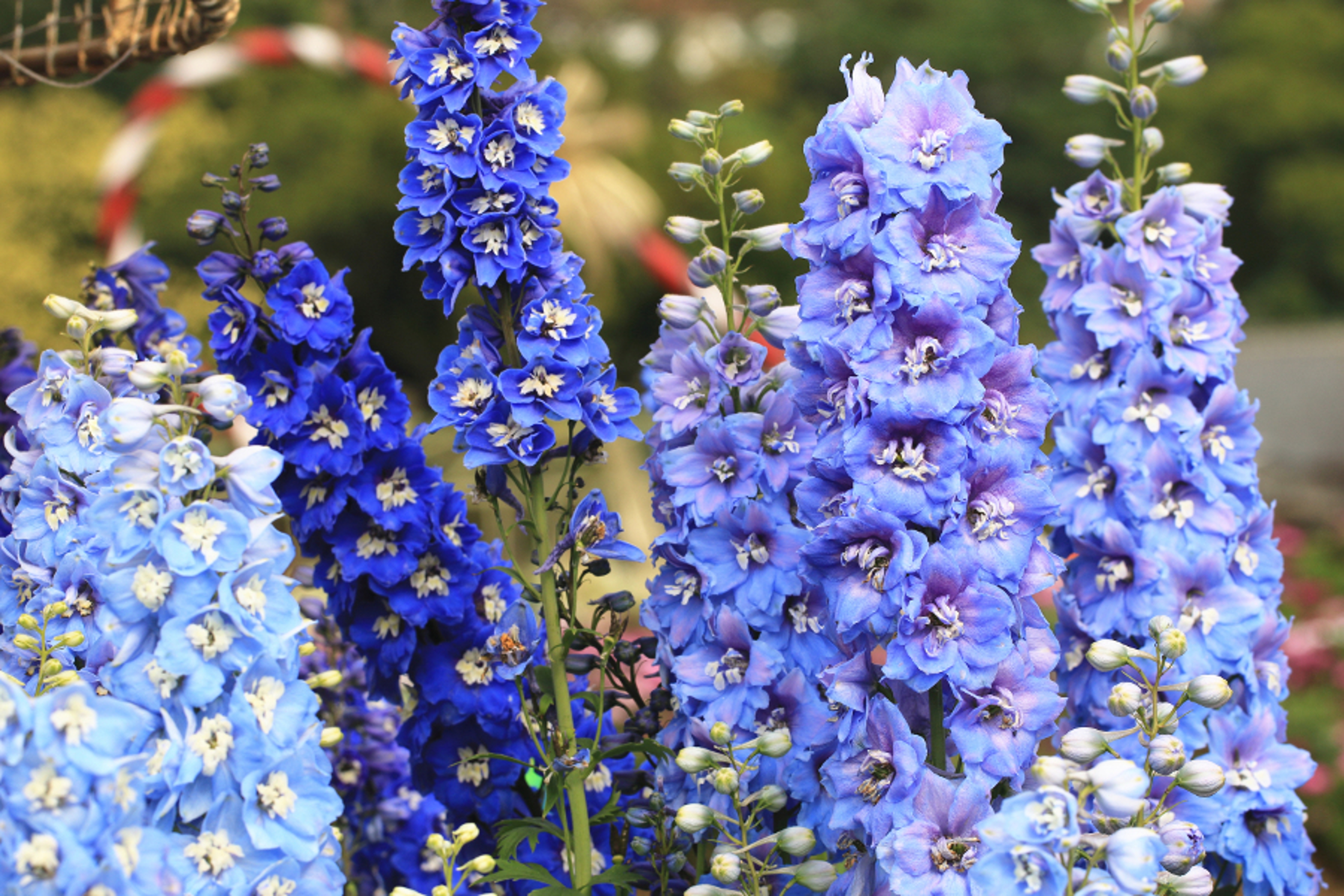
The special flower for July is the larkspur. This stunning flower comes in a range of colors, including shades of blue, purple, pink, and white. Larkspur is a perennial plant that is part of the Ranunculaceae family and is known for its tall, striking spikes covered in delicate blooms. It is often associated with fun, delight, and an open heart, making it a meaningful flower for those born in July.
Significance of Larkspur
Larkspur holds deep symbolic meanings that vary depending on its color. Here are a few key points:
- Blue Larkspur: Represents dignity and grace.
- Pink Larkspur: Signifies fickleness and emotional depth.
- White Larkspur: Reflects purity and innocence.
Cultivation Tips for Larkspur
Growing larkspur can be rewarding, as these flowers can thrive in various conditions. To cultivate larkspur successfully, consider the following:
- Soil Type: Larkspur prefers well-drained soil rich in organic matter.
- Sunlight: These plants grow best in full sun but can tolerate partial shade.
- Watering: Ensure consistent moisture, particularly during dry spells, but avoid waterlogging.
Uses of Larkspur in Floral Arrangements
Larkspur is a popular choice in floral designs due to its long, elegant stems and vibrant colors. Here are some common uses:
- Weddings: Often incorporated in bridal bouquets for a touch of whimsy.
- Event Décor: Adds height and dimension to floral centerpieces.
- Home Gardens: Makes a stunning backdrop in cottage or perennial gardens.
Other Flowers Associated with July
In addition to larkspur, several other flowers are linked to the month of July. They include:
- Water Lily: Symbolizes purity and beauty, often found in serene pond settings.
- Hollyhock: Known for their tall spikes and vibrant blooms, they attract pollinators.
- Delphinium: Closely related to larkspur, delphiniums represent cheerfulness and are also stunning in color.
Traditional Lore and Folklore
Larkspur has various myths and stories associated with it, enhancing its charm. Here are a few notable points:
- Protection: In ancient lore, larkspur was believed to offer protection against evil spirits.
- Delight: The flower was often associated with joyful occasions and celebrations.
- Folklore: Some cultures considered it a symbol of love and affection in romantic relationships.
Questions from Our Readers
What is July's birth flower?
July's birth flower is the larkspur. This flower is known for its beautiful spikes and comes in various colors, including blue, pink, and white. The larkspur symbolizes love, joy, and lightness, making it a meaningful flower for those born in this month.
What are the meanings associated with July's birth flower?
The larkspur is associated with several meanings, including first love, joy, and delight. These meanings reflect the cheerful and vibrant nature of the flower, which is often seen as a representation of the optimism and happiness that summer brings.
Are there any other flowers associated with July?
In addition to the larkspur, the water lily is also considered a birth flower for July. The water lily represents purity and divine beauty, adding another layer of significance for those celebrating their birthdays in this month.
How can I incorporate July's birth flower into celebrations?
Incorporating the larkspur into celebrations can be done in numerous ways, such as using the flowers in bouquets, centerpieces, or as part of decorations for birthday parties. Additionally, gifting larkspur-themed items or decorations can make a thoughtful present for someone born in July.
https://youtube.com/watch?v=ZcXcZz9Rv0o

If you want to read more articles like What is July's Birth Flower? Discover Its Meaning and Significance, we recommend you check out our Flowers category.
Leave a Reply
Related Articles