Understanding Why Did My Echinacea Not Come Back? Common Reasons and Solutions
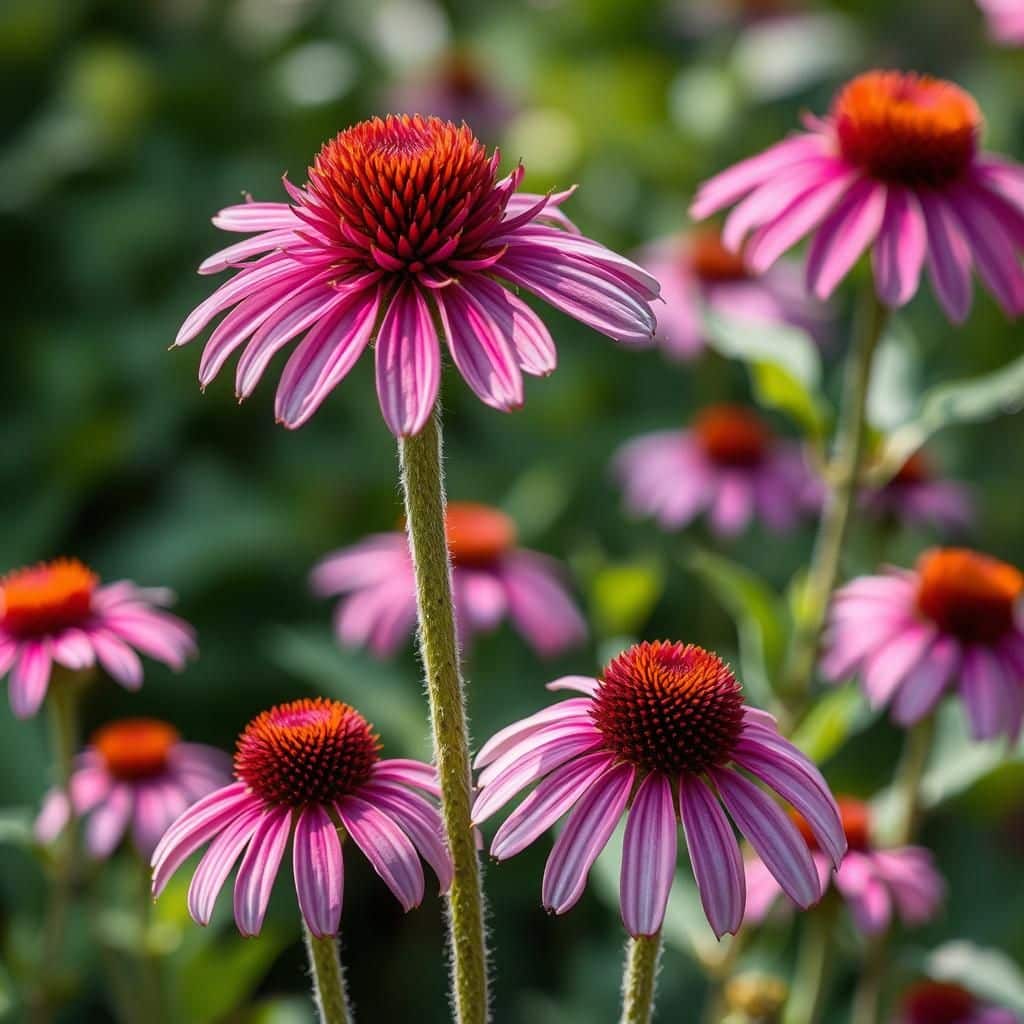
Echinacea, renowned for its vibrant blooms and medicinal properties, often leaves gardeners puzzled when it fails to reappear after winter. Understanding the reasons behind the disappearance of this beloved perennial is crucial for anyone looking to maintain a thriving garden. Various factors, including environmental conditions, pests, and plant health, can play significant roles in the survival of echinacea. This article will explore common reasons for the absence of echinacea in your garden and provide effective solutions to ensure its successful return. By gaining insights into these challenges, you can cultivate a flourishing patch of echinacea in the seasons to come.
Reasons Why Your Echinacea May Not Have Returned
Echinacea plants, known for their vibrant flowers and medicinal properties, might not come back for various reasons. One common issue is environmental stress, which includes inadequate sunlight, poor soil drainage, or extreme temperatures that can damage the plant's root system. Additionally, if the plant suffered from pests or diseases, it may not have been able to survive the winter months. Overwatering or underwatering can also affect the health of Echinacea, preventing it from emerging in spring. Lastly, Echinacea is a perennial, but sometimes a particularly harsh winter can kill the plant, even if it has come back in previous years.
Environmental Stress
Environmental stress can significantly impact the survival of Echinacea plants. These perennial flowers thrive in well-draining soil and require full sunlight for at least six hours a day. If they are planted in areas with too much shade or poor soil quality, they may weaken over time. Temperature fluctuations and unexpected frost during the early spring can also contribute to their decline, especially if the roots are not adequately insulated by mulch or snow cover.
Pest and Disease Issues
Pests and diseases pose another threat to the vitality of Echinacea. Common pests, such as aphids and spider mites, can sap the plant's strength, making it more susceptible to infections. Furthermore, broader issues like root rot caused by overly wet conditions can lead to plant death. If your Echinacea did not return, it might have been severely affected by these problems, leading to its demise before the new growing season.
Watering Practices
The watering regime is crucial for the health of Echinacea plants. Overwatering can create a soggy environment that promotes root rot, while underwatering can cause drought stress, affecting the plant's ability to absorb necessary nutrients. Striking a balance is vital, as both extremes can lead to the failure of Echinacea to come back. Ideally, the soil should be allowed to partially dry out between waterings.
Winter Hardiness
Echinacea is generally considered hardy, but specific varieties may have different tolerances to cold. If you live in an area that experiences exceptionally harsh winters, your Echinacea might not have the necessary hardiness to survive freezing temperatures. Some varieties are more resilient than others, and selecting the right type for your climate is crucial for ensuring their return each spring.
Soil Quality and Nutrients
The quality of soil plays a significant role in the development and longevity of Echinacea plants. They prefer well-draining, loamy soil enriched with organic matter to provide essential nutrients. Poor soil quality, whether too compacted or lacking in nutrients, can hinder growth and lead to plant mortality. It's essential to perform a soil test to determine pH levels and nutrient availability before planting Echinacea to support its long-term health.
| Factor | Impact |
|---|---|
| Environmental Stress | Can weaken the plant, affecting survival |
| Pests and Diseases | Reduce plant vitality and lead to potential death |
| Watering Practices | Improper watering can cause stress or rot |
| Winter Hardiness | Some varieties may not survive cold winters |
| Soil Quality | Essential for nutrient absorption and root health |
Why does my Echinacea not come back?
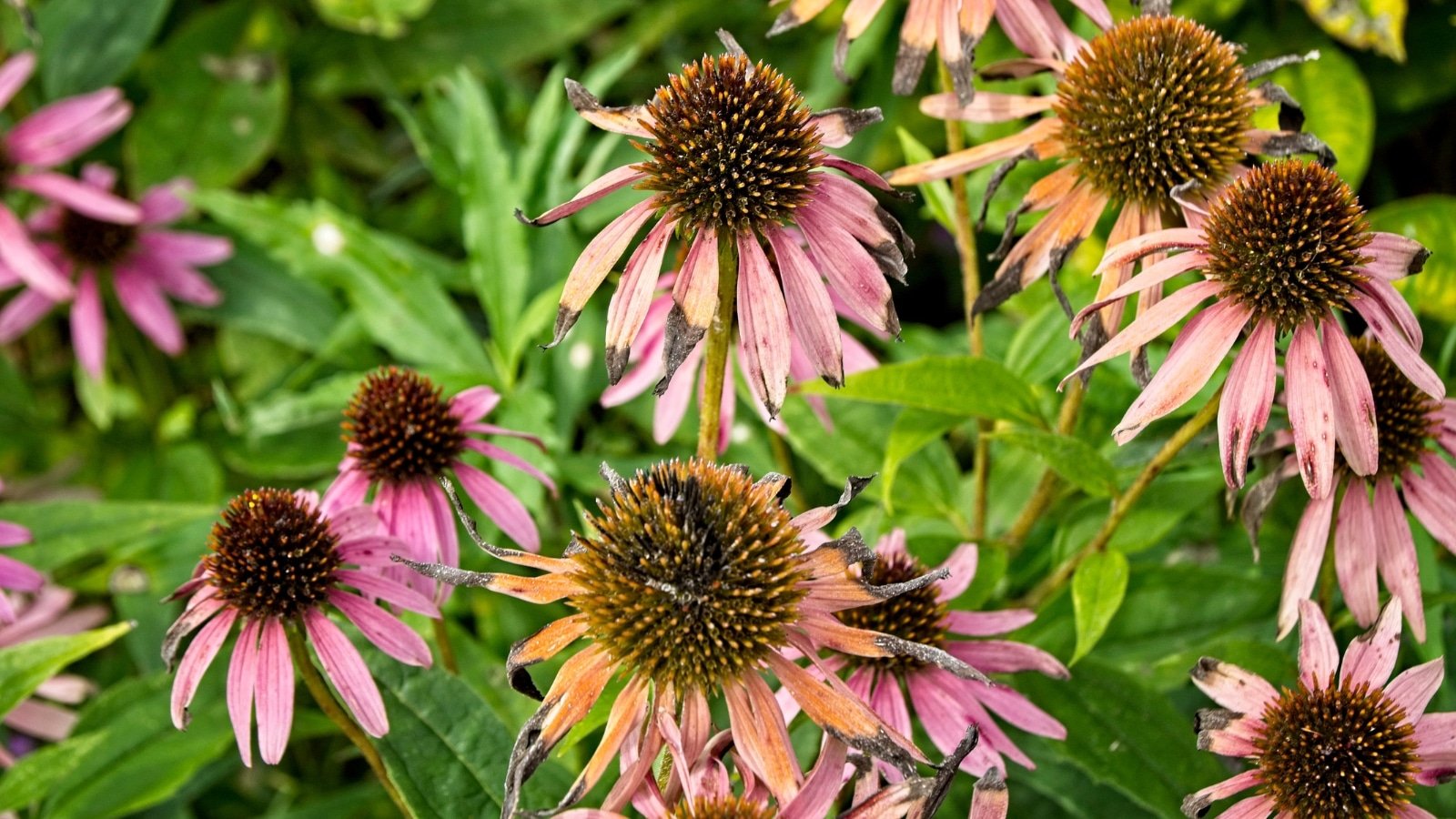
Echinacea is a popular plant known for its medicinal properties and vibrant flowers, but many gardeners face the issue of it not returning year after year. Understanding the reasons behind this can help in troubleshooting and ensuring a successful growth cycle for your Echinacea.
Environmental Conditions
The environmental conditions play a crucial role in the success of your Echinacea. If the plant does not receive the right amount of sunlight, water, or has poor soil quality, it may not survive.
See also:
- Sunlight: Echinacea prefers full sun, ideally around 6 to 8 hours a day. Insufficient sunlight can lead to weak plants.
- Water: While Echinacea is drought-resistant, it still requires regular watering, especially during dry spells. Overwatering can lead to root rot, while underwatering can stress the plant.
- Soil Quality: Echinacea thrives in well-draining, sandy or loamy soils. Heavy clay or poor drainage can hinder root development and lead to plant decline.
Species and Cultivar Selection
The type of Echinacea you choose can influence its survival rate. There are several species and cultivars, each with varying hardiness.
- Hardiness Zone: Ensure that the Echinacea you plant is suitable for your specific USDA hardiness zone.
- Cultivar Differences: Some cultivars may be less hardy than others, which affects their ability to survive harsh winter conditions.
- Native vs. Non-Native: Native Echinacea species are often more resilient and better adapted to local climates than cultivated varieties.
Pests and Diseases
Echinacea can be susceptible to various pests and diseases that can affect its growth and longevity. Identifying and managing these threats is essential.
- Pests: Aphids, spider mites, and snails can damage the plant, leading to reduced vigor.
- Disease: Fungal infections, such as powdery mildew, can occur in overly humid conditions, damaging leaves and inhibiting growth.
- Prevention: Regularly inspect your plants, and consider organic pesticides or disease-resistant varieties to mitigate these issues.
Winter Hardiness and Care
Proper winter care is critical for the survival of Echinacea, especially in colder climates. Plants need protection against harsh winter conditions.
- Mulching: Applying a layer of mulch in late fall can help insulate the roots against freezing temperatures.
- Pruning: Cutting back dead stems can prevent mold issues and promote healthy new growth in the spring.
- Drainage: Ensure that beds are well-drained; standing water can cause roots to rot during the winter months.
Soil Health and Fertility
Healthy soil is vital for Echinacea to thrive. Maintaining soil health affects the plant’s ability to absorb nutrients and water effectively.
- Soil pH: Echinacea prefers a pH between 6.0 and 7.0. Testing and amending your soil accordingly can enhance growth.
- Nutrient Levels: Conduct soil tests to check for deficiencies in nitrogen, phosphorus, or potassium, which are essential for strong growth.
- Organic Matter: Adding compost or organic matter can improve soil structure, fertility, and water retention.
Why has my Echinacea died?

Echinacea, also known as coneflowers, are popular plants often cultivated for their medicinal properties, vibrant flowers, and ability to attract pollinators. However, Echinacea can perish due to various factors. Understanding the potential reasons can help prevent future losses.
Pests and Diseases
Echinacea plants are susceptible to several pests and diseases that can lead to their decline and ultimate death. Common issues include:
- Fungal Infections: Fungal diseases such as powdery mildew and root rot can devastate Echinacea. These fungi thrive in humid conditions and poor air circulation.
- Insect Infestation: Pests like aphids, spider mites, and Japanese beetles can weaken the plant by feeding on its sap or damaging the leaves.
- Bacterial Issues: Bacterial wilt is another serious concern that can cause sudden plant death, particularly in damp conditions.
Environmental Stress
Environmental conditions play a significant role in the health of Echinacea plants. Key factors include:
- Watering Practices: Overwatering or underwatering can lead to stress. Echinacea prefers well-draining soil and does not like to sit in waterlogged conditions.
- Temperature Extremes: Sudden cold snaps or prolonged heat can stress the plant, potentially leading to its demise, especially if it’s not adequately acclimated.
- Sunlight Exposure: Echinacea generally requires full sun to thrive. Inadequate light can weaken the plant, making it more susceptible to disease and pests.
Soil Quality
The health of Echinacea is heavily dependent on the quality of the soil in which it is planted. Consider the following:
- Soil Drainage: Poorly drained soil can encourage root rot, which is a common problem for Echinacea. They thrive in well-draining soils.
- Nutrient Levels: Soil that is depleted of essential nutrients may not adequately support plant growth, leading to weak plants unable to fend off stressors.
- pH Levels: Echinacea prefers slightly acidic to neutral soil (pH 6.0-7.0). Extreme pH levels can affect the plant's ability to absorb nutrients.
Improper Care and Maintenance
The care and maintenance of Echinacea are crucial for their longevity. Proper practices include:
See also:
- Pruning: Failure to deadhead spent flowers can lead to decreased energy for the plant, reducing its vitality.
- Fertilization: Over-fertilizing can do more harm than good. Echinacea typically requires minimal fertilization.
- Mulching: Lack of mulching can lead to weed competition and moisture loss, which can stress the plant.
Planting Location
The location where Echinacea is planted can significantly impact its health. Consider the following aspects:
- Exposure to Elements: Locations that are too windy or wet can damage plants. Protecting them or choosing a more suitable location can mitigate this.
- Companion Plants: Planting Echinacea near incompatible species can lead to competition for resources, affecting growth.
- Space Requirements: Overcrowding can result in poor air circulation and increased susceptibility to diseases.
Why didn't my coneflowers come up this year?
The failure of your coneflowers to emerge this year can be attributed to several factors. These vibrant perennials, known for their resilience, may not have bloomed due to environmental conditions, planting issues, or even pest problems. Below are some reasons why your coneflowers might not have come up.
Soil Quality
The quality of the soil plays a pivotal role in the growth of coneflowers. If your soil lacks the necessary nutrients or has poor drainage, it can hinder the germination and growth of the plants.
- Ensure the soil is rich in organic matter.
- Test the pH level; coneflowers prefer a pH between 6.0 and 7.0.
- Check for adequate drainage to avoid root rot.
Climate Conditions
Coneflowers thrive in full sun but extreme weather conditions can affect their growth. Unusually cool or hot temperatures can disrupt their cycle.
- Monitor temperature fluctuations; coneflowers prefer temperatures between 70-85°F.
- Assess rainfall; too much water can lead to disease, while too little can hinder growth.
- Consider seasonal changes; late frosts can damage emerging shoots.
Planting Depth and Timing
Improper planting depth or timing can result in a lack of emergence. It is crucial to plant coneflower seeds or divisions at the right time and depth.
- Seeds should be sown 1/4 inch deep in spring after the last frost.
- If dividing established plants, do so in early spring or fall.
- Avoid planting too early, as this may expose them to frost damage.
Pests and Diseases
Pests or diseases can severely impact the growth of coneflowers. It’s important to be vigilant about potential issues that may arise.
- Look for signs of aphids or mites, which can stress plants.
- Check for fungal infections, such as powdery mildew.
- Maintain good air circulation to prevent disease spread.
Competing Vegetation
Other plants or weeds in the area can compete for resources such as water, nutrients, and sunlight, affecting your coneflowers negatively.
- Regularly check for and remove weeds around your coneflowers.
- Ensure adequate spacing between plants to minimize competition.
- Use mulch to help suppress weeds and retain moisture.
Questions from Our Readers
Why did my Echinacea not come back after winter?
It's possible that your Echinacea did not return after winter due to harsh weather conditions or insufficient protection from frost. These plants are perennials, but extreme temperatures can damage the roots or crown, leading to their failure to resprout in spring.
Is my Echinacea dead or just dormant?
To determine whether your Echinacea is dead or dormant, check for signs of life such as green shoots or fresh growth near the base of the plant. If you see no signs of new growth by late spring, it may be dead rather than just dormant.
See also:
Could my Echinacea have been affected by pests or diseases?
Yes, pests and diseases can significantly impact the health of Echinacea plants. Issues such as root rot, caused by overwatering, or fungal infections, can lead to plant decline and may prevent them from returning in the following season.
What can I do to improve the chances of my Echinacea coming back?
To increase the chances of your Echinacea returning, ensure they are planted in well-drained soil and receive adequate sunlight. Additionally, consider applying mulch for winter protection and practicing good garden hygiene to minimize disease and pest issues.

If you want to read more articles like Understanding Why Did My Echinacea Not Come Back? Common Reasons and Solutions, we recommend you check out our Echinacea category.
Leave a Reply
Related Articles