Is Echinacea an Annual or Perennial? Discover the Lifespan of This Popular Plant
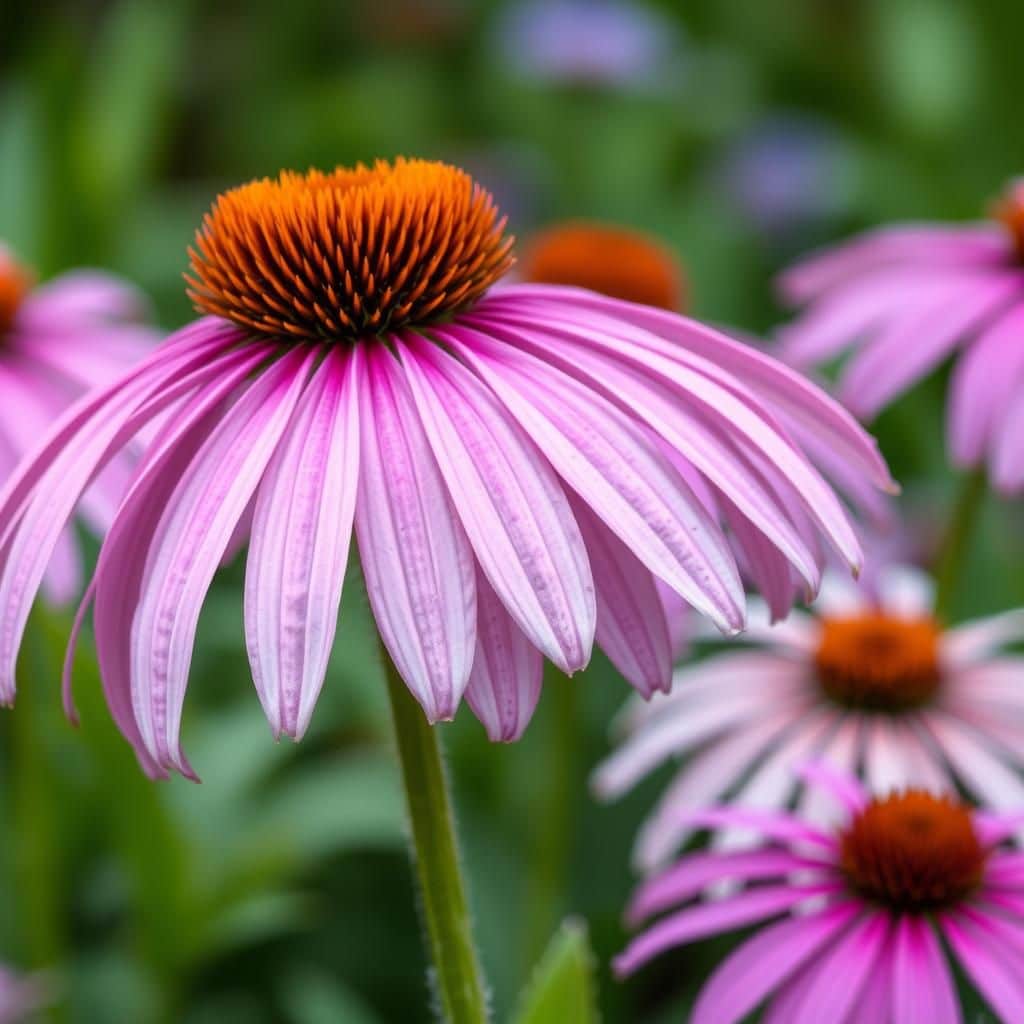
Echinacea, commonly known as coneflower, is a popular plant celebrated for its medicinal properties and vibrant flowers. Gardeners and herbal enthusiasts alike often wonder about the lifespan of this fascinating plant: is Echinacea an annual or a perennial? Understanding the growth habits and longevity of Echinacea is essential for successful cultivation and maximizing its benefits. In this article, we will explore the characteristics of Echinacea, clarify its classification as either an annual or perennial, and provide insights into how to best care for this resilient and beautiful plant throughout its lifecycle. Let's delve into the world of Echinacea and uncover its secrets.
Is Echinacea an Annual or Perennial?
Echinacea, commonly known as coneflower, is predominantly classified as a perennial plant. This means that it has a life cycle that lasts for more than two years. Echinacea species, such as Echinacea purpurea, Echinacea angustifolia, and Echinacea pallida, return each growing season, allowing them to flourish year after year. These plants typically thrive in a variety of growing conditions and are valued not only for their ornamental beauty but also for their potential medicinal properties. Their resilience and ability to withstand winter conditions contribute to their status as a staple in both gardens and herbal medicine.
Characteristics of Echinacea Plants
Echinacea plants are known for their vibrant flowers, which often display a purple or pink hue, though some species can have white or yellow blooms. They typically feature a cone-shaped flower head, from which they get their common name. These plants have tapered leaves, which grow in a rosette pattern, and reach heights of about 2 to 4 feet, depending on the species. Their robust nature allows them to attract various pollinators, making them a popular choice for gardeners who seek to support local ecosystems.
Growing Conditions for Echinacea
Echinacea thrives in full sun and well-drained soil, although it can adapt to a range of soil types, including sandy, loamy, and even clay-based soils. They prefer areas with good air circulation to prevent fungal diseases. While these plants are drought-tolerant once established, they will perform best with moderate watering, particularly during prolonged dry spells. Echinacea can also benefit from light fertilization; however, too much nitrogen can lead to excessive foliage at the expense of flowers.
Lifecycle of Echinacea
As perennials, Echinacea plants undergo a lifecycle that includes a dormancy period during winter. In spring, they begin to grow anew, producing fresh leaves and flowering stems. The blooming period typically occurs from midsummer to early fall, showcasing their vibrant petals. After the flowering phase, seed heads develop, which can be left on the plant to provide food for birds and to self-seed in the surrounding area, further supporting their lifespan and propagation.
Propagation Methods
Echinacea can be propagated through several methods, including seeds, division, and root cuttings. Seed propagation is common, where seeds are sown in the fall or spring and require light for germination. Dividing existing plants every few years can help maintain vigor and prevent overcrowding. Root cuttings can be taken in early spring, allowing for new plants to establish themselves quickly. Each method highlights the plant's ability to thrive and continue its legacy in the garden.
See also:
Pest and Disease Resistance
Echinacea is relatively resistant to many pests and diseases, which is one of the reasons for its popularity among gardeners. However, they can occasionally be prone to issues such as aphids, spider mites, and fungal infections if conditions are overly wet. Regular monitoring and maintaining good garden hygiene significantly minimize these problems. Their robust nature makes them a viable choice for both novice and experienced gardeners seeking low-maintenance options that also provide aesthetic and ecological benefits.
| Aspect | Details |
|---|---|
| Type | Perennial |
| Height | 2 to 4 feet |
| Blooming Period | Midsummer to Early Fall |
| Propagation | Seeds, Division, Root Cuttings |
| Pest Resistance | High |
Will Echinacea survive winter?
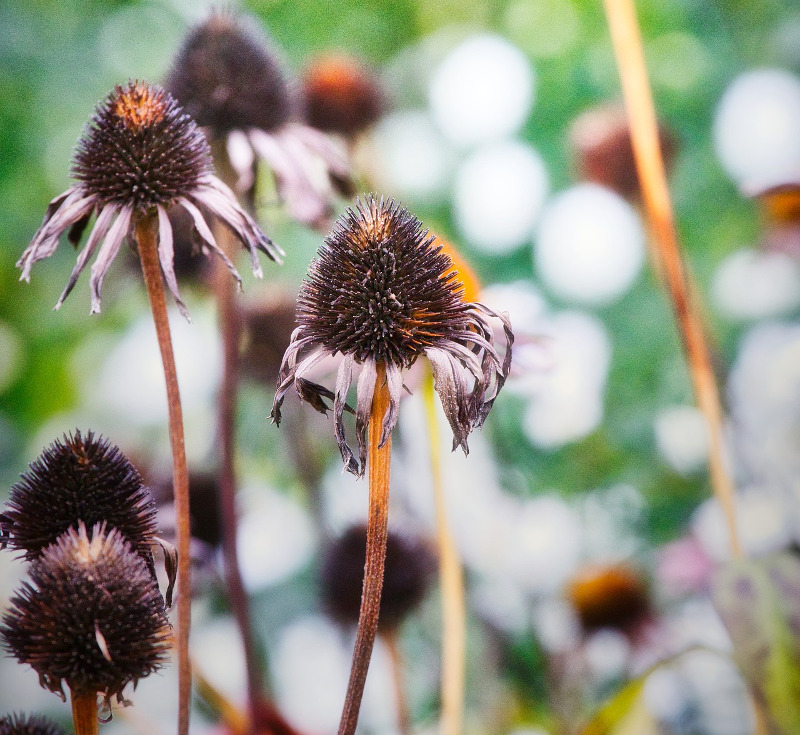
Echinacea, widely known for its medicinal properties, can survive winter under the right conditions. This perennial plant is hardy and can withstand cold temperatures, making it suitable for gardens in various climates. However, there are specific factors that contribute to its successful survival during the winter months.
Understanding Echinacea's Hardiness
Echinacea is categorized as a hardy perennial, which means it has the ability to endure harsh winter conditions. Its natural habitat includes regions that experience cold winters. The plant’s root system is particularly resilient, allowing it to survive freezing temperatures by entering a state of dormancy. During this dormant phase, Echinacea conserves energy and nutrients, which readies it for a vigorous rebound when spring arrives.
- Roots can withstand freezing temperatures.
- Enters a dormant phase to save energy.
- Thrives in a variety of climates.
Climate Considerations for Echinacea
The survival of Echinacea in winter largely depends on local climate conditions. It thrives best in USDA hardiness zones 3 to 9. However, in regions with particularly harsh winters, extra measures may be necessary to ensure its survival. While the plant can endure frost, areas with sustained extreme cold may require additional protection, such as mulching or windbreaks.
- Best suited for USDA zones 3 to 9.
- Extra protection may be needed in extreme cold.
- Local climate plays a crucial role in plant health.
Preparing Echinacea for Winter
Preparation is key to ensuring that Echinacea survives the winter. Before the first frost, it is essential to cut back the foliage. This allows the plant to focus its energies on the roots during the dormant period. Applying a thick layer of mulch around the base can also help insulate the roots from freezing temperatures, retaining soil warmth and moisture.
See also:
- Cut back foliage before the frost.
- Apply mulch for insulation.
- Focus on root health during dormancy.
Signs of Echinacea Health After Winter
After winter, signs of Echinacea's survival can be monitored through various indicators. Look for new growth emerging from the soil, which signifies that the plant has successfully made it through the cold months. Healthy green shoots are an indication that the root system remains intact. Additionally, the emergence of leaves and flower buds as the weather warms can confirm the plant's vitality.
- Look for new growth signs in early spring.
- Healthy green shoots indicate successful survival.
- Flower buds emergence confirms vitality.
Common Challenges Echinacea Faces in Winter
Despite its hardiness, Echinacea can face several challenges during the winter months. One common issue is overwatering, which can lead to root rot if the soil remains too wet during the freeze-thaw cycles. Additionally, extreme temperature fluctuations can stress the plant. Pests such as voles may also pose a risk by feeding on roots if the ground is covered with snow.
- Overwatering can lead to root problems.
- Temperature fluctuations can stress the plant.
- Pests like voles may harm root systems.
Questions from Our Readers
Is echinacea an annual or perennial plant?
Echinacea is primarily classified as a perennial plant, meaning it can live for more than two years. It typically grows back year after year from its root system, making it a popular choice for gardeners looking for long-lasting flowers.
How can you tell if an echinacea plant is healthy?
A healthy echinacea plant will exhibit vibrant green leaves, strong stems, and will produce plentiful, bright flowers during its blooming season. Additionally, the roots should be firm and intact, indicating that the plant is thriving in its environment.
What conditions are best for growing echinacea?
Echinacea thrives in well-drained soil, typically preferring full sun to partial shade. It is also tolerant of drought conditions, making it suitable for dry gardens or naturalized areas where water might be limited.
Can echinacea be propagated from cuttings?
While echinacea can be started from seeds or divided from existing plants, propagating from cuttings is less common. The most effective method is to divide established plants in the spring or fall to create new healthy specimens.
See also:

If you want to read more articles like Is Echinacea an Annual or Perennial? Discover the Lifespan of This Popular Plant, we recommend you check out our Echinacea category.
Leave a Reply
Related Articles