Ultimate Guide: What is the height and spread of Echinacea? Discover Key Growth Facts!

Echinacea, commonly known as coneflower, is a popular perennial plant cherished for its vibrant blooms and medicinal properties. Understanding its growth characteristics, particularly height and spread, is essential for gardeners and horticulturists alike. This ultimate guide delves into the key growth facts of Echinacea, providing insights into its ideal growing conditions, variations among species, and tips for thriving cultivation. Whether you're planning to incorporate Echinacea into your garden or seeking to maximize your gardening efforts, this comprehensive overview will equip you with the knowledge necessary to cultivate these stunning plants effectively. Discover the essential details that will enhance your Echinacea experience!
Understanding the Height and Spread of Echinacea
Echinacea, commonly known as coneflower, is a popular perennial plant known for its medicinal properties and vibrant flowers. Typically, the height of Echinacea can range between 2 to 4 feet (approximately 60 to 120 cm), while its spread can vary from 12 to 18 inches (around 30 to 45 cm) depending on the specific cultivar and growing conditions. These plants thrive best in well-drained soil and full sun, which enhances their growth potential. When planting Echinacea, adequate spacing is important to allow for air circulation and optimal light exposure, ultimately promoting a healthier and more vigorous plant.
Height Variation Among Echinacea Species
Different species of Echinacea exhibit notable differences in their height. For instance, Echinacea purpurea typically grows taller, reaching up to 4 feet, while Echinacea angustifolia tends to be shorter, generally staying around 1 to 2 feet in height. These variations contribute to the diversity of their usage in gardens, ranging from attracting pollinators to serving as ornamental plants in landscape design.
Factors Influencing Height and Spread
The height and spread of Echinacea can be significantly influenced by environmental factors such as soil quality, sunlight, and water availability. Ideally, Echinacea should be planted in well-draining soil enriched with organic matter and exposed to full sun for most of the day. Inadequate sunlight or poor soil conditions may result in stunted growth, while ample sunlight can lead to lush, robust plants.
Recommended Planting Distance for Optimal Growth
When planting Echinacea, it is advisable to space them approximately 18 to 24 inches apart to ensure proper spread and growth. This spacing allows for adequate airflow between plants, reducing the risk of fungal diseases and encouraging healthy development. Furthermore, providing this space helps prevent overcrowding, which can adversely affect the overall health and bloom quality of the Echinacea.
Impact of Pruning on Plant Size
Pruning Echinacea at the right times can impact its overall height and spread. Deadheading, or removing spent flowers, encourages the plant to produce more blooms, while cutting back the stems in late fall can help maintain a more compact shape for the next growth cycle. Proper pruning techniques not only promote bushier growth but also enhance the plant's resilience against environmental stressors.
Table of Common Echinacea Varieties
| Variety | Height (feet) | Spread (inches) |
|---|---|---|
| Echinacea purpurea | 3 to 4 | 12 to 18 |
| Echinacea angustifolia | 1 to 2 | 12 to 18 |
| Echinacea tennesseensis | 2 to 3 | 18 to 24 |
| Echinacea Big Sky series | 2 to 3 | 15 to 20 |
| Echinacea Coral Fortune | 2 to 3 | 18 to 24 |
Does the Echinacea plant spread?

The Echinacea plant, commonly known for its medicinal properties, does indeed spread, though the manner of its propagation can vary based on several factors including the species, conditions, and cultivation practices. Echinacea is a perennial plant, which means that it can grow back year after year and can reproduce through various methods, leading to its spreading in gardens and wild.
Methods of Spreading Echinacea
Echinacea plants can spread through different methods, which include:
- Seed Dispersal: Echinacea produces seeds that can be easily dispersed by wind and animals. Once the seeds fall to the ground, they can germinate and lead to new plants.
- Rhizome Growth: Certain species of Echinacea develop rhizomes, which are underground stems that can sprout new shoots and roots, allowing the plant to spread horizontally.
- Cuttings: Gardeners often propagate Echinacea by taking cuttings from existing plants. This method allows for quick establishment and can help a gardener control the spread.
Environmental Factors Influencing Spread
The conditions in which Echinacea is planted greatly influence how well it spreads:
See also:
- Soil Quality: Well-drained soil that is rich in organic matter can promote robust growth, leading to better seed production and spread.
- Water Availability: Adequate water is crucial for seed germination and the overall health of the plant. Both drought and waterlogged conditions can hinder their ability to spread.
- Light Exposure: Echinacea thrives in full sun. Sufficient light not only supports vigorous growth but also increases flowering and seed production.
Companion Planting with Echinacea
When planted alongside other species, Echinacea can either inhibit or promote the growth of neighboring plants:
- Attracting Pollinators: Echinacea attracts bees and butterflies, which can help pollinate nearby plants, supporting a diverse ecosystem.
- Pest Repellent: Some gardeners find that Echinacea can help deter certain pests, benefitting companion plants by reducing competition from harmful insects.
- Competition for Resources: While Echinacea can aid in biodiversity, it may also compete for resources such as nutrients and water, potentially inhibiting the growth of other nearby plants.
Controlling Echinacea Spread in Gardens
For those wishing to manage the spread of Echinacea, several techniques can be employed:
- Regular Pruning: By cutting back plants after flowering, gardeners can prevent unwanted seed production and control the areas where Echinacea grows.
- Using Barriers: Installing physical barriers can help limit the spread of plant roots or seeds into unwanted areas.
- Selective Planting: Choosing specific Echinacea varieties known for less aggressive spreading can help manage the overall growth in gardens.
Benefits of Echinacea Spreading
Allowing Echinacea to spread offers several benefits to gardens and natural landscapes:
- Improved Biodiversity: The spread of Echinacea contributes to a diverse plant community, which can improve ecological health.
- Natural Medicinal Resources: More Echinacea means more availability for those who seek its medicinal properties, such as boosting the immune system.
- Aesthetic Value: Echinacea adds beauty to gardens with its vibrant flowers, enhancing the landscape throughout the growing season.
Is Echinacea an invasive plant?
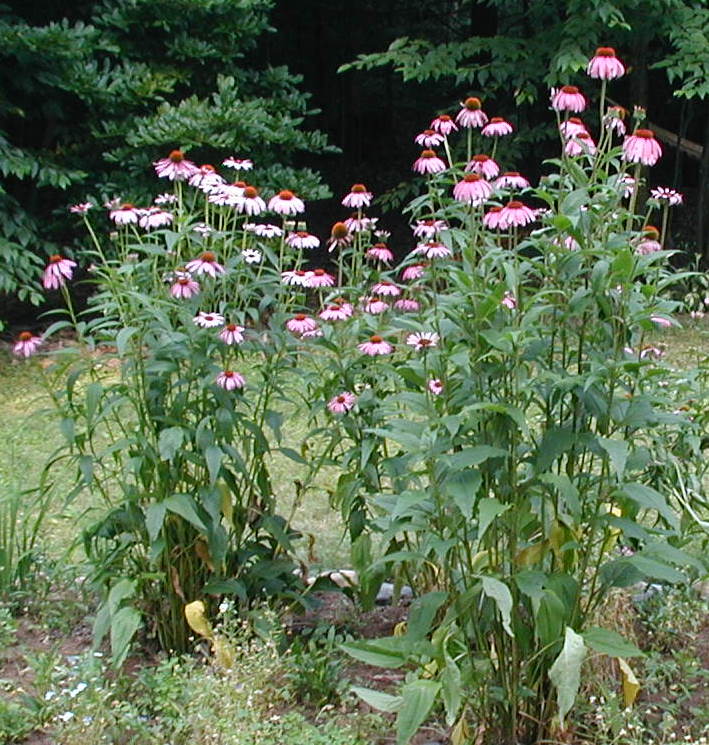
Echinacea, commonly known as coneflower, is not considered an invasive plant. While it can spread in garden settings and natural areas, it does not exhibit the aggressive growth patterns typically associated with invasive species. Instead, Echinacea is a native plant to North America, known for its medicinal properties and role in supporting pollinator populations.
Characteristics of Echinacea
Echinacea is a genus of herbaceous flowering plants in the daisy family, known for their distinctive purple flowers and cone-shaped centers. They thrive in well-drained soils and are drought-resistant, making them popular choices in gardens.
- Diversity: Echinacea is comprised of several species, with Echinacea purpurea being the most widely cultivated.
- Growth Habit: These plants typically grow between 2 to 4 feet tall, producing numerous blooms throughout the summer.
- Pollinator Friendly: Echinacea attracts bees, butterflies, and birds, contributing positively to local ecosystems.
Growth Patterns
Echinacea does have the capacity for self-seeding, which can lead to its natural spread in suitable environments. However, this self-seeding is not excessive enough to classify it as invasive.
- Self-seeding Nature: Echinacea can produce many seeds, which can germinate in favorable conditions.
- Controlled Spreading: Gardeners can manage the spread by removing spent flowers before they set seed.
- Environmental Adaptability: It thrives in a range of soils and conditions, yet it does not outcompete native vegetation aggressively.
Native vs. Invasive Plants
Understanding the distinction between native and invasive plants is crucial. Echinacea is a native plant, and its role in natural habitats contrasts sharply with invasive species that disrupt ecosystems.
- Definition of Invasive Species: Invasive plants are species that proliferate aggressively, causing harm to local ecosystems.
- Impact on Biodiversity: Unlike invasive plants, Echinacea often supports biodiversity and contributes positively to the habitat.
- Ecological Role: Its presence enhances the resilience of ecosystems rather than degrades them.
Uses and Benefits of Echinacea
Echinacea is renowned for its medicinal uses and benefits, particularly in herbal medicine. It is often utilized for its potential to boost the immune system and combat common colds.
- Herbal Remedies: Echinacea extracts are used in teas, tinctures, and supplements.
- Promotes Wellness: Some studies suggest that Echinacea can shorten the duration of colds.
- Supports Pollinators: By planting Echinacea, gardeners can support local bee populations, contributing to ecological balance.
Cultivation and Management
Echinacea is relatively easy to cultivate and manage in gardens, making it a preferred choice for both novice and experienced gardeners.
See also:
- Growing Conditions: Echinacea prefers full sun and well-drained soil, thriving with minimal maintenance.
- Pest Resistance: It is generally resistant to pests and diseases, making it a sustainable option.
- Propagation Techniques: Echinacea can be propagated through seeds, division, or cuttings, providing flexibility in cultivation.
Do Echinacea plants come back every year?
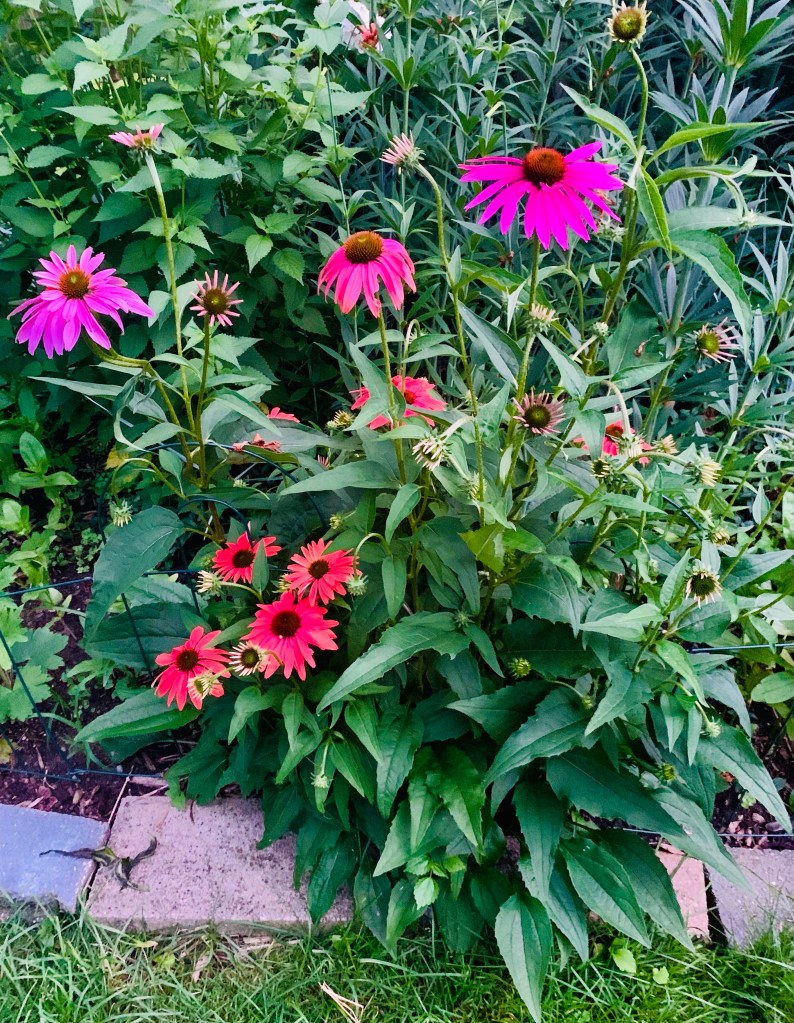
Echinacea plants, commonly known as coneflowers, are perennial plants, meaning they come back every year. These plants typically survive through the winter season and re-emerge in the spring. Their perennial nature allows them to live for several years, provided they are planted in the right conditions and receive proper care.
What Are Perennials?
Perennials are plants that live for more than two years, as opposed to annuals, which complete their life cycle in one growing season. Echinacea falls into the perennial category because of the following characteristics:
- Longevity: Echinacea plants can thrive for several years.
- Growth Cycle: They grow back each spring after dying back in the winter.
- Root System: Their strong root systems store energy, allowing them to survive harsh conditions.
How to Care for Echinacea to Ensure They Return Every Year
To ensure that Echinacea plants return each year, proper care is essential. Here are some tips for maintaining these resilient plants:
- Soil Conditions: Ensure they are planted in well-draining soil to prevent root rot.
- Sunlight: Echinacea thrives in full sun, requiring at least 6 hours of sunlight daily.
- Watering: They need moderate watering; avoid waterlogging to protect root health.
When Do Echinacea Plants Bloom?
Echinacea plants usually bloom in the summer months, bringing vibrant colors to the garden. Their blooming period includes:
- Timing: Typically, they bloom from June to August.
- Duration: The blooms can last several weeks, creating a stunning display.
- Attractiveness: Echinacea flowers attract bees, butterflies, and other pollinators.
Common Varieties of Echinacea
There are several popular varieties of Echinacea, each with unique traits and colors. Notable types include:
- Echinacea purpurea: Known as purple coneflower, this is the most common variety.
- Echinacea pallida: Also known as pale coneflower, distinguished by its light pink petals.
- Echinacea 'Magnus': A cultivated variety that features large, vibrant pink flowers with a central cone.
Winter Care for Echinacea
Even though Echinacea plants are perennials, they still require some care during the winter months to ensure their return. Key points for winter care include:
- Mulching: Adding a layer of mulch can protect the roots from freezing temperatures.
- Pruning: It is recommended to cut back dead stems in late fall or early spring.
- Snow Cover: Natural snow cover can insulate the plants during cold weather.
Questions from Our Readers
What is the typical height of Echinacea plants?
Echinacea plants generally reach a height of about 2 to 4 feet (60 to 120 centimeters), depending on the specific species and growing conditions. The tallest varieties can sometimes exceed this range, making them noticeable in garden landscapes.
What is the spread of Echinacea plants?
The spread of Echinacea plants typically ranges from 1 to 3 feet (30 to 90 centimeters). This width can vary based on the growth environment and the care they receive, as some plants may spread more aggressively under ideal conditions.
Do Echinacea plants have a larger spread when planted in groups?
Yes, when planted in groups, Echinacea plants can have a larger overall spread. Their root systems can help them expand and fill the area, creating a more dense appearance and enhancing their visual impact in a garden setting.
See also:
How can I manage the height and spread of Echinacea in my garden?
To manage the height and spread of Echinacea, consider regular pruning and dividing the plants every few years. This practice helps maintain a more controlled growth and encourages healthier blooms while preventing overcrowding.

If you want to read more articles like Ultimate Guide: What is the height and spread of Echinacea? Discover Key Growth Facts!, we recommend you check out our Echinacea category.
Leave a Reply
Related Articles