Does Echinacea Calm You Down? Exploring Its Effects on Relaxation and Stress Relief

Echinacea, a well-known herb primarily celebrated for its immune-boosting properties, has gained attention for its potential effects on relaxation and stress relief. With increasing interest in natural remedies, many individuals are turning to this vibrant purple flower to alleviate their daily tension and promote a sense of calm. But does Echinacea truly possess calming effects, or is it merely a placebo? In this article, we will explore the current research surrounding Echinacea's influence on relaxation, its traditional uses, and personal experiences, providing a comprehensive overview of whether this herbal remedy can genuinely help soothe the mind and spirit.
Does Echinacea Calm You Down?
Echinacea is primarily known for its immune-boosting properties, but many people wonder if it can also help with calming effects. Research on Echinacea's ability to promote relaxation is limited, but some studies suggest that this herb may interact with neurotransmitters involved in the stress response. While it might not directly induce calmness, Echinacea's potential to support the body during times of stress could indirectly assist in maintaining a sense of tranquility. Additionally, individuals may experience subjective calmness through the overall wellness benefits associated with its usage.
What is Echinacea?
Echinacea is a flowering plant from the Asteraceae family, commonly used in herbal medicine. It is often consumed in forms such as teas, extracts, or capsules and has been celebrated for its potential effects on the immune system. The plant contains compounds like polysaccharides and alkamides, which are believed to stimulate various aspects of immune function, thereby helping the body fight off infections more effectively.
How Does Echinacea Affect the Body?
Echinacea is thought to modulate the immune response by increasing the production of certain immune cells such as macrophages and T-cells. This action can help reduce inflammation and enhance the body’s resistance to pathogens. The calming effects some users report may stem from a more robust immune system, potentially alleviating feelings of discomfort or stress that are often linked to being unwell.
Is There Scientific Evidence Supporting Echinacea's Calming Effects?
Current scientific evidence does not strongly support the idea that Echinacea has direct calming effects like those of sedatives or anxiety-reducing medications. Most studies focus on its immune-boosting properties rather than its ability to promote relaxation. However, some anecdotal reports suggest that individuals who take Echinacea while stressed may feel a heightened sense of well-being, likely due to the combined effects of improved health and reduced physical distress.
Can Echinacea Help with Stress Relief?
While Echinacea may not directly relieve stress, its potential benefits in supporting immune function could contribute to an overall feeling of improved health. A healthy immune system may lessen the physical symptoms of stress, such as fatigue and malaise, creating a more favorable environment for relaxation. Furthermore, incorporating Echinacea into a holistic wellness routine, alongside stress-management techniques, might yield a more relaxed state of mind.
What Forms of Echinacea Are Available?
Echinacea comes in various forms, including tinctures, capsules, and dried flowers for teas. The most common species used in supplements are Echinacea purpurea, Echinacea angustifolia, and Echinacea pallida. Each form may have different concentrations of active compounds, which can influence their effectiveness. When selecting an Echinacea product, it’s essential to consider quality and source to ensure maximum efficacy.
| Form | Common Use | Potential Benefits |
|---|---|---|
| Tincture | Quick absorption | Supports immune function |
| Capsules | Convenient dosing | Potent effects on immunity |
| Dried flowers | Herbal tea | Soothing experience |
Does echinacea have a calming effect?
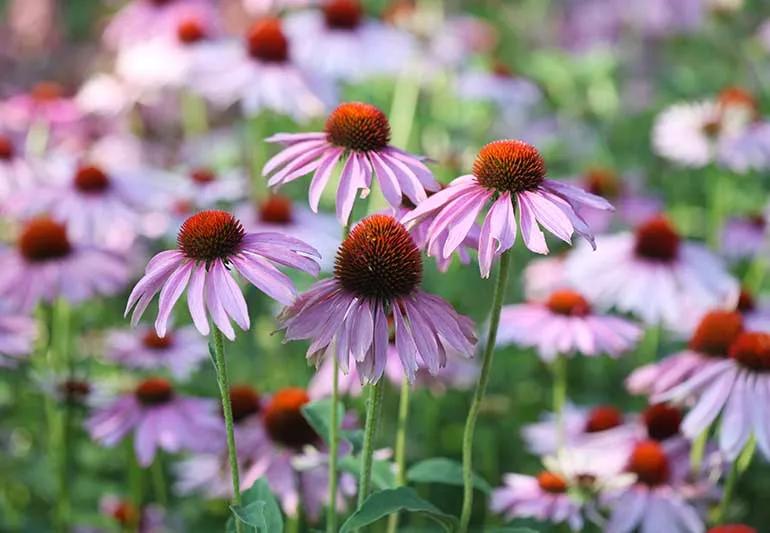
Echinacea, commonly known for its immune-boosting properties, has also been evaluated for its potential calming effects. However, the evidence surrounding this aspect is limited and somewhat inconclusive. Echinacea is primarily used for preventing and treating various infections, particularly the common cold, rather than as a sedative or anxiolytic. Some users report feeling more relaxed when taking Echinacea, which may be attributed to factors such as improved overall health or relief from cold symptoms rather than a direct calming effect of the herb itself.
Mechanism of Action
Echinacea contains several active compounds that may influence the body in various ways. While its main use is to enhance the immune system, it also interacts with the body's biochemical pathways:
- Polysaccharides: These compounds help stimulate the immune system, which may indirectly lead to a sense of well-being.
- Flavonoids: Echinacea contains flavonoids, which have antioxidant properties. Antioxidants may help reduce oxidative stress and create a feeling of relaxation.
- Alkamides: These chemicals found in echinacea may have a mild sedative effect, although more research is needed to confirm this.
Comparison with Other Herbal Remedies
When considering calming effects, Echinacea is often compared with other herbal remedies that are traditionally used for anxiety and stress relief:
- Chamomile: Known for its soothing properties, chamomile is often used as a tea to promote relaxation and improve sleep.
- Lavender: Frequently utilized in aromatherapy, lavender is recognized for its calming, anxiety-reducing effects.
- Valerian Root: This herb is often used to treat insomnia and anxiety, providing stronger sedative effects compared to Echinacea.
Potential Benefits Beyond Calming Effects
While Echinacea may not offer significant calming effects, its use can provide other benefits that contribute to overall well-being:
- Immune Support: Echinacea is primarily recognized for its role in enhancing the immune system, which can lead to fewer illnesses.
- Anti-inflammatory Properties: The herb has anti-inflammatory effects that may help reduce discomfort from colds and other conditions.
- Antioxidant Benefits: Echinacea's antioxidants help neutralize free radicals, potentially improving health and vitality.
Dosage Considerations
If considering Echinacea for its potential calming effects or other benefits, it's important to be aware of appropriate dosages:
See also:
- Standardized Extracts: Many studies use specific standardized extracts to ensure consistency and efficacy.
- Consultation with Healthcare Providers: Always speak with a healthcare provider to determine the best dosage, especially if taking other medications.
- Form Variation: Echinacea is available in various forms, including teas, capsules, and tinctures, each with different potencies.
User Experiences and Anecdotal Evidence
Many people share their personal experiences regarding the use of Echinacea, though these may vary widely:
- Subjective Feelings of Relaxation: Some users report feeling more relaxed when using Echinacea, possibly due to alleviating cold symptoms.
- Interactions with Other Supplements: Users often combine Echinacea with other herbal remedies, making it difficult to attribute calming effects solely to Echinacea.
- Varied Reactions: Individual responses to herbal supplements can differ significantly, making anecdotal evidence unreliable.
Is echinacea sedative?
Echinacea is primarily known for its potential role in supporting the immune system and combating colds and illnesses. However, it is not classified as a sedative. Instead, echinacea is used more for its anti-inflammatory and immunomodulatory effects. It does not induce sedation or drowsiness like conventional sedatives such as benzodiazepines or certain herbal sedatives like valerian root.
Echinacea's Mechanism of Action
Echinacea contains several active compounds, which may play a role in boosting the immune system. The primary components include alkamides, cichoric acid, and polysaccharides. These compounds work synergistically to enhance the activity of white blood cells and stimulate the production of cytokines, contributing to a more robust immune response.
- Alkamides may modulate immune responses.
- Cichoric acid has shown anti-inflammatory properties.
- Polysaccharides contribute to the overall health benefits of echinacea.
Comparison with Other Herbal Remedies
When considering herbal remedies for calming effects, it is important to differentiate between them. Unlike valerian root or passionflower, which are known for their sedative properties, echinacea does not have a direct calming effect on the nervous system. Instead, it may offer energy-boosting benefits through immune support.
- Valerian root is often used for inducing sleep.
- Passionflower is effective in treating anxiety and stress.
- Echinacea focuses on immune support rather than sedation.
Potential Effects of Echinacea on Sleep
While echinacea is not a sedative, some users report feeling relaxed after using it, potentially due to its effects on overall health and wellness. Improved immune function may indirectly contribute to better quality of sleep, as when one feels healthier, sleep can become more restorative.
- Stronger immunity may reduce illness-related insomnia.
- A healthy body may lead to more restful sleep.
- Echinacea’s anti-inflammatory effects can promote general well-being.
Recommended Usage and Dosage
When taking echinacea, it is essential to follow recommended dosages. It is most commonly available in forms such as tinctures, capsules, and teas. While echinacea is generally considered safe, dosage should be appropriate to ensure maximum benefit without unwanted effects.
- Standardized extracts may provide more consistent results.
- Dosages often range from 300-500 mg daily.
- Consulting a healthcare professional is advised for specific individual needs.
Side Effects and Safety Considerations
Echinacea is usually well tolerated, but some individuals may experience mild side effects such as gastrointestinal upset or allergic reactions, particularly those with allergies to plants in the Asteraceae family. It is crucial to monitor any adverse reactions when starting a new supplement.
- Possible gastrointestinal symptoms include nausea.
- Allergic reactions can occur in sensitive individuals.
- Consider potential interactions with medications.
How does echinacea make you feel?
Echinacea is a popular herbal supplement known for its potential health benefits, particularly in supporting the immune system. When consumed, echinacea can evoke various feelings and effects on individuals, which may vary based on personal health conditions, the specific form of echinacea taken, and the dosage. Here’s a detailed exploration of how echinacea may make you feel:
Physical Sensations
When taking echinacea, some individuals report notice-worthy physical sensations that can range from subtle to pronounced. These sensations may include:
- Warmth: A feeling of warmth may spread throughout the body, especially if taken as a warm tea.
- Energy Boost: Many users experience a mild increase in energy and vitality, as their immune response gets activated.
- Digestive Changes: Some may notice changes in their digestive system, which can include light stomach discomfort or improved digestion.
Mood Enhancement
Echinacea can also have an impact on your mood, particularly when you are feeling under the weather. Users often find that it helps uplift their spirits, which can be attributed to the following:
- Reduced Stress: Echinacea is said to help lessen the impact of stress, making individuals feel more relaxed.
- Increased Motivation: Some users report a boost in motivation that helps them engage in activities they might otherwise avoid when feeling unwell.
- Overall Well-being: A general feeling of well-being can be promoted as the body fights off infections and strengthens its defenses.
Impact on Immune Response
The primary reason people take echinacea is to enhance their immune response. This can lead to significant feelings, especially during cold and flu seasons:
See also:
- Fighting Infections: Some experience a quicker recovery from colds, which can lead to feelings of relief and health.
- Less Frequent Illness: Regular users may feel healthier overall and notice fewer instances of sickness, contributing to a positive outlook.
- Improved Recovery Time: A shorter duration of illness often results in feelings of gratitude and improved emotional states.
Side Effects and Discomfort
While echinacea is generally considered safe for most people, it can also lead to some minor side effects and discomfort, which may affect how individuals feel:
- Allergic Reactions: Some may experience an allergy to echinacea, leading to rashes or itching.
- Gastrointestinal Distress: Mild stomach upset or nausea can occur, making some users feel uncomfortable.
- Headaches: A small number of individuals may report headaches after taking echinacea, which can detract from the overall experience.
Individual Differences in Experience
It's essential to recognize that the effects of echinacea can vary widely among individuals due to various factors such as personal health conditions, existing medications, and overall lifestyle:
- Personal Health Conditions: Those with specific health issues may feel different effects than healthy individuals.
- Medication Interactions: Possible interactions with medications might influence how echinacea is experienced.
- Dosage Variations: The amount taken can greatly affect its perceived efficacy and associated feelings of wellness or discomfort.
Will echinacea keep you awake?
Echinacea is a popular herbal supplement often used to help boost the immune system and combat colds. However, an important question arises for those considering its use: will echinacea keep you awake? The effects of echinacea can vary based on individual responses and the form in which it is consumed.
Understanding Echinacea
Echinacea, particularly Echinacea purpurea, is known for its potential benefits in enhancing immune function. It is sourced from a flowering plant native to North America and is available in various forms, such as extracts, teas, and capsules. While it is primarily recognized for its immune-boosting properties, many don't consider its impact on sleep and wakefulness.
- Immune Support: Echinacea is mainly taken to support the immune system, helping individuals fight infections.
- Available Forms: It can be taken as tea, tinctures, or capsules, which can influence how it affects the body.
- General Safety: Generally considered safe for short-term use, but individual reactions may vary.
The Caffeine Content in Echinacea
Echinacea does not contain caffeine or any stimulants that are commonly found in many beverages and supplements intended to promote energy. Thus, it is unlikely to have a direct stimulant effect that would keep someone awake. However, some formulations may include other herbs or ingredients that affect sleep.
- No Caffeine: Echinacea itself doesn't have caffeine, which is a primary ingredient in keeping people awake.
- Combination Products: Some echinacea products may combine with other herbs that could potentially impact sleep.
- Formulation Matters: The presence of other components in echinacea preparations can alter its overall effects.
Potential Side Effects
While echinacea is mostly safe for short-term use, some individuals may experience side effects which can, in rare cases, interfere with sleep quality. Reactions may include gastrointestinal discomfort or allergic responses.
- Common Side Effects: Include nausea, rash, or upset stomach, which may disrupt sleep.
- Allergic Reactions: Some people may be allergic to echinacea, leading to more pronounced reactions.
- Individual Variability: Responses can vary significantly; monitoring your body's reactions is advisable.
Timing of Consumption
The time at which echinacea is consumed can potentially affect whether it might keep someone awake. If taken later in the day or evening, it could indirectly affect sleep patterns, especially if it causes any digestive discomfort.
- Time of Day: Taking echinacea closer to bedtime may disrupt sleep if side effects occur.
- Food Interaction: Consuming it on an empty stomach could increase the chance of side effects, impacting sleep.
- Routine Consistency: Establishing a consistent time for intake can help the body respond better.
Personal Considerations
Individual factors must be taken into account when considering echinacea and its effects on wakefulness. Age, overall health, and existing medications can all influence how echinacea affects a person.
- Age Factors: Younger individuals may process echinacea differently than older adults.
- Health Conditions: Pre-existing health conditions can alter how the body reacts to echinacea.
- Medication Interactions: Potential interactions with medications can affect sleep patterns.
Questions from Our Readers
Does echinacea help with anxiety?
Echinacea is primarily known for its immune-boosting properties rather than its effects on anxiety. While some users suggest that it may have a slight calming effect, there is limited scientific evidence to support its efficacy in treating anxiety disorders specifically.
Can echinacea be used as a natural remedy for stress?
While echinacea is often used for various ailments, it is not typically regarded as a natural remedy for stress. Its main function lies in supporting the immune system, and any stress-relieving properties might be due to its overall health benefits rather than direct effects on stress levels.
Are there any side effects associated with echinacea?
Echinacea is generally safe for most people, but it can cause side effects in some cases, such as allergic reactions or gastrointestinal upset. It's important to consult a healthcare professional if you are considering using echinacea, especially if you have pre-existing health conditions.
How does echinacea interact with other medications?
Echinacea may interact with various medications, particularly those that suppress the immune system. If you are on immunosuppressants or any other medication, you should discuss with your physician before starting echinacea to avoid any potential adverse interactions.
See also:

If you want to read more articles like Does Echinacea Calm You Down? Exploring Its Effects on Relaxation and Stress Relief, we recommend you check out our Echinacea category.
Leave a Reply
Related Articles