Unlocking the Truth: Does Echinacea Have a Calming Effect on Anxiety and Stress?

In recent years, the search for natural remedies to alleviate anxiety and stress has gained significant traction. One such remedy, Echinacea, traditionally known for its immune-boosting properties, is now being examined for its potential calming effects. With the increasing prevalence of mental health issues, many individuals are turning to herbal solutions in hopes of finding relief. This article delves into the scientific evidence surrounding Echinacea, exploring its mechanisms and effectiveness in reducing anxiety and stress levels. By unlocking the truth about this popular herb, we aim to provide insights that could help those seeking alternative approaches to mental well-being.
Does Echinacea Have a Calming Effect?
Echinacea, commonly known for its immune-boosting properties, has also been studied for its potential calming benefits. While primarily used to ward off colds and respiratory infections, some research suggests that echinacea may possess adaptogenic qualities that help the body cope with stress. The plant contains various compounds, such as alkamides and caffeic acid derivatives, which may interact with the nervous system, potentially leading to an enhanced feeling of relaxation. However, more research is needed to draw definitive conclusions on its effectiveness as a calming agent.
What Is Echinacea?
Echinacea is a genus of flowering plants in the daisy family, primarily native to North America. It is commonly used in herbal medicine, typically for enhancing the immune system and preventing colds. The most popular species used for medicinal purposes is Echinacea purpurea. Traditionally, the roots, leaves, and flowers of the plant are made into teas, extracts, or capsules to harness its therapeutic properties.
How Does Echinacea Work?
The active compounds in echinacea, particularly polysaccharides, glycoproteins, and alkamides, are believed to influence the immune system by increasing the production of white blood cells and enhancing cytokine activity. These mechanisms help the body fight off infections more effectively. Some studies suggest that these same compounds may also have an effect on mental well-being, potentially mitigating symptoms of stress through their impact on neurotransmitter activity.
Evidence Supporting Calming Effects
Some preliminary studies have indicated that echinacea may possess anti-anxiety properties. For instance, animal studies have shown a reduction in markers of stress when administered with echinacea extracts. However, human studies remain limited and often inconclusive, highlighting the need for rigorous trials to properly assess its potential calming effects.
Different Forms of Echinacea
Echinacea is available in several forms, including extracts, capsules, teas, and tinctures. The method of preparation can influence its efficacy and absorption. For instance, tea may extract a different array of active compounds compared to capsules, which might be more concentrated. Users should consider experimenting with different forms to identify which may offer them the best relaxation experience.
Safety and Side Effects
Generally, echinacea is considered safe for short-term use, but some individuals may experience side effects such as allergic reactions, gastrointestinal upset, or rashes. It's particularly important for individuals with autoimmune disorders or those on immunosuppressive medications to consult their healthcare provider before using echinacea due to potential interactions.
| Form | Usage | Potential Benefits |
|---|---|---|
| Extract | Concentrated doses for quick relief | Immune boost and possible calming |
| Capsule | Easy to take, pre-measured | Consistent dosing for immune support |
| Tea | Soothing and hydrating | Promotes relaxation and hydration |
| Tincture | Highly potent, liquid form | Fast absorption, potential calming |
Does echinacea calm you down?
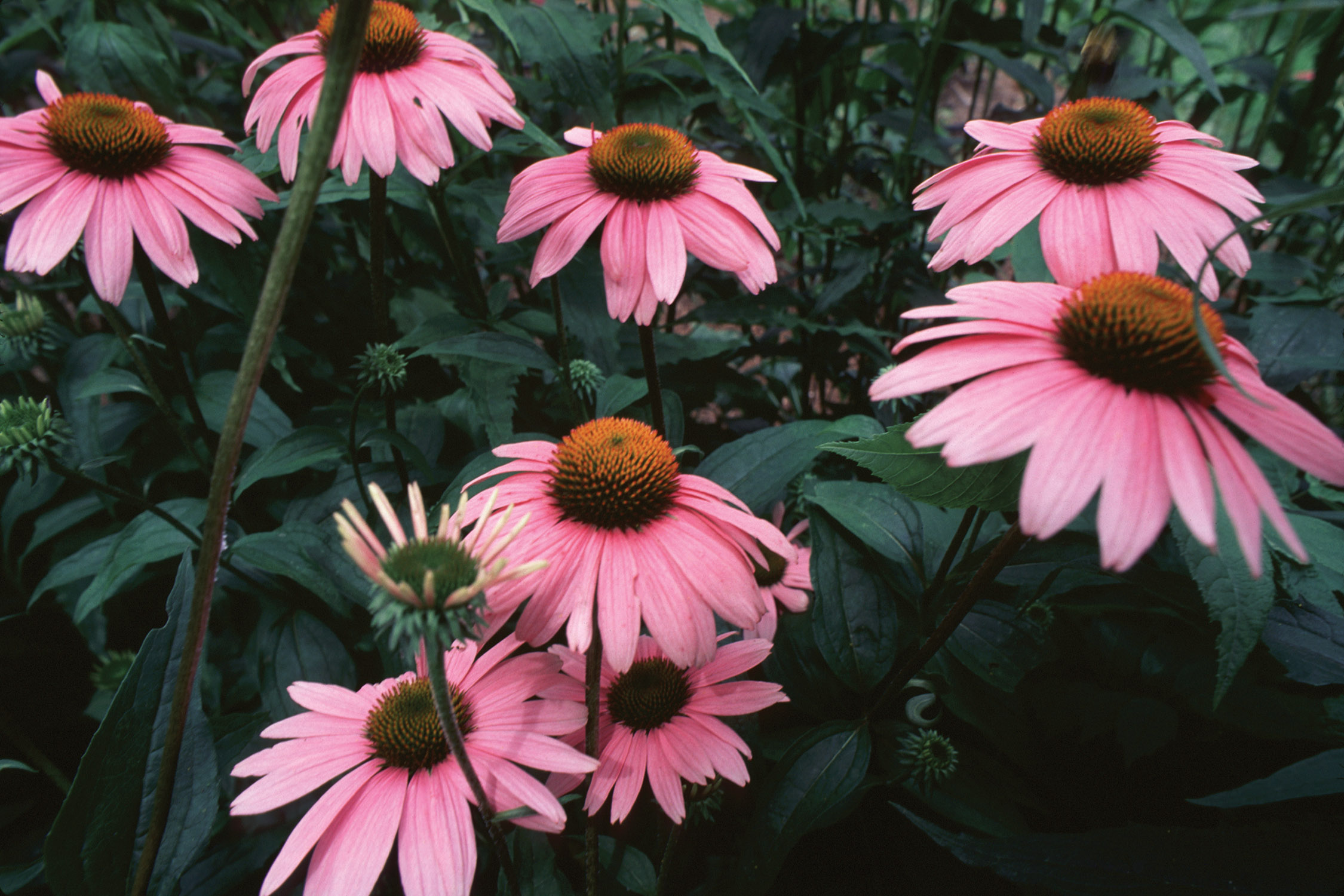
Echinacea is primarily recognized for its potential immune-boosting properties, particularly in preventing or alleviating colds and respiratory infections. However, its role in promoting relaxation or calming effects is not as well documented. The calming effects of echinacea may vary based on individual responses and the specific type of echinacea used. Some users report feeling more relaxed and less anxious after taking echinacea, while others may not experience noticeable calming effects.
Echinacea's Composition and Effects
Echinacea contains various active compounds, such as flavonoids, phenolic acids, and polysaccharides, which can influence the body in several ways.
- Anti-inflammatory properties: Some components of echinacea have anti-inflammatory effects that may help reduce stress-related inflammation.
- Immune modulation: Echinacea's role in enhancing immune response may indirectly contribute to a sense of well-being.
- Potential relaxation: While not explicitly studied as a calming herb, some users report feeling less anxious after taking echinacea.
Research on Echinacea and Anxiety
Scientific studies specifically addressing echinacea's effects on anxiety and stress are limited. Most research focuses on its immunological benefits rather than psychological effects.
- Lack of robust studies: Few clinical trials have investigated echinacea's direct impact on anxiety or stress levels.
- User testimonials: Some anecdotal evidence exists, where individuals claim a calming effect from echinacea.
- Need for further research: More comprehensive studies are required to validate any claims regarding echinacea's soothing effects.
Alternative Uses of Echinacea
Echinacea is often used for various purposes beyond its potential calming effects.
- Immune support: Primarily used to enhance immune function during cold and flu seasons.
- Antioxidant properties: The herb contains antioxidants that may help well-being indirectly by reducing oxidative stress.
- Topical applications: Some people use echinacea in lotions and ointments for its anti-inflammatory benefits on the skin.
Dosage and Administration
The way echinacea is consumed may influence its effects, including potential calming effects.
See also:
- Forms of echinacea: Available as teas, capsules, tinctures, and extracts.
- Dosing guidelines: Typical doses vary, but following recommended guidelines is essential for safety and efficacy.
- Consultation with professionals: It's advisable to consult with a healthcare provider before starting any echinacea regimen, especially if anxiety is a concern.
Possible Side Effects and Precautions
While echinacea is generally considered safe, it's crucial to be aware of potential side effects and interactions.
- Allergic reactions: Some individuals may experience allergies, especially those with allergies to other plants.
- Gastrointestinal discomfort: In some cases, echinacea can cause stomach upset or nausea.
- Interactions with medications: Echinacea may interact with certain medications, particularly immunosuppressants.
How does echinacea make you feel?
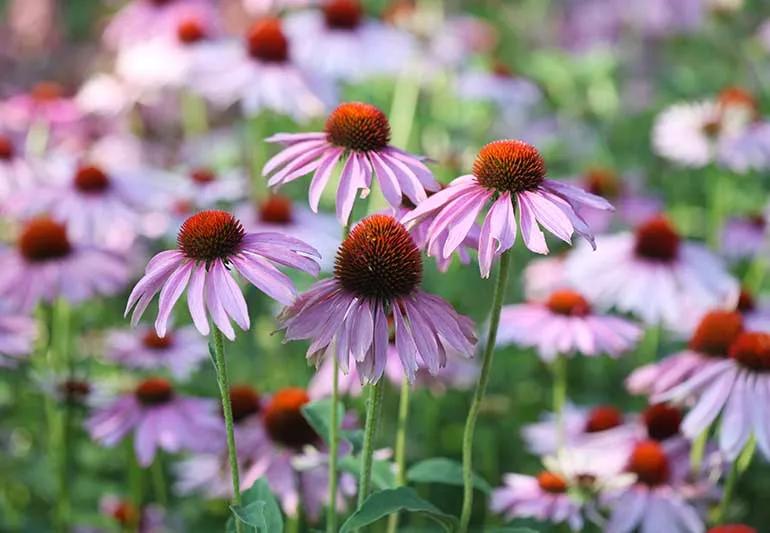
Echinacea is commonly known as a herb that may have various effects on the body, particularly in relation to boosting the immune system and influencing feelings of well-being. Many people associate the use of echinacea with enhancements in mood and overall health, particularly when they are under the weather. Below is a detailed exploration of how echinacea can make you feel.
Immune Support
Echinacea is widely recognized for its potential to support the immune system. Taking echinacea might make you feel more energized and healthy as it aims to bolster your natural defenses. This feeling of well-being can stem from the herb's active compounds that may enhance the immune response.
- Activation of white blood cells, which play a crucial role in fighting infections.
- Potential reduction in the duration and severity of cold symptoms.
- A sense of relief when experiencing seasonal ailments or respiratory issues.
Reduction in Stress and Anxiety
Some users report that echinacea may have anxiolytic properties, contributing to an overall sense of calm and reduction in stress. This feeling can be particularly beneficial during periods of illness or heightened anxiety where emotional well-being is compromised.
- Improved mood as the body combats stress due to illness.
- Potential balancing effect that can contribute to emotional stability.
- Feelings of relaxation improving mental focus during recovery.
Fighting Fatigue
When dealing with illness, fatigue can be a significant drawback. Echinacea may aid in reducing feelings of tiredness and increasing your energy levels. As a result, you might feel more motivated to carry out daily activities, even when you're unwell.
- Enhanced vitality through immune support leading to less time in bed.
- Potential mental clarity improving productivity.
- Encouragement to engage socially and partake in normal life despite sickness.
Natural Relief from Symptoms
Many people take echinacea to alleviate symptoms associated with colds or flu. This relief contributes to an overall feeling of comfort and wellness during recovery, enhancing emotional and physical states.
- Lessening of throat discomfort promoting better mood.
- Reduction of nasal congestion leading to easier breathing.
- Potential decrease in headache severity, enhancing comfort levels.
General Well-Being
Echinacea can contribute to a sense of general well-being that is often sought after during times of illness. The herb may help stabilize energy levels, improve emotional health, and ultimately foster a greater sense of comfort and contentment.
- Holistic effects encompassing both mental and physical health.
- Positive associations of wellness with natural remedies.
- A feeling of empowerment in managing one’s health through herbal support.
Is echinacea sedative?
Echinacea is widely known for its use in herbal medicine, particularly for its potential to boost the immune system and combat respiratory infections. However, when it comes to its sedative properties, the evidence is less clear. Echinacea is not specifically classified as a sedative. Instead, it is primarily known for its anti-inflammatory and immune-enhancing effects. Some users report feeling more relaxed when using echinacea, but this effect is not universally acknowledged nor scientifically proven.
Studies suggest that echinacea may influence the central nervous system, but this does not equate to sedative properties. The extent to which it can help with anxiety or sleep-related issues is still a subject of ongoing research.
Understanding Echinacea's Effects on the Body
Echinacea primarily acts as an immunomodulator, which means it helps regulate the immune system. Its effects on the body include:
- Boosting immune response: Echinacea can enhance the activity of white blood cells.
- Reducing inflammation: It contains compounds that have anti-inflammatory effects.
- Containing antioxidants: Echinacea is rich in antioxidants that help to combat oxidative stress.
Common Uses of Echinacea
Echinacea is commonly used for various health purposes, some of which include:
See also:
- Preventing colds: Many people take echinacea to reduce the duration and severity of colds.
- Relieving upper respiratory infections: It may help alleviate symptoms of infections.
- Promoting overall wellness: Users often take it to enhance their general health.
Potential Side Effects of Echinacea
While many people take echinacea without significant issues, some potential side effects include:
- Allergic reactions: Individuals allergic to plants in the daisy family may experience reactions.
- Digestive upset: Some users report nausea or upset stomach.
- Fatigue: Rarely, echinacea can cause tiredness in certain individuals.
Comparison with Other Herbal Sedatives
Echinacea is often compared to other herbs known for their sedative effects. Some key differences are:
- Chamomile: Known for its calming properties, chamomile is often used specifically for sleep.
- Valerian root: Valerian is a well-recognized sedative that can help with anxiety and sleep disorders.
- Lavender: Commonly used in aromatherapy, lavender is known for its calming effects.
Research on Echinacea and Sedation
The research surrounding echinacea's sedative effects is limited. Key points include:
- Animal studies: Some studies suggest that echinacea may affect the central nervous system in animals.
- Human studies lacking: There is a lack of rigorous clinical trials to support the sedative claims.
- Subjective reports: Many users describe a feeling of relaxation, but this is anecdotal.
Is it bad to take echinacea at night?
Echinacea is a popular herbal supplement often used to boost the immune system and fight off colds and infections. While there is no concrete evidence suggesting it is specifically harmful to take echinacea at night, several factors should be considered when deciding the best time to take this supplement.
Factors Influencing Echinacea Timing
Taking echinacea at night may not be inherently bad, but several factors can influence whether it is suitable for you:
- Personal Sensitivity: Some individuals may experience mild side effects from echinacea, such as insomnia or restlessness, which could affect sleep.
- Stomach Sensitivity: Echinacea may cause stomach upset in some people, so taking it at night could potentially disturb sleep due to discomfort.
- Intended Use: If using echinacea for cold prevention, daytime use may be more beneficial when the body is under higher exposure to pathogens.
Potential Side Effects
While echinacea is generally considered safe, it can cause some side effects, particularly when taken at night. Side effects may include:
- Allergic Reactions: Some individuals, especially those allergic to plants in the daisy family, may experience allergic responses.
- Gastrointestinal Issues: Nausea or upset stomach might occur, causing discomfort that could interfere with sleep.
- Insomnia: Though uncommon, some users report feeling wired or alert, which could disrupt normal sleep patterns.
Interaction with Other Medications
It is essential to consider any medications you might be taking, as echinacea can interact with certain drugs. These interactions can have a greater impact if taken at night:
- Immune Suppressants: Echinacea may reduce the effectiveness of medications that suppress the immune system.
- Anticoagulants: Echinacea could potentially affect blood clotting, which is especially concerning for those on blood thinners.
- Antidepressants: Some studies suggest echinacea may interfere with the metabolism of certain antidepressants.
Dosage Recommendations
The timing of echinacea can also depend on its dilution and dose:
- Standard Dosage: Most studies suggest taking 300-500 mg of echinacea extract, typically in divided doses throughout the day.
- Consistent Use: For optimal immune support, regular daytime dosing is recommended rather than a single nighttime dose.
- Formulation: The form of echinacea (tablets, tinctures, teas) can affect absorption and effectiveness, which is an important consideration for nighttime usage.
Alternative Recommendations
If you are considering using echinacea primarily for nighttime ailments, there are alternative recommendations to improve efficacy:
- Herbal Teas: Certain herbal teas (like chamomile) may be more beneficial for promoting relaxation and sleep.
- Sleep Aids: Supplements specifically formulated for sleep, like melatonin, may provide better results for nighttime use.
- Segmented Dosing: If opting to take echinacea at night, consider splitting the dose to combine with another immune-supportive herb.
Questions from Our Readers
Does echinacea have a calming effect?
Echinacea is primarily known for its immune-boosting properties rather than for having a calming effect. While some individuals may experience a sense of relaxation when taking it, this is not widely supported by scientific evidence. Its primary use is to help combat colds and infections rather than to calm nerves or anxiety.
Can echinacea help with anxiety?
There is limited research directly linking echinacea to anxiety relief. Most studies focus on its role in supporting the immune system rather than its potential effects on anxiety or mental health. If you are seeking natural remedies for anxiety, other herbs might be more appropriate.
See also:
Are there any side effects of echinacea?
While echinacea is generally considered safe for most people, it can cause allergic reactions or gastrointestinal upset in some individuals. It's important to consult with a healthcare provider before starting any new supplement, especially if you have pre-existing conditions or are taking other medications.
How should echinacea be taken to experience its effects?
Echinacea can be taken in various forms, including teas, capsules, and tinctures. For optimal benefits, it's typically recommended to start taking echinacea at the first sign of illness, and the dosage may vary depending on the product. Always follow the label instructions or your healthcare provider's recommendations for the best results.

If you want to read more articles like Unlocking the Truth: Does Echinacea Have a Calming Effect on Anxiety and Stress?, we recommend you check out our Echinacea category.
Leave a Reply
Related Articles