Understanding If Will Echinacea Reseed Itself? Tips for Gardeners

Echinacea, commonly known as coneflower, is a beloved perennial known for its vibrant blooms and resilience in various garden environments. However, gardeners often find themselves wondering if these hardy plants will reseed themselves effectively. Understanding the characteristics of echinacea's lifecycle is essential for successful gardening. This article delves into the factors that influence whether echinacea will self-seed, providing tips and strategies for gardeners to encourage or manage this process. From soil conditions to pollinator interactions, we’ll explore how you can ensure a thriving echinacea patch that continues to flourish season after season.
Will Echinacea Reseed Itself?
Echinacea, commonly known as coneflower, is a resilient perennial plant that has gained popularity for both its ornamental and medicinal properties. One of the intriguing aspects of growing Echinacea is its ability to self-seed. While Echinacea can reseed itself under optimal conditions, such as favorable climate, soil, and care, it is not guaranteed. The seeds typically require exposure to cold to germinate and may not always produce offspring that resemble the parent plant, especially in hybrid varieties. Gardeners can enhance the likelihood of reseeding by allowing the spent flowers to remain in place until after they have dried, thereby giving the seeds a chance to disperse naturally.
Understanding Echinacea's Life Cycle
Echinacea follows a typical perennial life cycle, which includes germination, vegetative growth, flowering, and seed production. Once established, the plants will thrive for several years, and during the late summer to early fall, they produce flowers that attract pollinators. After flowering, the plants develop seed heads that can either be collected or left for natural dispersal. Understanding this cycle is crucial for gardeners hoping to see Echinacea reseed successfully.
Conditions for Successful Reseeding
For Echinacea to effectively reseed itself, it requires optimal growing conditions. This includes well-draining soil, adequate sunlight, and proper moisture levels. The seeds benefit from a cold stratification process, which simulates winter conditions and prepares them for successful germination in spring. If the environmental conditions are too harsh, such as extreme heat or drought, the seeds may not germinate or thrive.
Types of Echinacea and Their Reseeding Ability
Different species and cultivars of Echinacea exhibit varied tendencies toward self-seeding. Traditional varieties, such as Echinacea purpurea, are more likely to reseed compared to hybrids, which may produce offspring that deviate significantly from the parent plant traits. Gardeners interested in preserving particular traits should be cautious and may consider deadheading to prevent unintended hybridization or the spread of less desirable characteristics.
Maintaining a Healthy Echinacea Patch
To encourage reseeding and maintain a healthy Echinacea patch, it's important to focus on plant care practices. This includes regular watering, especially during dry periods, and applying mulch to retain soil moisture. Additionally, ensuring that plants are free from pests and diseases will promote growth and increase the chances of successful self-seeding. Regularly checking the plants for signs of stress can also help optimize their health.
Harvesting and Using Echinacea Seeds
For those interested in propagating Echinacea, harvesting seeds from mature plants is a viable option. Once the seed heads have dried and turned brown, they can be cut off and stored in a cool, dry place. It's essential to label the seeds properly, as different varieties may produce different characteristics. When planting the seeds, adhering to the recommended planting depth and ensuring they receive the necessary cold treatment will enhance germination success rates.
| Factor | Effect on Reseeding |
|---|---|
| Soil Type | Well-draining soils encourage germination and survival. |
| Climate | Moderate climates with cold winters support natural seed dormancy. |
| Plant Care | Regular maintenance promotes healthy plants that produce viable seeds. |
| Species | Native species are more likely to reseed than hybrids. |
| Deadheading | Restricting seed production can limit self-seeding opportunities. |
Do Echinacea reseed themselves?

Echinacea, commonly known as coneflower, is a popular plant in many gardens due to its vibrant blooms and potential health benefits. One of the questions that often arises among gardeners is whether Echinacea plants can reseed themselves.
Echinacea does indeed have the capability to reseed themselves. When the flowers bloom and mature, they produce seeds that can fall to the ground and germinate in the following seasons. However, the success of this self-seeding depends on several factors, including environmental conditions and garden maintenance practices. If conditions are favorable, such as appropriate moisture and light, new plants can emerge from these seeds, effectively propagating themselves without the need for human intervention.
Benefits of Echinacea Reseeding
Echinacea’s ability to reseed offers various advantages to gardeners and nature enthusiasts:
- Low Maintenance: Once established, Echinacea can thrive with minimal care as natural reseeding helps maintain plant populations.
- Cost Efficiency: Gardeners can expand their Echinacea beds without purchasing new plants, creating a more economical gardening experience.
- Promotes Biodiversity: Reseeding supports local ecosystems, allowing native pollinators and wildlife to benefit from the additional plants.
Ideal Conditions for Self-Seeding
For Echinacea to effectively reseed, certain conditions must be met:
- Soil Quality: A well-draining soil that is rich in organic matter promotes healthy seed germination.
- Moisture: Adequate rainfall or watering ensures that seeds have the necessary moisture to sprout.
- Sunlight: Echinacea thrives in full sun, so ensure the area where they grow receives ample sunlight for the new plants to develop.
Factors Affecting Reseeding Success
Several factors can influence the success rate of natural reseeding in Echinacea plants:
- Competition: Other plants may compete for nutrients and space, potentially hindering Echinacea seed germination.
- Predators: Birds and other wildlife may eat the seeds before they have the chance to germinate.
- Environmental Changes: Sudden changes in climate or soil conditions can impact the viability of the seeds.
Planting Echinacea for Better Reseeding
Encouraging better reseeding can often be achieved by following certain planting practices:
- Spacing: Give Echinacea adequate spacing to reduce competition and facilitate better air circulation.
- Mulching: Applying a layer of mulch can help retain moisture and protect seeds from environmental stress.
- Avoiding Deadheading: Letting the flowers go to seed rather than cutting them back promotes natural seed dispersal.
Common Varieties of Echinacea Known for Reseeding
Various Echinacea species and cultivars are particularly renowned for their reseeding capabilities:
See also:
- Echinacea purpurea: Known as the purple coneflower, it is one of the most common and prolific reseeders.
- Echinacea pallida: The pale coneflower also exhibits good self-seeding characteristics.
- Echinacea tennesseensis: This species can self-seed effectively in suitable conditions.
Does Echinacea spread on its own?
Echinacea, a popular herb known for its potential health benefits, including immune support, does indeed have the ability to spread on its own. This is primarily due to its growth characteristics and reproduction methods.
How Echinacea Spreads
Echinacea can spread through both seed dispersal and plant propagation. The seeds can be dispersed by wind, water, and animals, leading to the establishment of new plants in different areas, while the plants can also propagate themselves through underground rhizomes or roots.
- Seed Dispersal: Once the flowers of Echinacea mature, they produce seeds that can be blown away by the wind or carried by birds and other animals that consume the seeds.
- Vegetative Propagation: Echinacea plants can spread through rhizomes, which are underground stems that allow the plant to form new shoots and roots in various locations.
- Natural Growth Conditions: In the right environmental conditions, Echinacea can grow vigorously and establish colonies, as the seeds germinate readily in suitable soils.
Environmental Factors Affecting Spread
Echinacea prefers well-drained soils and abundant sunlight. These factors significantly influence its ability to spread effectively.
- Soil Type: Echinacea thrives in sandy or loamy soils, which allow for better root establishment and access to nutrients.
- Light Requirements: Full sun exposure is crucial for optimal growth; insufficient light can stunt the plants' ability to produce flowers and seeds.
- Moisture Levels: While Echinacea is drought-tolerant, consistent moisture during the growing season enhances seed production and overall vigor.
Management of Echinacea Spread
For gardeners and landscapers, it’s essential to manage the spread of Echinacea, especially if it’s planted in a garden where control over plant populations is desired.
- Controlling Seed Distribution: To prevent Echinacea from spreading uncontrollably, gardeners can deadhead flowers before they go to seed.
- Regular Maintenance: Periodic division and removal of excess plants can help manage their spread and maintain the desired density in a cultivated garden.
- Using Barriers: In some cases, gardeners may implement barriers to prevent Echinacea from encroaching on specific areas, especially if it competes with other plants.
Propagation Techniques
While Echinacea can spread on its own, gardeners often utilize various propagation techniques to encourage specific growth patterns or to establish new plants.
- Seed Starting: Collecting and planting seeds in controlled conditions can help in creating a focused planting area.
- Root Division: Dividing mature Echinacea plants allows for the creation of multiple new plants from a single established plant.
- Transplanting Seedlings: When seedlings are grown indoors or in a nursery, they can be transplanted to the desired garden location for better control over their spread.
Common Misconceptions About Echinacea Spread
Several misconceptions exist regarding the spread of Echinacea, particularly concerning its invasiveness and growth behavior.
- Invasiveness: Echinacea is not typically considered an invasive species; however, it can expand its range under favorable conditions.
- Only Grows in Wild: Some believe Echinacea only thrives in wild habitats, but it can be successfully cultivated in gardens.
- Requires Special Care: While Echinacea benefits from good conditions, it’s relatively low-maintenance once established, contrary to some beliefs.
Can I just scatter coneflower seeds?

Yes, you can scatter coneflower seeds, but there are some important considerations to ensure the best chance of successful germination and growth. Coneflowers, known scientifically as Echinacea, thrive in full sun and well-drained soil. Here’s how to do it effectively:
1. Timing: The best time to scatter coneflower seeds is during the fall or early spring. This allows the seeds to undergo natural stratification, which is crucial for germination.
2. Preparation: Before scattering the seeds, prepare the soil by removing weeds and debris. This step helps reduce competition for your coneflower seedlings.
3. Seed Depth: Make sure to plant the seeds at an appropriate depth of about 1/4 inch. Even though you can scatter them, lightly covering them with soil improves their chances of germination.
4. Watering: After scattering the seeds, gently water the area without flooding it. Moisture is vital for helping the seeds sprout.
5. Patience: Finally, be patient. Coneflower seeds can take a few weeks to germinate, and it’s important to maintain the right conditions for them.
See also:
Best Time to Plant Coneflower Seeds
The timing for planting coneflower seeds is crucial for successful germination. The optimal periods are:
- Fall: Planting in the fall allows seeds to prepare for winter and sprout in the spring.
- Spring: Early spring planting works well, but ensure that the soil temperature is warm enough for germination.
- Late Winter: Some gardeners prefer to start seeds indoors in late winter, then transplant them once conditions are favorable.
Soil Requirements for Coneflowers
Coneflowers prefer specific soil conditions for optimal growth. Key soil requirements include:
- Well-drained soil: Excess moisture can lead to rot, so ensure good drainage.
- Loamy texture: A mix of sand, silt, and clay enhances moisture retention while providing necessary drainage.
- pH levels: Aim for a slightly acidic to neutral pH (6.0 to 7.0) for the best growth.
Light Conditions for Germination
Coneflowers thrive in full sunlight, which is vital for their growth. Important light considerations:
- Full Sunlight: Aim for at least 6 hours of direct sunlight each day to ensure robust plants.
- Partial Shade: While coneflowers can tolerate partial shade, full sun will yield better blooming results.
- Avoid Dark Areas: Avoid areas that are consistently shaded, as this can hinder germination and growth.
Watering Techniques After Scattering
Proper watering after scattering seeds is essential for their success. Consider the following techniques:
- Gentle Sprinkling: Use a fine spray to avoid displacing seeds; soaking the area can create puddles that wash seeds away.
- Consistent Moisture: Keep the soil consistently moist but not soggy. A plant moisture meter can help gauge this.
- Avoid Overwatering: Too much water can lead to mold and poor germination, which you should strictly watch out for.
Common Challenges with Coneflower Seeds
Despite their resilience, coneflower seeds face common challenges that can affect their growth. These include:
- Pests: Keep an eye out for insects that may eat the seeds or seedlings.
- Weeds: Weeds can outcompete coneflower seedlings for nutrients and water, so regular maintenance is essential.
- Weather Variability: Extreme cold or drought can impair seed germination; be prepared to protect seeds from harsh conditions.
Will Echinacea come back next year?
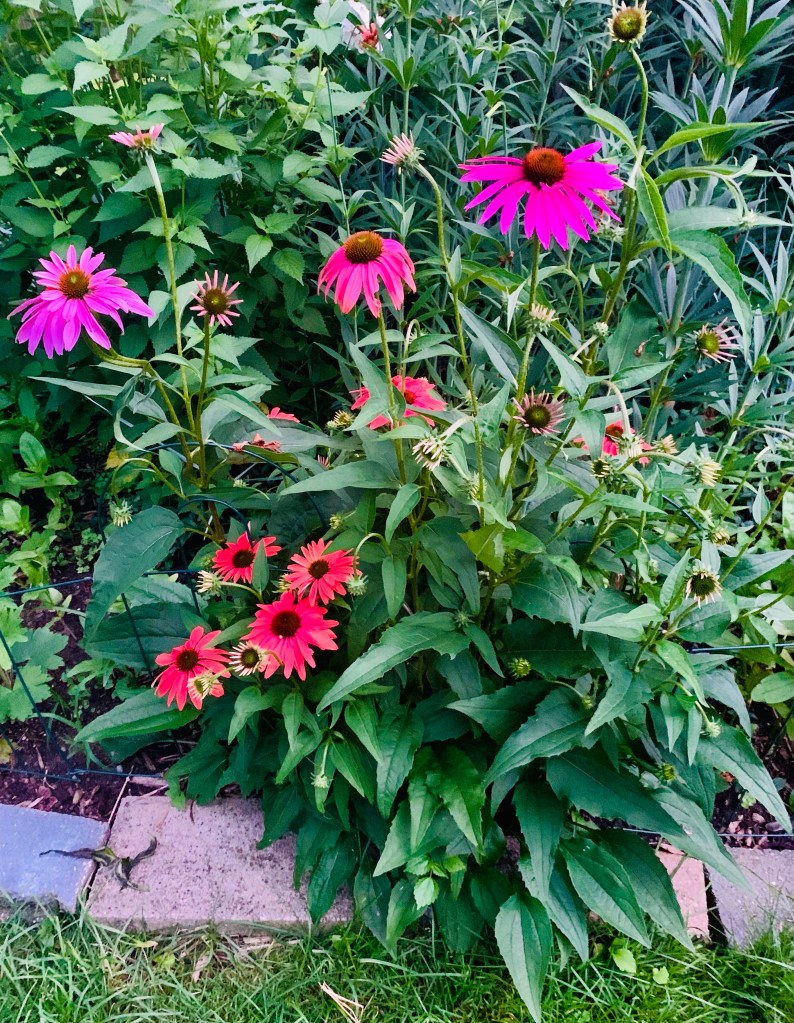
Echinacea, commonly known for its potential immune-boosting properties, is a perennial plant that can return each year, depending on several factors. The ability of Echinacea to return next year largely depends on its growing conditions, care, and overall health during the current season. If you have properly cared for your Echinacea plants, they are likely to come back.
Factors Influencing Echinacea's Return
The return of Echinacea can be influenced by multiple factors, including climate, soil conditions, and plant care. Each of these factors can either promote or inhibit the growth of this herbaceous perennial.
- Climate: Echinacea plants thrive in USDA Hardiness Zones 3 through 9. Extremely cold winters or lack of adequate sunlight can affect their ability to survive.
- Soil Conditions: Well-drained soil that is rich in organic matter is essential. Compacted or poor-quality soil may hinder root development.
- Care Practices: Regular watering, mulching, and deadheading can promote a healthy plant. Neglect may lead to a lack of vigor in the following growing season.
Signs of Healthy Echinacea Plants
To ensure that your Echinacea will return, you should regularly check for signs of vitality. Healthy plants often exhibit a few distinct characteristics that indicate their ability to thrive in the following year.
- Lush Foliage: Green, healthy leaves are a good indicator of a robust plant.
- Flowering: Abundant blooms during the growing season may suggest a healthy plant capable of overwintering.
- Root System: A well-developed root system is crucial for Echinacea to survive winter. You may consider checking the roots if possible.
Best Practices for Maintaining Echinacea
Caring for Echinacea properly enhances its chances of returning next year. Implementing certain practices can keep the plants healthy and strong.
- Watering: Ensure the plants receive adequate water, especially during dry spells, without allowing the soil to become waterlogged.
- Fertilization: Use organic fertilizers to promote healthy growth, particularly in the spring.
- Pruning: Deadheading spent flowers can encourage more blooms and reduce seed production, which can deplete plant energy.
Pests and Diseases Affecting Echinacea
Echinacea can be prone to various pests and diseases that may compromise its ability to return. Being vigilant about these issues is crucial.
- Powdery Mildew: A fungal disease that can affect the leaves and decrease vigor, powdery mildew can be managed by ensuring proper air circulation.
- Aphids: These pests can damage Echinacea by sucking sap; they should be controlled with insecticidal soap or by encouraging natural predators.
- Root Rot: Caused by overwatering or poor drainage, it can kill the plant. Ensure that the soil is well-drained to prevent this condition.
Regional Considerations for Echinacea
The geographical location can significantly impact whether Echinacea will return. Different regions may have varying climates that influence plant survival.
- Hardiness Zone: Knowing your hardiness zone helps determine if Echinacea is suitable for your area and its likelihood of returning.
- Regional Weather Patterns: Unusual weather patterns, such as an exceptionally harsh winter or prolonged drought, can affect plant survival rates.
- Local Ecology: The presence of native plants and ecosystems can support or hinder Echinacea growth, depending on competition for resources.
Questions from Our Readers
Will Echinacea reseed itself?
Yes, Echinacea can indeed reseed itself in the right conditions. When the flowers mature and produce seeds, they can fall to the ground, where they may germinate the following year. However, the success of reseeding often depends on factors such as soil quality, moisture, and sunlight.
How long does it take for Echinacea seeds to germinate?
Echinacea seeds typically take about 10 to 14 days to germinate under optimal conditions. Keeping the soil moist and providing ample light can enhance the chances of successful germination after planting.
What conditions are best for Echinacea to reseed?
For Echinacea to successfully reseed, it thrives best in well-drained soils, exposed to full sunlight for at least six hours a day. Additionally, it's essential to maintain adequate moisture without waterlogging the soil, as this promotes seed viability.
See also:
Can I help Echinacea reseed in my garden?
You can assist in the reseeding process by allowing the flowers to die back naturally and not removing spent blooms too early. Additionally, you can cultivate the soil lightly around the plant after seed drop to increase seed-to-soil contact, improving the chances of successful germination.

If you want to read more articles like Understanding If Will Echinacea Reseed Itself? Tips for Gardeners, we recommend you check out our Echinacea category.
Leave a Reply
Related Articles