Is it Safe to Have Echinacea Every Day? A Comprehensive Guide to Benefits and Risks

Echinacea, a popular herbal remedy, is often hailed for its potential health benefits, particularly in boosting the immune system and preventing colds. However, the question arises: is it safe to consume Echinacea daily? This comprehensive guide delves into the benefits and risks associated with daily Echinacea use, examining scientific research and expert opinions. We will explore its effects on the immune response, potential side effects, and interactions with other medications. By the end of this article, you'll be well-informed to make a decision about incorporating Echinacea into your daily routine.
Is It Safe to Have Echinacea Every Day?
Echinacea, a popular herbal supplement known for its potential immune-boosting properties, is often taken to help prevent colds and other upper respiratory infections. While moderate use of echinacea is generally considered safe for most people, consuming it daily over extended periods may lead to potential side effects, particularly for individuals with certain allergies or autoimmune conditions. Extended daily use can increase the risk of gastrointestinal disturbances or adverse interactions with other medications. It is always advisable to consult with a healthcare provider before starting any new supplement regimen, especially for prolonged periods.
Potential Benefits of Daily Echinacea Use
Daily consumption of echinacea may provide several benefits, primarily related to its immune-enhancing properties. Regular intake can help bolster the body's defenses against infections, particularly during seasonal changes when colds are more prevalent. Some studies suggest that it may reduce the duration and severity of upper respiratory infections, making it a favored choice for many seeking natural remedies.
Possible Side Effects of Echinacea
Although considered safe for many, echinacea can cause side effects in some individuals. Commonly reported side effects include nausea, stomach pain, and allergic reactions such as skin rashes. Those who are allergic to plants in the daisy family, such as ragweed, should exercise caution, as they may be more susceptible to these adverse reactions. It is essential to monitor your body’s response when introducing this supplement into your daily routine.
Interactions with Other Medications
Echinacea may interact with certain medications, particularly those that affect the immune system or are metabolized by the liver. For example, it can potentially enhance the effects of immunosuppressive drugs, potentially leading to unwanted consequences. Individuals on medications like anticoagulants or who are undergoing treatments for chronic illnesses should consult their healthcare providers before using echinacea to avoid any serious interactions.
Who Should Avoid Echinacea?
While many individuals can safely consume echinacea, certain groups should avoid it. Those with autoimmune disorders, such as lupus or rheumatoid arthritis, may experience exacerbated symptoms due to echinacea’s immune-stimulating properties. Additionally, pregnant or breastfeeding women, as well as individuals with allergies to daisy family plants, are also advised to refrain from using this supplement to ensure their safety.
Recommended Dosage and Duration
Experts recommend adhering to the dosage instructions provided by manufacturers or healthcare professionals when taking echinacea. Although variations exist, common dosages range from 300 to 500 mg of extract taken two to three times daily. For those considering daily use, it's often advised not to exceed 8 weeks without a break to reduce the risk of potential side effects and maintain the supplement's efficacy.
| Aspect | Details |
|---|---|
| Potential Benefits | Supports immune function, may reduce infection severity. |
| Side Effects | Nausea, stomach pain, allergic reactions. |
| Drug Interactions | Possible interactions with immune suppressants and anticoagulants. |
| At-Risk Groups | Individuals with autoimmune disorders, allergies to daisies. |
| Dosage Recommendations | 300-500 mg two to three times daily for up to 8 weeks. |
How many days in a row can I take echinacea?
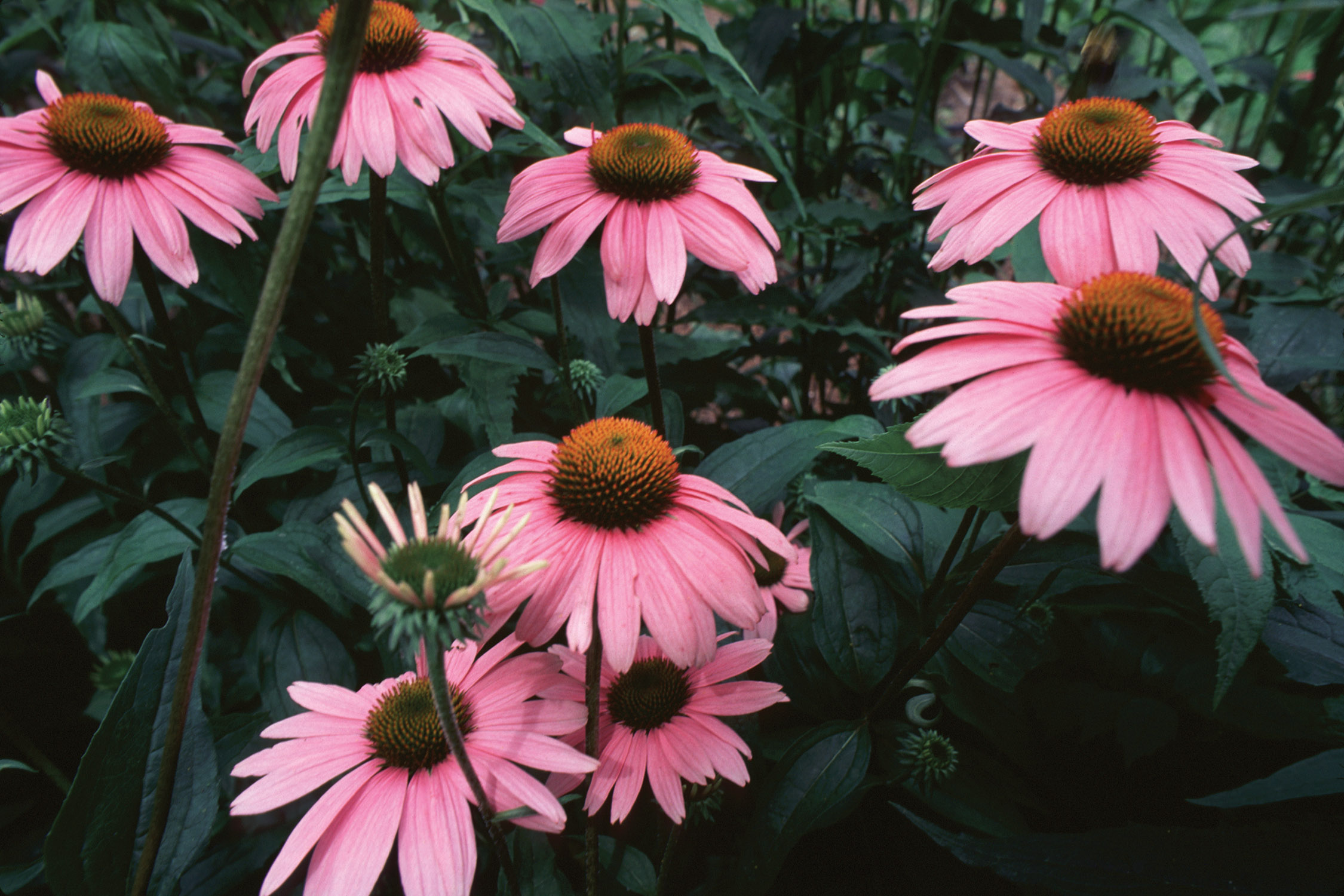
Echinacea is generally considered safe for short-term use, but it's important to understand how long you can take it in succession. Typically, echinacea can be taken for up to eight weeks continuously. After this period, it is generally recommended to take a break for a few weeks before resuming its use.
Here are some considerations regarding the duration of echinacea use:
Effects of Long-Term Use
Prolonged use of echinacea may lead to potential side effects or diminished effectiveness. It’s crucial to monitor your body’s response to the herb. Possible effects include:
- Allergic Reactions: Some individuals may experience allergic responses, particularly when using echinacea derived from certain plants.
- Immune System Impact: Prolonged use could potentially alter immune response activity.
- Gastrointestinal Distress: Some users report nausea or stomach upset after extended usage.
Recommended Dosage
When taking echinacea, it is important to follow recommended dosages to avoid adverse effects. Typical dosages may include:
- Standard Tincture: 2-4 ml three times a day.
- Dried Herbal Extract: 300 mg to 500 mg three times per day.
- Tea Preparation: Consuming 2-3 cups daily.
Guidelines for Use
When considering the use of echinacea, there are guidelines to follow for safe consumption:
- Consult a Healthcare Provider: Always consult with a healthcare professional before beginning any new supplement, especially if you are on medication.
- Monitor Symptoms: Keep track of any changes in your health status or any potential side effects.
- Take Breaks: After a cycle of usage, it is advisable to take breaks to maintain effectiveness.
Potential Benefits of Echinacea
Echinacea is often used for its potential health benefits which include:
- Immune Support: Many users take echinacea to boost immune system function, particularly during cold seasons.
- Reduced Duration of Colds: Some studies suggest that echinacea may help to shorten the length of colds.
- Anti-Inflammatory Effects: Echinacea may exhibit anti-inflammatory properties, potentially alleviating symptoms related to infections.
Alternative Uses of Echinacea
Apart from immune health, echinacea may offer other benefits. These include:
See also:
- Skin Health: Echinacea is sometimes used topically for treating wounds and skin conditions.
- Respiratory Health: It may aid in relieving symptoms of respiratory tract infections.
- Antioxidant Properties: Echinacea contains antioxidants that help defend against oxidative stress.
Is echinacea a good daily supplement?
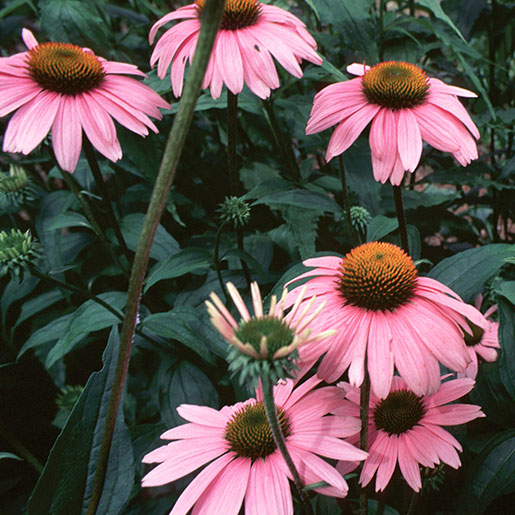
Echinacea is a popular herbal supplement often used for its purported benefits in strengthening the immune system and preventing colds and other infections. While some studies suggest that echinacea may help to reduce the duration and severity of colds, its effectiveness as a daily supplement remains a subject of discussion among health professionals. Here are several points to consider when evaluating the use of echinacea as a daily supplement.
Benefits of Echinacea
Echinacea is commonly associated with several potential benefits, particularly concerning the immune system. Some of the reported advantages include:
- Immune Support: Echinacea is believed to enhance the overall function of the immune system, potentially decreasing the likelihood of infections.
- Cold Symptom Relief: Some studies indicate that echinacea may reduce the severity and duration of cold symptoms.
- Anti-Inflammatory Properties: Echinacea may possess anti-inflammatory effects that can aid in alleviating symptoms associated with various health conditions.
Research on Echinacea
The scientific community has produced mixed results regarding the efficacy of echinacea as a daily supplement. Although some studies show a positive effect, others indicate little to no impact. Research findings often include:
- Inconsistent Results: Many studies have varying methodologies, making it difficult to draw definitive conclusions.
- Potential Placebo Effect: Some individuals may experience benefits due to a placebo effect rather than the herb itself.
- Need for Further Studies: More comprehensive clinical trials are needed to establish its effectiveness conclusively.
Dosage and Forms
Echinacea is available in various forms, such as capsules, tinctures, teas, and extracts. The appropriate dosage can depend on the specific product and individual health status. Important considerations are:
- Recommended Dosages: Typical daily dosages can range from 300 mg to 600 mg, depending on the formulation.
- Forms of Echinacea: Capsules, tinctures, and teas may have different bioavailability and dosing recommendations.
- Individual Variation: Effectiveness and safety can vary based on individual health conditions and other medications being taken.
Side Effects and Interactions
Echinacea is generally well-tolerated but may cause side effects in some individuals. Possible adverse effects and interactions include:
- Allergic Reactions: People allergic to flowers in the daisy family may experience allergic reactions.
- Potential Drug Interactions: Echinacea may interact with certain medications, including immunosuppressants.
- Gastrointestinal Issues: Some users report mild stomach upset or nausea when taking echinacea.
Who Should Avoid Echinacea?
While echinacea is widely considered safe for most individuals, certain groups should avoid its use. Those who should proceed with caution include:
- Individuals with Autoimmune Diseases: Echinacea may stimulate the immune system, potentially exacerbating symptoms.
- Pregnant and Nursing Women: There is insufficient research on the safety of echinacea during pregnancy and lactation.
- Children: Consult with a healthcare provider before administering echinacea to children, as guidance on appropriate dosing is limited.
What are the symptoms of too much echinacea?
The symptoms of too much echinacea can vary significantly depending on the individual and the dosage consumed. While echinacea is generally considered safe for most people when taken as directed, excessive intake can lead to a variety of adverse reactions. Here are some common symptoms associated with overconsumption of echinacea:
- Nausea and Vomiting: One of the immediate reactions to taking too much echinacea can be gastrointestinal distress. This may manifest as feelings of nausea followed by vomiting.
- Diarrhea: High doses of echinacea can upset the digestive system, resulting in diarrhea. This can lead to dehydration if not addressed promptly.
- Allergic Reactions: Those who are allergic to plants in the Asteraceae family (such as daisies and ragweed) may experience an allergic reaction characterized by itching, rash, or swelling.
- Headaches: Some individuals may experience headaches after consuming too much echinacea, possibly due to the herb's stimulating effects or dehydration.
- Dizziness or Confusion: Excessive intake may lead to feelings of dizziness or confusion, which can be alarming and may require medical attention.
Gastrointestinal Issues
Excessive consumption of echinacea can lead to a range of gastrointestinal issues. These problems arise due to the herb's strong compounds which might irritate the stomach lining. Symptoms can include:
- Nausea: A common response to overconsumption.
- Vomiting: May occur as a defense mechanism of the body.
- Diarrhea: Resulting from digestive upset.
Allergic Reactions
An allergic reaction can be a serious concern for those taking too much echinacea, especially if they have a history of plant allergies. Signs of an allergic response may include:
- Rashes: Skin may become irritated or develop hives.
- Itching: A common symptom of an allergic response.
- Swelling: Particularly around the face, lips, or throat, which can be serious.
Headaches
Headaches can occur as a side effect of taking too much echinacea. This may be linked to dehydration or the body's reaction to the active ingredients in echinacea. Possible headache-related symptoms include:
- Pulsating pain: Can vary in intensity.
- Sensitivity to light: May accompany headaches.
- Nausea: Often occurs alongside headaches.
Dizziness and Confusion
Excess intake of echinacea can lead to dizziness or a feeling of confusion. These neurological symptoms may result from:
- Dehydration: Resulting from gastrointestinal symptoms.
- Electrolyte imbalance: Due to excessive diarrhea or vomiting.
- Interference with medication: Echinacea can affect the metabolism of certain drugs.
Long-term Effects
Regularly exceeding the recommended dosage of echinacea can lead to long-term effects, especially on the liver and immune system. Concerns include:
See also:
- Liver damage: Excessive herbs can put stress on liver function.
- Immune system overload: Overstimulation can lead to immune dysfunction.
- Chronic gastrointestinal issues: Persistent digestive disturbances may occur.
How much echinacea is safe per day?
Echinacea is a popular herbal supplement often used to boost the immune system and reduce the duration of colds. When considering how much Echinacea is safe to consume per day, it is important to refer to guidelines and recommendations based on current research and expert opinions.
Recommended Dosage for Adults
The recommended dosage of Echinacea varies depending on the form of the supplement (e.g., liquid extract, capsule, tea). Generally, the following dosages are considered safe:
- Echinacea capsules: 300 mg to 500 mg, taken 2 to 3 times daily.
- Echinacea tincture: 2 to 3 mL of a standardized tincture, taken 3 times a day.
- Echinacea tea: 1-2 teaspoons of dried herb steeped in hot water, consumed 2-3 times daily.
It is advisable to consult with a healthcare professional before starting any new supplement regimen.
Echinacea Safety in Special Populations
Certain populations may need to exercise caution when using Echinacea. These include:
- Pregnant and breastfeeding women: Safety hasn't been fully established, so it's recommended to avoid Echinacea.
- Individuals with allergies: Those allergic to plants in the Asteraceae family should be cautious.
- People with autoimmune conditions: Echinacea may stimulate the immune system, which could exacerbate symptoms.
Professional advice is crucial for these groups.
Duration of Use
The duration for which Echinacea can be safely taken varies:
- Short-term use: Echinacea is typically recommended for short periods, especially during cold and flu season.
- Long-term use: Extended use is not usually advised due to the potential for side effects and diminishing effectiveness.
- Break periods: It is often suggested to take breaks after 8 weeks of continuous use to avoid tolerance.
Monitoring your body’s response during supplementation is important.
Potential Side Effects
While Echinacea is generally considered safe, it can have side effects, including:
- Gastrointestinal issues: Nausea, vomiting, or diarrhea may occur.
- Allergic reactions: Skin rashes or respiratory difficulty in sensitive individuals.
- Headaches: Some users report headaches as a side effect.
If experiencing adverse effects, it's essential to discontinue use and seek advice from a healthcare provider.
Interactions with Medications
Echinacea may interact with various medications, making it essential to consider:
- Immunosuppressants: Echinacea may counteract the effects of these medications.
- Blood thinners: There’s potential for increased bleeding risk.
- Other herbal supplements: Always check for interactions if taking multiple supplements or prescriptions.
Consultation with a healthcare professional is recommended before combining Echinacea with other treatments.
Questions from Our Readers
Is it safe to take echinacea every day?
It is generally considered safe for most people to take echinacea daily for a limited period of time. However, long-term use is not recommended, as it may lead to potential side effects or diminished effectiveness. Always consult with a healthcare provider before starting any new supplement regimen.
What are the potential side effects of daily echinacea use?
Using echinacea daily can result in side effects such as upset stomach, rash, or allergic reactions, particularly in individuals with allergies to plants in the daisy family. It's crucial to monitor your body's response and discontinue use if any adverse effects arise.
Can everyone take echinacea every day?
While many people can safely use echinacea, those with certain health conditions—such as autoimmune diseases or severe allergies—should approach it with caution. Pregnant or breastfeeding women should also discuss its use with their healthcare provider to ensure safety.
See also:
How long should echinacea be taken for effectiveness?
Echinacea is typically recommended for short-term use, about 7 to 10 days at a time, particularly during cold season or when feeling unwell. Continuous daily use beyond this period may not provide additional benefits and could pose health risks.

If you want to read more articles like Is it Safe to Have Echinacea Every Day? A Comprehensive Guide to Benefits and Risks, we recommend you check out our Echinacea category.
Leave a Reply
Related Articles