Which is More Effective, Elderberry or Echinacea? A Comprehensive Comparison and Guide
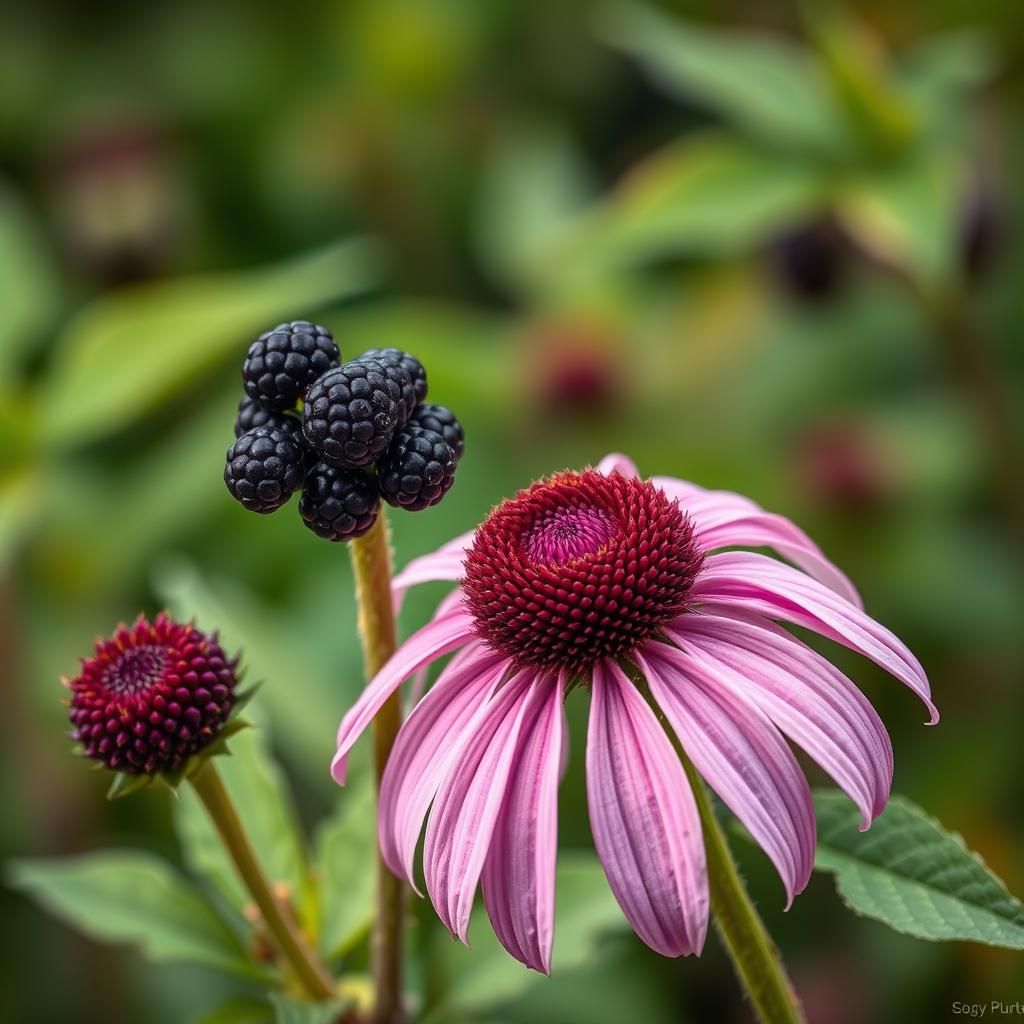
Elderberry and echinacea are two popular herbal remedies widely used for their immune-boosting properties. With a rich history in traditional medicine, both have garnered attention for their potential to alleviate symptoms of colds and flu. Yet, many people wonder which of the two is more effective in enhancing immunity and providing relief. This comprehensive comparison aims to explore the scientific evidence behind elderberry and echinacea, examining their mechanisms of action, benefits, and potential side effects. By the end, readers will gain a clearer understanding of which remedy may best suit their health needs, helping them make informed decisions.
Which is More Effective: Elderberry or Echinacea?
Both elderberry and echinacea have been widely studied for their potential benefits in supporting the immune system, particularly during cold and flu season. Research indicates that elderberry may help reduce the duration and severity of cold and flu symptoms due to its rich antioxidant properties and ability to inhibit viral replication. In contrast, echinacea is often used as a preventative measure, believed to enhance the body's immune response. While both have their merits, the effectiveness can vary depending on the individual and the specific health issue being addressed, leading to ongoing debates in the natural health community regarding which herb is truly superior in effectiveness.
Understanding Elderberry
Elderberry, specifically from the Sambucus tree, is rich in antioxidants and vitamins that are thought to bolster the immune system. Studies have shown that elderberry extracts can reduce the duration of a cold by inhibiting the influenza virus and have anti-inflammatory effects. Additionally, elderberry is often consumed in syrup form or as a supplement, and it is considered safe for most people, making it a popular choice during the cold months.
Understanding Echinacea
Echinacea is a flowering plant from the Asteraceae family, commonly used as an herbal supplement for its immune-boosting properties. Research suggests that echinacea stimulates the activity of white blood cells, thereby enhancing the body’s ability to fight off infections. Most commonly consumed as tea or capsules, echinacea is believed to shorten the duration of colds and respiratory infections, though results can be inconsistent among different studies.
Comparative Effectiveness
When comparing the effectiveness of elderberry and echinacea, it's essential to note that both have shown positive results in various studies, but their mechanisms of action differ. Elderberry tends to focus on combating viruses once an infection is present, while echinacea is more preventive, aiming to bolster the immune system to prevent infections altogether. Individual responses may vary, and some may find one herb more effective than the other based on personal health history and specific symptoms.
Potential Side Effects
Both elderberry and echinacea are generally considered safe when used appropriately, but they can have potential side effects. Elderberry should be consumed cooked, as raw elderberries may be toxic. Echinacea can sometimes cause allergic reactions or gastrointestinal upset in sensitive individuals. It’s crucial to consult with a healthcare provider before starting any herbal regimen, especially for those with underlying health conditions or who are pregnant or breastfeeding.
Usage Recommendations
For those unsure of which herb to choose, considering individual health needs and preferences is vital. Elderberry is often recommended during the onset of cold or flu symptoms, while echinacea may be better for those looking to prevent illness. Dosages can vary greatly between different products and brands; thus, careful attention to product labels and, if necessary, guidance from a healthcare professional is advisable.
| Herb | Primary Use | Mechanism | Common Forms |
|---|---|---|---|
| Elderberry | Symptom Relief | Antiviral Effects | Syrup, Capsules |
| Echinacea | Prevention | Immune Enhancement | Tea, Capsules |
What is stronger than elderberry?
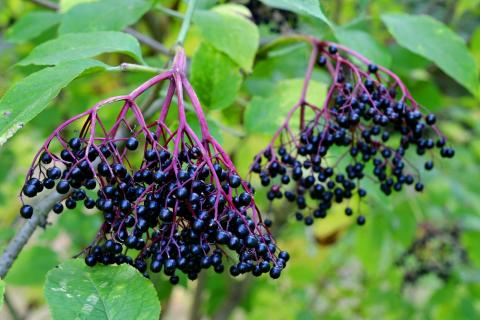
Elderberry is well-known for its antioxidant properties and immune-boosting capabilities, but there are several other natural substances that may possess even stronger health benefits. These alternatives often contain higher levels of specific compounds that can enhance their effectiveness in various aspects of health maintenance, particularly in bolstering the immune system and combating illnesses.
1. Echinacea
Echinacea is a powerful herb that is often used to enhance the immune system and fight infections. It is particularly renowned for its ability to shorten the duration and severity of colds and flu. The bioactive compounds found in Echinacea, including alkamides and cichoric acid, can stimulate immune function more effectively than elderberry.
- Contains strong anti-inflammatory properties.
- Boosts immune function by increasing white blood cell production.
- May reduce the risk of respiratory infections.
2. Astragalus Root
Astragalus root is a traditional Chinese herb that has been used for centuries to strengthen the immune system and improve overall health. It is particularly noted for its ability to combat fatigue and enhance vitality. The polysaccharides and flavonoids in Astragalus may provide a more robust defense against pathogens compared to elderberry.
- Promotes longevity by supporting cellular health.
- Enhances the body's resistance to stress.
- Has potential anti-cancer properties.
3. Garlic
Garlic is not only a flavorful culinary ingredient but also a potent health booster. With its active component allicin, garlic exhibits powerful antimicrobial and antiviral properties. Studies suggest that garlic may help prevent colds and flu by enhancing immune response, making it a stronger option than elderberry in some respects.
See also:
- Acts as a natural antibiotic.
- Helps to lower blood pressure and cholesterol levels.
- Supports cardiovascular health and circulation.
4. Reishi Mushroom
Reishi mushrooms, often referred to as the mushroom of immortality, are renowned for their health-boosting properties. They contain various bioactive compounds, such as triterpenes and polysaccharides, which have shown profound effects on the immune system, promoting stronger responses than those induced by elderberry.
- Enhances immune function through the modulation of immune cells.
- May help to reduce anxiety and improve sleep quality.
- Has anti-inflammatory properties that aid in chronic disease prevention.
5. Turmeric
Turmeric is celebrated for its anti-inflammatory and antioxidant benefits, primarily due to its active compound, curcumin. This potent substance can outmatch elderberry in terms of inflammation reduction and overall immune support. Its ability to combat inflammatory diseases makes it a valuable addition to health regimens.
- Reduces inflammation throughout the body.
- May help with chronic pain relief.
- Supports brain health and cognitive function.
Does elderberry really boost the immune system?
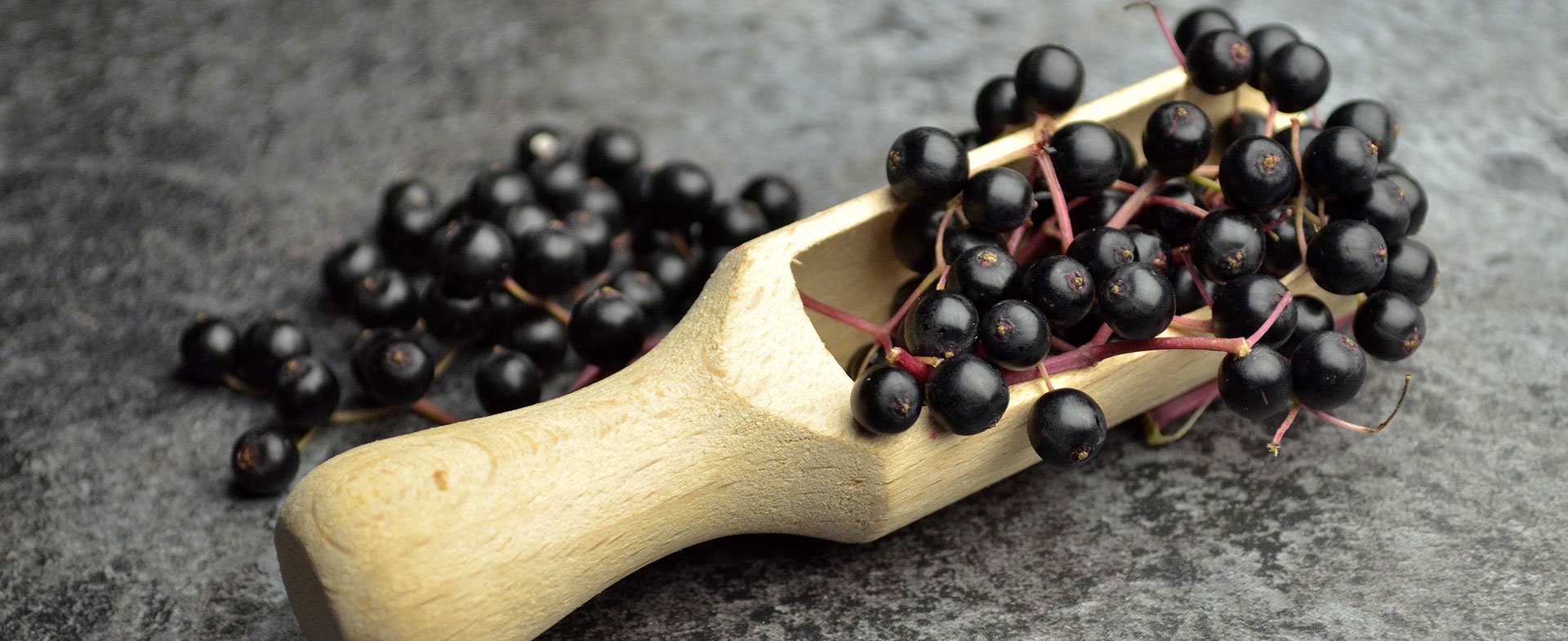
Elderberry, specifically the Sambucus nigra species, has gained popularity as a natural remedy, particularly for its alleged ability to boost the immune system. Numerous studies suggest that elderberry may enhance immune function, but the extent and mechanisms of these effects require a deeper examination.
How Does Elderberry Affect the Immune System?
Elderberry is rich in antioxidants, particularly flavonoids and phenolic acids, which contribute significantly to its potential immune-boosting properties. These compounds help neutralize harmful free radicals in the body, thereby reducing oxidative stress and promoting overall health. Some studies indicate that elderberry extracts can increase the production of cytokines, which are vital for signaling in the immune response.
- Antioxidant properties combat oxidative stress.
- Enhancement of cytokine production facilitates immune signaling.
- Potential antiviral effects help the body fight off infections.
Scientific Evidence Supporting Elderberry’s Efficacy
Several scientific studies have examined the effects of elderberry on immune health. For instance, a study published in the “Journal of International Medical Research” found that elderberry syrup decreased the duration and severity of flu symptoms. Moreover, another double-blind, placebo-controlled trial showed significant reductions in flu-like symptoms when elderberry was used within the first 48 hours of symptom onset. However, it is essential to note that while these findings are promising, further research is still needed.
- Studies have shown reduced flu symptoms and duration.
- Results from controlled trials indicate efficacy when taken early.
- Additional research is necessary to confirm these effects.
Forms of Elderberry and Their Health Benefits
Elderberry is available in various forms, including syrups, capsules, gummies, and teas. Each form may offer different benefits depending on how they are processed and the suggested dosage. Syrups and gummies are popular for their taste and convenience, while capsules tend to deliver a more concentrated dose.
- Syrups provide a palatable way to consume elderberry.
- Capsules offer a concentrated, precise dosage.
- Teas may harness the soothing properties of elderberry leaves and flowers.
Recommended Dosages and Safety Considerations
While elderberry is generally considered safe for most individuals when consumed in moderation, it is crucial to follow recommended dosages based on the form used. For syrups, dosages typically range from 1 to 2 tablespoons per day for adults. However, consuming raw elderberries or other parts of the plant, such as leaves and seeds, can be toxic. Consulting with a healthcare provider is advisable if you have underlying health conditions or are pregnant.
- Moderation is key to avoid adverse effects.
- Follow dosage guidelines for specific elderberry products.
- Seek medical advice if you have health concerns.
Potential Side Effects and Interactions
While elderberry is mostly safe, some potential side effects could include gastrointestinal upset, allergic reactions, or interactions with existing medications, particularly immunosuppressants. It is vital that individuals consult with healthcare professionals before incorporating elderberry into their routine, especially for those with specific health conditions or those taking medications.
- Possible gastrointestinal discomfort.
- Risk of allergic reactions in sensitive individuals.
- Interactions with medications necessitate a consultation.
What is better, echinacea or elderberry?

Echinacea: Benefits and Uses
Echinacea is a flowering plant that is commonly used in herbal medicine, particularly for its potential ability to boost the immune system. It is often taken to help prevent colds and other infections. The active compounds in echinacea include polysaccharides, glycoproteins, and alkamides, which may work synergistically to enhance immune response.
- Immune Support: Echinacea is believed to stimulate the production of white blood cells, helping the body fight off infections.
- Anti-inflammatory Properties: Some studies suggest that echinacea may reduce inflammation, which can contribute to various health conditions.
- Reduction of Cold Symptoms: Research indicates that echinacea may help shorten the duration of colds and alleviate symptoms.
Elderberry: Benefits and Uses
Elderberry, particularly the European elder (Sambucus nigra), is well-known for its dark berries and flowers that have become popular supplements for cold and flu relief. The primary components of elderberry include anthocyanins, which are powerful antioxidants that combat oxidative stress and may help modulate the immune system.
See also:
- Rich in Antioxidants: Elderberry is packed with vitamins and antioxidants, which play a significant role in fighting free radicals.
- Supports Respiratory Health: Elderberry may help alleviate symptoms of colds and flu, including fever, cough, and congestion.
- Potential Anti-Viral Effects: Some studies suggest that elderberry may inhibit the replication of certain viruses, potentially speeding up recovery.
Comparative Effectiveness of Echinacea and Elderberry
When comparing echinacea and elderberry, it is essential to consider their mechanisms and effectiveness in supporting immune health. Echinacea is traditionally recognized for increasing white blood cell production, while elderberry is primarily praised for its antiviral properties and its potential to manage symptoms related to colds and flu.
- Mechanism of Action: Echinacea primarily boosts immune functions, while elderberry directly targets viral replication.
- Usage Context: Echinacea is effective for prevention and management, while elderberry is often utilized post-onset of symptoms.
- Overall Efficacy: Effectiveness may vary from person to person based on individual health needs and existing conditions.
Side Effects and Considerations
Both echinacea and elderberry are generally regarded as safe when used appropriately, but they can have side effects or interact with medications. It's crucial to be aware of allergic reactions, dosage recommendations, and individual health conditions before starting either supplement.
- Allergic Reactions: Some individuals may be allergic to echinacea, and they should avoid it.
- Possible Interactions: Both supplements can interact with certain medications, particularly immunosuppressants.
- Dosage Variability: The effectiveness and safety of both supplements can vary widely based on form and dosage.
Conclusion: Choosing Between Echinacea and Elderberry
When choosing between echinacea and elderberry, your decision should be based on your specific health goals and needs. Whether you aim for immune support, symptom relief, or preventive measures, understanding the unique properties of each supplement is crucial for effective use.
Can you take elderberry and echinacea at the same time?

Yes, you can take elderberry and echinacea at the same time, as there are no known significant interactions between the two. Both are herbal supplements commonly used to support the immune system, especially during cold and flu season. However, it's essential to consider personal health conditions, potential allergic reactions, and dosage recommendations when combining these supplements.
What is Elderberry?
Elderberry, derived from the berries of the Sambucus plant, is known for its potential health benefits, particularly in supporting the immune system. It is rich in vitamins, antioxidants, and has been traditionally used to treat colds and flu. The active compounds in elderberry may help reduce the duration of these illnesses.
- Nutritional Value: Elderberries are high in vitamins C and A.
- Antioxidant Properties: These berries are rich in antioxidants, which help combat oxidative stress.
- Immune Support: Elderberry may enhance immune response, making it a popular choice during cold and flu season.
What is Echinacea?
Echinacea is a flowering plant commonly used for its immune-boosting properties. Often taken in supplement form, its principal use is to prevent or treat respiratory infections. Echinacea may help stimulate the immune system and has anti-inflammatory properties.
- Types of Echinacea: There are three main species used in supplements: Echinacea purpurea, Echinacea angustifolia, and Echinacea pallida.
- Uses: Commonly used to reduce the severity and duration of colds and flu.
- Forms: Available in various forms including tea, capsules, and tinctures.
Benefits of Taking Elderberry and Echinacea Together
Combining elderberry and echinacea may offer complementary benefits for immune support. While elderberry helps reduce symptoms and duration of widespread viral infections, echinacea can enhance overall immune function. This combination aims to provide synergistic effects during illness.
- Comprehensive Immune Support: They may work together to bolster the immune response.
- Symptom Relief: Elderberry helps in alleviating symptoms, while echinacea may prevent further infections.
- Holistic Approach: Utilizing both can provide a more balanced approach to health, especially during cold seasons.
Safety and Dosage Considerations
When considering taking elderberry and echinacea together, it's crucial to adhere to recommended dosages. Both supplements can have side effects and contraindications, particularly for certain populations such as pregnant women or individuals with autoimmune diseases. Consulting with a healthcare professional before combining them is advisable.
- Dose Recommendations: Follow the dosage instructions on the supplement labels or as recommended by a healthcare provider.
- Potential Side Effects: Both can cause digestive disturbances or allergic reactions in some individuals.
- Health Conditions to Consider: Those with allergies to plants in the daisy family should be cautious with echinacea.
Possible Interactions with Other Medications
Both elderberry and echinacea may interact with certain medications, which is an important consideration if you are taking other treatments. Elderberry may interfere with medications that suppress the immune system, while echinacea can affect the metabolism of specific drugs.
- Immunosuppressants: Elderberry might counteract the effects of medications that are meant to suppress the immune system.
- Anticoagulants: Echinacea can potentially interfere with blood-thinning medications.
- Consultation Recommended: Always discuss with a healthcare provider to prevent any unwanted interactions.
Questions from Our Readers
Which is more effective, elderberry or echinacea for boosting immune health?
Both elderberry and echinacea are popular herbs used to support the immune system, but their effectiveness can vary. Elderberry is often lauded for its ability to reduce the duration and severity of cold and flu symptoms, while echinacea may help in preventing respiratory infections. Ultimately, personal response may differ, and combining both could enhance overall immune support.
What are the main benefits of elderberry?
Elderberry is known for its high antioxidant content and has been shown to help combat viral infections, particularly influenza. Additionally, elderberry may reduce inflammation and has been associated with improving overall immune function, making it a favored choice during cold and flu seasons.
See also:
How does echinacea work in the body?
Echinacea primarily works by stimulating the immune system to fight off pathogens. It contains active compounds that may enhance the activity of white blood cells, helping the body respond more effectively to infections. Some studies suggest it might also shorten the duration of colds when taken proactively.
Can I use elderberry and echinacea together?
Yes, combining elderberry and echinacea is generally considered safe and may provide enhanced benefits for the immune system. Using them together can maximize their potential effects, as they target different aspects of immune support, making it a popular choice for those looking to bolster their defense against illnesses.

If you want to read more articles like Which is More Effective, Elderberry or Echinacea? A Comprehensive Comparison and Guide, we recommend you check out our Echinacea category.
Leave a Reply
Related Articles