Is the Echinacea Plant Poisonous? Unveiling the Truth About This Popular Herb
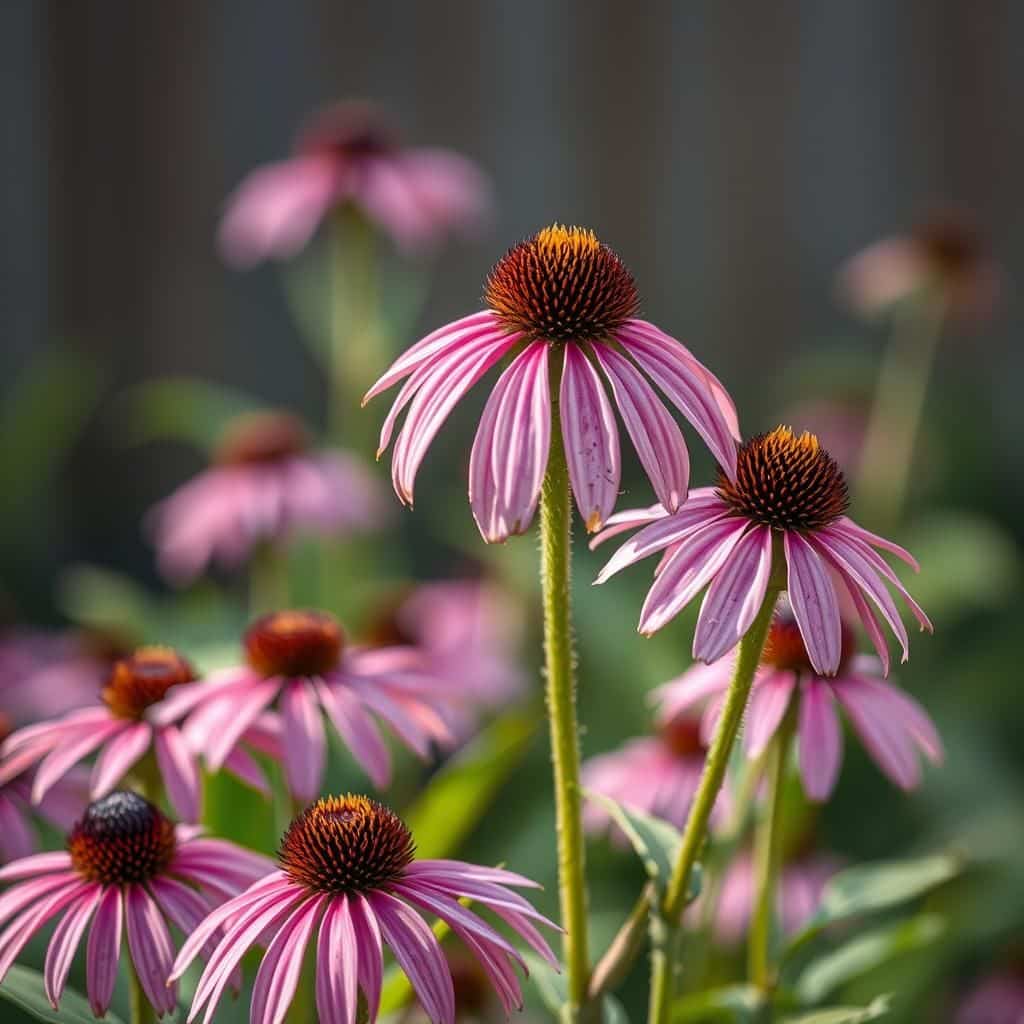
Echinacea is a well-known herb, often heralded for its potential health benefits, particularly in boosting the immune system. However, with the growing popularity of herbal remedies comes a surge of questions regarding their safety. One common query that arises is whether the Echinacea plant is poisonous. In this article, we will delve into the characteristics of the Echinacea plant, exploring its uses in traditional and modern medicine, as well as addressing the misconceptions surrounding its toxicity. By uncovering the truth about Echinacea, we aim to provide a clearer understanding of this popular herb and its place in natural health.
Is the Echinacea Plant Poisonous?
Echinacea, commonly known as cone flower, is widely recognized for its potential health benefits rather than any toxic properties. Studies and health reports indicate that Echinacea is generally considered safe for human consumption and is often utilized as an herbal remedy to support the immune system. While allergic reactions could occur in some individuals, particularly those allergic to plants in the daisy family, there is no substantial evidence to classify Echinacea as a poisonous plant. Therefore, it is primarily regarded as a beneficial herb rather than a harmful one.
Overview of Echinacea
Echinacea is a genus of flowering plants in the daisy family, Asteraceae, with several species used for medicinal purposes. It's native to North America and has been traditionally used by indigenous tribes for various ailments. Its most common species, Echinacea purpurea, is popular in herbal supplements and often believed to enhance the body’s natural defenses against colds and infections.
Potential Allergic Reactions
While Echinacea is largely safe for most people, those with allergies to plants in the daisy family (such as ragweed) may experience allergic reactions. Symptoms can include rash, difficulty breathing, or gastrointestinal distress. It is essential for individuals with such allergies to consult a healthcare professional before using Echinacea, as they may be at a heightened risk for hypersensitivity.
Proven Health Benefits
Numerous studies suggest that Echinacea can help reduce the duration and severity of common colds and may boost immune function. The plant contains several active compounds, including alkamides, glycoproteins, and polysaccharides, which are believed to contribute to its immune-enhancing properties. Because of these benefits, Echinacea is a popular choice in herbal medicine and is often recommended as a preventive treatment during cold and flu seasons.
Safety in Dosage
Echinacea is typically considered safe when used as directed, but it is crucial to adhere to recommended dosages. Excessive or prolonged use could lead to unwanted side effects, such as digestive problems or liver toxicity in rare cases. Most forms of Echinacea, including teas, capsules, and extracts, have specified dosages on their labels, which should be followed closely to minimize any risks.
Comparative Toxicity
In comparison to many common plants that have toxic properties, Echinacea is relatively safe. Unlike certain herbs that can be highly toxic or cause severe side effects, Echinacea does not appear on any lists of toxic plants. Its use in herbal medicine is well-supported, leading to its reputation as a gentle and effective remedy for enhancing health.
| Feature | Echinacea | Toxic Plants |
|---|---|---|
| Suggested Use | Immune Support | Varies by species |
| Allergic Reactions | Possible in sensitive individuals | Common in many species |
| General Safety | Generally safe | Risk of toxicity |
| Traditional Use | Herbal Remedies | Poisoning cases |
| Commercial Availability | Widespread | Regulated or restricted |
Is the entire echinacea plant edible?


The entire echinacea plant is technically edible, but it is important to differentiate how each part of the plant can be utilized and what effects it might have on health. Echinacea is widely known for its medicinal properties, particularly for supporting the immune system. However, certain parts of the plant have different uses and potencies.
Edible Parts of Echinacea
The various parts of the echinacea plant can be consumed, but they have differing flavors and medicinal values.
- Roots: Echinacea roots are often used to make teas and tinctures, renowned for their health benefits.
- Leaves: The leaves can be added to salads or used to make herbal infusions.
- Flowers: The petals of the flowers can be edible and are sometimes used as garnishes or for flavoring in various dishes.
Nutritional Value of Echinacea
While echinacea is primarily used for medicinal purposes, it does provide some nutritional value.
- Vitamins: Echinacea contains vitamins like A, C, and E, which are essential for overall health.
- Antioxidants: It is rich in antioxidants which help combat oxidative stress in the body.
- Minerals: Echinacea also contains minerals such as calcium and magnesium, contributing to its health benefits.
Potential Side Effects of Consuming Echinacea
While echinacea is generally safe for most people, consuming it in large quantities can lead to certain side effects.
- Allergic Reactions: Some individuals may experience allergic reactions, particularly those allergic to plants in the same family, such as ragweed.
- Digestive Issues: Overconsumption may lead to gastrointestinal upset or nausea in some people.
- Interactions: Echinacea may interact with certain medications, particularly immunosuppressive drugs.
Using Echinacea in Cooking
Incorporating echinacea into cooking can add unique flavors and health benefits, although it should be used cautiously.
- Herbal Teas: Echinacea roots and leaves can be brewed into herbal teas for their immune-boosting properties.
- Salads: Young leaves and flower petals can provide a colorful and nutritious addition to salads.
- Garnishes: The blossoms can serve as a visually appealing garnish on dishes, enhancing both flavor and aesthetics.
Preparation Methods for Echinacea
To fully enjoy the benefits of the echinacea plant, proper preparation methods are essential.
- Tinctures: Echinacea roots can be prepared as tinctures, extracting its beneficial compounds using alcohol.
- Infusions: Leaves and flowers can be made into infusions by steeping them in hot water.
- Powdered Form: Dried roots and leaves can be ground into powder and added to smoothies or capsules.
Can echinacea be harmful?
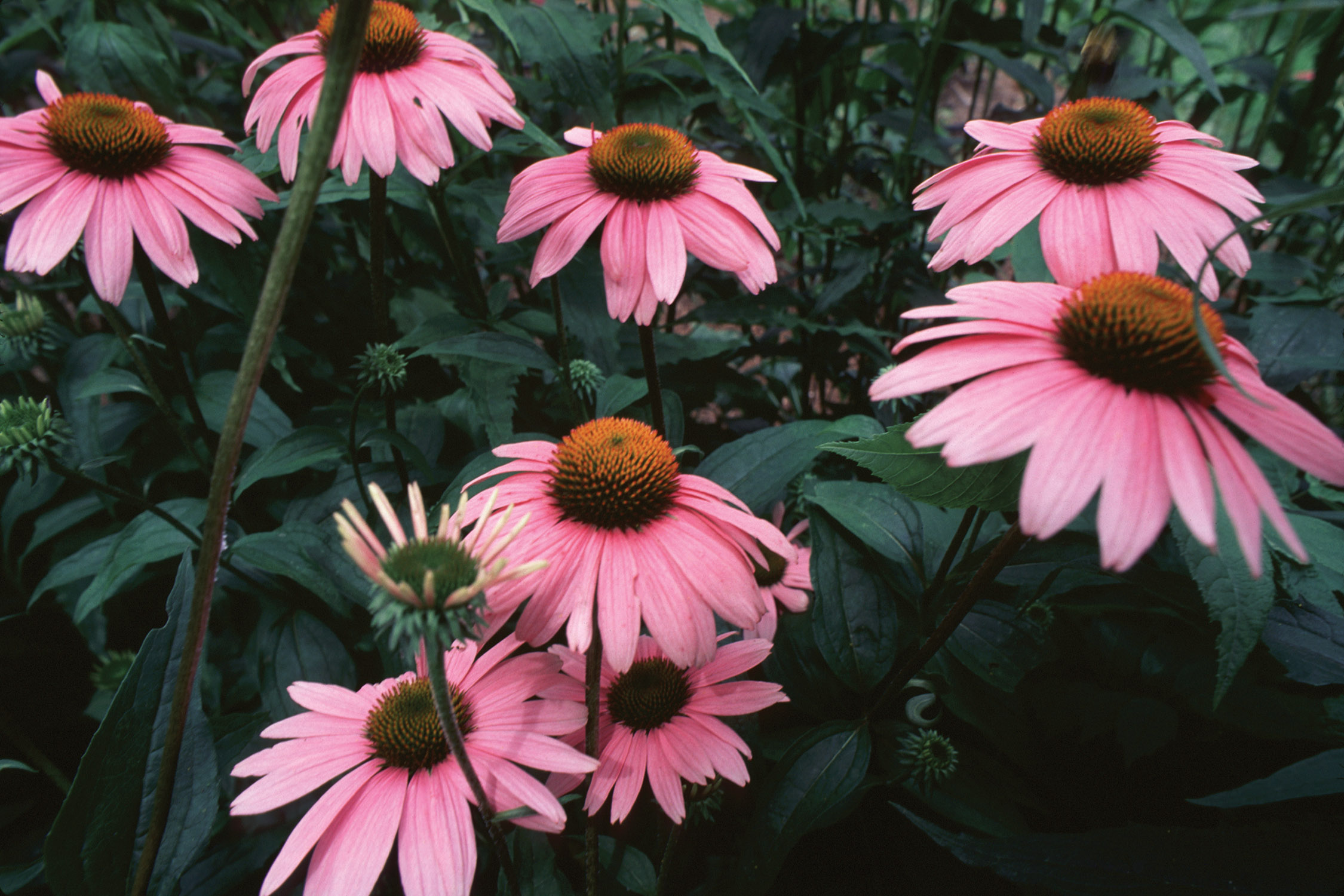
Echinacea, a popular herbal supplement often used to prevent or treat colds, is generally considered safe for most people when taken in appropriate doses. However, like any supplement, it can have potential side effects and interactions that may be harmful to certain individuals.
See also:
Potential Side Effects of Echinacea
Echinacea can cause side effects in some individuals, although they are usually mild. The most commonly reported reactions include:
- Allergic Reactions: Some people may experience allergic reactions such as rashes, difficulty breathing, or swelling.
- Gastrointestinal Issues: Nausea, diarrhea, or stomach pain can occur in some users.
- Fatigue: In rare cases, users have reported feelings of fatigue after taking echinacea.
Interactions with Medications
Echinacea may interact with various medications, which can lead to harmful effects. It is important for individuals to be aware of these interactions:
- Immune Suppressants: Echinacea may interfere with medications that suppress the immune system, potentially making them less effective.
- Anticoagulants: The herb could increase the risk of bleeding when taken with blood thinners.
- Anticonvulsants: Echinacea may decrease the effectiveness of certain seizure medications.
Who Should Avoid Echinacea?
Certain individuals may need to avoid echinacea due to potential health risks:
- Individuals with Allergies: Those who are allergic to plants in the daisy family may react adversely.
- Pregnant or Nursing Women: Safety during pregnancy and breastfeeding has not been established, and it is best to avoid echinacea.
- People with Autoimmune Disorders: Since echinacea stimulates the immune system, it may exacerbate conditions like lupus or multiple sclerosis.
Short-Term vs. Long-Term Use
The safety of echinacea also depends on the duration of its use.
- Short-Term Use: Generally considered safe for short-term use, especially for colds or flu symptoms.
- Long-Term Use: Prolonged use may lead to decreased effectiveness and potential side effects.
- Dosage Considerations: It is advisable to follow recommended dosages to avoid adverse effects.
Consulting Healthcare Professionals
It is crucial to consult with healthcare professionals before starting echinacea, especially for individuals with existing conditions:
- Medical History: Disclose all medical history and current medications to ensure safety.
- Current Health Conditions: Discuss any health conditions that may interact negatively with echinacea.
- Professional Guidance: Seek advice from a healthcare provider for personalized recommendations.
Questions from Our Readers
Is the Echinacea plant poisonous to humans?
The Echinacea plant is generally considered non-toxic to humans. While it is used widely as a herbal supplement, there are no reports of serious poisoning cases. However, some individuals may experience allergic reactions or mild side effects, so it's advisable to consult a healthcare professional before consuming it.
Can pets be harmed by Echinacea?
Echinacea is also non-toxic to most pets, including dogs and cats. However, it’s crucial to monitor your pet for any signs of discomfort or allergic reactions after ingestion. Always consult a veterinarian if you suspect your pet has consumed a significant amount or is showing unusual symptoms.
What should I do if someone ingests Echinacea in large quantities?
If someone ingests a large quantity of Echinacea, it is recommended to contact a poison control center or seek medical attention immediately. While severe toxicity is rare, prompt medical evaluation is important to ensure the safety and well-being of the individual.
See also:
Are there any side effects associated with Echinacea?
While Echinacea is regarded as safe for most people, some may experience mild side effects such as nausea, stomach upset, or rash. Individuals with allergies to plants in the daisy family should exercise caution and consult a healthcare provider for personalized advice regarding safety and potential interactions with other medications.

If you want to read more articles like Is the Echinacea Plant Poisonous? Unveiling the Truth About This Popular Herb, we recommend you check out our Echinacea category.
Leave a Reply
Related Articles