Where is the Best Place to Plant Hostas? Tips for Optimal Growth and Placement

When it comes to cultivating lush and vibrant hostas, choosing the right planting location is crucial for their success. These shade-loving perennials thrive in cool, moist environments, making their placement an essential factor in promoting optimal growth. In this article, we will explore the best spots to plant hostas, considering various environmental conditions such as sunlight, soil type, and moisture levels. By understanding the specific needs of your hostas, you can create a flourishing garden that showcases their stunning foliage and contributes to a serene and inviting outdoor space. Discover expert tips to help your hostas reach their full potential.
Where is the Best Place to Plant Hostas?
When choosing the best location to plant hostas, it's crucial to consider their preference for shade and moist, well-drained soil. Hostas thrive in areas that receive dappled sunlight or partial shade, ideally under the canopy of trees or alongside shaded structures. Additionally, they require rich, organic soil that retains moisture without becoming waterlogged, making mulch a beneficial addition. Placing hostas in too much direct sunlight can scorch their leaves, while insufficient light can stunt their growth. Therefore, the ideal spot is one that provides a balanced environment of shade and humidity.
Understanding Hostas' Light Requirements
Hostas generally prefer environments with partial shade to full shade. Direct sunlight can lead to leaf scorch, diminishing the plant's aesthetic appeal. Ideally, a location that receives morning sunlight and afternoon shade is optimal, as this allows sufficient light for growth while avoiding the midday burn. Understanding their light requirements is essential for promoting vigorous growth and vibrant foliage.
Soil Composition for Optimal Growth
The best soil for hostas is rich in organic matter, ensuring proper drainage while retaining moisture. Incorporating materials such as compost or aged manure can enhance soil fertility and structure. Hostas thrive in a slightly acidic to neutral pH range of 6.0 to 7.0. Testing and amending your soil can greatly improve the health and proliferation of your hostas.
Watering Needs and Moisture Levels
Hostas require consistent moisture to thrive, particularly during dry spells. However, overwatering can lead to root rot, so the key is maintaining a balance. It's advisable to water hostas deeply but infrequently, allowing the soil to dry slightly between waterings. Using a mulch layer can help retain soil moisture and reduce competition from weeds.
Considering Companions for Hostas
When selecting companion plants for hostas, it's essential to choose species that share a preference for shaded conditions and moist, well-drained soils. Plants such as ferns, astilbes, and bleeding hearts complement hostas beautifully while maintaining similar environmental needs, enhancing the overall aesthetic of your garden. This thoughtful planning can create a harmonious and vibrant display.
Assessing Space and Placement
When planting hostas, it's vital to consider their mature size and spacing. Depending on the variety, hostas can range from small, compact types to larger, more sprawling forms. Aim to space the plants according to their anticipated mature width, ensuring adequate airflow and light, which can reduce disease risk and promote healthy growth.
| Aspect | Optimal Condition |
|---|---|
| Light Requirements | Partial Shade to Full Shade |
| Soil Type | Rich, Organic Matter |
| Moisture | Consistently Moist, Well-Drained |
| Companion Plants | Ferns, Astilbes, Bleeding Hearts |
| Spacing | According to Mature Size |
What side of the house should you plant hostas on?
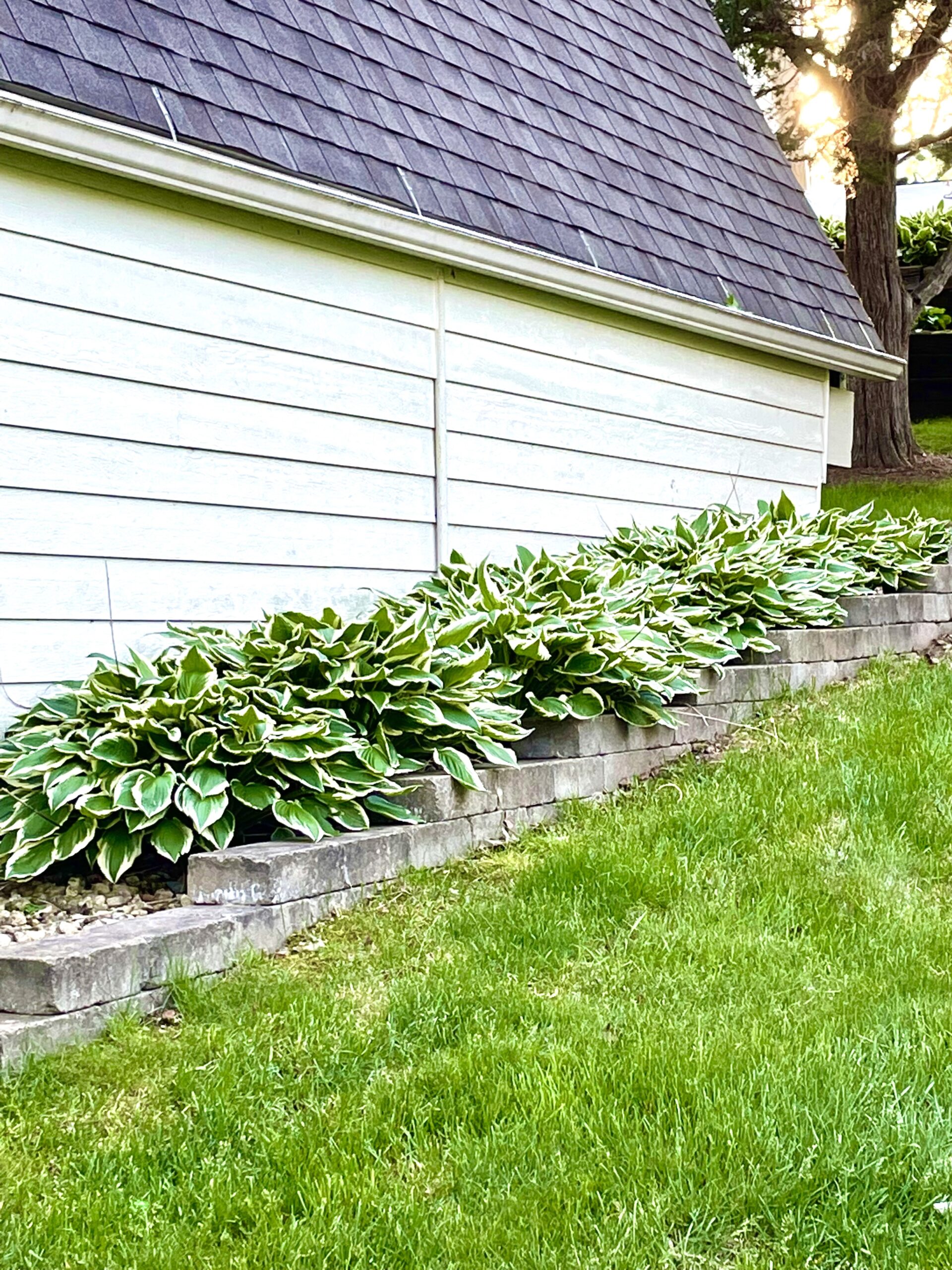
Planting hostas requires careful consideration of their light and environmental needs. Hostas thrive in shaded conditions and are generally best planted on the north or east sides of a house, where they receive dappled sunlight or indirect light. Here’s why those locations are ideal and how to ensure optimal growth for your hostas.
Ideal Sun Exposure for Hostas
Hostas are typically categorized as shade-loving plants. They flourish best when exposed to limited direct sunlight. Here are key points about their sun exposure needs:
See also:
- North Side: This side receives minimal sunlight, providing a cooler environment perfect for hostas.
- East Side: The eastern exposure allows for the gentle morning sun, which is not too harsh.
- Avoiding South and West: These sides can be too hot, leading to scorched leaves and stunted growth.
Soil Requirements for Healthy Hostas
To ensure hostas thrive, the soil quality is just as important as the location. They prefer moist, rich, and well-draining soil. Consider these points:
- Well-Drained Soil: Ensure the soil has good drainage to prevent root rot.
- Organic Matter: Incorporate compost or well-rotted manure to enhance soil fertility.
- pH Level: Aim for a slightly acidic to neutral pH for optimal growth.
Watering Needs for Hostas
Watering is a crucial aspect of hosta care, especially depending on their planting side. Here’s what you should know:
- Regular Watering: Hostas require consistent moisture, particularly in dry conditions.
- Mulching: Use mulch around the base to retain moisture and regulate temperature.
- Avoid Overwatering: While they like moisture, too much can lead to root issues.
Companion Plants for Hostas
Planting hostas alongside other complementary plants can enhance their appeal and health. Consider these companion plants:
- Ferns: They thrive in similar shady conditions, adding texture and variety.
- Astilbes: Their flowers complement the foliage of hostas in shaded settings.
- Begonias: These love similar conditions and offer vibrant colors to contrast the greens.
Hosta Varieties to Consider
Different varieties of hostas have varying light and space requirements. Here are a few to consider:
- Blue Hostas: Prefer more shade, making them ideal for the north side.
- Gold Hostas: These can tolerate some sun but still benefit from partial shade.
- Variegated Hostas: Need careful placement to avoid sunburn, thriving best in dappled light.
What month is best to plant hostas?
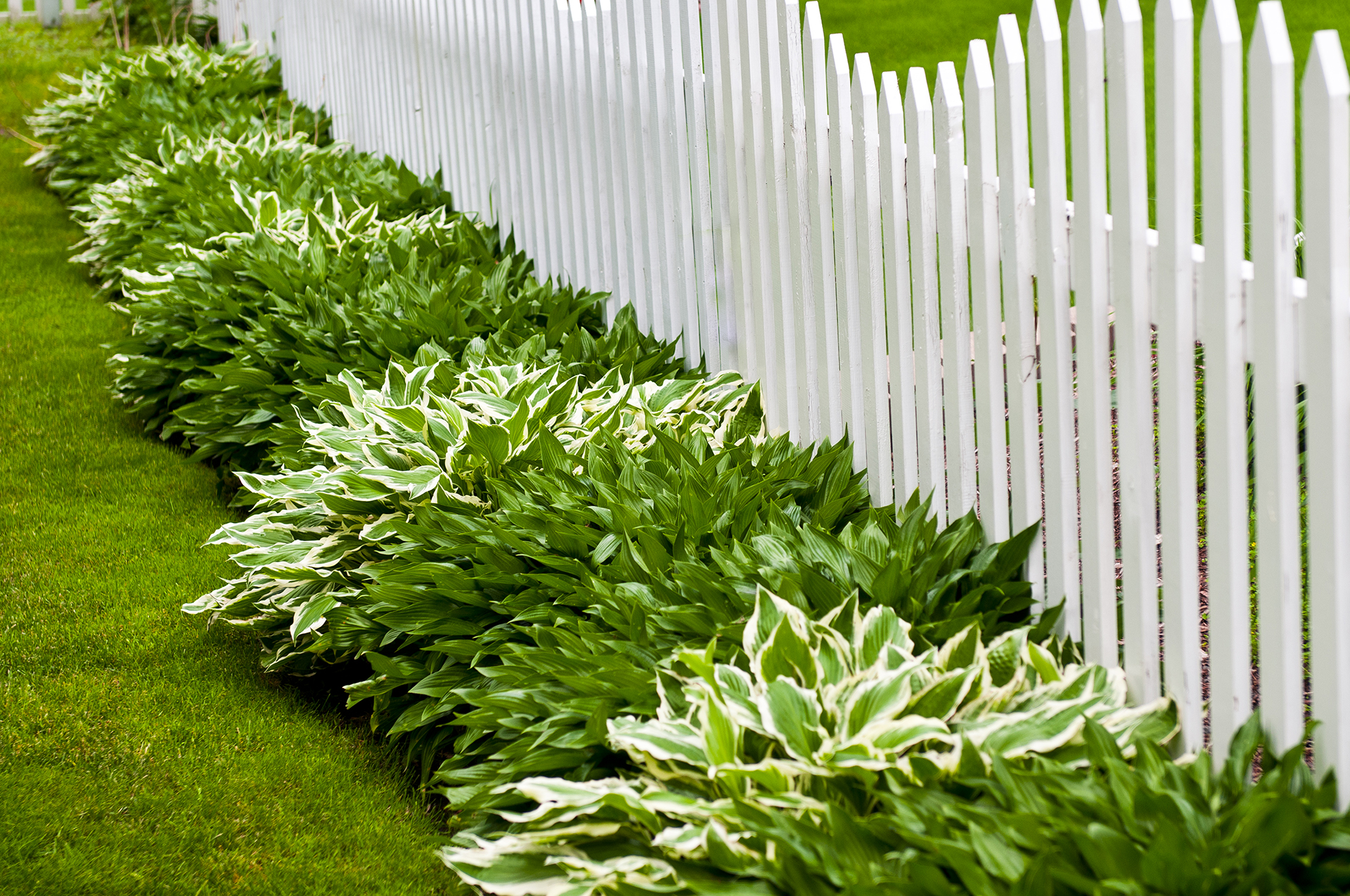
The best month to plant hostas typically depends on the climate of your region, but in general, late spring to early summer is ideal. This timeframe allows the hostas to establish their root systems before the heat of summer or the cold of winter sets in. April to June is often recommended as the prime planting season for hostas, especially in areas with a temperate climate.
Understanding Hosta Growth Cycles
Hostas are perennial plants that thrive in various climates, depending on their specific variety. Understanding their growth cycles can help in determining the best time for planting.
- Spring Awakening: In early spring, hostas begin to emerge from dormancy, making late spring the optimal time for planting.
- Root Establishment: Planting during this period ensures the roots establish before more extreme weather occurs.
- Summer Growth: By planting in spring, hostas will have sufficient time to grow actively during summer.
Regional Considerations for Planting
Different regions have varying climates, which influence the best planting times for hostas. Understanding your local climate is critical.
- Warm Climates: In warmer regions, consider planting in late spring, around May.
- Cooler Regions: Areas with harsher winters may benefit from planting earlier, in April.
- Transition Zones: If you're in a transitional climate, mid-spring to early summer is often best.
Soil Preparation for Hostas
The best time to plant hostas is also tied to how well your soil is prepared to support their growth. Soil quality is vital for healthy hostas.
- Soil Testing: Conduct a soil test in early spring to assess pH and nutrient levels.
- Amendments: Enrich the soil with organic matter like compost to improve drainage and nutrients.
- Consistency: Ensure the soil remains consistently moist leading up to planting.
Benefits of Spring Planting
Spring planting presents several advantages that can enhance the success of hosta growth.
See also:
- Optimal Weather: The moderate temperatures in spring provide a supportive environment for new plants.
- Reduced Competition: Planting in early spring means less competition from weeds, allowing hostas to establish well.
- Early Bloom: Hostas planted in spring tend to bloom sooner, providing aesthetic value sooner in the season.
Common Mistakes to Avoid When Planting Hostas
To ensure the success of your new hostas, avoid these common planting mistakes.
- Ignoring Sunlight Needs: Hostas prefer partial to full shade; planting them in too much sun can harm their growth.
- Poor Drainage: Ensure that the planting site has good drainage to avoid root rot.
- Neglecting Watering: Consistent watering during the initial growth period is crucial for establishment.
What is the secret to growing hostas?
To successfully grow hostas, understanding their needs and preferences is crucial. These plants are favored for their lush foliage and adaptability, making them a popular choice for shaded areas in gardens. The secret to thriving hostas can be broken down into several key aspects, including soil, light, water, and fertilization.
Proper Soil Preparation
Having the right soil is vital for the healthy growth of hostas. These plants thrive in a well-draining, rich soil that retains moisture yet does not remain soggy. When preparing the soil, consider the following:
- pH Level: Aim for a soil pH of 6.0 to 7.5 for optimal growth.
- Organic Matter: Incorporate plenty of organic matter such as compost or well-rotted manure to enhance soil quality.
- Drainage: Ensure good drainage to prevent root rot, which hostas are particularly susceptible to.
Light Conditions
Understanding the light requirements of hostas is essential for their health and vigor. While they can tolerate a range of light conditions, the right balance is necessary:
- Shade Preference: Hostas generally prefer partial to full shade, especially in hotter climates.
- Morning Sun: Some varieties benefit from morning sun, which promotes growth without excessive heat exposure.
- Varietal Differences: Select hosta varieties based on their specific light needs, as some may tolerate sunnier locations better than others.
Watering Techniques
Watering is a critical component of hosta care, influencing their growth and resilience. Proper watering strategies are essential to support healthy root systems:
- Consistent Moisture: Keep the soil consistently moist, especially during dry spells.
- Avoid Overwatering: Be cautious not to water excessively, as hostas are susceptible to root rot.
- Mulching: Apply a layer of mulch to retain moisture, suppress weeds, and regulate soil temperature.
Fertilization Practices
Fertilizing hostas appropriately helps ensure robust growth and vibrant foliage. The right nutrients are key to their health:
- Balanced Fertilizers: Use a balanced, slow-release fertilizer during the growing season to promote strong foliage.
- Frequency: Fertilize once in early spring and again in mid-summer, following the manufacturer’s guidelines.
- Organic Options: Consider organic fertilizers or compost to promote a healthier soil ecosystem.
Pest and Disease Management
Hostas can be prone to various pests and diseases, so effective management is vital for maintaining their health:
- Regular Inspections: Check for pests like slugs or snails regularly, as they can cause significant damage.
- Preventive Measures: Use barriers, or organic pest control solutions to minimize pest problems.
- Disease Awareness: Watch for signs of diseases such as powdery mildew and take action promptly to manage them.
Questions from Our Readers
Where is the best place to plant hostas?
Planting hostas in a location that provides partial to full shade is typically best, as they thrive in cooler environments. Ensure the area has well-draining soil that retains moisture without becoming waterlogged, as this will help support healthy growth.
Can hostas grow in full sun?
While some varieties of hostas can tolerate full sun, most prefer shaded or partially shaded areas. Excessive sunlight can lead to leaf scorch and hinder their growth, so it's crucial to choose a planting spot that matches their light requirements.
See also:
What type of soil is ideal for hostas?
Hostas flourish in loamy, fertile soil that is rich in organic matter. The soil should also have good drainage to prevent water from accumulating, as sitting water can cause root rot and other issues detrimental to the plant's health.
How much water do hostas need?
Hostas require regular watering, particularly during dry spells. It's essential to keep the soil consistently moist, but not soggy, as hostas generally prefer a humid environment; therefore, a deep soaking once a week is usually sufficient.

If you want to read more articles like Where is the Best Place to Plant Hostas? Tips for Optimal Growth and Placement, we recommend you check out our Hostas category.
Leave a Reply
Related Articles