Ultimate Guide: How Do You Keep Hostas Happy? Tips for Thriving Hostas

Hostas are beloved for their lush foliage and striking colors, making them a favorite among garden enthusiasts. However, to keep these perennial plants thriving, it's essential to understand their specific needs. In this ultimate guide, we will explore effective strategies to ensure your hostas flourish in any garden environment. From selecting the right location to optimal watering and fertilization techniques, you’ll discover tips that promote healthy growth and vibrant leaves. Whether you're a seasoned gardener or a beginner, our insights will help you create a stunning display of hostas that adds beauty and texture to your outdoor space.
How to Keep Hostas Happy
To keep hostas happy, it's essential to provide them with the right conditions and care. These shade-loving plants thrive in moist, well-drained soil that is rich in organic matter. Regular watering is crucial, particularly during dry spells, to ensure they do not become stressed. Additionally, hostas benefit from a layer of mulch, which retains moisture and helps suppress weeds. The best time to fertilize them is in early spring, using a balanced, slow-release fertilizer to promote healthy growth. By monitoring for pests and diseases, like slugs and leaf spots, and providing appropriate care, you can maintain the vibrant foliage and overall health of your hostas.
Optimal Light Conditions
Hostas generally prefer partial to full shade, making them ideal for garden spots that receive dappled sunlight. While some varieties can tolerate more sun, excessive direct sunlight can scorch their leaves. Ideally, aim for 3-6 hours of filtered sunlight to keep your hostas happy and thriving. Observing how light changes in your garden throughout the day will help you place them in their preferred conditions.
Soil Requirements
The best soil for hostas is well-draining, rich in organic matter. They thrive in loamy soil that retains moisture without becoming waterlogged, which can lead to root rot. Adding compost or well-rotted manure can enhance soil fertility and structure. Testing the soil pH is also wise, as hostas prefer a slightly acidic to neutral pH (around 6.0 to 7.0) for optimal growth.
Watering Techniques
Consistent and thorough watering is crucial for hostas, especially during hot, dry periods. It's best to water deeply two to three times a week rather than giving them light, frequent waterings. This encourages deeper root growth, ensuring the plants remain resilient during dry spells. Always check the soil moisture before watering; if the top inch of soil feels dry, it's time to provide some hydration.
Fertilization Practices
Fertilizing hostas helps provide essential nutrients that promote robust growth and vibrant foliage. A slow-release, balanced fertilizer applied in early spring can stimulate new growth. Look for products with equal ratios of N-P-K (Nitrogen, Phosphorus, Potassium). Additionally, organic options like fish emulsion or compost can be suitable alternatives to synthetic fertilizers, enriching the soil while promoting the health of the plants.
Pest and Disease Management
Hostas can be susceptible to various pests such as slugs, snails, and aphids, as well as diseases like leaf spot and root rot. Regularly inspecting your plants allows you to catch these issues early. You can manually remove slugs or use barriers such as copper tape. For aphids and diseases, using fungicides or insecticidal soap, applied as per the directions, can be effective. Keeping the garden area clean and removing decaying plant matter also helps reduce harboring conditions for these pests and diseases.
| Care Aspect | Recommendation |
|---|---|
| Light | Partial to full shade |
| Soil | Well-draining, rich in organic matter |
| Watering | Deeply twice a week |
| Fertilization | Balanced fertilizer in spring |
| Pest Control | Regular inspection and treatment |
How do I make my hostas thrive?
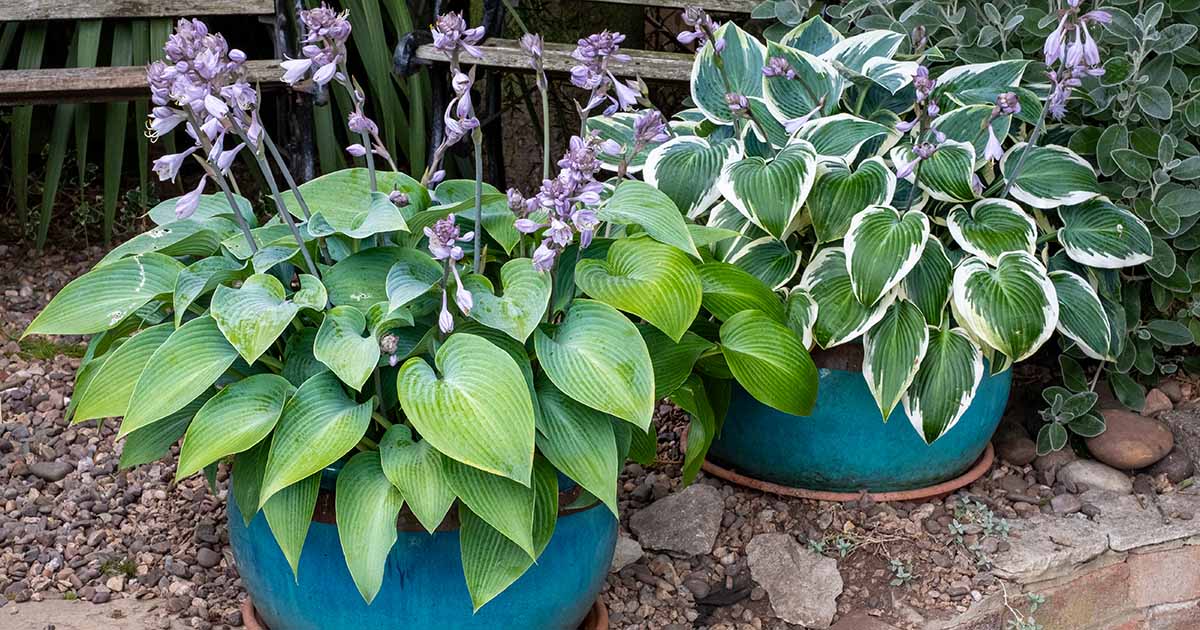

To make your hostas thrive, it's essential to consider several key factors, including light, soil, watering, fertilization, and pest management. Hostas are shade-loving plants that can tolerate a range of conditions, but optimizing their environment will significantly enhance their growth and vibrancy.
Understanding Light Requirements
Hostas prefer partial shade to full shade, making them ideal for locations under trees or along the northern side of a home. However, some varieties can tolerate more sunlight. It's crucial to locate them in a spot that offers the right amount of light, as too much sun can scorch their leaves.
- Choose a location that provides morning sun with afternoon shade.
- Avoid direct sunlight during the hottest parts of the day to prevent leaf burn.
- Observe your hostas regularly to ensure they receive the appropriate light levels.
Soil Quality and Preparation
The soil for your hostas should be rich, well-draining, and moist. Amend your garden soil with organic matter like compost to enhance its quality, which will improve nutrients and drainage. Proper soil preparation is key to healthy hosta growth.
- Test your soil pH and aim for a range of 6.0 to 7.0.
- Incorporate organic compost or well-rotted manure into the soil before planting.
- Ensure that the bed is loose enough to allow root expansion and water drainage.
Watering Techniques
Hostas enjoy consistent moisture, especially in hot periods. However, standing water can lead to root rot. Using a strategic watering plan will keep your hostas hydrated without over-saturating the soil.
- Water deeply but infrequently to encourage deep root growth.
- Avoid overhead watering; instead, water the base to minimize humidity on the leaves.
- During dry spells, consider a drip irrigation system to maintain soil moisture.
Fertilization Strategies
Feeding your hostas at the appropriate times is crucial for vigorous growth. Use a balanced fertilizer that promotes healthy foliage while avoiding excessive nitrogen, which can lead to lush leaves and weak stems.
- Apply a slow-release, balanced fertilizer in early spring.
- Use organic options like fish emulsion or kelp meal as additional nutrients.
- Reapply fertilizer mid-season to support ongoing growth.
Pest and Disease Management
While hostas are generally resilient, they can be affected by pests like slugs and snails, as well as fungal diseases. Managing these threats will help your hostas maintain health and vigor.
- Implement barriers, such as copper tape, to deter slugs and snails.
- Regularly inspect plants for early signs of pests or disease.
- Use natural remedies or insecticidal soaps to treat infestations promptly.
How to keep hostas looking good all summer?
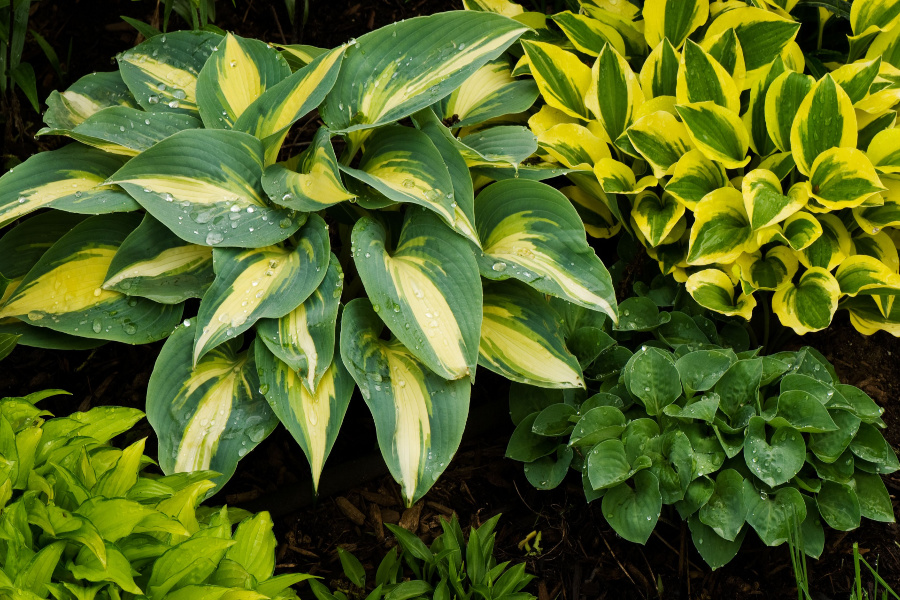
To keep hostas looking good all summer, it's essential to focus on proper care, including watering, fertilizing, pest control, and ensuring they receive the right amount of sunlight. Here are detailed tips to help maintain the health and vibrancy of your hostas throughout the warm months.
See also:
Watering Techniques
Proper watering is crucial for hostas, especially during hot summer months when the soil can dry out quickly. Follow these tips:
- Water deeply but infrequently to encourage deep root growth.
- Monitor the soil moisture; water when the top inch feels dry.
- Use mulch to retain soil moisture and regulate soil temperature.
Fertilization Practices
Hostas benefit from regular fertilization, which supports their lush foliage. Here’s how to do it effectively:
- Apply a balanced, slow-release fertilizer in early spring.
- Consider using compost or organic options to improve soil nutrients.
- A second application can be done mid-summer to provide an extra nutrient boost.
Pest Control Methods
Keeping hostas free from pests is essential for their health and appearance. Here are some effective strategies:
- Regularly inspect leaves for signs of pests such as slugs or aphids.
- Use organic pesticides or natural deterrents like diatomaceous earth.
- Encourage beneficial insects that prey on common hosta pests.
Shade and Sunlight Requirements
Understanding the light needs of hostas can significantly impact their appearance. Consider these aspects:
- Hostas typically prefer partial shade, particularly in hot climates.
- Too much sun can scorch leaves, whereas too little light can stunt growth.
- Observe foliage color; bright colors may indicate they need more shade.
Trimming and Grooming
Regular trimming and grooming help keep hostas looking neat and healthy. Consider these tips:
- Remove any dead or yellowing leaves to promote new growth.
- Consider cutting back taller varieties to prevent them from flopping.
- Grooming helps maintain a tidy garden appearance and reduces the risk of disease.
Questions from Our Readers
How much sunlight do hostas need?
Hostas thrive in partial to full shade, making them perfect for areas with limited sunlight. While some varieties can tolerate a bit of morning sun, it’s essential to protect them from intense afternoon rays, which can scorch their leaves.
What type of soil is best for hostas?
Hostas prefer well-draining soil that is rich in organic matter. Adding compost or mulch can help retain moisture while providing the necessary nutrients for healthy growth.
How often should I water my hostas?
It's crucial to keep the soil moist but not soggy. Generally, hostas need about 1 inch of water per week, especially during hot, dry spells. Monitor the soil moisture and adjust as needed to prevent stress on the plants.
See also:
When is the best time to fertilize hostas?
The optimal time to fertilize hostas is in the spring, just as new growth begins. Using a balanced fertilizer can help promote lush foliage and vibrant colors, ensuring that your hostas remain healthy throughout the growing season.

If you want to read more articles like Ultimate Guide: How Do You Keep Hostas Happy? Tips for Thriving Hostas, we recommend you check out our Hostas category.
Leave a Reply
Related Articles