Do Hostas Like to Be Crowded? Understanding Ideal Plant Spacing for Thriving Hostas

Hostas are beloved perennials known for their lush foliage and versatility in garden design. However, one crucial aspect often overlooked by gardeners is the plant spacing required for optimal growth. Do hostas thrive when they are crowded together, or do they prefer ample space to flourish? Understanding the ideal spacing for these shade-loving plants is essential for promoting healthy growth and vibrant foliage. In this article, we will explore the factors influencing hosta spacing, the impact of crowding on their health, and tips for arranging these beautiful plants to create a stunning and thriving garden display.
Do Hostas Like to Be Crowded?
Hostas are known for their lush foliage and can thrive in various garden conditions, but they generally do not prefer to be overcrowded. When hostas are planted too closely together, they compete for essential resources like light, water, and nutrients. This can lead to stunted growth, diminished foliage quality, and an increased risk of diseases and pests. Ideally, hostas should be spaced apart according to their specific variety and cultivar, allowing them ample room to grow and flourish. A proper spacing of 2-3 feet is generally recommended to ensure they achieve their full potential without compromising their health and aesthetic appeal.
Impact of Crowding on Growth
When hostas are crowded, their growth can be significantly affected. They may exhibit reduced leaf size, and the overall growth rate can decline due to competition for vital resources like sunlight and soil nutrients. Additionally, the overcrowding can cause stressed plants, making them more susceptible to diseases and pests, which can further hinder their development and beauty.
Disease and Pest Problems
Crowded hostas create a favorable environment for fungal diseases and pest infestations. The dense foliage often does not allow for adequate air circulation, leading to increased humidity that fosters mold and mildew growth. Furthermore, pests like slugs and snails can thrive in overcrowded settings, where they find ample hiding spots to breed and feed on the hostas, causing significant damage to the plants.
Varietal Differences in Spacing
Different varieties of hostas have varying requirements for spacing due to their growth habits. Smaller hostas, such as miniature or dwarf types, may be comfortable in tighter arrangements; however, larger cultivars can require much more space to develop fully. Therefore, understanding the specific type of hosta being planted is critical in determining the ideal spacing necessary to maintain their health and vibrancy.
Benefits of Proper Spacing
Proper spacing contributes to the overall success and health of hostas by promoting better light penetration and air flow around each plant. This healthier environment reduces the likelihood of disease and pest problems while allowing the hostas to achieve their full growth potential. Additionally, correctly spaced hostas are more visually appealing, creating a lush, layered look in the garden that showcases their stunning foliage.
When to Divide Overcrowded Hostas
If hostas become overcrowded, it may be necessary to divide them to ensure their long-term health. The best time to divide hostas is usually in early spring or late summer when the plants are actively growing. Dividing allows for better resource availability for each plant while also rejuvenating older plants, leading to stronger, more vibrant hostas and the opportunity to propagate new plants in the landscape.
| Aspect | Implication of Crowding |
|---|---|
| Growth Rate | Reduced due to competition |
| Disease Risk | Increased due to poor air circulation |
| Pest Management | More difficult with dense foliage |
| Visual Appeal | Less attractive when overcrowded |
| Dividing Time | Early spring or late summer recommended |
Can hostas be overcrowded?


Yes, hostas can indeed become overcrowded. Over time, as they grow and multiply, their rhizomes can spread out and fill a designated space more than intended. This can lead to a few challenges that affect the health and appearance of the plants. When hostas are overcrowded, they compete for resources such as water, nutrients, and light. This competition can cause some plants to become weak or die off, while others may exhibit stunted growth and poor foliage quality.
Signs of Overcrowding in Hostas
When hostas are overcrowded, there are several signs that you should look out for:
- Stunted Growth: Hostas may not reach their full potential size, resulting in smaller leaves and overall reduced vigor.
- Yellowing Leaves: Lack of adequate nutrients can cause the leaves to turn yellow, indicating a problem.
- Increased Pest Activity: Overcrowded plants can attract pests like slugs and snails, which thrive in dense foliage.
Potential Problems Caused by Overcrowding
Overcrowding can lead to several issues for hostas, affecting their health and the aesthetics of your garden:
- Reduced Air Circulation: Dense foliage can trap moisture, leading to higher humidity levels that promote fungal diseases.
- Competition for Resources: Hostas may struggle to obtain enough light and nutrients, leading to unhealthy plants.
- Difficulty in Maintenance: Overgrown areas make it more challenging to manage weeds, pests, and overall garden cleanup.
How to Manage Overcrowding in Hostas
Managing overcrowding in hostas involves a few proactive steps:
- Regular Division: Every few years, divide hostas by digging them up and separating the crowns to give them more room to grow.
- Appropriate Spacing: When planting new hostas, ensure there is adequate space between each plant based on their mature size.
- Annual Maintenance: Monitor growth and foliage during the growing season, and trim back excessively dense areas to improve airflow.
When to Divide Hostas
The best time to divide hostas is crucial for their health; consider the following:
- Spring or Fall: Dividing hostas is most successful in early spring as new growth begins or in early fall before the first frost.
- Size of the Clump: If the clump has noticeably outgrown its space, it's a good indicator that division is necessary.
- Health of the Plant: If hostas show signs of overcrowding, such as yellowing leaves or stunted growth, it's time to take action.
Benefits of Preventing Overcrowding
Taking steps to prevent overcrowding in hostas can yield various benefits:
- Improved Health: Proper spacing allows for better air circulation, reducing disease risk and promoting overall plant health.
- Enhanced Aesthetics: Well-spaced hostas create a visually appealing garden with lush, full foliage that showcases the plants’ natural beauty.
- Increased Flower Production: By reducing competition for resources, hostas are more likely to produce beautiful flowers, enhancing the garden experience.
What are the downsides of hostas?
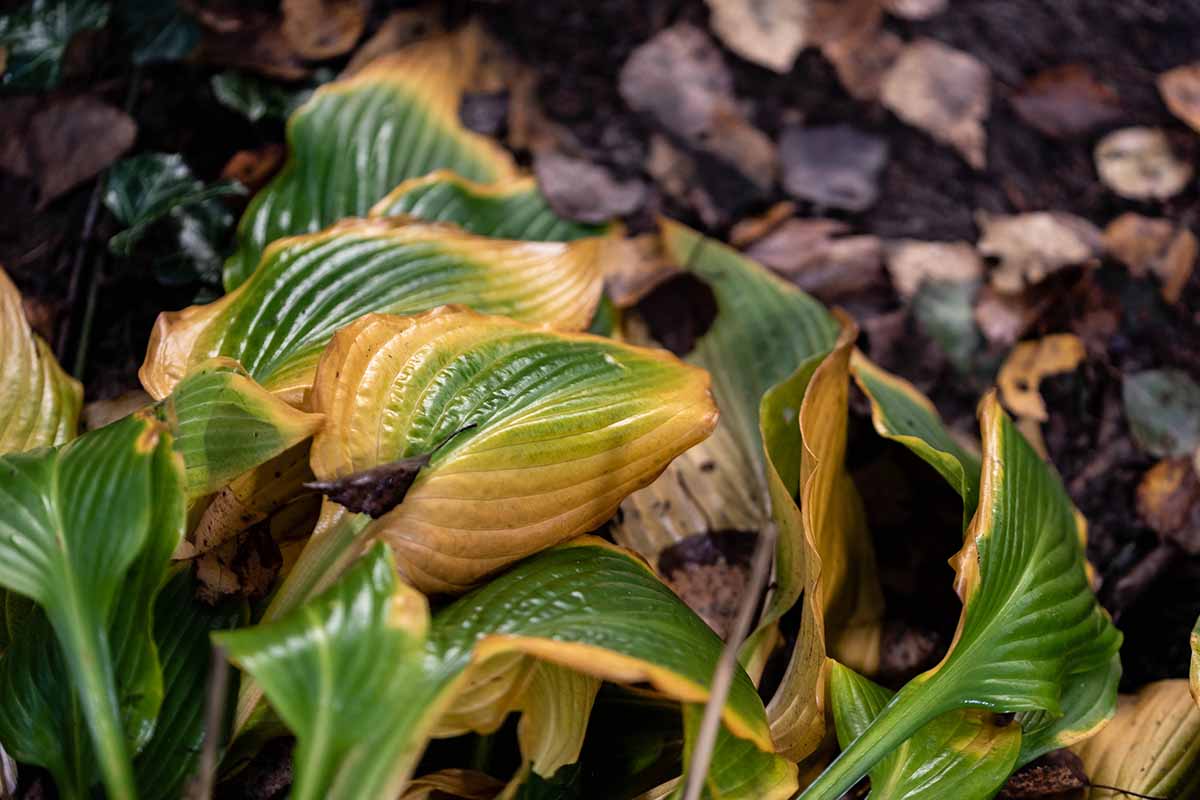
Susceptibility to Pests
Hostas are known for their lush foliage but they are also highly vulnerable to various pests. The most common pests affecting hostas include slugs, snails, and aphids. These pests can severely damage the leaves, leading to unattractive holes and reducing the aesthetic appeal of the plant. Additionally, an infestation can compromise the plant's health and overall growth.
See also:
- Slugs and Snails: These mollusks can quickly consume large portions of hosta leaves, especially during wet conditions.
- Aphids: These small insects suck sap from the leaves, causing stunted growth and curling.
- Spider Mites: These minute pests thrive in hot, dry conditions, leading to yellowing and wilting of the leaves.
Limited Flowering
While hostas are primarily grown for their foliage, their flowering capabilities are often overlooked by gardeners. Although hostas do produce flowers, they tend to be sparse and not as colorful or attractive compared to other perennial plants in the garden. This can detract from the overall garden design for those looking for a vibrant display.
- Color Palette: The flowers are typically white or lavender, which may not stand out against other more vivid flowering plants.
- Timing: Flowering can be inconsistent and generally occurs late in the season, missing the peak blooming time for many plants.
- Height: The flower spikes may not rise high enough above the foliage to be noticed easily.
Environmental Requirements
Hostas thrive in specific environmental conditions; thus, their adaptability is somewhat limited. They generally prefer shaded or partially shaded areas, which can restrict the places they can be planted in a garden. This requirement can be a downside for gardeners with fully sunny spaces.
- Shade Preference: While they can tolerate some sunlight, too much direct exposure can scorch their leaves and lead to fading.
- Soil Type: Hostas prefer rich, well-drained soil, which may not be available in many gardens without amendments.
- Watering Needs: They require consistent moisture, making them less suitable for dry gardens or areas prone to drought.
Invasive Nature
Another downside of hostas is their potential to become invasive in certain regions. While they are often valued for their beauty, in some areas their rapid growth can lead them to outcompete native plants and disrupt local ecosystems.
- Spread: Hostas can propagate through their rhizomes, leading to dense clumps that may choke out other plants.
- Management: Controlling their spread can require regular maintenance and may necessitate removing or dividing clumps.
- Regional Issues: In some regions, hostas are classified as invasive, raising concerns among conservationists and gardeners alike.
Seasonal Dormancy
Hostas are deciduous perennials, which means they die back to the ground during colder months. This dormancy can leave a bare patch in the garden during winter, and some gardeners may find this unattractive, particularly if they prefer year-round visual interest.
- Winter Appearance: Once the foliage dies back, the garden may appear devoid of life until new growth appears in spring.
- Spring Clean-up: In early spring, old foliage must be cleaned away, which can be an added chore for gardeners.
- Delayed Growth: Hostas can be among the last perennials to emerge in spring, delaying the overall fullness of the garden.
Questions from Our Readers
Do hostas like to be crowded?
Hostas typically do not thrive when they are crowded. These plants prefer to have enough space to grow, which allows for better airflow and nutrients absorption. When hostas are too close to each other, they may compete for resources and become stressed, leading to poor growth and increased susceptibility to diseases.
What is the ideal spacing for hostas?
The ideal spacing for hostas generally ranges from 18 to 36 inches apart, depending on the variety. This distance allows for sufficient room to grow and develop without competing for light and nutrients. Proper spacing can also help to enhance their aesthetic appeal in landscaping.
Can hostas survive being crowded for a short time?
Yes, hostas can survive being crowded for a short period, but it's not ideal for their long-term health. While they may endure some competition, prolonged crowding can lead to stunted growth, increased pest problems, and a higher chance of fungal infections, ultimately impacting their overall vitality.
How can I tell if my hostas are overcrowded?
Signs that your hostas may be overcrowded include smaller leaves, poor flowering, and increased difficulty in getting enough sunlight. Additionally, if the plants start to decline in health or exhibit signs of pest infestations, these may be indicators that they need more space for optimal growth.
See also:

If you want to read more articles like Do Hostas Like to Be Crowded? Understanding Ideal Plant Spacing for Thriving Hostas, we recommend you check out our Hostas category.
Leave a Reply
Related Articles