How to Make Hostas Spread? Tips and Techniques for a Thriving Garden

Hostas are beloved perennials, renowned for their lush foliage and adaptability to various garden settings. If you want to enhance your garden's beauty and create a vibrant landscape, understanding how to make hostas spread effectively is crucial. In this article, we’ll explore practical tips and techniques to encourage the healthy growth and expansion of these stunning plants. From optimal planting conditions to the best times for division, our guide will equip you with the knowledge needed to create a thriving hosta garden that flourishes year after year. Let’s delve into the essentials for boosting your hosta collection and overall garden appeal.
How to Encourage Hostas to Spread
To successfully make hostas spread in your garden, you need to focus on specific planting techniques and maintenance practices. First, ensure they are planted in the right conditions, ideally in partial shade with well-draining, nutrient-rich soil that retains moisture. Regular watering is essential, especially during dry spells, as hostas thrive in consistently moist environments. Additionally, consider dividing your hostas every few years, as this not only helps control their growth but also stimulates new growth. Applying a layer of organic mulch around the plants can help retain soil moisture and suppress weeds, further promoting the health and spread of your hostas.
Choosing the Right Location
Selecting the proper location is critical for your hostas to thrive and spread. Hostas prefer partial to full shade, which mimics their natural habitat in wooded areas. Ensure the soil is rich in organic material and drains well, as hostas do not like to sit in waterlogged conditions. If your garden is too sunny, consider utilizing taller plants or structures that can provide the necessary shade. Proper sunlight exposure will not only lead to healthier plants but also encourage them to produce more offshoots.
Soil Preparation
Preparing the soil plays a vital role in promoting the growth and spread of hostas. Prior to planting, amend the garden bed with plenty of compost or well-rotted manure to enhance soil fertility and structure. This enriches the soil with essential nutrients that hostas require for optimal growth. Conducting a soil test can also help identify any nutrient deficiencies or pH imbalance, allowing you to make necessary corrections for improved plant health.
Watering Techniques
Proper watering is essential for maintaining the health of your hostas and encouraging their spread. Hostas prefer moist soil, so it's crucial to water them regularly, especially during dry periods. Aim for deep watering to encourage strong root development while avoiding overhead watering, which can lead to fungal diseases. A good strategy is to water in the early morning hours, allowing any excess moisture on the leaves to dry out during the day.
Mulching and Fertilizing
Applying a layer of organic mulch around your hostas can benefit their growth and spread. Mulch helps retain soil moisture, regulates soil temperature, and suppresses weed growth. Aim for about 2-3 inches of mulch, such as shredded bark or straw. Additionally, a balanced fertilizer can boost nutrient availability, particularly in early spring when hostas start to emerge. However, avoid over-fertilizing, as this can lead to lush foliage at the expense of root growth.
Dividing Hostas for More Plants
Dividing your hostas every few years is an effective way to promote their spread and create new plants. The best time to divide hostas is in the spring or early fall when the plants are not actively growing. Carefully dig up the clumps and use a spade or your hands to separate the roots. Ensure each division has healthy roots and at least one set of leaves. Replant the divisions in suitable locations, and soon you will have lush hostas flourishing in various parts of your garden.
| Tip | Benefit |
|---|---|
| Choose the Right Location | Optimal light and conditions for growth |
| Prepare the Soil | Improved fertility and drainage |
| Water Deeply | Encourages strong root development |
| Mulch Regularly | Retains moisture and suppresses weeds |
| Divide Periodically | Stimulates growth and increases plant numbers |
How to make hostas multiply?

To successfully make hostas multiply, gardeners can utilize several methods, mainly division and seed propagation. Here’s a detailed guide on how to achieve this:
Method 1: Division of Hostas
Dividing hostas is the most common and effective method to multiply them. This technique involves separating the plant into smaller sections, each of which can grow into a new plant.
See also:
- Timing: The best time to divide hostas is in the spring or early fall when the plants are not under stress from heat or drought.
- Preparation: Water the hostas thoroughly a day before you plan to divide them to help ease the transplanting process.
- Technique: Use a sharp spade or garden fork to dig around the plant, lifting it out of the ground. Shake off excess soil and divide the root ball into several sections, ensuring that each section has healthy roots and stems.
Method 2: Seed Propagation
Although less common, propagating hostas from seeds can also produce new plants. This method requires patience, as it takes longer to achieve mature plants from seeds.
- Collection of Seeds: After flowering, allow the seed pods to mature on the plant before collecting the seeds when they are ripe. Ensure the pods have turned brown.
- Seed Preparation: Clean the seeds and let them dry before storing or planting them. Some gardeners recommend a cold stratification process for at least 4-6 weeks to improve germination rates.
- Planting Seeds: Sow seeds in a well-draining potting mix, covering them lightly with soil. Keep the soil moist and provide indirect light to encourage germination.
Care for Newly Divided or Seeded Hostas
Once you have successfully divided your hostas or planted seeds, proper care is essential for healthy growth.
- Watering: Ensure that newly divided plants receive plenty of water to establish their roots, especially during the first few weeks.
- Sunlight: Place the plants in a location with appropriate lighting—most hostas prefer partial shade to thrive.
- Fertilization: Use a balanced fertilizer early in the growing season to help newly divided hostas recover and promote strong growth.
Pest and Disease Management
Hostas can be susceptible to pests and diseases, so monitoring their health is crucial.
- Common Pests: Watch for slugs, snails, and aphids. Applying organic remedies or barriers can help manage these pests effectively.
- Disease Detection: Fungal infections can occur if the plants are too wet. Ensure good air circulation and avoid overhead watering.
- Inspection: Regularly check your plants for signs of distress or issues—early detection can prevent serious damage.
Environmental Factors Influencing Hostas Growth
The surrounding environment plays a crucial role in the success of hosta multiplication.
- Soil Quality: Hostas thrive in moist, rich, and well-drained soil. Adding organic matter can enhance soil quality.
- Temperature Considerations: Hostas generally prefer cooler climates. Be mindful of extreme heat, which can stress the plants.
- Mulching: Applying mulch can help retain soil moisture and keep the roots cool, thereby promoting healthier growth.
What happens if you don't split hostas?
:strip_icc()/dividing-hosta-plants-BKS033209-16-9-bb7d9518a2684d588b35c65bab05eaf2.jpg)
If you don't split hostas, several consequences can arise that affect their growth, health, and overall appearance. Hostas, which are perennial plants known for their beautiful foliage, can eventually become overcrowded if not divided regularly. The absence of splitting can lead to competition for resources, poor air circulation, and diminished aesthetic appeal.
Overcrowding and Competition for Resources
When hostas are not split, they tend to become overcrowded. This overcrowding results in competition for essential resources such as water, nutrients, and sunlight.
- The roots may become tightly bound, which restricts growth.
- Leaves may turn yellow or smaller due to nutrient deficiency.
- The plants can become more susceptible to disease as they compete for limited resources.
Poor Air Circulation
An important aspect of plant health is air circulation. Without proper spacing that comes from splitting, hostas can suffer from poor air movement around their foliage.
- This can lead to increased humidity levels around the leaves.
- Higher humidity creates an ideal environment for fungal diseases.
- It may also attract pests, further harming the hostas.
Reduced Aesthetic Appeal
Hostas are prized for their stunning leaves and overall form. When not divided, their visual appeal can be significantly reduced.
- Overgrown hostas can become leggy and unkempt.
- The vibrant colors may fade as plants struggle for light.
- Flowers may diminish in size, displaying less intensity and fewer blooms.
Decreased Longevity
Failing to split hostas regularly can lead to a decrease in their longevity.
See also:
- Overcrowded plants are more stressed and may have a shorter lifespan.
- Stress can make hostas more vulnerable to harsh weather conditions.
- Ultimately, hostas that are not divided may require more frequent replacements.
Difficulty in Maintenance
Maintenance of hostas can become increasingly challenging if they are not split.
- Weeds can thrive alongside congested hostas, making them hard to manage.
- Watering may become less effective as roots compete for moisture.
- Regular pruning becomes necessary, adding to the maintenance workload.
How fast do hostas multiply?
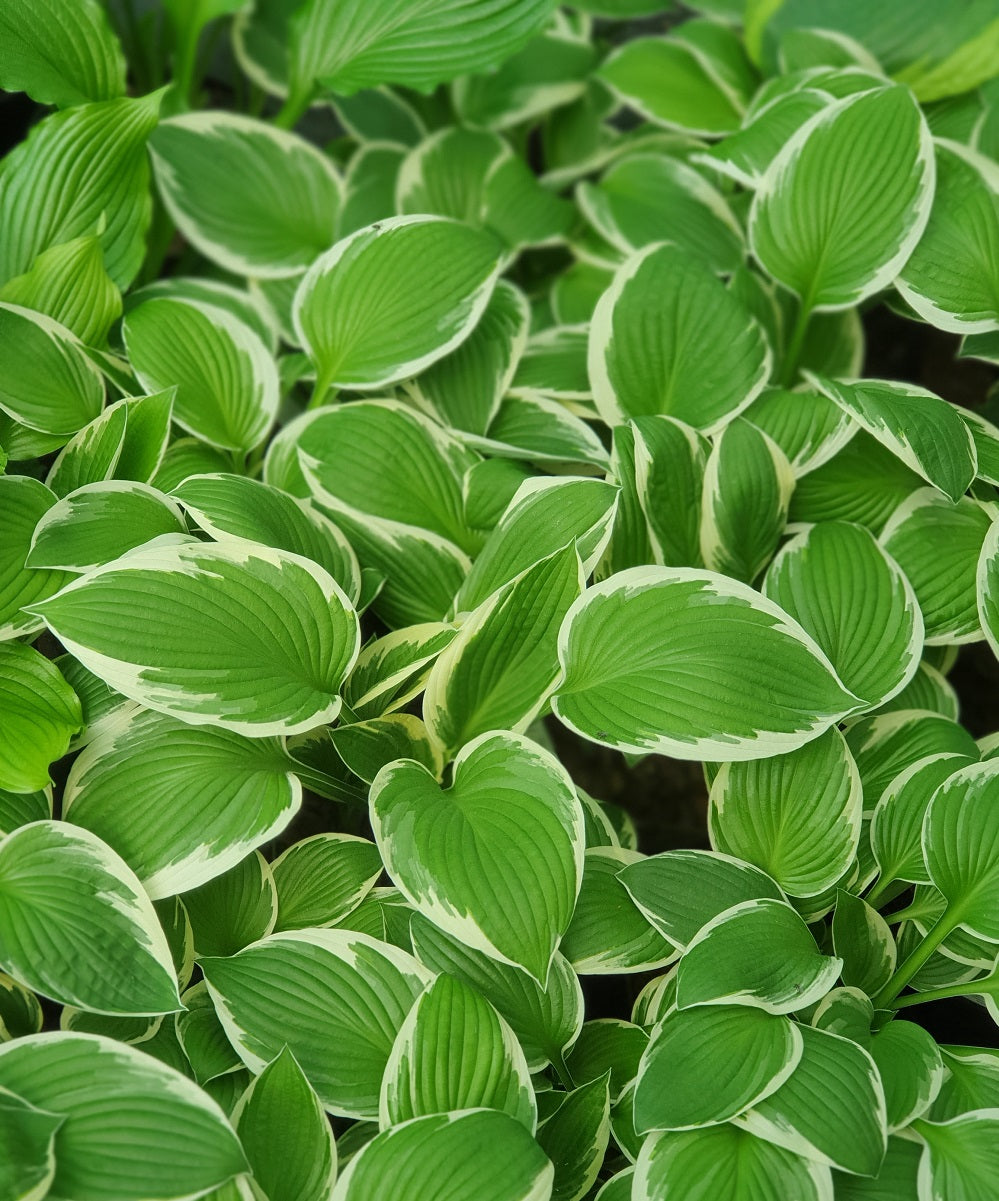
Hostas are known for their ability to multiply and spread over time, making them a popular choice in gardens. The speed at which hostas multiply can vary depending on several factors, including the variety of hosta, environmental conditions, and care practices. Generally, hostas can start to divide around their third or fourth year of growth. During optimal conditions, these plants can double their size every year.
Factors Influencing Hosta Multiplication Speed
The rate at which hostas multiply is influenced by various factors:
- Climate: Hostas thrive in temperate climates and may multiply faster in regions that replicate their natural habitats.
- Soil Quality: Nutrient-rich and well-drained soil enhances growth and multiplication rates.
- Watering Practices: Consistent moisture, without overwatering, is essential for healthy growth and division.
Ideal Conditions for Multiplication
For optimal growth and multiplication of hostas, certain conditions should be met:
- Shade Level: Hostas prefer partial to full shade which protects them from scorching sun and allows steady growth.
- Fertilization: Using a balanced fertilizer in early spring can boost growth and speed up multiplication.
- Spacing: Proper spacing allows each plant enough room to spread and develop without competition for resources.
Dividing Hostas for Better Multiplication
Dividing hostas is an effective method to increase their numbers:
- Timing: The best time to divide hostas is in early spring or late summer when the plants are actively growing.
- Method: Carefully dig up the clump, ensuring that each division has sufficient roots and crown segments.
- Replanting: Immediately replant the divisions in suitable locations to minimize shock and promote quicker establishment.
Hostas Growth Rate Comparison
Different hosta varieties exhibit different growth rates:
- Small Varieties: These may take longer to mature and multiply (around 3-5 years).
- Medium Varieties: Often reach dividing potential in about 2-3 years.
- Large Varieties: Can multiply quickly, sometimes doubling in size within a year.
Common Mistakes Affecting Multiplication
Certain errors can hinder the multiplication speed of hostas:
- Overwatering: Can lead to root rot, affecting plant vigor and multiplication.
- Underfeeding: Lack of nutrients will slow down growth and reduce the number of new shoots.
- Pest Infestation: Pests like slugs can damage the foliage, impacting overall plant health and growth.
Questions from Our Readers
How can I encourage my hostas to spread more quickly?
To encourage your hostas to spread more quickly, ensure they are planted in rich, well-drained soil and receive adequate moisture. Additionally, applying a slow-release fertilizer in the spring can provide the necessary nutrients for growth. Regularly dividing hostas every few years will also stimulate new growth and encourage them to spread.
What is the best time to divide hostas for spreading?
The best time to divide hostas is in early spring or late summer, just as new growth begins in spring or after the leaves have died back in fall. This timing minimizes stress on the plant and allows for optimal root development before the next growing season, facilitating better spreading.
See also:
Do hostas spread by seeds or bulbs?
Hostas primarily spread through underground rhizomes, which are modified stems that grow horizontally and produce new plants. While they can produce seeds, this method is less common and can take longer to establish new plants compared to utilizing their rhizomatic growth.
How often should I water my hostas to help them spread?
Hostas prefer consistently moist soil, so it’s essential to water them regularly, especially during dry spells. Aim for about 1 inch of water per week, either from rainfall or supplemental irrigation, to keep the soil consistently moist and encourage healthy growth and expansion.

If you want to read more articles like How to Make Hostas Spread? Tips and Techniques for a Thriving Garden, we recommend you check out our Hostas category.
Leave a Reply
Related Articles