Are Hostas Poisonous to Touch? Debunking Myths and Facts about Hostas Safety

Hostas are a popular choice for gardeners due to their lush foliage and vibrant colors. However, concerns about their safety often arise, particularly regarding toxicity and the potential for skin irritation. Many myths persist about hostas being poisonous to touch, leading to confusion among plant enthusiasts. In this article, we will explore the truth behind these claims, separating fact from fiction. By examining scientific research and expert opinions, we aim to provide a clear understanding of hosta safety, helping gardeners enjoy these beautiful plants without unnecessary worry. Discover what you need to know to feel confident around hostas.
Are Hostas Poisonous to Touch?
Hostas are generally considered to be non-toxic to humans, which means that direct contact with the leaves or stems typically does not cause any harmful effects. However, while touching hostas is safe, it's important to note that the sap from the leaves can cause skin irritation for some individuals, especially those with sensitive skin. Ingesting any part of the plant, on the other hand, may lead to more serious health issues, as hostas contain compounds that could be harmful if consumed. Therefore, while touching hostas presents minimal risk, handling them carefully is advised, especially for children and pets.
What Happens If You Touch Hostas?
Touching hostas primarily poses minimal risk to most people, as they are not considered poisonous. However, some individuals may experience mild skin irritation or an allergic reaction due to the presence of specific proteins or chemicals in the plant's sap. If irritation occurs, it's usually localized and can be treated with standard remedies such as antihistamines or topical creams. Washing the area with soap and water can also alleviate any discomfort.
Are Hostas Toxic to Pets?
While hostas are not directly poisonous to touch, they can pose a risk to pets if ingested. Common effects in pets, such as dogs and cats, may include vomiting, diarrhea, and abdominal pain due to the plant's toxic properties when consumed. Pet owners should monitor their animals around hostas and discourage any chewing or nibbling on the plants to avoid these potential health concerns.
Identifying Skin Reactions to Hostas
Individuals who may have sensitive skin or allergies should be cautious when handling hostas. Symptoms of skin reactions can include redness, itching, or a rash, which typically resolve on their own with proper care. Identifying potential allergic reactions may require observing how the skin responds after contact and consulting with a healthcare provider if symptoms persist.
How to Handle Hostas Safely
To ensure safety while handling hostas, individuals should wear gloves when touching the plants, especially during gardening activities. This precaution reduces the risk of skin irritation and protects fragile skin from any potential allergens in the sap. Additionally, washing hands thoroughly after contact with hostas is recommended to remove any residues that might lead to discomfort.
Comparison of Hostas and Other Plants
Unlike many other garden plants, hostas rank low on the toxicity scale. In comparison, plants such as lilies and daffodils are highly toxic and can result in severe consequences if touched or ingested. Understanding these differences is crucial for gardeners and pet owners who wish to create safe environments. Below is a simple table comparing hostas with some other plants:
| Plant | Toxicity Level | Effects of Ingestion |
|---|---|---|
| Hostas | Non-toxic | Mild stomach upset |
| Lilies | Highly toxic | Kidney failure in cats |
| Daffodils | Highly toxic | Nausea, vomiting, diarrhea |
| Hydrangeas | Low to moderate toxicity | Mild gastrointestinal upset |
Are hostas toxic to children?
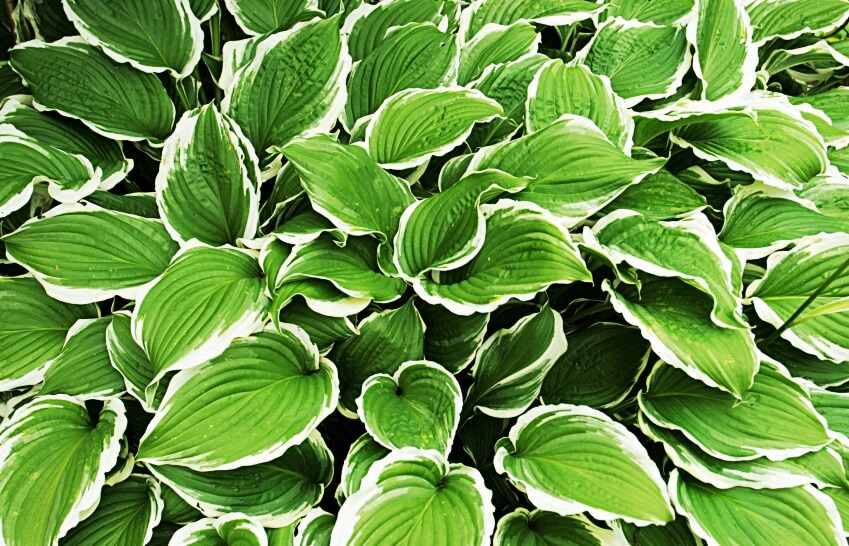

Hostas are popular ornamental plants known for their lush foliage and shade tolerance. While beautiful, many parents wonder about their safety, particularly regarding children. Hostas contain compounds that can be considered toxic if ingested in large quantities. However, they are generally not considered highly toxic compared to other plants.
Here’s a detailed insight into the toxicity of hostas and the potential risks they pose to children.
Understanding Hosta Toxicity
Hostas contain a substance known as saponins, which can lead to mild gastrointestinal upset when ingested. The effects are often less severe in children, who may experience some symptoms if they consume significant amounts of the plant. This makes hostas relatively low on the toxicity scale.
- Symptoms of ingestion can include nausea.
- Vomiting and diarrhea may occur in sensitive individuals.
- Severe reactions are rare but possible, particularly in allergic individuals.
Symptoms of Hostas Ingestion in Children
If a child ingests hosta leaves, parents should be vigilant for any signs of distress. While the symptoms are typically mild, they can still be concerning. Common symptoms include:
- Nausea and potential vomiting.
- Diarrhea and abdominal discomfort.
- Itching or irritation if the plant comes into contact with the skin.
Preventive Measures for Parents
To ensure safety and prevent accidental ingestion of hostas by children, parents can take a few precautionary steps:
- Educate children about not eating unknown plants.
- Supervise young children while playing in gardens.
- Consider planting hostas in areas that are not easily accessible to children.
Alternative Plants to Consider
Parents looking for safer garden options may want to consider non-toxic plants. Some alternatives include:
- Marigolds - known for their bright colors and non-toxic nature.
- Sunflowers - cheerful and safe for children.
- Snapdragons - beautiful flowers that are also safe for kids.
When to Seek Medical Attention
If a child shows significant symptoms after ingesting hosta, it's essential to take the situation seriously. Here are guidelines on when to seek medical attention:
- If symptoms persist beyond mild discomfort.
- If the child exhibits signs of an allergic reaction, such as swelling or difficulty breathing.
- If there is uncertainty about the amount ingested or the plant's identification.
Are the flowers on hostas poisonous?

Are Hostas Toxic to Pets?
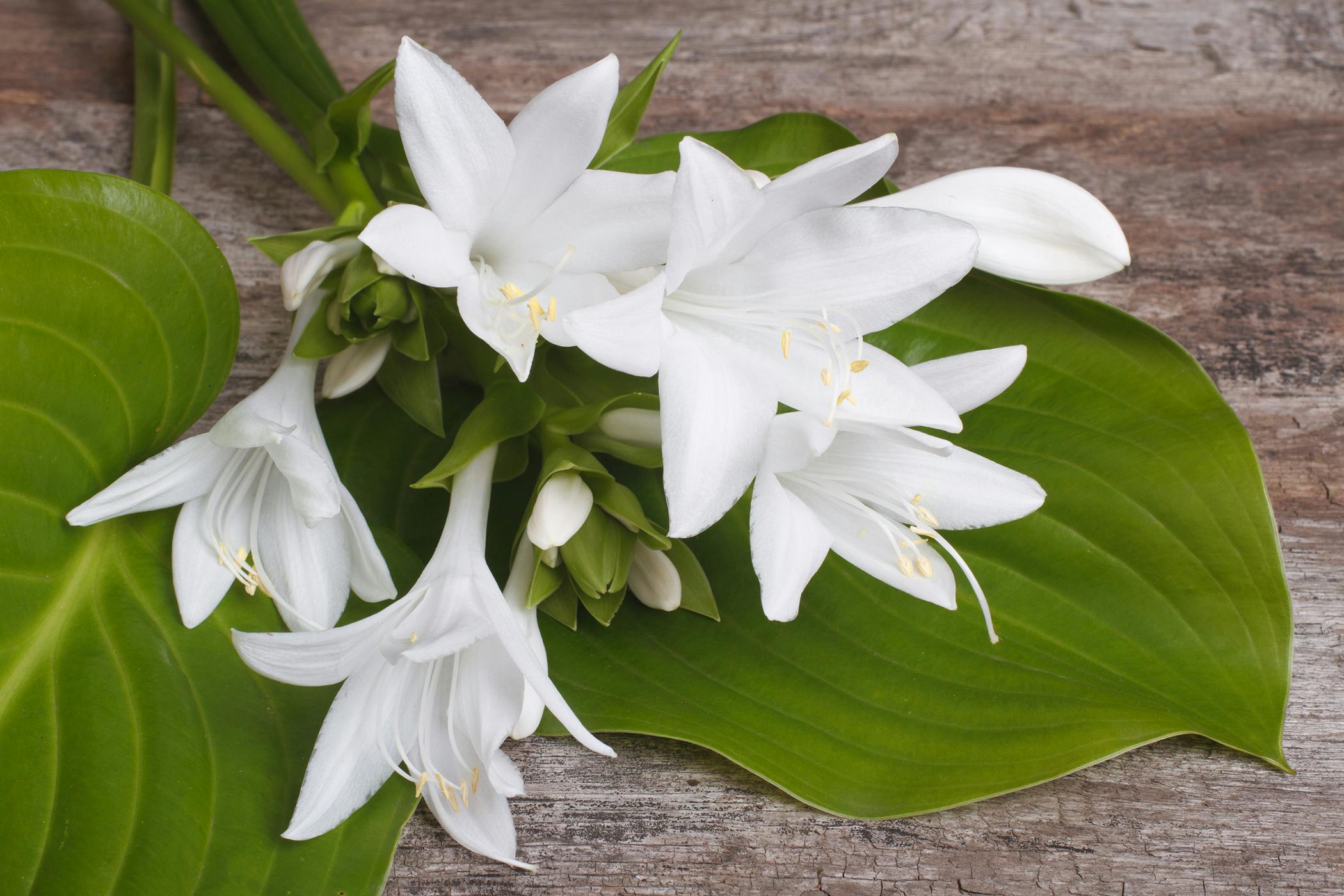
The flowers and foliage of hostas are generally considered to be non-toxic to pets, including cats and dogs. While the plant itself is not harmful, the ingestion of large amounts may cause mild gastrointestinal upset. It's essential for pet owners to monitor their pets around hostas to ensure they do not consume excessive quantities. Here are some key points on the issue:
- Hostas are not listed as poisonous plants by the ASPCA.
- Pets may experience stomach discomfort if they eat a large quantity.
- Always consult a veterinarian if you suspect your pet has ingested any plant material.
Are Hostas Edible?
While hostas are not toxic, they are not typically consumed by humans. Some parts of the plant, such as the young shoots, may be edible and have been used in various cuisines, particularly in Asian cultures. It’s crucial to ensure that any plant is properly identified and that it hasn’t been treated with harmful pesticides or chemicals. Here are some facts about the edibility of hostas:
- Young hosta shoots can be cooked and eaten.
- Flowers are usually not consumed, but they do not pose a health risk.
- Always ensure identification and preparation methods are correct for safety.
Common Misconceptions About Hostas
There are several misconceptions surrounding hostas, primarily concerning their toxicity and general safety for pets and humans. Many assume that all ornamental plants must be safe, leading to misunderstandings. These misconceptions can be harmful, so it’s important to clarify the facts about hostas:
- Not all ornamental plants are non-toxic; hostas are an exception.
- Some people think their flowers are dangerous, but they are safe.
- Misinformation can lead to unnecessary worry among gardeners and pet owners.
How to Care for Hostas
Caring for hostas involves basic gardening practices that promote healthy growth and blooming. While their flowers are safe, proper care can enhance the overall appearance of the plants and their blooms. Here are some tips for caring for hostas:
- Plant hostas in shady to partially shaded areas.
- Water regularly, ensuring the soil remains moist but not waterlogged.
- Fertilize in early spring for robust growth and flowering.
Hostas in Landscaping
Hostas are popular in landscaping due to their lush foliage and beautiful flowers. They add color and texture to shaded areas and can be combined with other plants for a varied garden. Here are some advantages of using hostas in landscaping:
- They thrive in shade, making them great for dimly lit gardens.
- Hostas offer diverse foliage shapes and colors, adding visual interest.
- Their flowers can attract beneficial pollinators like bees and butterflies.
Questions from Our Readers
Are hostas poisonous to touch?
While hostas are not toxic to touch, it is advisable to avoid prolonged contact with the plant. Some individuals may experience skin irritation or an allergic reaction if they come into contact with the leaves.
What happens if a pet eats a hosta?
If a pet consumes hosta leaves, it can lead to mild gastrointestinal upset. Symptoms may include vomiting or diarrhea, but serious toxic reactions are generally rare. It's best to contact a veterinarian if ingestion occurs.
Are hostas safe for children?
Hostas are considered to be non-toxic plants, making them relatively safe for children. However, ingestion of any plant material can cause stomach discomfort, so it's recommended to supervise young kids around these plants.
See also:
Can hostas be harmful to other wildlife?
Hostas are generally not harmful to wildlife, as they are not toxic to most animals. However, some creatures may choose to munch on them, leading to potential damage to the plants, but it does not pose a health risk to wildlife.

If you want to read more articles like Are Hostas Poisonous to Touch? Debunking Myths and Facts about Hostas Safety, we recommend you check out our Hostas category.
Leave a Reply
Related Articles