What Month Is Best to Plant Hostas? Essential Tips for Successful Gardening

When it comes to cultivating hostas, timing plays a crucial role in ensuring a thriving garden. These lush, shade-loving perennials offer a stunning array of foliage and are beloved for their versatility. However, the optimal month for planting hostas can vary depending on your climate and specific garden conditions. In this article, we will explore the best times to plant hostas, alongside essential tips for successful gardening. By understanding the seasonal factors that influence growth, you can maximize the beauty of your hosta garden and enjoy a vibrant display year after year.
Best Month to Plant Hostas
The ideal month to plant hostas largely depends on your growing zone, but generally, the best time to plant them is in early spring, around April. At this time, the soil is warming up, allowing the roots to establish before the hot summer months. In some regions, particularly those with a milder climate, you might also have success planting in fall (September to early October), which provides the hostas with enough time to root before the ground freezes. Regardless of when you plant them, ensure that you choose a day when the soil is moist but not soggy, and consider shade conditions, as hostas thrive in areas with partial to full shade.
Spring Planting Benefits
Planting hostas in the spring provides the advantage of allowing the plants to acclimate and establish themselves during the growing season. This timing ensures that they receive adequate light and moisture as temperatures rise, promoting robust growth and vibrant foliage. Spring planting also allows gardeners to monitor changes in weather, ensuring the plants are protected from late frosts which can damage young leaves.
Fall Planting Advantages
Fall planting offers the unique advantage of allowing the hostas to establish their root systems in cooler temperatures before winter sets in. This can lead to earlier growth in the spring because the roots are already anchored in the soil. Additionally, fall planting often means that there is less competition from weeds, making it easier for the hostas to thrive without extra stress.
Factors Affecting Planting Time
Several factors can affect the optimal planting time for hostas, including climate, soil conditions, and specific varietal traits. Regions with prolonged cold winters may necessitate spring planting to avoid frost damage, while milder areas might allow for fall planting. Understanding your local weather patterns and soil temperature is crucial to determining the best month for successful hosta growth.
Soil Preparation Tips
Before planting hostas, proper soil preparation is critical. The soil should be well-draining and rich in organic matter. Testing the soil pH, which should be between 6.0 and 7.0, can lead to better results. Incorporating compost or well-rotted manure helps improve soil fertility, ensuring that hostas receive all the necessary nutrients as they begin to grow.
Common Mistakes to Avoid
When planting hostas, it's important to avoid common mistakes such as planting too late in the season, which can hinder root establishment. Also, overwatering can lead to root rot, while planting in direct sunlight may scorch young leaves. Ensuring optimal planting depth and spacing can prevent overcrowding, which can stunt growth and deter healthy development of these beautiful plants.
| Planting Month | Advantages | Considerations |
|---|---|---|
| Spring | Early growth; adequate moisture | Risk of late frosts |
| Fall | Root establishment; less weed competition | Potential for early frost |
What month do you plant hostas?
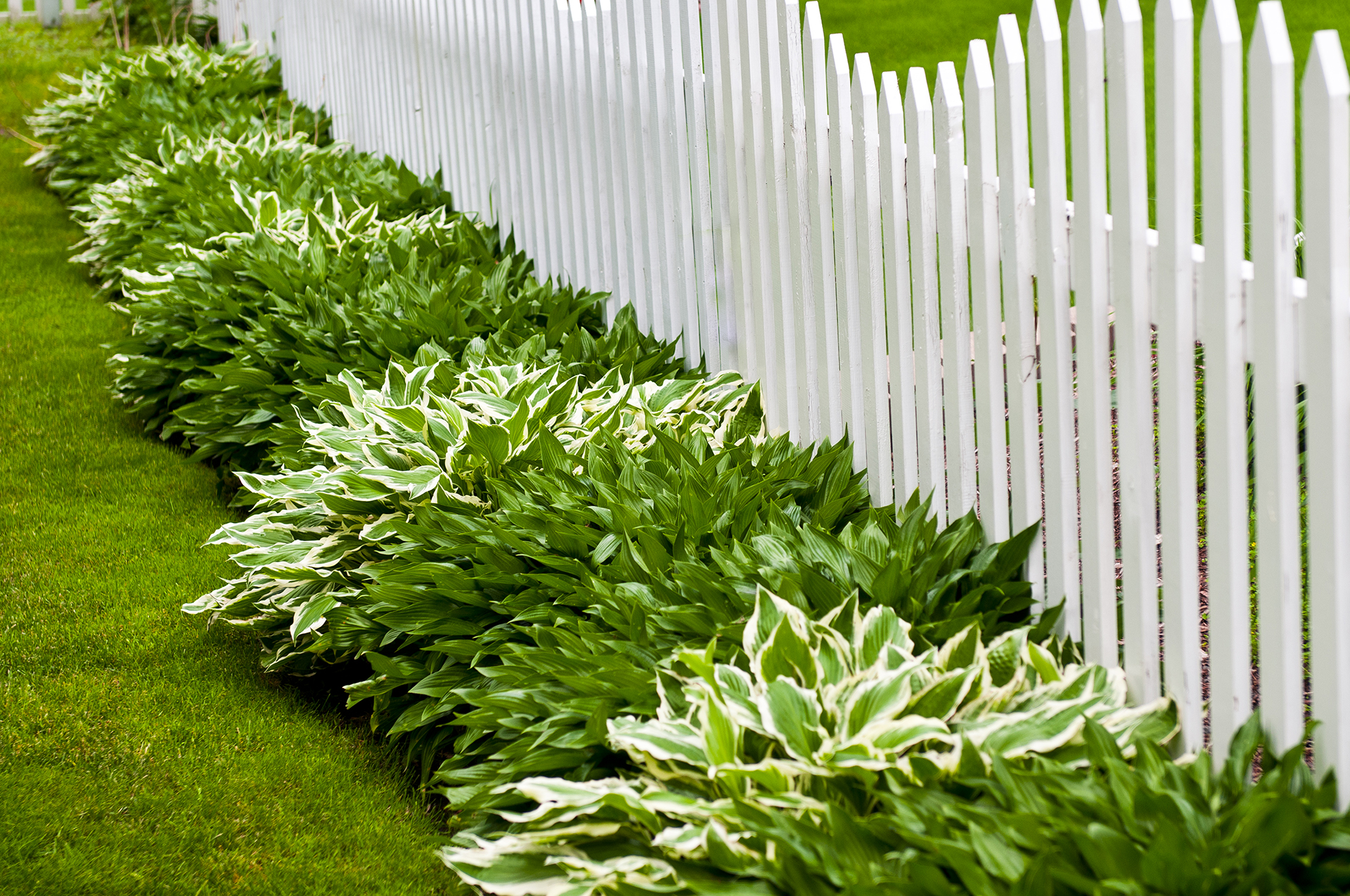
To plant hostas, the most suitable time is during the spring months, typically in April or May. This timing allows the hostas to establish their roots before the heat of summer sets in. Alternatively, you can also plant hostas in the early fall months of September or October, which gives them a chance to take root before the onset of winter.
Planting hostas during these periods ensures that they benefit from moderate temperatures and sufficient rainfall, promoting healthy growth.
Best Timing for Planting Hostas
Planting hostas in the spring or fall is generally recommended. The specific timing within these seasons can depend on your local climate. Here’s a detailed look:
- Spring Planting: Ideal for most zones, as the soil is warming up.
- Fall Planting: Suitable for climates where winters are mild, giving hostas time to establish.
- Avoid Mid-Summer: High temperatures can stress new plants.
Preparing the Soil for Hostas
Before planting hostas, it's crucial to prepare the soil properly. Hostas thrive in well-draining soil that retains some moisture. Key steps include:
- Testing Soil pH: Aim for a pH between 6.0 and 7.0 for optimal growth.
- Adding Organic Matter: Incorporate compost or well-rotted manure to improve fertility.
- Ensuring Drainage: Check that your planting area does not retain excess water.
Choosing the Right Location
When planting hostas, the right location is vital. These plants prefer a specific light and moisture situation. Consider the following:
- Shade to Partial Shade: Hostas generally do better in areas with filtered sunlight.
- Protection from Wind: Choose a spot that is sheltered to prevent wind damage.
- Adequate Space: Ensure you leave enough room for the hostas to grow and spread.
Watering Needs After Planting
Post-planting care is essential for the health of hostas. Proper watering can make a significant difference in their establishment. Keep in mind:
See also:
- Initial Watering: Water thoroughly after planting to settle the soil around roots.
- Consistent Moisture: Keep soil moist but not soggy for the first few weeks.
- Adjusting for Rainfall: Monitor rainfall and adjust watering accordingly to prevent overwatering.
Common Mistakes to Avoid
When planting hostas, some common mistakes can hinder their growth. To ensure your plants thrive, be cautious of:
- Planting Too Deep: Ensure the crown of the plant is at soil level.
- Ignoring Sunlight Requirements: Planting in too much sun can scorch leaves.
- Neglecting Fertility Needs: Regularly add organic matter to maintain soil health.
How many hostas should I plant together?
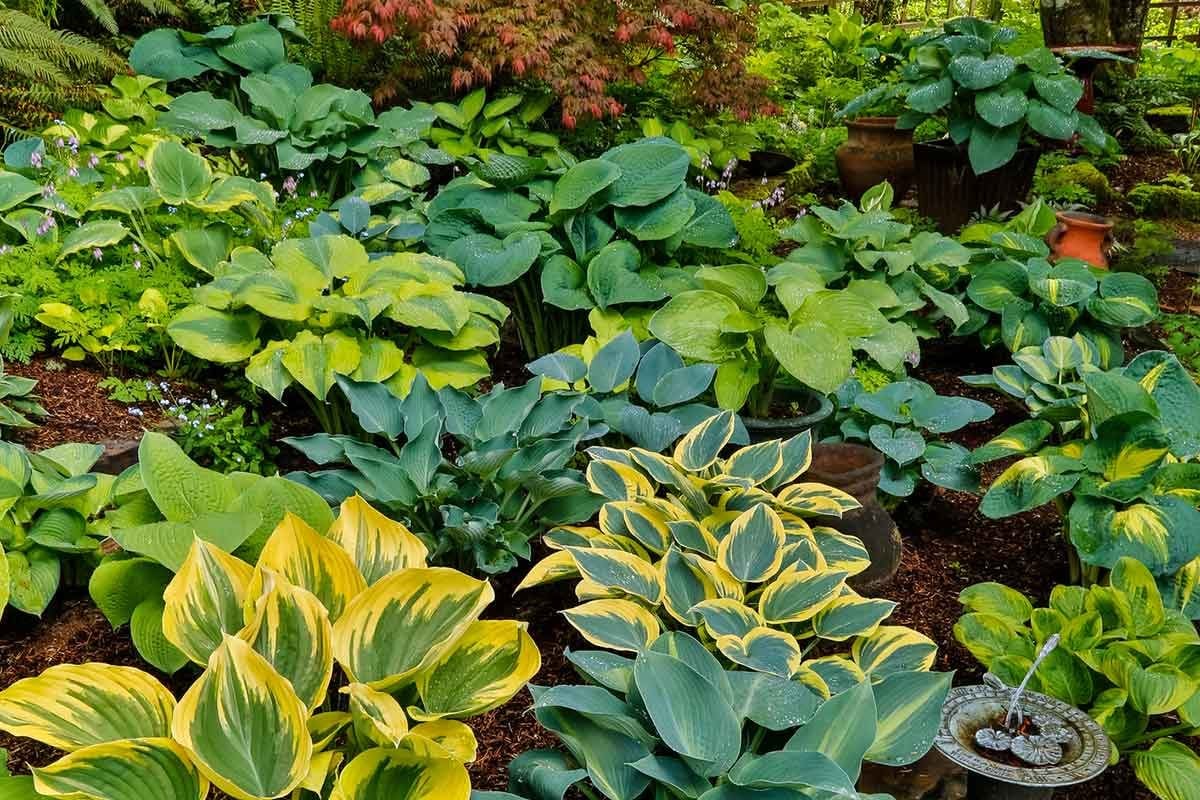
To determine how many hostas you should plant together, several factors must be considered, including the species of hosta, the space available, and the desired aesthetic effect. Generally, hostas are best planted in groups for a more natural look and to enhance their visual impact.
A common recommendation is to plant hostas in clusters of 3 to 5 plants, but this can vary based on the size of the hosta. Smaller varieties might be suitable for planting in larger numbers, while larger varieties might require more space to thrive.
When planning your planting, it’s essential to consider their mature size and growth habits. Hostas can range from 6 inches to 4 feet in height and width, meaning that spacing is key to prevent overcrowding and to allow for proper air circulation.
In summary, start with a core group of 3 to 5 hostas per cluster, and adjust the number based on the specific variety and your garden design.
Factors Influencing Planting Density
The number of hostas you plant together can depend on various factors. Understanding these will help you create a more harmonious garden design:
- Species of Hostas: Different species vary in size and growth rate.
- Available Space: Measure your garden bed to determine how many plants can comfortably fit.
- Aesthetic Preference: Decide if you prefer a more natural grouping or a structured look.
Understanding Hostas' Growth Habits
Hostas are known for their vigorous growth. Knowing their growth habits will help ensure that they have enough room to develop without competing too fiercely for resources:
- Mature Size: Each variety can grow significantly; larger varieties need more space.
- Foliage Density: More leaves mean more demands for nutrients and sunlight.
- Spread Rate: Some hostas can spread quickly, affecting how many you should plant.
Creating Visual Impact with Hostas
When planting hostas, creating visual interest is crucial. A well-planned arrangement can enhance the beauty of your garden:
- Color Variation: Group different leaf colors for a dynamic look.
- Texture Diversity: Combine smooth and textured leaves for added depth.
- Layering Heights: Place taller hostas at the back and shorter ones in front for better visibility.
Maintenance Considerations
Maintaining hostas involves considering how their planting density affects care and upkeep:
- Watering Needs: Denser plantings can lead to more competition for water.
- Fertilization: More plants may require more frequent feeding.
- Pest Management: Crowd planting can increase the risk of pest infestations.
Environmental Factors to Consider
The environment in which your hostas are planted can greatly influence how many you should consider planting together:
- Sunlight Exposure: Ensure they receive adequate sunlight based on their variety.
- Soil Quality: Good soil can support more plants without issues.
- Climate Conditions: Local weather patterns can dictate growth rates and spacing.
What is the secret to growing hostas?
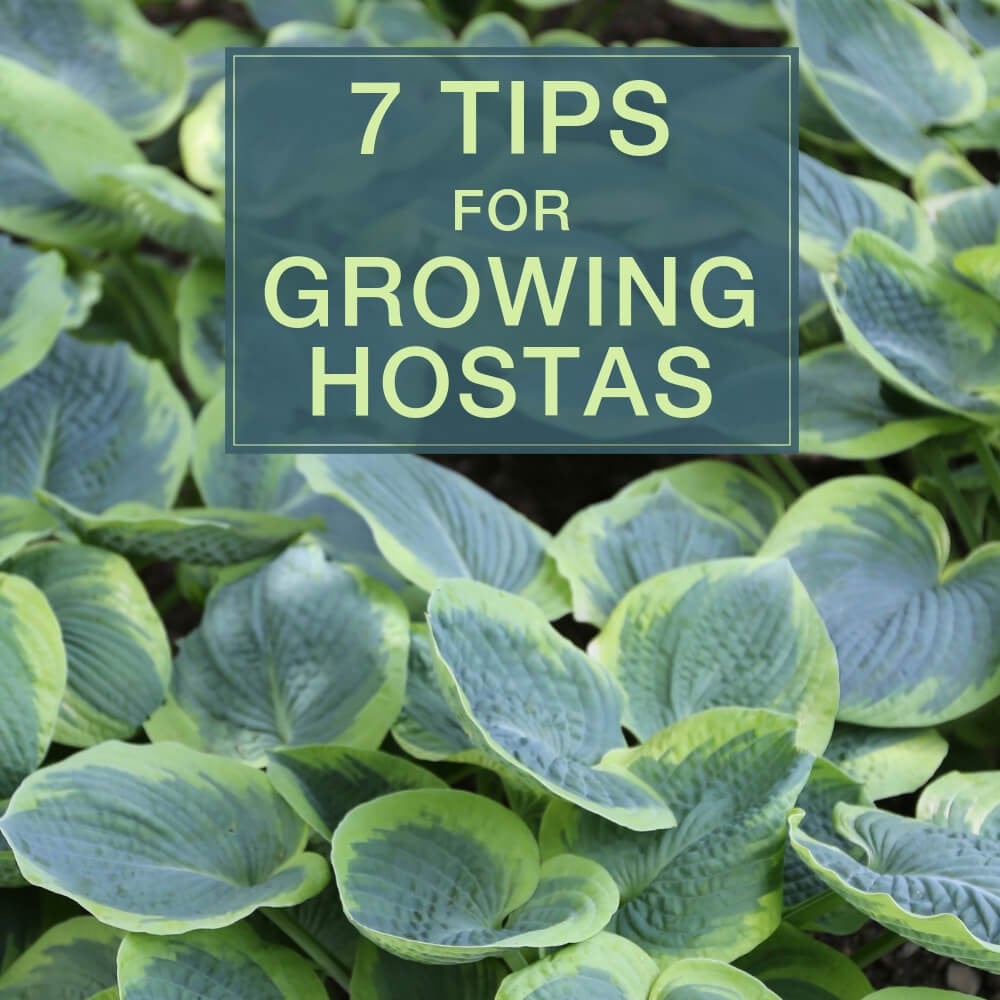
The secret to growing hostas lies in several key factors that help ensure these beautiful perennial plants thrive. Hostas are prized for their lush foliage and adaptability to different environments, but knowing how to cultivate them effectively can elevate their beauty and health. Here are essential tips that will contribute to successful hosta growth.
Choosing the Right Location
Selecting the appropriate site for your hostas is crucial to their success. Hostas generally prefer partial to full shade but can tolerate some morning sun. Consider the following points when choosing a location:
See also:
- Assess the light conditions: Determine how much sun your chosen area receives throughout the day.
- Ensure good drainage: Hostas do not like waterlogged soil; therefore, choose an area with well-draining properties.
- Protect from strong winds: A sheltered spot can help prevent leaf damage from harsh weather conditions.
Soil Preparation
Hostas thrive in rich, well-draining soil that retains some moisture. Proper soil preparation is vital for their growth. Consider these elements:
- Test your soil pH: Hostas prefer a slightly acidic to neutral pH (6.0-7.0).
- Incorporate organic matter: Adding compost or well-rotted manure can improve soil structure and nutrient content.
- Avoid heavy clay soils: If your soil is clay-heavy, consider raised beds or amending with sand to enhance drainage.
Watering Techniques
Proper watering practices are essential for healthy hostas. They prefer consistently moist but not soggy conditions. Here’s how to manage watering:
- Water deeply but infrequently: This encourages root growth; aim for about an inch of water per week.
- Use mulch: Applying a layer of organic mulch helps retain moisture and suppress weeds.
- Monitor weather conditions: Adjust your watering schedule based on rainfall and temperature changes.
Fertilization Strategies
Hostas benefit from balanced fertilization, especially during the growing season. Proper fertilization promotes vibrant foliage. Follow these guidelines:
- Use a slow-release fertilizer: Opt for a product with balanced nitrogen, phosphorus, and potassium.
- Fertilize in spring: Apply fertilizer as new growth begins to appear.
- Limit fertilization in late summer: This helps prevent soft growth that can be damaged by winter conditions.
Pest and Disease Management
While hostas are relatively low-maintenance, they can be susceptible to pests and diseases. Effective pest and disease management techniques include:
- Regularly inspect your plants: Look for signs of pests like slugs, snails, and aphids.
- Employ organic pest control methods: Use barriers like copper tape or natural insecticides if necessary.
- Ensure good air circulation: Proper spacing can help reduce fungal diseases in humid conditions.
Where is the best place to put hostas?
:max_bytes(150000):strip_icc()/2555801_grumpjames-salomondsc_8479_0-2000-e77270539a164a2884dac60b98b355b1.jpg)
Hostas are versatile and popular perennial plants that thrive in various conditions. The best place to put hostas depends on several factors, including sunlight, soil type, and moisture levels.
Sunlight Requirements
Hostas prefer shade to partial shade conditions. When determining where to plant them, consider the following:
- Deep Shade: Hostas are happiest in areas with filtered sunlight, such as under trees or shaded garden spots.
- Partial Sun: Some varieties can tolerate a few hours of direct sunlight, particularly in the morning.
- Avoid Hot Sun: Excessive afternoon sun can scorch the leaves, causing damage and reducing the plant's vibrancy.
Soil Type
The right soil is crucial for hostas to flourish. Look for areas with:
- Well-Draining Soil: Hostas thrive in soil that retains moisture but drains well to avoid root rot.
- Rich Organic Matter: Incorporate compost or other organic materials to improve soil quality and nutrient availability.
- pH Level: Aim for a slightly acidic to neutral pH (around 6.0 to 7.0) for optimal growth.
Moisture Levels
Hostas require consistent moisture, making the right location vital. Consider:
- Moisture retention: Areas where soil retains moisture, such as near a pond or in low-lying garden beds, are ideal.
- Regular Watering: If planted in drier areas, ensure regular watering, especially during hot weather.
- Avoid Waterlogged Areas: Ensure that the location does not collect standing water, which can lead to root problems.
Companion Plants
Hostas can be paired with various companion plants that share similar growing conditions. Consider:
- Ferns: These shade-loving plants enhance the beauty of hostas and thrive in similar environments.
- Astilbes: These flowering plants enjoy similar soil and moisture levels, providing visual interest in the garden.
- Heuchera: Also known as coral bells, these plants can complement hostas with their vibrant foliage and similar light requirements.
Location in the Garden
Selecting the right location for hostas in your garden setup is essential for maximizing their aesthetic appeal and growth. Think about:
- Border Planting: Hostas make excellent border plants, softening edges and adding contrast.
- Under Trees: They thrive in woodland gardens, where they can benefit from dappled sunlight.
- Container Planting: For mobility and style, hostas can also be placed in containers, allowing them to be moved as needed.
Questions from Our Readers
What is the best month to plant hostas?
Hostas are best planted in the spring, typically around April or May, once the risk of frost has passed. This timing allows the plants to establish their roots before the hotter summer months.
Can hostas be planted in the fall?
Yes, hostas can also be planted in the fall, generally in September or early October, before the ground freezes. However, planting in the fall limits their root establishment during the cool months before winter.
What factors should be considered when planting hostas?
When planting hostas, consider climate, soil type, and sunlight conditions, as these factors significantly affect their growth. Hostas thrive in moist, well-drained soil and usually prefer partial to full shade.
See also:
How should hostas be cared for after planting?
After planting, it's important to keep hostas well-watered, especially during the first few weeks. Applying a layer of mulch can help retain moisture and suppress weeds, promoting healthy growth.

If you want to read more articles like What Month Is Best to Plant Hostas? Essential Tips for Successful Gardening, we recommend you check out our Hostas category.
Leave a Reply
Related Articles