Ultimate Guide: How to Arrange Hostas in a Garden for Stunning Visual Appeal
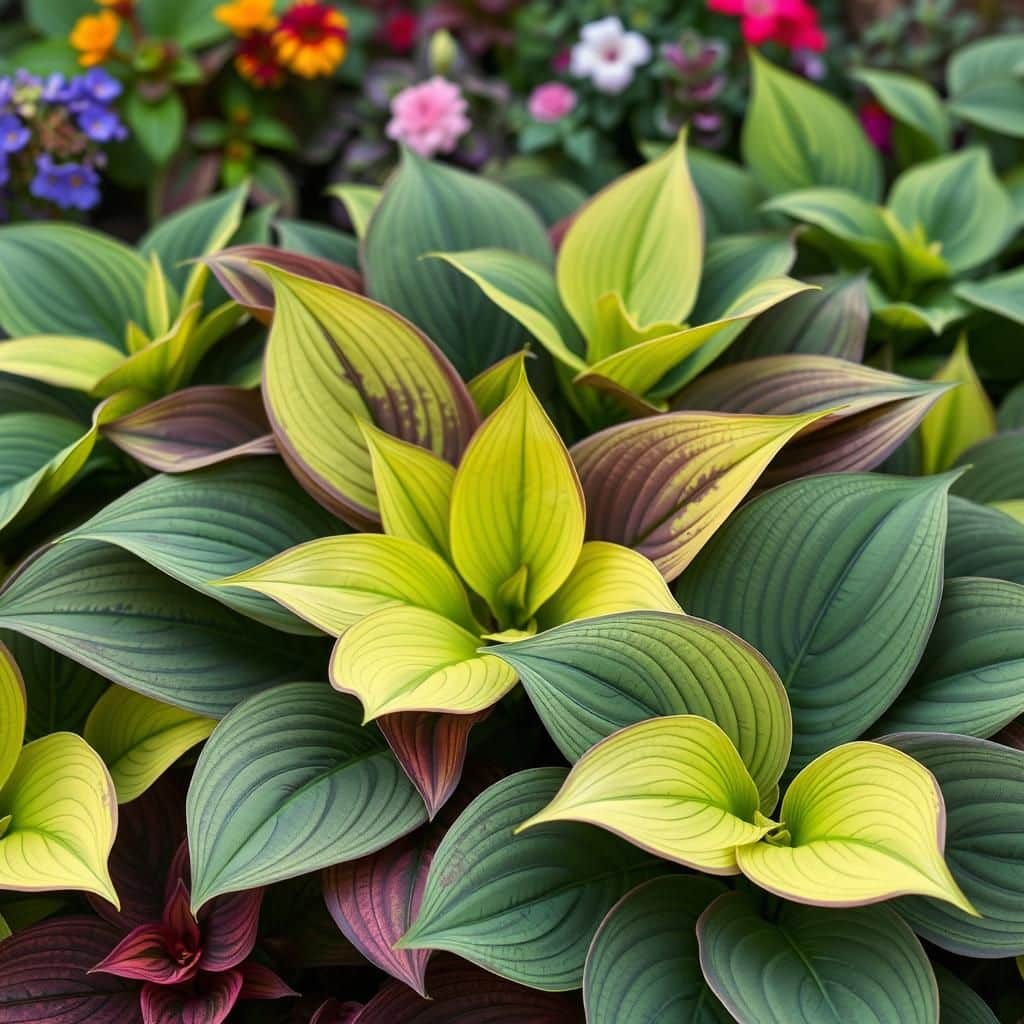
Creating a stunning garden design with hostas can elevate the aesthetic appeal of any outdoor space. Known for their lush foliage and variety of colors, hostas are a favorite among gardeners seeking a low-maintenance yet visually striking plant. In this ultimate guide, we will explore essential tips and techniques for arranging hostas in your garden, ensuring a harmonious blend of textures and hues. From selecting the right varieties to understanding their light and moisture requirements, this comprehensive overview will help you craft a breathtaking display that showcases the beauty of these versatile plants, making your garden a true sanctuary.
How to Arrange Hostas in a Garden
To successfully arrange hostas in your garden, it is essential to consider their natural growth habits, leaf colors, and sizes. These plants thrive in partial shade to full shade environments, so choose locations where they can receive filtered sunlight to enhance their vibrant foliage. Start by designing your layout based on the varying heights of different hosta varieties; place taller types in the back or center of beds while grouping shorter ones in the front for visual balance. Mixing types and colors can create a dynamic and interesting display, while also ensuring good spacing to allow air circulation. Regularly assess the growth and adjust placements as necessary, keeping in mind their mature size to prevent overcrowding.
Choosing the Right Location
Selecting the optimal location for your hostas is crucial for their growth and vibrancy. Hostas prefer shade or partial shade, as direct sunlight can scorch their leaves. Look for areas under trees or structures that provide ample protection from the sun, while allowing them enough room to spread without competing too aggressively for nutrients. Evaluate the soil quality to ensure it offers the necessary drainage and nutrients, which can be enhanced with the addition of organic matter.
Creating Layers for Visual Interest
One effective technique for arranging hostas is to create layers within your garden design. Taller varieties can act as a backdrop, promoting a lush feel while framing lower ground covers in the front. This vertical layering technique can add depth and intrigue to your garden, leading the eye across various textures and shades. Consider the contrast of leaf shapes and colors, such as pairing heart-shaped leaves with broader ones, to enhance the overall aesthetic.
Mixing Colors and Textures
When arranging hostas, incorporating a mix of colors and textures can provide an engaging visual experience. Hostas possess a wide variety of leaf colors, ranging from deep greens to striking variegated patterns, which can be grouped or interspersed to create a cohesive yet diverse display. Pairing smooth-leaf varieties with textured ones can also be appealing, as it adds complexity to the garden's visual profile.
Spacing Considerations
Proper spacing is key when arranging hostas to foster healthy growth. Each variety has its own mature size, so research and allow enough space to prevent overcrowding, which could lead to competition for nutrients and light. Generally, aim for spacing of at least 1 to 3 feet apart, depending on the size of the hostas, ensuring they can thrive and the foliage can be fully appreciated as they mature.
Maintenance and Adjustments
As hostas grow, regular maintenance is vital to keep their arrangement looking its best. This includes monitoring their health, removing any dead leaves, and addressing any signs of pests or disease. Additionally, be open to making adjustments to their layout over time, especially in response to their growth patterns or other plants’ behaviors within the garden. Revisiting your arrangement in each season can result in a more vibrant and attractive display.
| Hosta Variety | Mature Height | Leaf Color |
|---|---|---|
| Hosta 'Sum and Substance' | 36 inches | Chartreuse |
| Hosta 'Francee' | 20 inches | Green with white margins |
| Hosta 'Blue Angel' | 36 inches | Blue |
| Hosta 'Patriot' | 30 inches | Green and white |
| Hosta 'June' | 15 inches | Gold with blue |
How to plant hostas in groups?
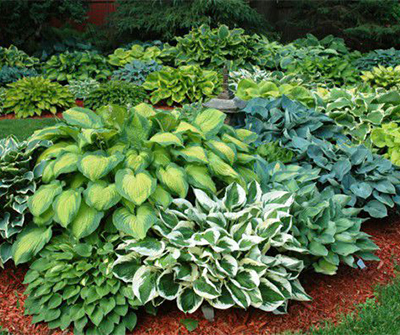

To successfully plant hostas in groups, follow these detailed steps:
Choosing the Right Location
Selecting the appropriate location is crucial for the health and growth of hostas. They thrive best in areas with indirect sunlight or partial shade. Here are some important considerations when choosing a site:
- Shade Tolerance: Hostas are shade-loving plants. Ideal spots are under trees or on the north side of buildings.
- Soil Quality: Ensure the soil is rich in organic matter. Well-draining soil helps prevent root rot.
- Moisture Levels: Hostas enjoy consistent moisture but dislike soggy conditions. Look for areas that retain moisture without pooling water.
Preparing the Soil
Proper soil preparation supports root growth and nutrient uptake. Here are steps to improve soil conditions:
- Soil Testing: Conduct a soil test to check pH and nutrient levels. Hostas prefer slightly acidic to neutral soil (pH 6.0-7.0).
- Amendments: Incorporate compost or well-rotted manure to enhance soil fertility and structure.
- Tilling: Loosen the soil to a depth of at least 12 inches to promote root expansion.
Selecting Hostas
Choosing the right hosta varieties is essential to creating a cohesive and attractive grouping. Consider the following:
- Color: Hostas are available in a variety of colors, from vibrant greens to blues and variegated varieties. Choose colors that complement each other.
- Size: Hostas come in various sizes. Select a mix of mini, medium, and large hostas for visual interest and balance.
- Texture: Different leaf textures can add depth to your arrangement. Look for smooth, ribbed, and wavy leaves.
Planting Techniques
When planting hostas, proper techniques ensure healthy growth. Follow these essential steps:
- Spacing: Plant hostas in groups with sufficient spacing (typically 2-3 feet apart) to allow for natural growth.
- Hole Preparation: Dig holes that are twice as wide as the root ball and just as deep. This allows roots to spread easily.
- Watering: After planting, water thoroughly to help the soil settle and eliminate air pockets.
Caring for Group Plantings
Ongoing care is vital for the success of your hosta groupings. Here are essential care tips:
- Watering: Ensure consistent moisture, especially during dry spells. Water deeply but infrequently.
- Fertilization: Apply a balanced fertilizer in early spring as new growth begins, and consider a second application mid-season.
- Pest Control: Monitor for slugs and snails, which are common pests. Use barriers, traps, or organic pesticides if necessary.
Do hostas like to be crowded?
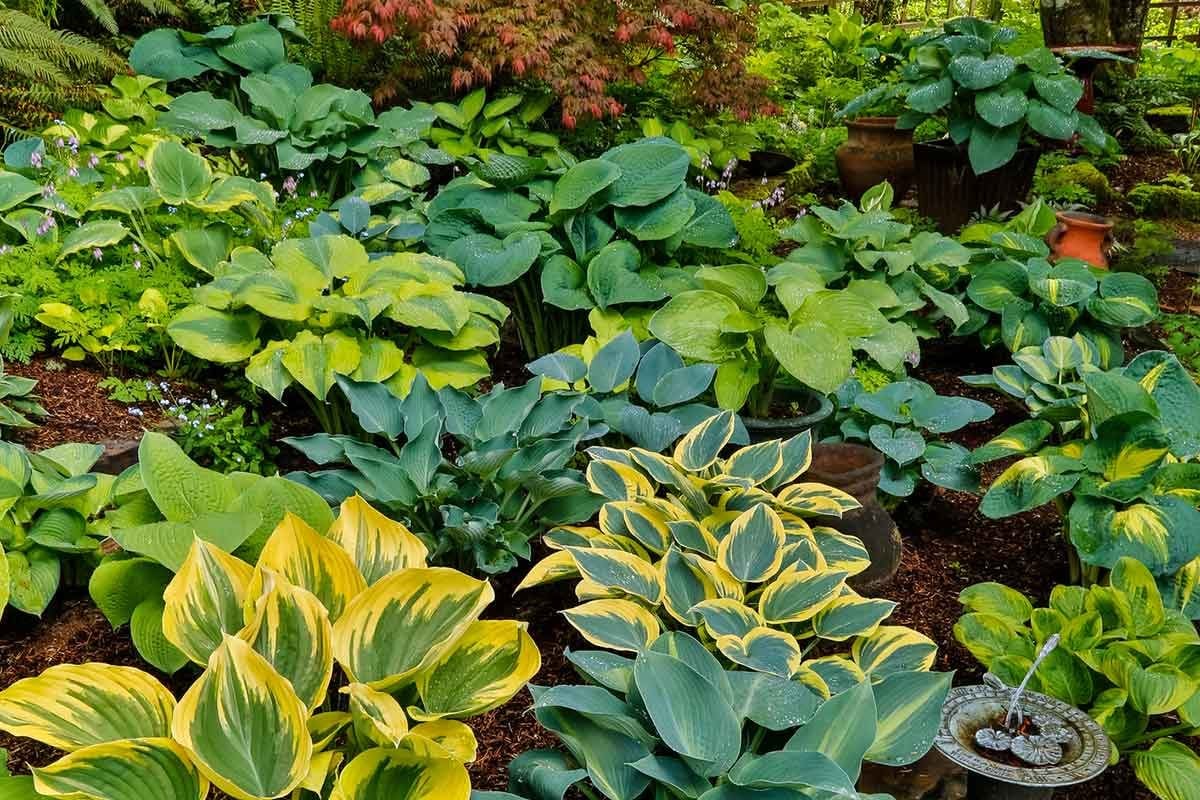
Hostas do not particularly like to be crowded. In fact, overcrowding can lead to several issues that can negatively affect their growth and appearance. Hostas are shade-loving perennial plants that thrive in well-drained soil and prefer some space to spread their leaves and roots. When planted too closely together, they can compete for nutrients and water, which may stunt their growth and lead to poor health.
See also:
Signs of Overcrowding in Hostas
Overcrowding can manifest in various ways in hosta plants. Identifying these signs early can help manage plant health.
- Stunted Growth: Hostas that are crowded may not grow to their full potential; they will remain smaller and less vigorous compared to those with adequate space.
- Poor Leaf Development: Leaves may become smaller and less lush, resulting in a less attractive plant overall.
- Increased Disease Susceptibility: Crowded plants can create humid conditions that encourage fungal diseases, as airflow around the leaves is reduced.
Ideal Spacing for Hostas
Providing enough space for hostas is crucial for their growth and longevity. Properly spacing them allows for optimal sunlight exposure and nutrient absorption.
- General Rule of Thumb: Space hostas approximately 2 to 4 feet apart, depending on the variety, to ensure they have enough room to grow.
- Consider Mature Size: Different hosta varieties can grow to different sizes; large varieties will need more space than smaller ones.
- Allow for Expansion: Hostas tend to spread over time; planning for their mature size will prevent overcrowding in the future.
Benefits of Proper Spacing
Properly spaced hostas offer several benefits that enhance their appearance and health.
- Improved Air Circulation: Adequate spacing allows air to flow freely around the plants, reducing the risk of disease and promoting overall health.
- Better Access to Resources: Each plant can better access water and nutrients from the soil when not competing with neighboring hostas.
- Enhanced Aesthetic Appeal: Well-spaced hostas present a more organized and visually pleasing landscape compared to overcrowded arrangements.
How to Manage Overcrowded Hostas
If hostas become overcrowded, several management strategies can help restore their health.
- Dividing Hostas: Every few years, it’s beneficial to divide hostas to rejuvenate them and give them more space to grow.
- Removing Excess Plants: If hostas are too crowded, removing some plants can relieve pressure on the remaining specimens, allowing them to thrive.
- Transplanting: Consider moving overcrowded hostas to another part of the garden or to a friend’s yard to ensure they have enough space.
Long-Term Care for Hostas
Long-term care is essential for maintaining healthy hostas, especially in the context of spacing and growth.
- Regular Monitoring: Keep an eye on your hostas as they grow; this will help you assess whether they need more space.
- Providing Nutrients: Regularly amend the soil with organic matter and fertilizers as needed, ensuring they have adequate nutrients without competition.
- Water Management: Make sure each plant receives sufficient watering, particularly during dry spells, to maintain their health in a crowded setting.
Questions from Our Readers
How should I choose the location for hostas in my garden?
To choose the right location for your hostas, consider light conditions. Hostas thrive in shade to partial shade, making them ideal for areas that do not receive direct sunlight. Additionally, ensure the soil has good drainage and is rich in organic matter to support healthy growth.
What factors should I consider when spacing hostas?
When spacing hostas, consider their mature size and growth habits. It's important to allow enough space between plants to avoid overcrowding, which can lead to poor air circulation and increase the risk of disease. A general rule is to space them about 2 to 4 feet apart, depending on the specific variety.
Can hostas be arranged with other plants?
Yes, hostas can be beautifully arranged with other plants! They pair well with ferns, heucheras, and shade-tolerant perennials. When arranging, focus on creating contrast in color, texture, and height to create a visually appealing garden while ensuring that all plants have similar light and water requirements.
See also:
What care do hostas need after arranging them in the garden?
After arranging hostas in your garden, they require consistent watering to establish their roots, particularly during dry spells. Regular mulching helps retain moisture and suppress weeds. Additionally, it's beneficial to provide fertilization every spring with a slow-release fertilizer to promote healthy growth throughout the growing season.

If you want to read more articles like Ultimate Guide: How to Arrange Hostas in a Garden for Stunning Visual Appeal, we recommend you check out our Hostas category.
Leave a Reply
Related Articles