Ultimate Guide: How to Get Really Big Hostas? Tips and Tricks for Lush Growth

Hostas are beloved for their lush foliage and ability to thrive in various garden conditions. If you're looking to cultivate truly massive hostas that become the centerpiece of your landscape, you've come to the right place. This ultimate guide will delve into the essential tips and tricks for achieving impressive growth in your hostas. From selecting the right varieties to providing optimal care, we'll cover everything you need to know to ensure your plants flourish. Prepare to transform your garden into a vibrant oasis with these expert strategies for growing big, beautiful hostas that will leave your neighbors in awe.
Tips for Growing Big Hostas
To achieve really big hostas, it is essential to prioritize their growing conditions and care, starting with selecting the right variety known for its size potential, ensuring they receive adequate light—preferably in partial shade—and providing nutrient-rich, well-draining soil. Regular watering, particularly during dry spells, and applying a slow-release fertilizer in spring can significantly enhance their growth. Moreover, giving them enough space to spread out and thrive without competition from other plants is crucial, along with performing routine maintenance such as dividing overcrowded plants every few years to promote healthier growth.
Choosing the Right Variety
Selecting large hosta varieties, such as 'Big Daddy' or 'Empress Wu', will greatly influence your success in growing big hostas. These specific types are genetically programmed to achieve a larger size and often have robust foliage that can withstand various environmental conditions. Researching and choosing the ones that are best suited for your growing region will ensure that you maximize their potential for size and health.
Optimal Growing Conditions
Hostas thrive in partially shaded areas with protection from the hot afternoon sun, which can scorch their leaves. Thus, proper placement is vital. They prefer rich, well-draining soil that retains moisture without becoming waterlogged. You can enhance the soil's quality by adding ample organic material such as compost, which not only nourishes the plants but also improves soil structure, allowing for better root establishment and growth.
Watering and Fertilizing
Consistent watering is crucial, especially during dry spells, as hostas need moisture to grow large and healthy. Aim to keep the soil evenly moist, but avoid waterlogging. Utilizing a balanced slow-release fertilizer in early spring will support vigorous growth, while an organic mulch can help retain soil moisture and reduce competition from weeds. Adjusting your watering frequency according to the season's rainfall will help this lush foliage thrive.
Spacing and Maintenance
Providing adequate space when planting hostas is critical to prevent overcrowding, which can stunt their growth. Aim to space your hostas according to their mature size, allowing for air circulation and access to nutrients. Regular maintenance, including dividing plants every few years when they become too crowded, encourages stronger growth and prevents disease, resulting in larger and healthier specimens.
Pest and Disease Management
Keeping an eye out for pests such as slugs, snails, and aphids is essential, as these can damage the leaves and hinder growth. Implementing preventive measures like using barriers or organic treatments can help protect your plants. Additionally, monitoring for signs of diseases like crown rot or leaf spots ensures that any issues are addressed promptly, maintaining the overall health of your hostas and enabling them to grow to their full potential.
| Aspect | Recommendation |
|---|---|
| Variety | Choose large varieties like 'Big Daddy' |
| Location | Partial shade, protected from afternoon sun |
| Soil | Rich, well-drained with organic matter |
| Watering | Consistent moisture, avoid waterlogging |
| Fertilizing | Slow-release fertilizer in spring |
How do I make my hostas bigger?

To make your hostas bigger, you can implement several strategies that focus on proper care, ideal conditions, and regular maintenance. Here are some key aspects to consider:
Watering Techniques
Proper watering is essential for the growth of hostas. When soil is consistently moist but not soggy, hostas will thrive more effectively. Here are some tips for watering:
- Soil Check: Ensure the soil is damp before watering. Overwatering can lead to root rot.
- Deep Watering: Water deeply and less frequently to encourage deep root growth.
- Time of Day: Water in the early morning or late afternoon to prevent evaporation.
Soil Quality
The quality of the soil plays a crucial role in the growth of hostas. Rich, well-draining soil is ideal. Consider the following:
- Soil Type: Use a loamy soil rich in organic matter for best results.
- pH Levels: Aim for a pH range of 6.0 to 7.5 for optimal growth.
- Soil Enrichment: Amend the soil with compost to improve nutrient content and drainage.
Fertilization Methods
Regular fertilization can provide the nutrients that hostas need to grow larger. Here’s how to effectively fertilize:
See also:
- Type of Fertilizer: Use a slow-release balanced fertilizer specifically formulated for perennials.
- Application Time: Fertilize in early spring as new growth begins and again in mid-summer.
- Organic Options: Consider natural fertilizers like fish emulsion or manure for a more eco-friendly approach.
Light Conditions
Hostas prefer shaded or partially shaded areas, but the right light exposure can influence their size. To optimize growth:
- Shade Preferences: Plant hostas in areas with filtered sunlight or dappled shade.
- Avoid Direct Sun: Limit exposure to intense afternoon sun, which can scorch the leaves.
- Experiment: Observe how your hostas respond to different light conditions and adjust accordingly.
Dividing Hostas
Dividing hostas is a technique used not only to propagate plants but also to encourage larger growth. Here’s how to do it:
- When to Divide: Divide hostas ideally every 3 to 5 years in spring or early fall.
- Method: Carefully dig up the plant, separate the clumps, and replant them at proper distances.
- Post-Division Care: Water thoroughly after dividing and apply mulch to retain moisture.
What can I put on hostas to make them grow?
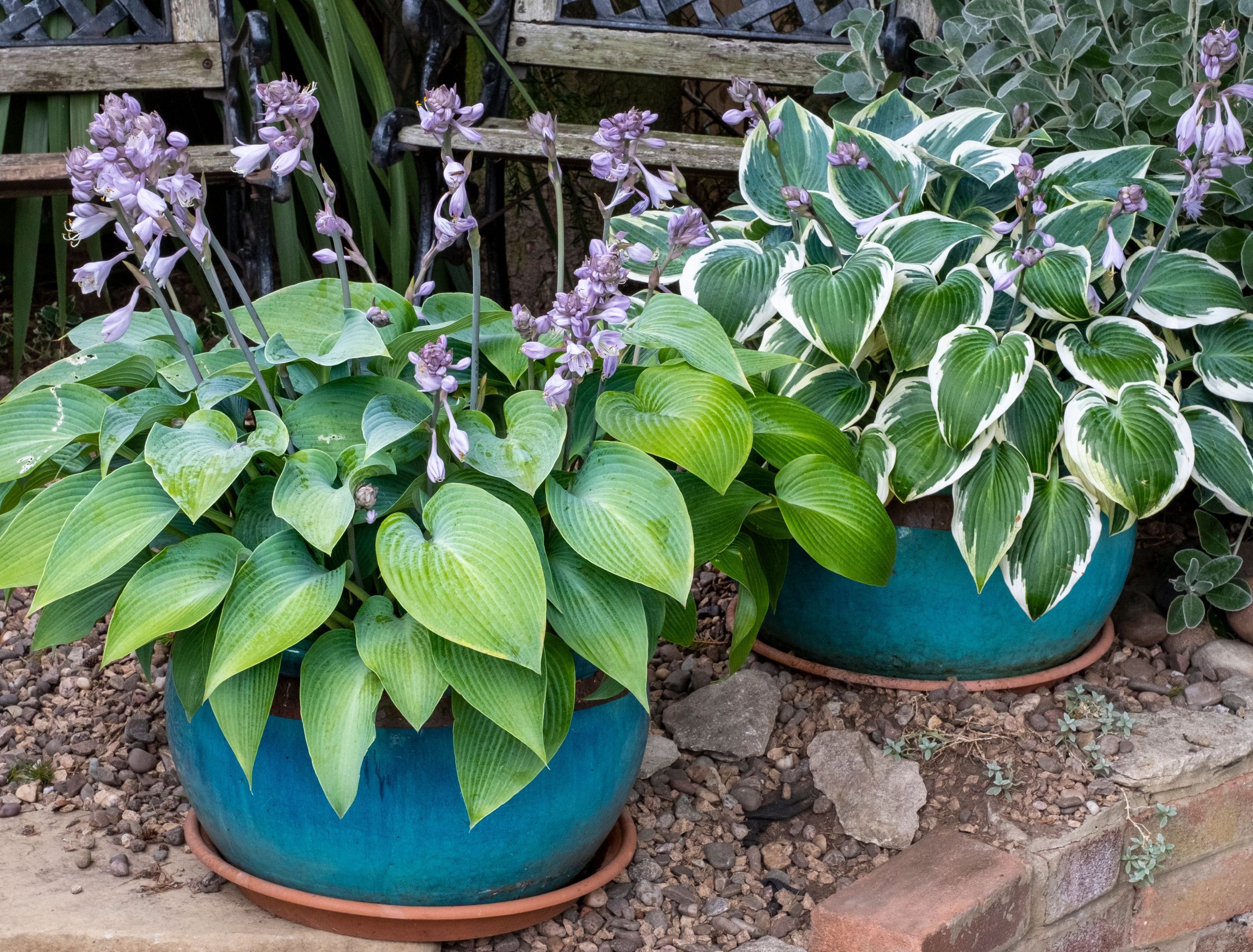
To enhance the growth of hostas, various strategies can be employed, focusing on soil quality, fertilization, and optimal growing conditions. Here are key components you can utilize:
1. Organic Matter: Adding compost or well-rotted manure improves soil structure and provides essential nutrients.
2. Mulching: A layer of organic mulch retains moisture, regulates temperature, and suppresses weeds.
3. Fertilizers: Incorporate nutrient-rich fertilizers specifically designed for foliage plants.
4. Watering: Ensuring adequate moisture is crucial; hostas prefer consistently moist soil but not waterlogged conditions.
5. Sunlight: Evaluate the sun exposure, as hostas thrive in partial to full shade.
Organic Matter for Hostas
Adding organic matter is critical for hosta growth. By incorporating compost or well-decomposed manure into the soil, you enhance its nutrient profile and moisture retention capabilities. This practice not only feeds the plants but also improves soil aeration and drainage, providing a healthier root environment.
- Increases nutrient availability.
- Improves soil texture and drainage.
- Supports beneficial soil organisms.
Best Fertilizers for Hostas
Fertilization plays a pivotal role in strengthening hostas. A balanced, slow-release fertilizer with a ratio such as 10-10-10 or one with a higher nitrogen content can encourage lush foliage growth. It’s essential to follow application recommendations to avoid burning the plants.
- Choose slow-release formulations for continuous feeding.
- Consider organic options like fish emulsion for gentle nourishment.
- Avoid over-fertilizing, which can harm the plants.
Watering Techniques for Hostas
Hostas require consistent moisture, so adopting the right watering techniques is essential. Water deeply and less frequently to encourage roots to grow downwards. Implementing a drip irrigation system can provide even moisture without risking fungal issues.
- Water in the morning to reduce evaporation.
- Check soil moisture before watering to prevent overwatering.
- Use mulch to help retain soil moisture.
Sunlight Requirements
Understanding the sunlight needs of hostas is crucial for optimal growth. Most varieties perform best in partial to full shade, with too much sun leading to leaf scorch. Positioning hostas in the right light conditions not only promotes healthy growth but also enhances their vibrant colors.
- Select locations with dappled sunlight.
- Avoid direct afternoon sun for best results.
- Be mindful of nearby plants that may overshadow hostas.
Pest Control and Management
Maintaining hosta health also involves vigilant pest management. Common pests include slugs, snails, and aphids that can damage foliage. Implementing preventative measures such as copper tape, barriers, or natural repellents can mitigate these threats effectively.
- Monitor plants regularly for signs of pest activity.
- Use organic pest control methods where possible.
- Encourage beneficial insects that prey on harmful pests.
What do coffee grounds do for hostas?
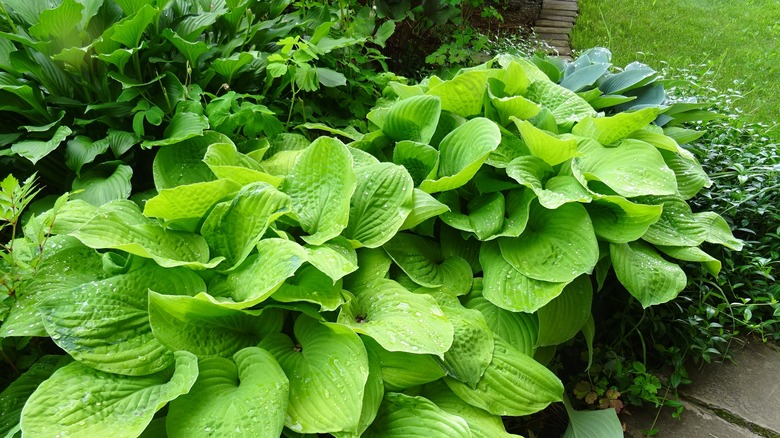
Coffee grounds can be beneficial for hostas, enhancing their growth and overall health. These grounds, which are often discarded after brewing, can provide important nutrients and improve soil quality when applied appropriately. Here are some of the benefits of using coffee grounds for hostas:
See also:
1. Nutrient Supply: Coffee grounds are rich in essential nutrients such as nitrogen, phosphorus, and potassium.
- Nitrogen is crucial for leafy growth and helps hostas develop robust foliage.
- Phosphorus supports root development and flowering.
- Potassium aids in overall plant health and disease resistance.
2. Soil Improvement: Incorporating coffee grounds can enhance soil structure.
- They help improve drainage in heavy soils, preventing waterlogged conditions that can harm hostas.
- Coffee grounds also add organic matter, promoting beneficial microbial activity in the soil.
3. pH Adjustment: Coffee grounds can influence soil acidity.
- Although used coffee grounds are generally considered to be neutral, they can slightly lower pH levels in alkaline soils.
- This makes them suitable for hostas which thrive in slightly acidic to neutral soil conditions.
4. Pest Deterrent: Applying coffee grounds can help repel certain pests.
- Grounds may deter slugs and snails, which are common threats to hostas.
- Their textured surface can be uncomfortable for these pests, reducing the likelihood of damage.
5. Mulching Benefits: Coffee grounds can serve as an effective mulch.
- They retain moisture in the soil, which is beneficial during dry periods.
- Coffee grounds can suppress weeds, reducing competition for nutrients and light, allowing hostas to flourish.
Nutrient Supply of Coffee Grounds
Using coffee grounds as a fertilizer provides hostas with essential nutrients. The high nitrogen content is especially important for promoting vigorous leafy growth, making hostas lush and vibrant. This nutrient supply is vital during the growing season and can lead to healthier plants in the long run.
- Enhances leafy growth with nitrogen.
- Supports root and flower development with phosphorus.
- Aids in overall plant health with potassium.
Soil Improvement Benefits
Incorporating coffee grounds into the soil can significantly improve its quality. They enhance the soil's ability to drain excess water while improving the soil's overall structure, making it easier for hostas to establish strong root systems. The organic matter in coffee grounds also encourages microbial activity, which is beneficial for soil health.
- Improves drainage in heavy soils.
- Adds organic matter for microbial activity.
- Enhances root development by improving soil structure.
Impact on Soil pH
One of the unique qualities of coffee grounds is their effect on soil pH levels. While used coffee grounds are often near neutral, they can slightly acidify alkaline soils, benefiting hostas that prefer slightly acidic environments. This adjustment can create a more favorable growing condition for hostas.
- Can lower pH levels in alkaline soils.
- Creates slightly acidic conditions favorable for hostas.
- Improves overall soil health.
Pest Deterrent Properties
Coffee grounds can work as a natural pest deterrent, particularly against common pests that threaten hostas. Their gritty texture can help keep slugs and snails at bay, protecting the tender leaves from being eaten. This makes coffee grounds a valuable part of an integrated pest management strategy.
- Helps repel slugs and snails.
- Reduces damage to hostas from pests.
- Encourages healthier plant growth by minimizing pest pressure.
Benefits of Mulching with Coffee Grounds
Using coffee grounds as mulch offers multiple benefits for hostas. They retain moisture in the soil, ensuring that plants have access to adequate hydration during hot weather. Additionally, coffee grounds can suppress weeds, allowing hostas to get the nutrients and light they need without competition.
- Retains moisture in the soil for hostas.
- Suppresses annoying weeds.
- Provides a protective layer that enhances soil health.
Questions from Our Readers
What is the best soil type for growing big hostas?
To achieve really big hostas, it’s crucial to use well-drained, rich soil that is high in organic matter. Incorporating compost or well-rotted manure can help retain moisture and provide essential nutrients that promote healthy growth.
How often should I water my hostas to encourage large growth?
Hostas thrive with consistent moisture, so watering them about once a week is ideal, especially during dry spells. However, ensure the soil does not become waterlogged, as overly soggy conditions can lead to root rot, hindering their growth.
See also:
What type of fertilizer is best for large hostas?
Using a balanced, slow-release fertilizer with a higher nitrogen content is beneficial for fostering larger hostas. Look for a product specifically designed for foliage plants, and apply it in early spring to support strong, vigorous growth throughout the growing season.
Are there specific hosta varieties that grow larger than others?
Yes, certain hosta varieties are known for their large size, such as ‘Empress Wu’ and ‘Big Daddy’. Selecting these varieties, combined with proper care and soil conditions, can significantly increase your chances of achieving really big hostas in your garden.

If you want to read more articles like Ultimate Guide: How to Get Really Big Hostas? Tips and Tricks for Lush Growth, we recommend you check out our Hostas category.
Leave a Reply
Related Articles