How Long Do Hostas Take to Grow Full Size? Discover the Growth Timeline and Tips for Success

Hostas are beloved perennials known for their lush foliage and tolerance of shade, making them a favorite among gardeners. However, patience is essential when cultivating these plants, as they can take several years to reach their full size. Understanding the growth timeline of hostas is crucial for successful gardening, as various factors influence their development, including species, soil conditions, and care practices. In this article, we’ll explore how long hostas typically take to mature, the stages of their growth, and practical tips to ensure that your hostas thrive beautifully in your garden.
How Long Do Hostas Take to Grow Full Size?
Hostas, known for their lush foliage and attractive presence in gardens, typically take 3 to 5 years to reach their full size, depending on the variety and growing conditions. During the first year, they primarily establish their root system, and by the second year, you'll start to see noticeable growth. Optimal sunlight, soil conditions, and consistent watering can all influence growth rates. Some hosta varieties are fast-growing, while others may take longer to mature, ultimately impacting how long it takes for them to bloom into a full-sized plant offering their signature texture and color.
Factors Affecting Hosta Growth Rate
Several key factors can significantly affect the growth rate of hostas. Soil quality, including drainage and nutrient content, plays a major role; hostas thrive in rich, well-drained soil. Sunlight exposure is another crucial element; while hostas are often shade-tolerant, the right level of light can enhance their growth. Watering frequency can also impact their development, as these plants prefer consistent moisture but dislike waterlogged conditions. Lastly, the specific hosta variety can determine how quickly the plant matures, with certain cultivars inherently faster in reaching full size than others.
Hosta Varieties and Their Growth Patterns
Different hosta varieties exhibit distinct growth patterns and timelines. For instance, miniature hostas may reach full size more quickly, within 2 to 3 years, while larger varieties like the Sum and Substance can take 4 to 6 years to reach their mature size. Understanding the characteristics of specific varieties helps gardeners set realistic expectations for growth. Each variety's unique genetics and environmental adaptability significantly influence how long it takes to see them flourish in the landscape.
Optimal Growing Conditions for Hostas
To facilitate rapid growth, hostas thrive in optimal conditions. They prefer a partially shaded area with rich, moist soil that retains some moisture without becoming soggy. Amending the soil with organic matter, such as compost, can greatly enhance nutrient levels and improve growth. Regular watering during dry spells is essential, but care should be taken to avoid overwatering, which can lead to root rot. Additionally, mulching around hostas can help maintain soil moisture and reduce competition from weeds, further supporting healthy growth.
Common Mistakes That Delay Growth
Many gardeners inadvertently make mistakes that can hinder the growth of hostas. One common error is planting hostas in areas that receive too much sunlight, leading to leaf scorch and stunted growth. Another is failing to adequately prepare the soil before planting; poor drainage or compacted soil can impede root development. Furthermore, improper watering habits, whether overwatering or underwatering, can stress the plants and slow growth. Understanding and avoiding these common pitfalls can help ensure that hostas grow efficiently and reach their full potential sooner.
How to Encourage Faster Growth in Hostas
To encourage faster growth in hostas, gardeners can take several proactive measures. Providing adequate water during dry periods is crucial—aim for about 1 inch per week of moisture through rainfall or irrigation. Fertilizing with a slow-release, balanced fertilizer in early spring can also boost nutrient availability, promoting vigorous growth. Furthermore, ensuring that hostas do not become overcrowded allows for better air circulation and light penetration, both essential for healthy development. Regularly removing dead leaves and debris helps maintain a clean environment around the plants, further supporting their growth.
| Hosta Variety | Time to Full Size |
|---|---|
| Miniature Hostas | 2 to 3 years |
| Medium-Sized Hostas | 3 to 4 years |
| Large Hostas | 4 to 6 years |
| Giant Hostas | 6 years or more |
How long does it take for hostas to get big?

Hostas are popular perennial plants known for their lush foliage and ability to thrive in shady environments. The time it takes for hostas to reach their full size can vary based on several factors, including the variety of hosta, growing conditions, and the care they receive. Typically, it can take anywhere from three to five years for hostas to reach their mature size.
Growth Rate of Hostas
The growth rate of hostas is influenced by factors such as genetics and environmental conditions. Different hosta varieties have varying growth rates:
- Fast-growing varieties: Some hostas can reach substantial sizes within three years.
- Medium-growing varieties: These may take about four years to achieve a good size.
- Slow-growing varieties: Certain types may require up to five years or more to reach maturity.
Factors Affecting Growth
Several factors can significantly affect the growth of hostas. Understanding these can help in maximizing their size:
- Soil quality: Well-draining, nutrient-rich soil promotes healthy growth.
- Watering: Consistent moisture is crucial; underwatered hostas may stagnate.
- Sunlight: While hostas prefer shade, too little light can stunt growth.
Planting Guidelines
Proper planting guidelines can also influence how quickly hostas grow. Here are some vital steps:
- Spacing: Plant hostas with adequate space for airflow and nutrient absorption.
- Timing: Early spring is the best time to plant hostas for optimal growth.
- Mulching: Adding mulch can help maintain moisture and improve soil conditions.
Care and Maintenance
Regular care and maintenance are essential to encourage robust growth in hostas:
- Fertilization: Using a balanced fertilizer in the spring can boost growth.
- Pest control: Keeping an eye out for pests can prevent damage to hostas.
- Division: Dividing overgrown hostas can rejuvenate them and promote quicker growth.
Expected Size of Mature Hostas
The expected size of mature hostas can vary widely based on variety. Generally, you can anticipate:
See also:
- Dwarf hostas: Typically reach sizes of 6 to 12 inches.
- Medium-sized hostas: Can grow anywhere from 12 to 24 inches.
- Large hostas: Some varieties may exceed 36 inches in height and width.
What makes hostas grow faster?
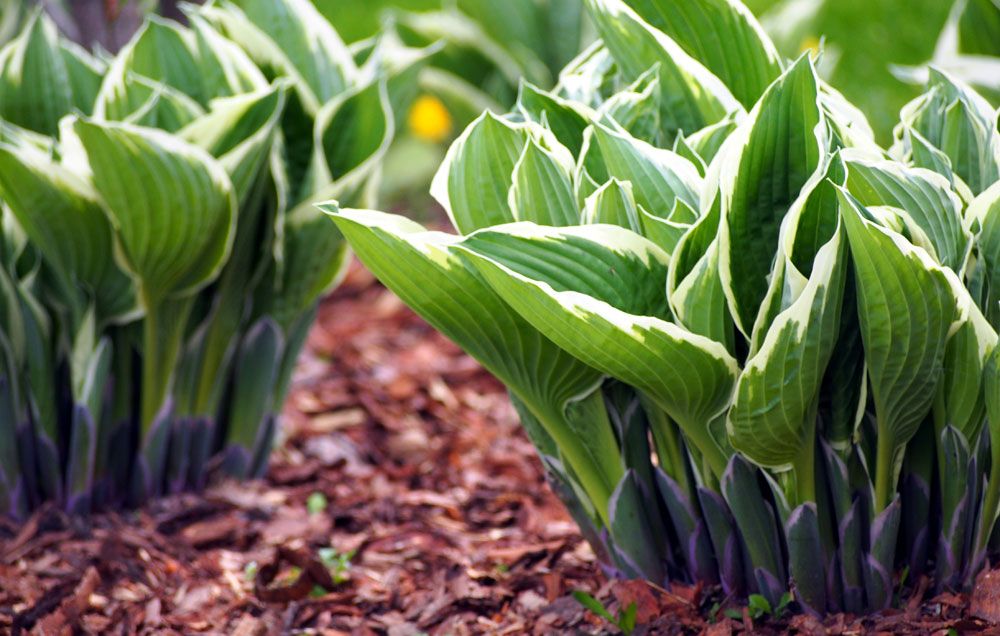
To make hostas grow faster, several environmental and care factors must be optimized. Hostas thrive in well-drained, rich soil and require specific light conditions to maximize their growth. Below are some key elements that can enhance the growth rate of hostas.
Soil Quality
The quality of the soil is crucial for the rapid growth of hostas. They prefer a moist, well-drained soil enriched with organic matter. The following points should be considered:
- Organic Matter: Incorporating compost or well-rotted manure improves soil fertility.
- pH Level: A soil pH of 6.0 to 7.0 is ideal for hostas, promoting nutrient absorption.
- Drainage: Ensure that the soil does not retain water to prevent root rot, which can hinder growth.
Light Conditions
Hostas grow best in partial shade but can tolerate varying light conditions. Proper light exposure affects their growth rate significantly:
- Filtered Sunlight: Providing some morning sun with afternoon shade enhances growth while preventing leaf scorch.
- Consistent Light: Avoid positioning hostas in areas with fluctuating light, as it can stress the plants.
- Variety Selection: Choosing the right hosta variety for specific light conditions can lead to faster growth.
Watering Practices
Proper watering is essential for the rapid development of hostas. They require consistent moisture, especially during their active growth phase:
- Regular Watering: Water hostas deeply once or twice a week, allowing the soil to dry slightly between waterings.
- Mulching: Apply mulch to retain moisture in the soil and reduce competition from weeds.
- Avoid Overwatering: Ensure not to overwater as it can lead to root issues and impede growth.
Nutrient Availability
Providing hostas with the right nutrients promotes faster growth. Fertilizing practices play a significant role in their health:
- Balanced Fertilizer: Use a slow-release, balanced fertilizer high in nitrogen to support leaf growth.
- Timing: Fertilize in spring as growth resumes for optimal nutrient uptake.
- Supplementation: Consider using liquid fertilizers during the growing season to boost nutrient availability.
Pest and Disease Management
Keeping hostas free from pests and diseases is vital for their vigorous growth. Regular monitoring and timely action can prevent issues:
- Pest Control: Use organic insecticides and natural remedies to control pests like slugs and aphids.
- Disease Prevention: Ensure good air circulation around plants to limit fungal diseases.
- Regular Inspection: Frequently check for signs of disease and treat them promptly to maintain plant health.
What does Epsom salt do for hostas?

Epsom salt, chemically known as magnesium sulfate, is often used in gardening as a supplement for plants, including hostas. Hostas, with their lush foliage, can benefit greatly from the application of Epsom salt due to its magnesium content, which helps improve overall plant health, growth, and resilience. Here are some of the specific benefits:
1. Improved Nutrient Absorption: Magnesium plays a crucial role in chlorophyll production, which is vital for photosynthesis. Enhanced photosynthesis leads to better nutrient absorption from the soil.
2. Stronger Growth: Epsom salt can promote vigorous growth by providing necessary minerals that strengthen the hosta plant, leading to healthier stems and leaves.
3. Reduced Leaf Curling: When hostas experience magnesium deficiency, the leaves may curl or appear discolored. Administering Epsom salt can alleviate these symptoms and restore the plant’s health.
4. Flower Enhancement: For flowering varieties of hostas, Epsom salt can boost blooming capacity, leading to more vibrant and plentiful flowers due to improved mineral balance.
5. Soil Fertility: Epsom salt can enhance soil structure by adding magnesium, which aids in retaining moisture and improving drainage.
See also:
Improved Nutrient Absorption
Epsom salt increases the availability of magnesium and sulfur in the soil, both of which are essential for nutrient absorption in hostas. When the plant utilizes these minerals effectively, it enhances its overall health. This improvement can lead to:
- Increased chlorophyll production.
- Enhanced photosynthesis.
- Stronger, greener foliage.
Stronger Growth
The added magnesium from Epsom salt contributes significantly to stronger plant development. Hostas that receive an adequate supply of magnesium tend to grow more vigorously. This results in:
- The formation of robust stems that can support larger leaves.
- Overall improved plant structure and vitality.
- Higher resilience to environmental stressors.
Reduced Leaf Curling
Symptoms of magnesium deficiency in hostas often include leaf curling and discoloration. Applying Epsom salt can effectively combat these symptoms and restore plant health. Key outcomes include:
- Restoration of healthy leaf appearance.
- Reduction in leaf curling, improving aesthetics.
- Overall plant rejuvenation.
Flower Enhancement
For hostas that bloom, Epsom salt can lead to an increase in flower production and quality. The application of Epsom salt can promote better blooming through:
- Boosted flower quantity and size.
- Enhanced coloration of flowers.
- Increased flowering period.
Soil Fertility
The inclusion of Epsom salt in the soil can improve its overall fertility. Magnesium enhances the soil’s physical properties and nutrient content, resulting in:
- Improved moisture retention capabilities.
- Better drainage, preventing root rot.
- Increased availability of other nutrients in the soil.
What happens if you don't cut back hostas?

If you don't cut back hostas, several consequences may arise that can affect the overall health and aesthetics of the plants. Hostas are perennials known for their lush foliage and are commonly grown in gardens. Failing to cut them back at the appropriate time can lead to various issues, which include:
1. Overcrowding:
When hostas are not cut back, their leaves can become dense and crowded. This can lead to complications such as:
- Reduced Air Circulation: Dense foliage can restrict airflow, making the plants more susceptible to disease.
- Pest Infestation: Overcrowded conditions may attract pests that thrive in hidden, shaded areas.
- Compromised Growth: With reduced space, hostas may struggle to grow properly and could become stunted.
2. Increased Disease Risk:
Hostas that are not trimmed can accumulate moisture on their leaves, leading to:
- Mildew Growth: Excess moisture can foster fungal diseases like powdery mildew.
- Root Rot: Poor air circulation and excess moisture can contribute to root diseases.
- Leaf Spotting: Fungal infections may cause unsightly spots on the foliage.
3. Aesthetic Decline:
Neglecting to cut back hostas can lead to a compromised visual appeal, which might include:
- Yellowing Leaves: Older leaves may yellow and die back, detracting from the plant's appearance.
- Unkempt Appearance: The natural shape of the plant may become irregular, resulting in a messy garden look.
- Blossom Reduction: Some hostas produce flowers, but poor plant health may prevent blooming.
4. Nutrient Competition:
Overgrown hostas can compete for nutrients within the garden bed, resulting in:
- Depleted Soil Resources: Hostas can deplete essential nutrients from the soil, impacting their growth.
- Inhibited Growth of Nearby Plants: Surrounding plants may struggle due to nutrient competition with the hostas.
- Stunted Development: Competing for nutrients can lead to overall stunted growth in all plants involved.
5. Challenges in Seasonal Care:
Not cutting back hostas complicates seasonal maintenance tasks, leading to:
- Difficulty in Cleanup: Leaving old foliage makes it harder to clean the garden in spring.
- Increased Workload: More extensive cutting may be required during maintenance than if it had been done regularly.
- Potential Damage to New Growth: If not handled carefully, pruning overgrown hostas can damage new shoots.
Questions from Our Readers
How long do hostas take to grow full size?
The time it takes for hostas to reach full size can vary depending on the variety and growing conditions. Generally, it takes 3 to 5 years for hostas to mature to their full potential, but some larger varieties may take even longer.
What factors influence the growth rate of hostas?
Several factors can significantly influence the growth rate of hostas, including soil quality, sunlight exposure, water availability, and fertilization. A well-drained, rich soil and appropriate light conditions will help hostas grow more vigorously.
See also:
Do hostas grow faster in certain climates?
Yes, hostas typically thrive in temperate climates where they receive adequate moisture and shade. In regions with extreme temperatures, their growth may be slowed. Hostas usually prefer areas with cooler summers that provide a suitable environment for healthy growth.
How can I promote faster growth in my hostas?
To promote faster growth in hostas, ensure they are planted in rich, well-draining soil, receive adequate water, and are fertilized during the growing season. Additionally, providing mulch can help retain moisture and regulate soil temperature, further enhancing their growth potential.

If you want to read more articles like How Long Do Hostas Take to Grow Full Size? Discover the Growth Timeline and Tips for Success, we recommend you check out our Hostas category.
Leave a Reply
Related Articles